Range and habitat
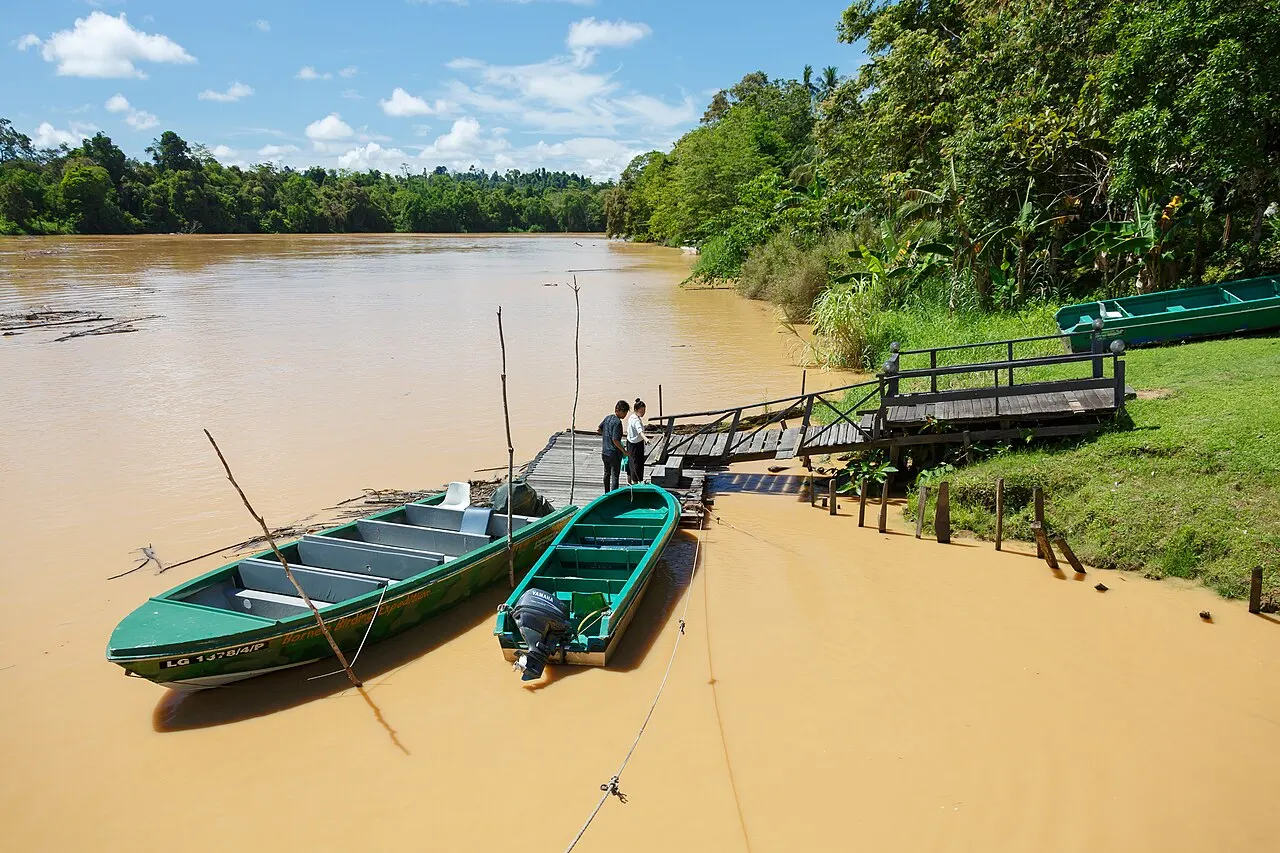
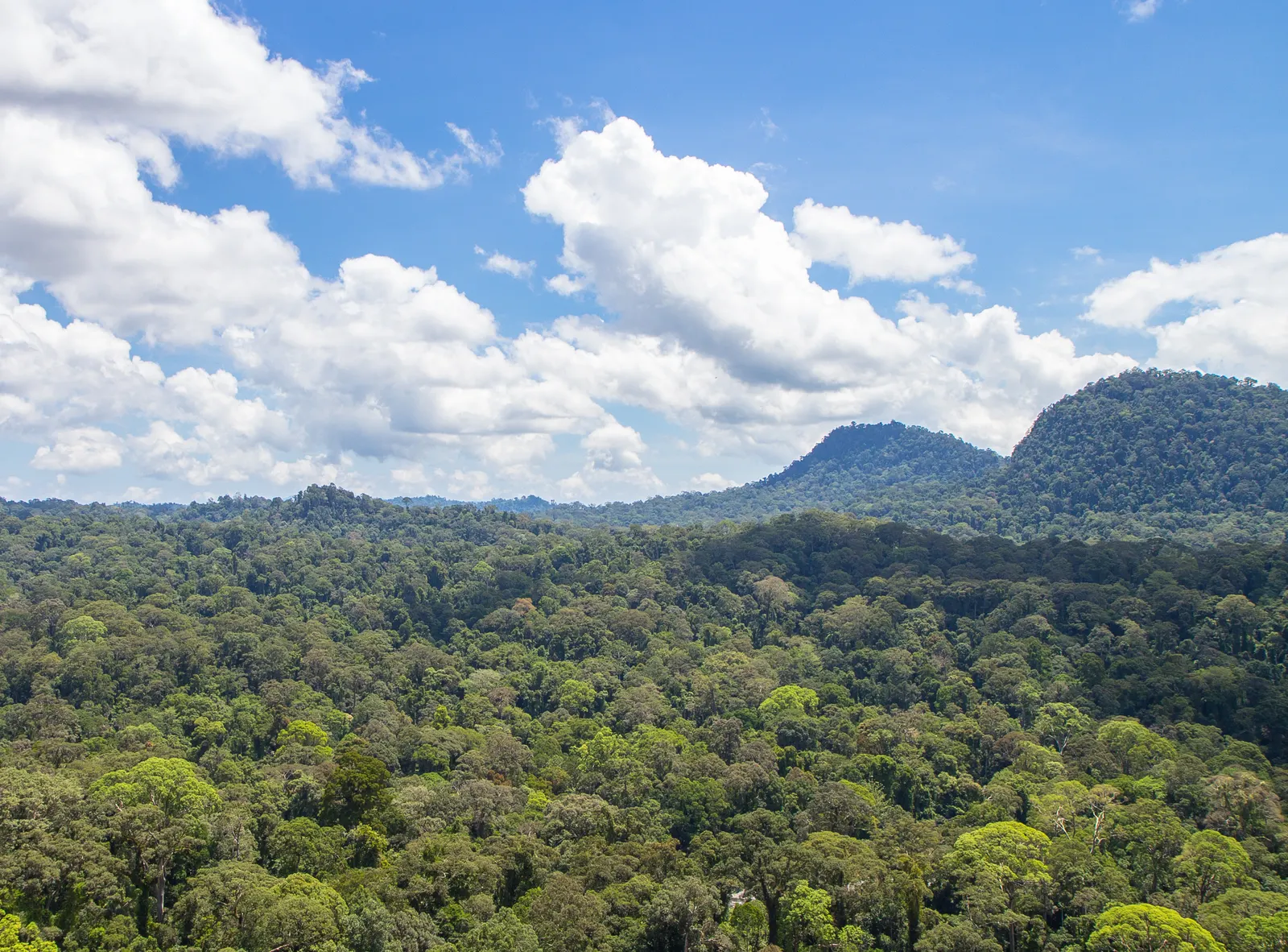
The western tarsier lives on Borneo and other Sunda islands. It is also known scientifically as Tarsius bancanus in older literature. Wild Bornean animals have been studied directly, and the Lower Kinabatangan forests support a documented population.
Sources & references · 4
American Society of Mammalogists, MDD v2.5 · Cephalopachus bancanus: taxonomyFrontiers in Physiology, Welman, Tuen and Lovegrove · Searching for the Haplorrhine Heterotherm: Field and Laboratory Data of Free-Ranging TarsiersHandbook of the Mammals of the World / Lynx Edicions · Cephalopachus bancanusEcology and Evolution · Molecular characterization of nodule worm in a community of Bornean primatesFood and daily life
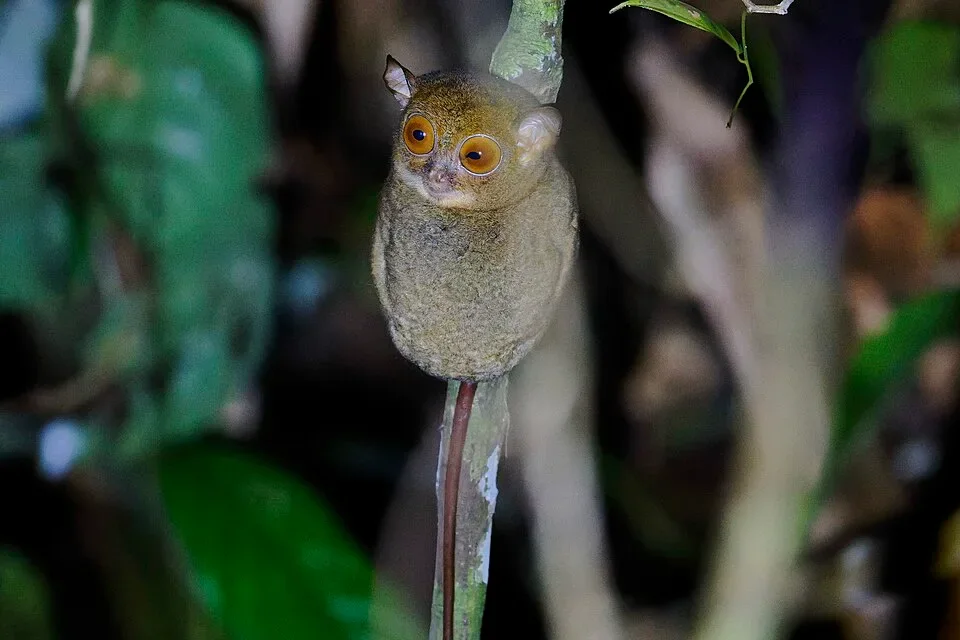
It is a nocturnal, tree-dwelling hunter taking live animal prey, especially insects. Large eyes and gripping hands accompany a leaping style of movement. Unlike the fruit-eating primates nearby, it should be classified as a carnivore. Night observation suits its activity, with quiet viewing from authorized routes.
Sources & references · 4
American Society of Mammalogists, MDD v2.5 · Cephalopachus bancanus: taxonomyFrontiers in Physiology, Welman, Tuen and Lovegrove · Searching for the Haplorrhine Heterotherm: Field and Laboratory Data of Free-Ranging TarsiersHandbook of the Mammals of the World / Lynx Edicions · Cephalopachus bancanusEcology and Evolution · Molecular characterization of nodule worm in a community of Bornean primatesThreats and conservation
The western tarsier is globally Vulnerable. Forest loss affects its living and hunting space. Nighttime observation fits its activity, but small size and dense vegetation make it difficult to locate. A physiological study of Bornean animals found no adaptive torpor in the individuals examined.
Sources & references · 4
American Society of Mammalogists, MDD v2.5 · Cephalopachus bancanus: taxonomyFrontiers in Physiology, Welman, Tuen and Lovegrove · Searching for the Haplorrhine Heterotherm: Field and Laboratory Data of Free-Ranging TarsiersHandbook of the Mammals of the World / Lynx Edicions · Cephalopachus bancanusEcology and Evolution · Molecular characterization of nodule worm in a community of Bornean primatesRecognising the animal
Large forward-facing eyes, long hindlimbs and grasping hands suit an animal that hunts from branches at night. The Bornean form has grey and reddish-brown fur with a paler underside. Its tail ends in a small tuft. A tarsier can remain clinging vertically before leaping toward prey or another support.
Sources & references · 1
Handbook of the Mammals of the World / Lynx Edicions · Cephalopachus bancanusYoung and daily life
Females bear a single young and carry it in the mouth when moving. Adults do not live in conspicuous monkey-like troops: female ranges can overlap those of males, with direct contact concentrated around mating. In Borneo's lowland forest, dense undergrowth and thin upright supports provide a useful habitat context for this small nocturnal hunter.