Where you go
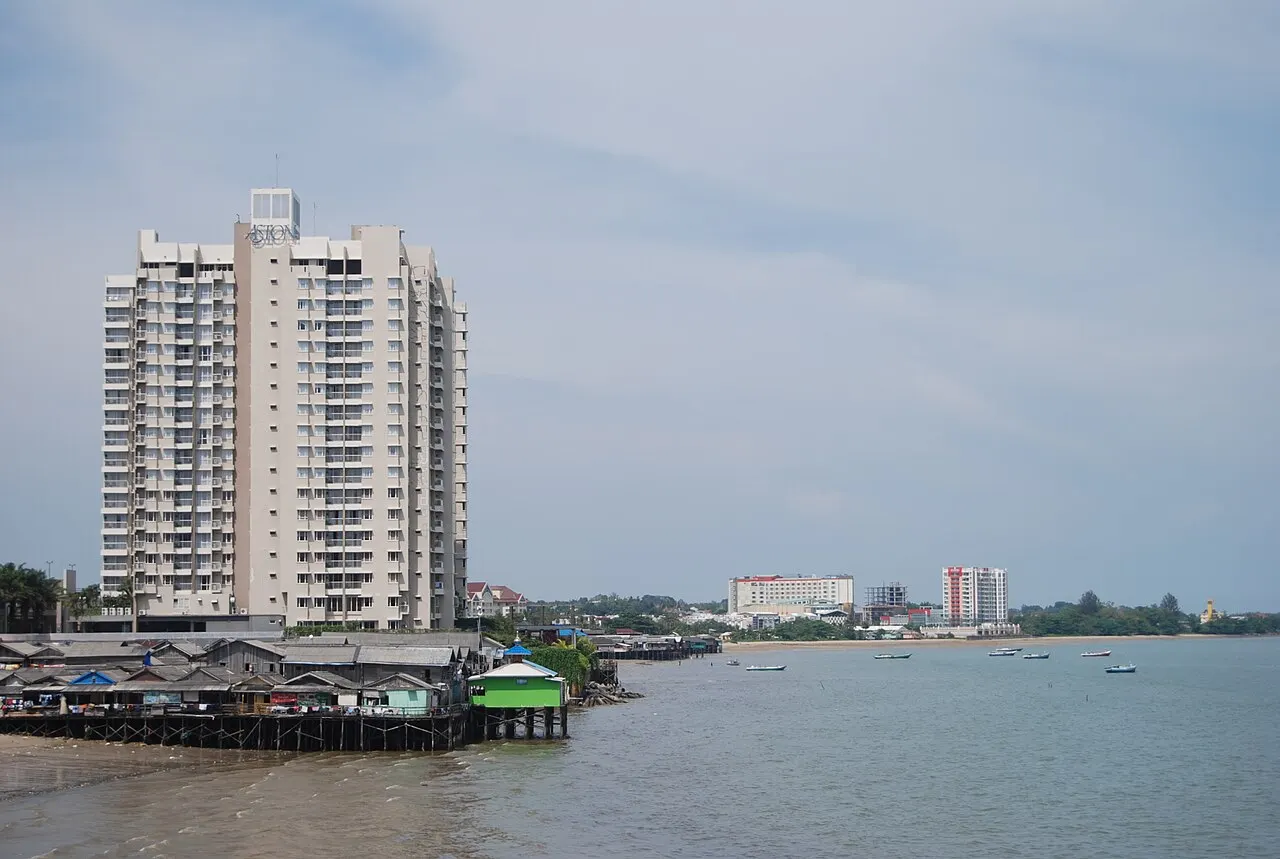
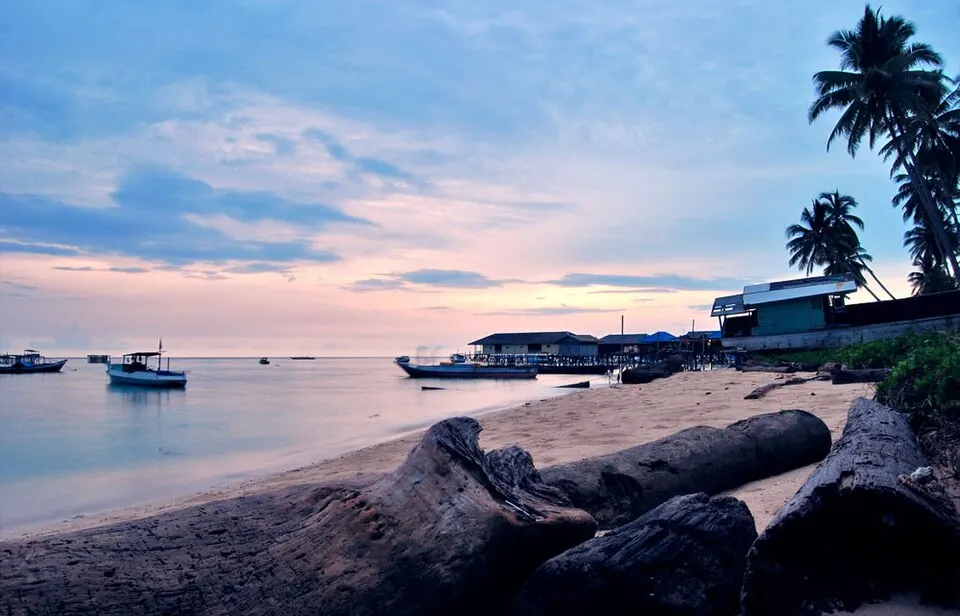
Derawan Island lies off East Kalimantan, within the wider Derawan marine area. The archipelago contains different islands and marine settings, so the precise reef matters. Agree the day's snorkelling location with a local provider, taking account of wind, current, visibility and the ability of the group.
Nearby island names can appear together in promotional itineraries, but they do not describe one uniform reef or a single guaranteed circuit. A Derawan-based outing can focus on suitable nearby water. Longer boat excursions towards other islands involve additional time and local access arrangements; choose them separately rather than assuming they are included in a basic snorkelling booking.
What happens on an outing
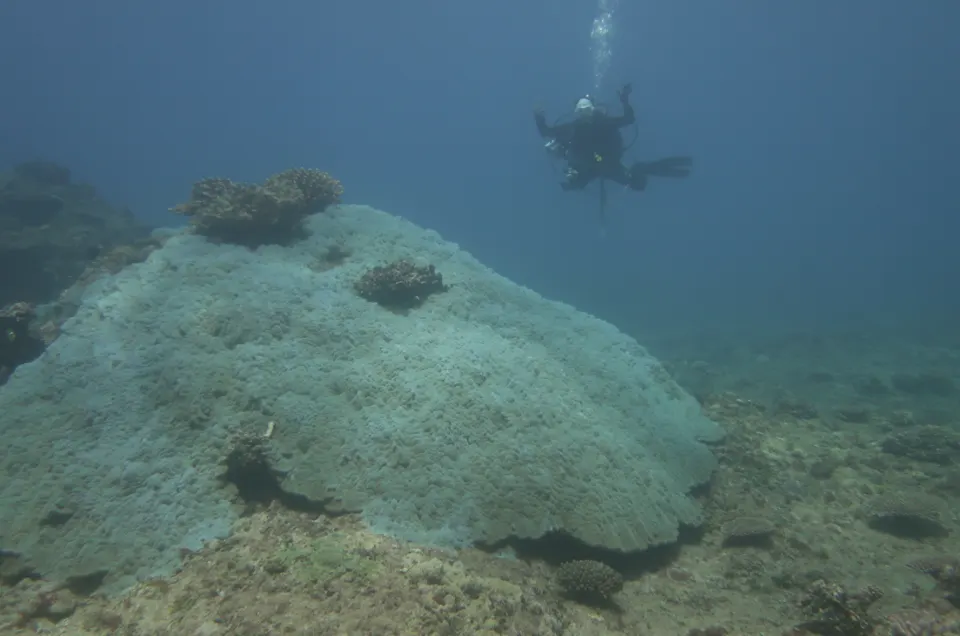
Begin with the meeting point, equipment check and a briefing on getting into and out of the water. The guide or boat crew selects an appropriate entry point and explains how the group will stay together. In the water, move slowly enough to look at the reef rather than swimming continuously from one distant point to another. Return to the boat or shore for a rest before any further session.
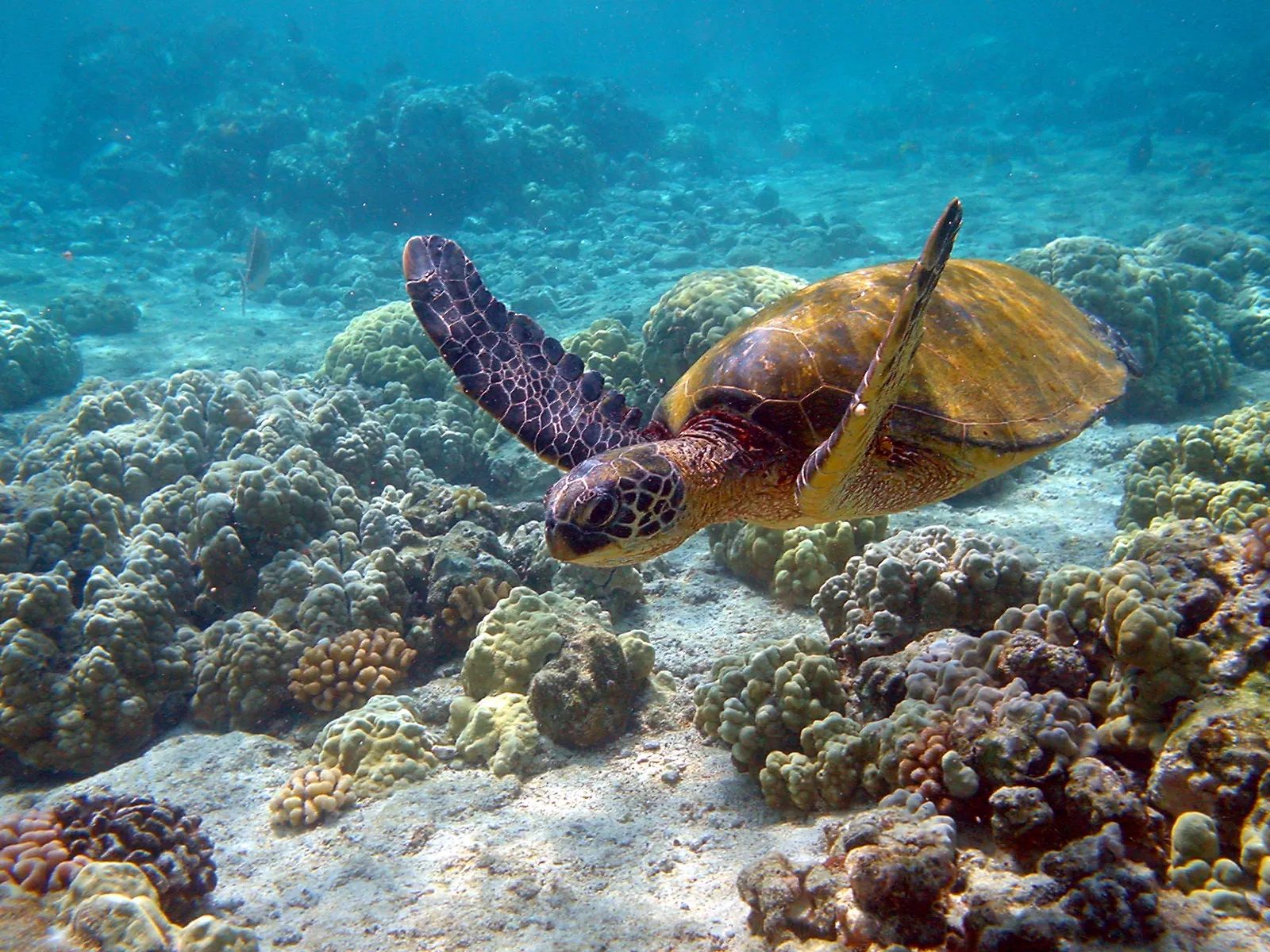
Coral reefs contain living structures that are easily damaged by standing or careless fin movements. Keep clear of coral and let marine animals choose their distance. Green turtles are associated with the wider Derawan area, but a particular snorkel session should be enjoyed for the habitat and fish you actually encounter. Turtle observation does not include handling, feeding or following an animal until it cannot rest.
Reaching the island and planning your stay
An established approach is through Kalimarau Airport near Berau's Tanjung Redeb area, followed by a road transfer to the coast and a speedboat connection. Tanjung Batu is one of the named coastal gateways in official tourism information. Confirm the jetty and boat arrangement with your island accommodation, because the airport, mainland transfer and island boat are separate stages.
Once based on Derawan, a half-day can be useful for a focused reef outing. A full day may include longer boat travel and more than one stop. Staying two or three nights is a practical recommendation if you want time in the water plus flexibility around arrival, departure and conditions. Avoid tying the final boat crossing to a tight flight connection.
Accommodation and advance arrangements
Derawan Dive Lodge is an existing accommodation page to explore for an island base. Check which activities are actually offered and included during your dates. A dive-oriented property can provide useful local marine knowledge, but a room reservation does not necessarily include snorkelling transport, equipment or instruction.
Book the reef outing through a provider able to explain the location, guide role, equipment, flotation options and boat safety arrangements. State clearly that you want snorkelling if that is your plan: scuba diving involves different training and equipment. Ask the provider to specify any current conservation-area or site charges. A general marine-area designation should not be converted into an invented visitor-permit procedure.
Who it suits and how to combine it
The main demands are swimming, boarding a boat, sun exposure and coping with moving water. Tell the organiser about swimming confidence before choosing a location, and ask how non-swimming companions will spend the outing. A flotation aid can support a properly planned session, but it does not make every current or offshore site suitable for beginners.
The best departure is the one suited to the day's local sea conditions; visibility and water movement vary. Combine reef time with a slower exploration of Derawan Island, reading about its marine habitat and an additional rest day if your itinerary allows. More distant island visits should remain distinct, confirmed excursions. That approach gives you a clearer idea of what you are buying and reduces the pressure to rush through a long list of marine stops.