Recognition
Chelonia mydas is a hard-shelled sea turtle with a relatively small head and one pair of prefrontal head scales. Its shell can appear brown, grey or olive; the common name is not a reliable shell-colour test. The species occupies tropical and subtropical seas far beyond Borneo.
Sources & references · 1
NOAA Fisheries · Green turtleForest and water
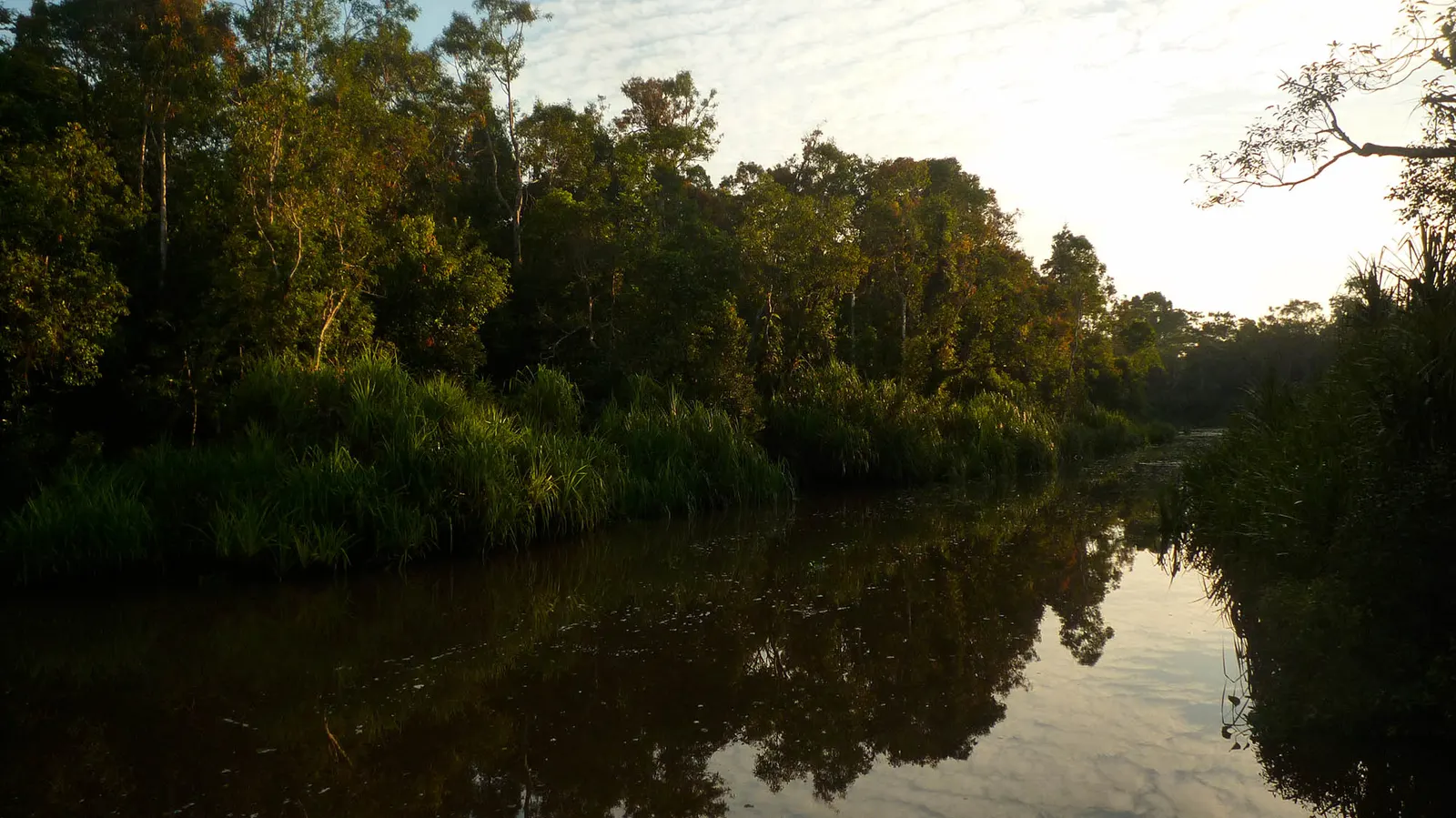
Early life includes open-water stages, followed by coastal feeding areas and migrations between feeding and nesting sites. A nesting beach and a feeding reef serve different functions; evidence at one does not describe the animal’s entire journey.
Sources & references · 1
NOAA Fisheries · Green turtleFood and foraging
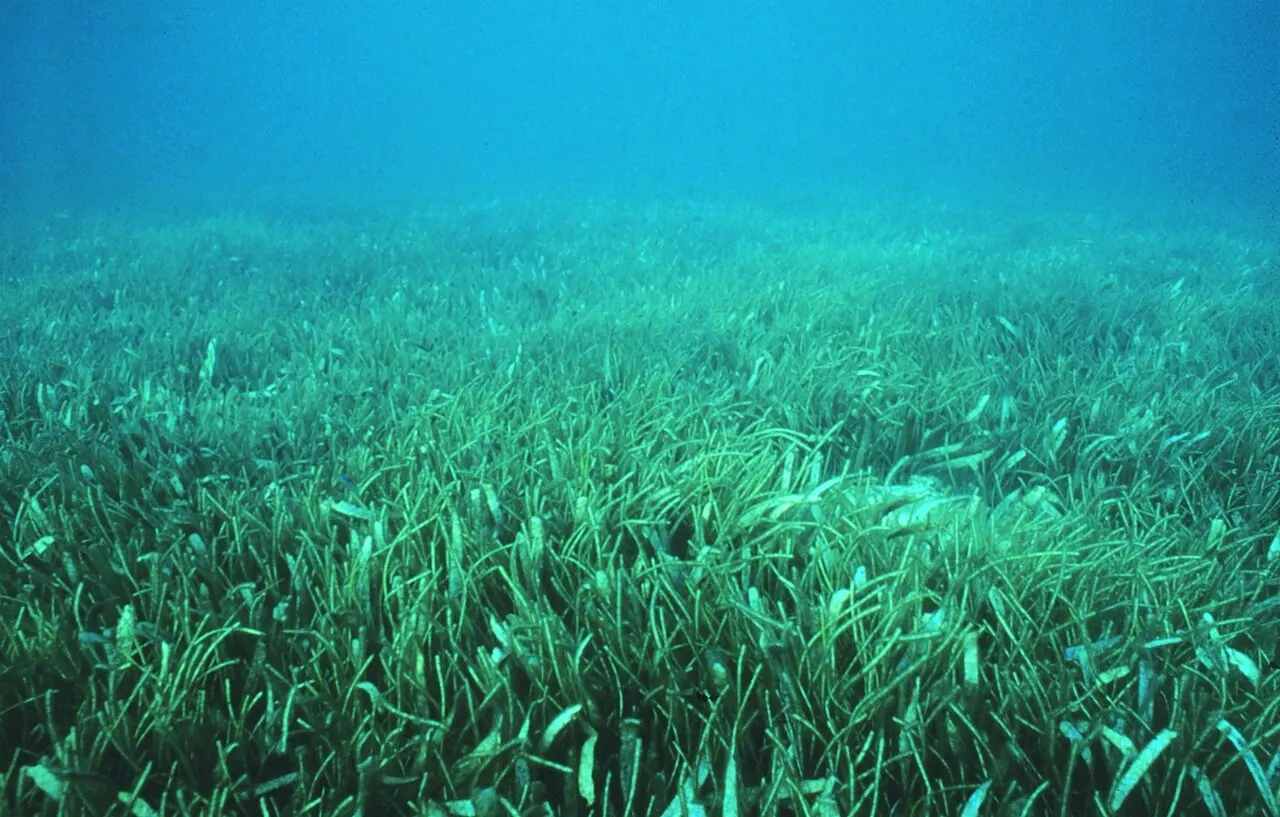
Adults feed mainly on seagrasses and algae; young turtles have a broader diet that includes animal foods. This life-stage difference matters when interpreting photographs of turtles near reefs.
Sources & references · 1
NOAA Fisheries · Green turtleBreeding
Females lay eggs on sandy beaches. Incubation and hatchling emergence depend on local conditions, so a historic nesting study is not a fixed visitor calendar.
Sources & references · 1
NOAA Fisheries · Green turtleRange and local records
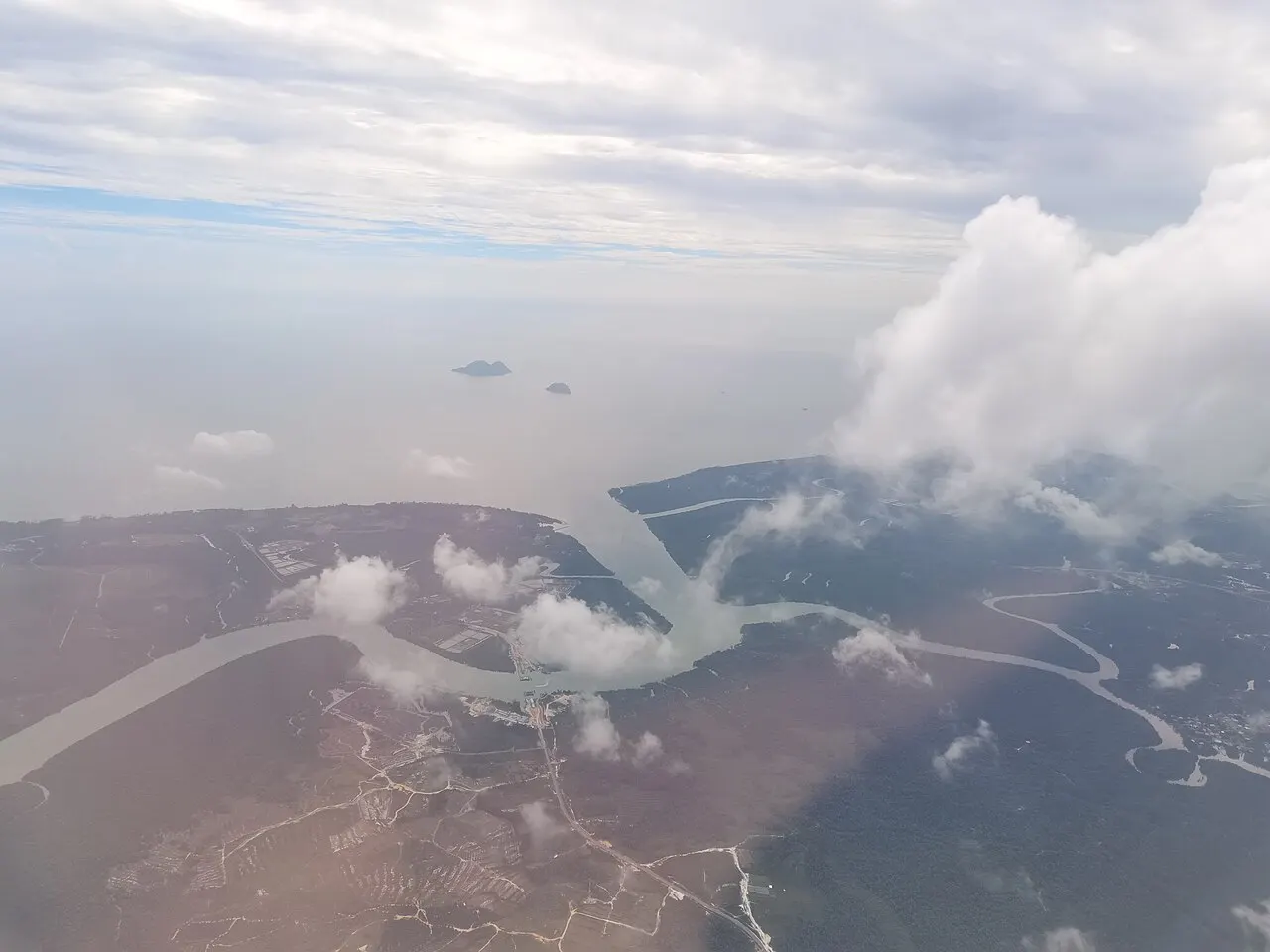
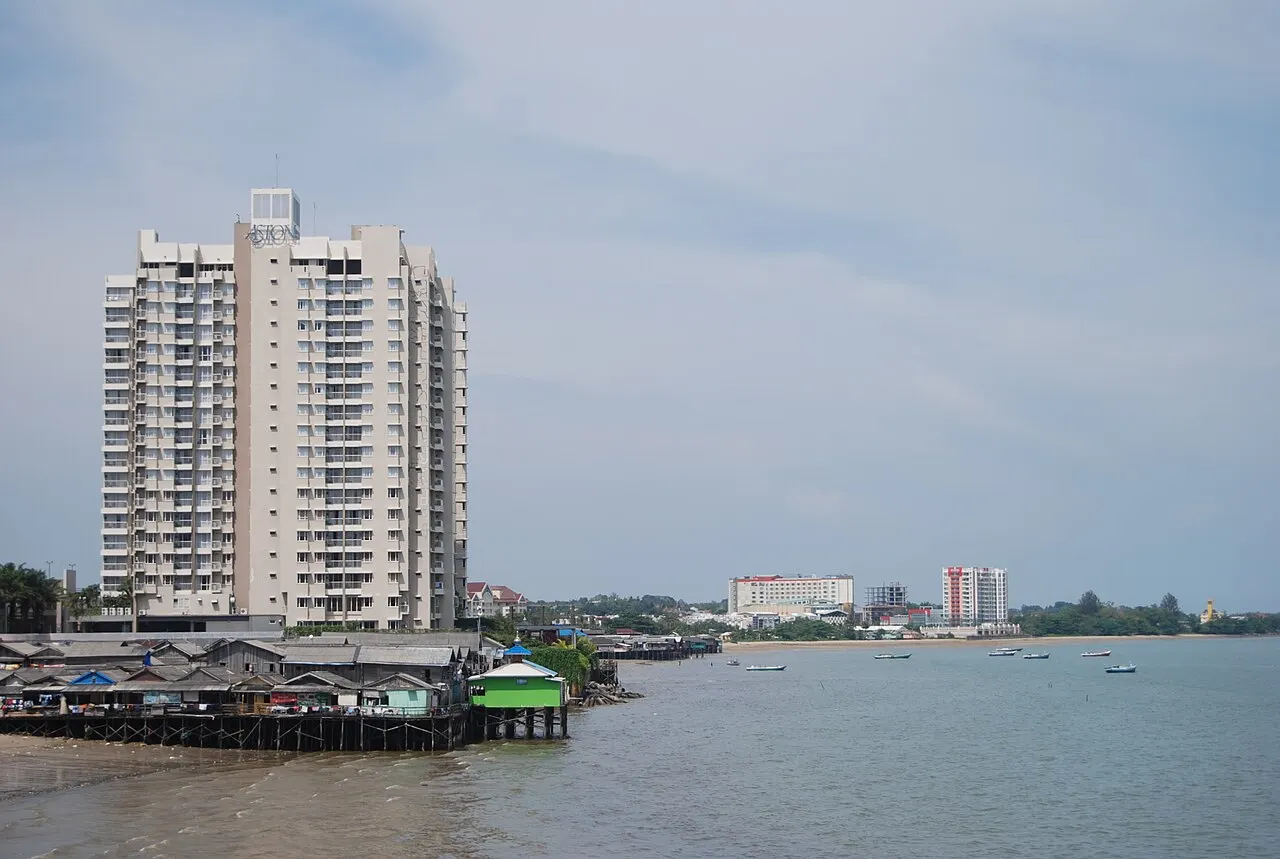
The selected sources document Chelonia mydas at Derawan Island, Berau. These are place-specific published records, not current population estimates or evidence for every protected area in the province.
Sources & references · 1
Dharmadi and Wiadnyana / Indonesian fisheries research journal · Habitat dan sebaran sarang penyu hijau di Pulau DerawanConservation outlook
The 2025 global assessment is Least Concern. This does not remove regional threats, nesting-site sensitivity or Indonesian protection; older global Endangered labels should not be reused as if current.
Sources & references · 1
IUCN SSC Marine Turtle Specialist Group · Sea turtle conservation statusesA local nesting rhythm
Sabah Parks reports green turtles nesting throughout the year, with a July–October peak at Turtle Islands Park. Females dig above the high-water line using their rear flippers. Bright lighting can deter arrivals. Sand temperature influences offspring sex, which makes shade and nest conditions important aspects of hatchery management.