An island within a wider marine landscape
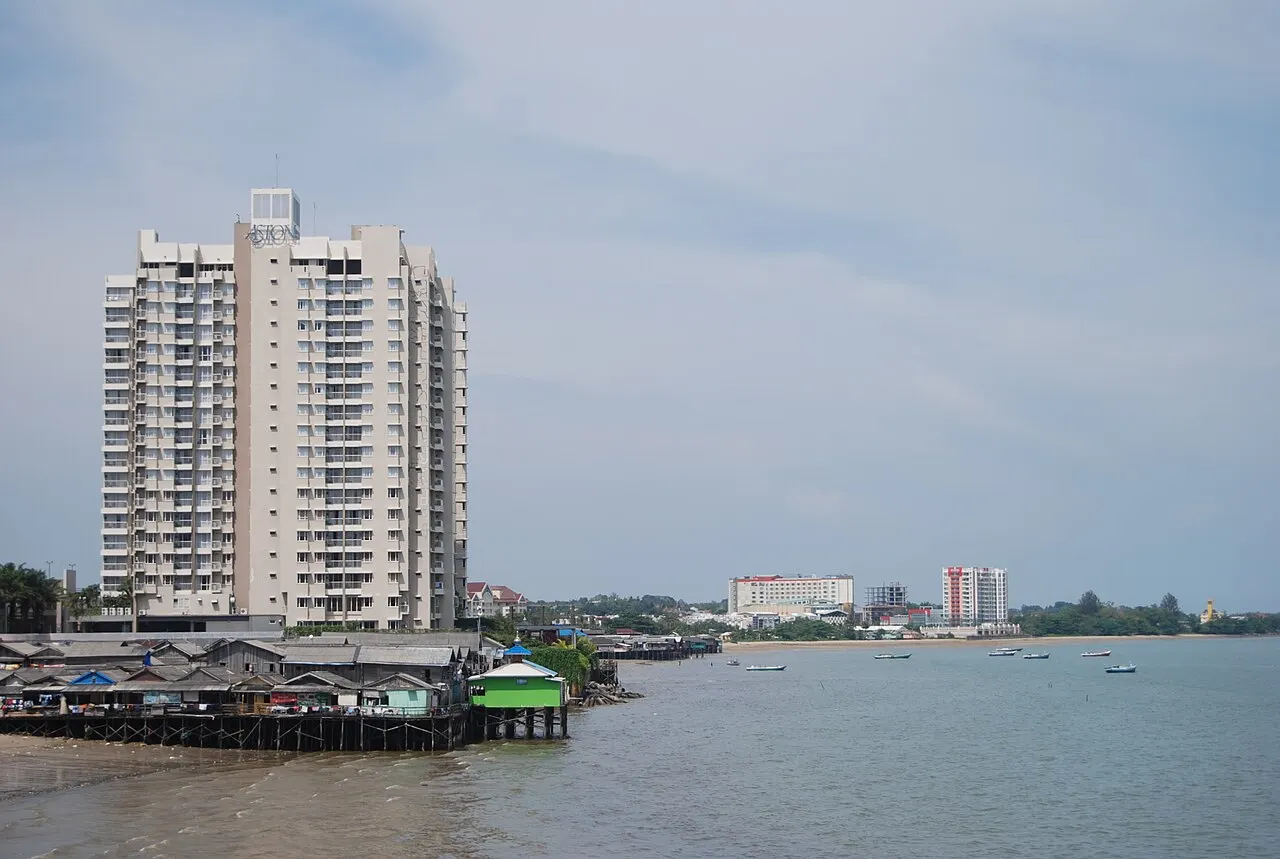
The East Kalimantan conservation agency identifies Sangalaki as both an island nature-tourism park and a marine nature-tourism park in Berau. Its protected identity is more specific than a generic beach excursion. The site sits within the broader travel context of the Derawan marine area, but each managed area has its own arrangements. A regional tour description should therefore not be read as permission to use every landing place, beach or stretch of water.
Turtles are wildlife, not a scheduled show
The island is important for green turtles, and the manager documents both natural nesting habitat and a managed hatchery. Those are different things: observing conservation work is not the same as seeing an undisturbed turtle arrive from the sea. Neither nesting nor hatching can be promised for a visitor’s date. Do not arrange a visit around handling a hatchling or reaching a particular nest. If an authorised observation is offered, accept the staff’s timing, distance and decision to stop or change the activity.
Reefs, seagrass and the water around the island
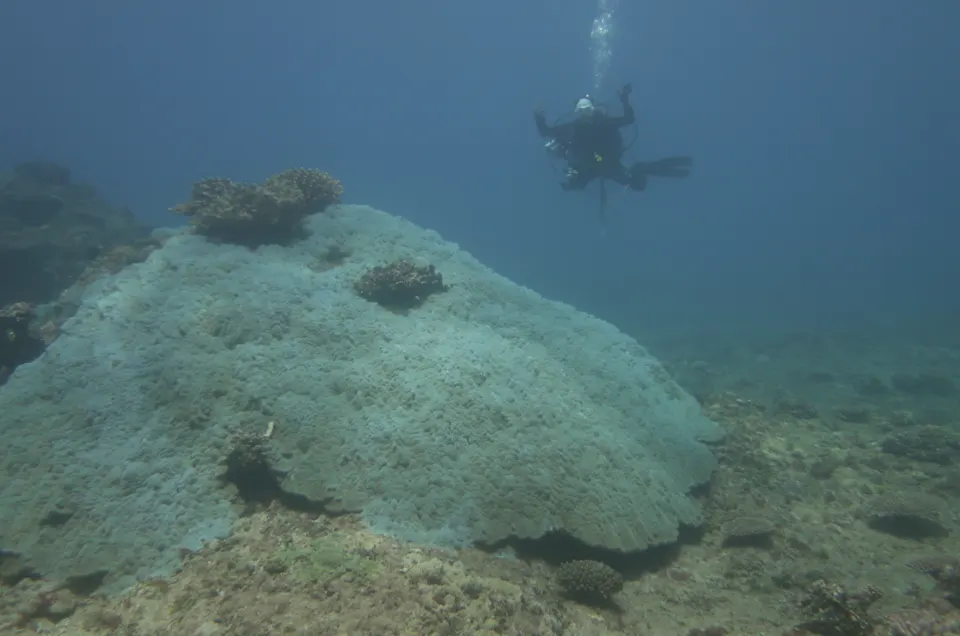
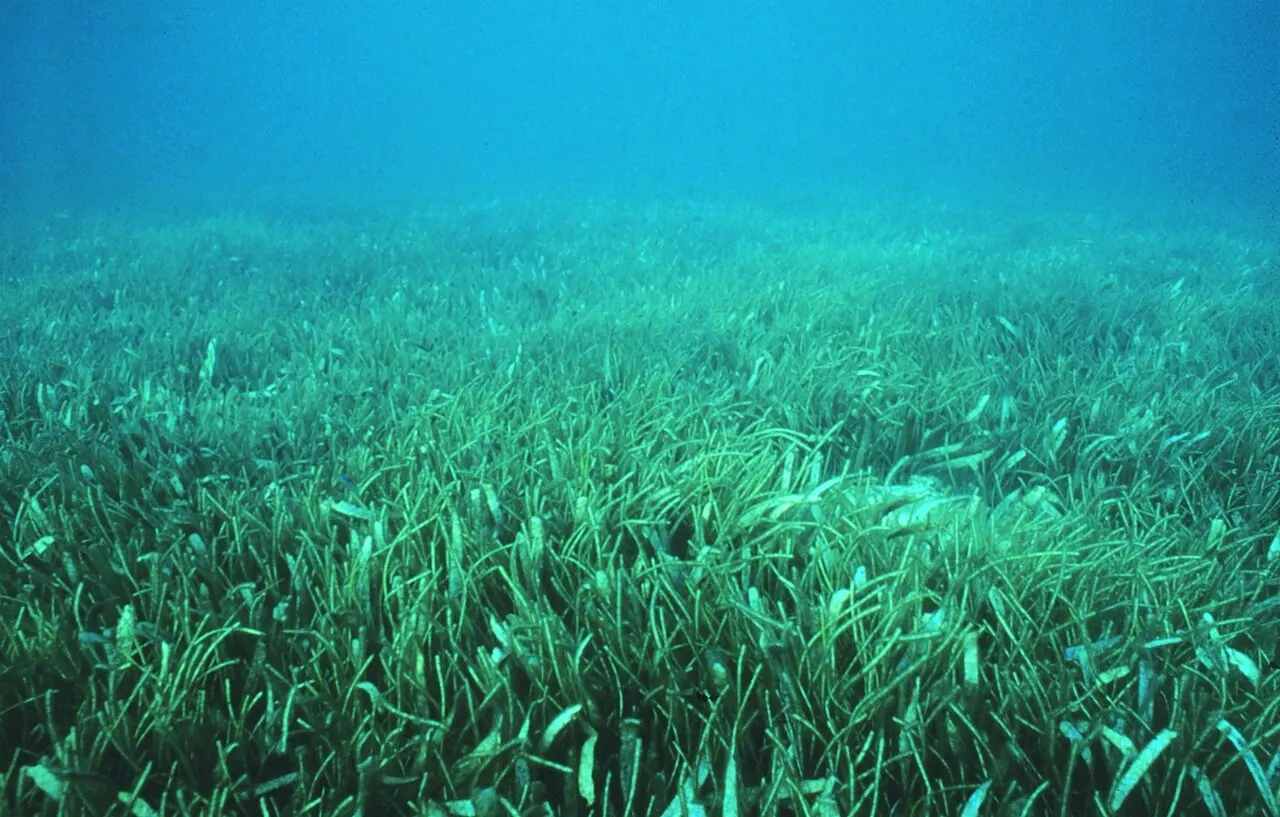
Coastal vegetation connects with seagrass meadows and coral reefs around the island. Looking at those habitats together gives a better understanding of the area than concentrating on one photogenic animal. The conservation agency also describes marine wildlife observation, but this guide does not turn that potential into guaranteed encounters or a fixed snorkelling route. Water conditions, skills, equipment and the operator’s assessment matter. Keep clear of living coral, avoid standing on reef surfaces and decline any practice that feeds or pursues wildlife.
What a visitor programme does and does not prove
Official reporting recorded a conservation-focused government visit to Sangalaki in July 2026. Current operator itineraries also include the island in organised outings. These sources support the island’s continuing institutional and visitor context; they do not establish unrestricted access to every conservation activity. Treat this page as background for a carefully arranged visit, not a self-guided arrival instruction. Before booking, confirm with the responsible manager or operator whether landing is permitted, what your programme includes and which restrictions apply on the day.
Plan from an established island base
Derawan Island and Maratua are useful places from which to discuss a boat outing, but no universal ferry schedule is assumed here. Ask for the actual departure point, boat arrangements, return plan and weather-cancellation terms. A full outing day can be a sensible planning allowance once the programme is confirmed, with the time on Sangalaki varying by route and conditions. Do not attach a tightly timed onward flight to an uncertain boat return. Overnight or night-observation access requires separate confirmation and is not included simply because an island is listed in a day trip.
Keep the conservation boundaries clear
Leave nest positions and monitoring locations off public maps and photo captions. Keep beaches and water free of waste, use only approved paths and follow instructions about light, photography and movement near animals. A respectful visit may involve doing less than expected, especially when conservation needs or sea conditions change. If your operator cannot explain the landing permission and activity boundaries, seek clarification before travelling. The value of Sangalaki lies in a functioning protected landscape, not in completing a checklist of wildlife photographs.