Begin with the museum
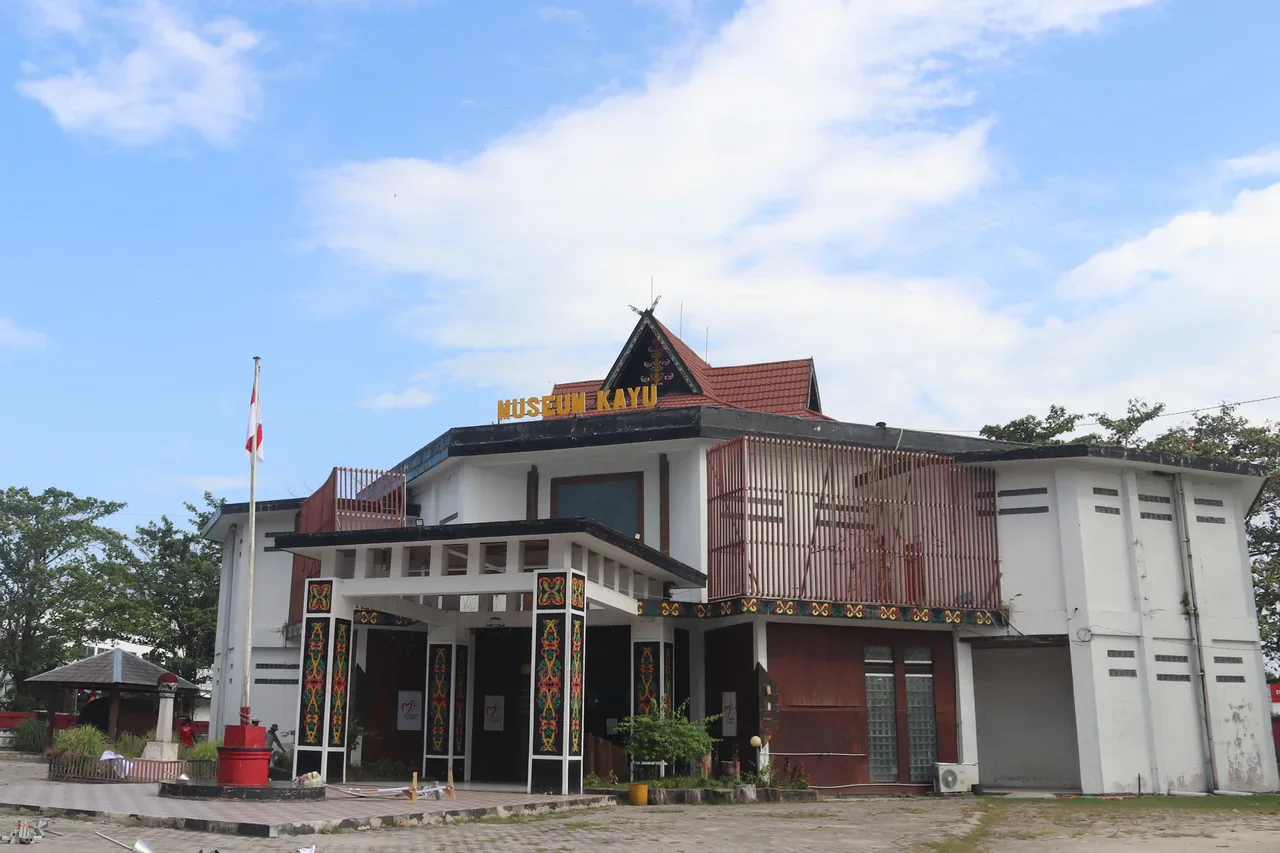
Start at Museum Kayu when its current opening arrangements allow. Its wood, tools and local-history collections help explain how forest products and river trade shaped the town. Allow time for interpretation rather than treating the building as a quick photo stop. The museum and the waterfront offer complementary perspectives: one presents collections, the other shows the river as part of contemporary town life. A museum visit does not include access to industrial yards or working port facilities.
Continue to the Jelawat riverside
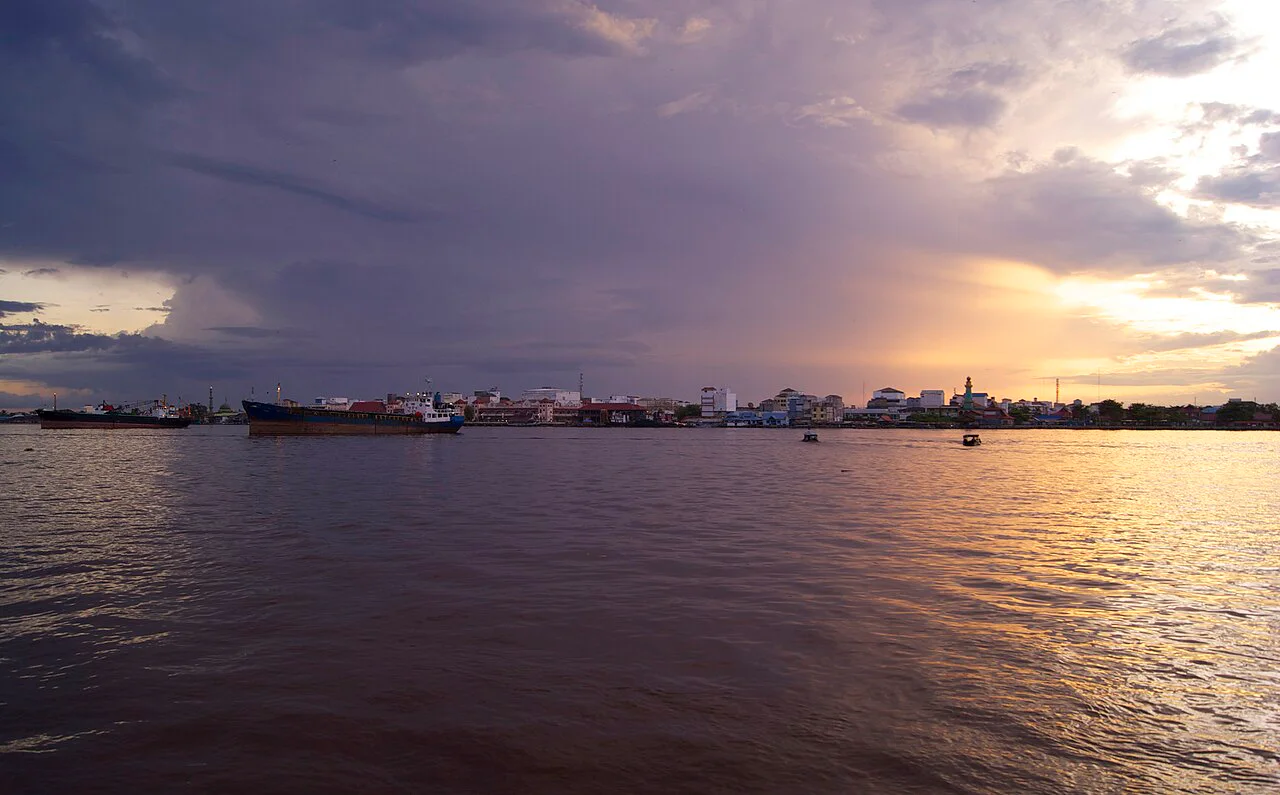
Plan the later part of the outing around the public riverfront near the Jelawat fish landmark and Mentaya shopping area. Watch the changing river scene, pause for a meal and keep to public paths. Local maintenance affects facilities, so do not build the visit around an assumed fountain performance. Working quays and private landings remain separate from public recreation areas. Ask before photographing people closely. The riverside can be rewarding without adding a boat trip; any crossing or hired boat needs its own departure and return agreement.
Time, transport and suitability
Allow an unhurried half-day or spread the two parts across a full town day. This is a planning suggestion, not an official minimum duration. Check the museum first, then arrange local transport if the heat, weather or walking route makes a transfer preferable. Carry water and rain protection, and check individual access needs directly; continuous step-free access is not established here. This outing suits travellers interested in a working river town and regional history. It does not replace a separately organised forest excursion or the much longer coastal journey to Ujung Pandaran. Return to Sampit for hotels and onward travel planning.