A regional introduction in Banjarbaru
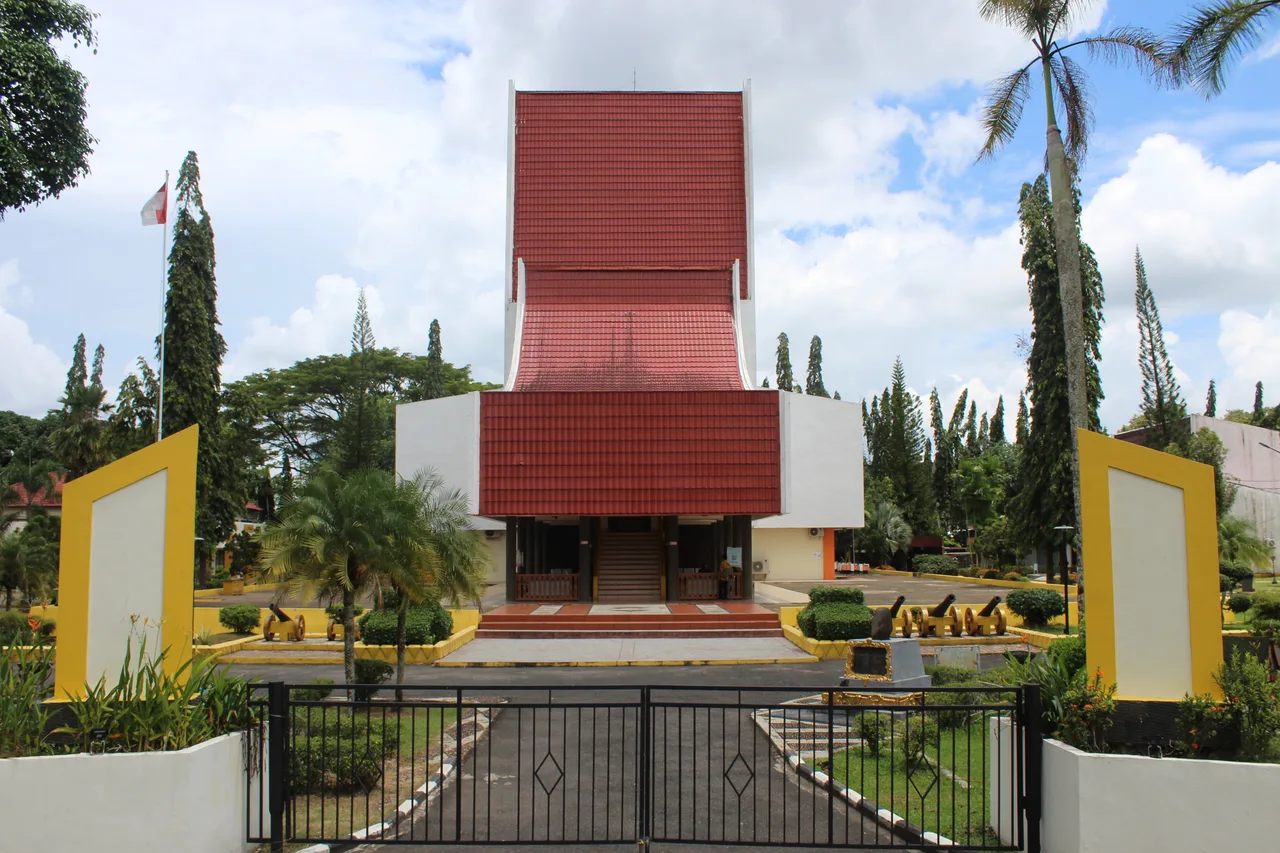
A visit offers context for travelling through South Kalimantan, bringing together objects that would otherwise be encountered separately in markets, homes and historical accounts. The museum is a public institution owned by the province and was inaugurated in 1979. Its name refers to Lambung Mangkurat, a figure associated with the Hikayat Banjar.
Approach the museum as an opportunity to look closely at regional history rather than a checklist of spectacular objects. For travellers interested in the Banjar community and language, it can provide material examples to accompany a broader introduction to the region.
What the collections can explain
Official descriptions identify historical photographs, archaeology, ceramics and regional clothing among the collections. The national catalogue also records baskets, serving vessels, fans and a cannon. Together these categories open questions about daily work, exchange, presentation and historical change.
A catalogue is not a live inventory of everything displayed. Ask which galleries and temporary exhibitions are open, and allow the interpretation on site to guide you. Avoid assuming that an object's inclusion in the online collection means it will be visible in a permanent case.
Use Banjarbaru as the immediate base
The museum stands on the Ahmad Yani corridor in Banjarbaru. Syamsudin Noor airport is a regional arrival point, with onward road transport to the museum. Banjarmasin can also be a wider trip base, but leave room for the actual road journey instead of treating the two cities as the same place.
One to two hours is an editorial planning allowance for an ordinary museum visit, not an official minimum. The stop can work within a Banjarbaru day without adding a demanding outdoor excursion. Confirm any arrangements needed for a group or a particular exhibition.
Confirm the day and closing time
Official listings disagree about opening hours and holiday access. This is a reason to check with the museum before a dedicated journey, not to select the most convenient timetable and present it as certain. Confirm the current opening day, last entry, ticket price and any temporary gallery restrictions.
Respect photography instructions and do not touch objects unless a display explicitly permits it. If your interest is a particular garment, archaeological collection or historical period, ask in advance whether relevant material is currently on view. A focused question can make the visit more rewarding than expecting every subject to be covered equally.