Royal objects and living meanings
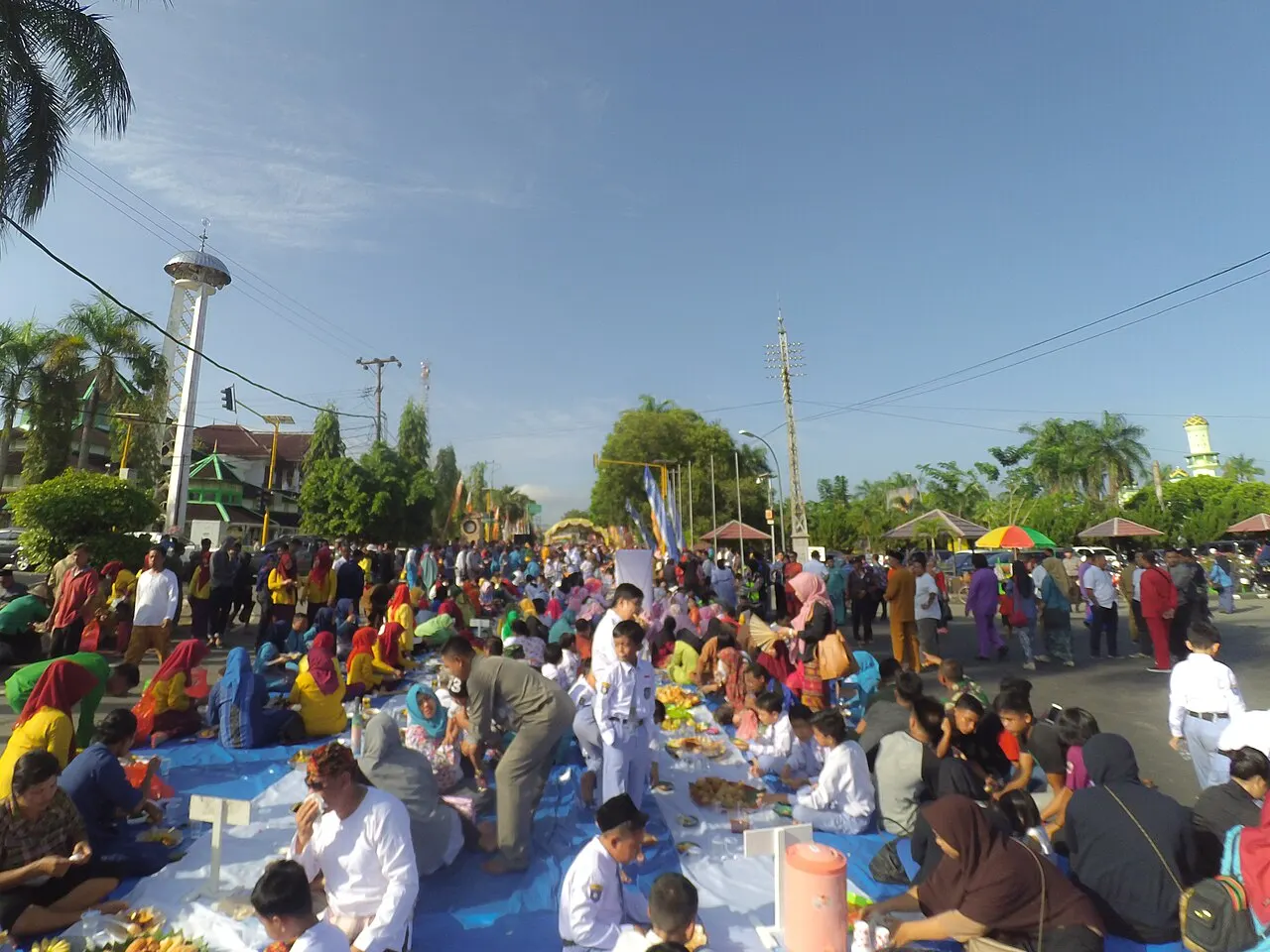
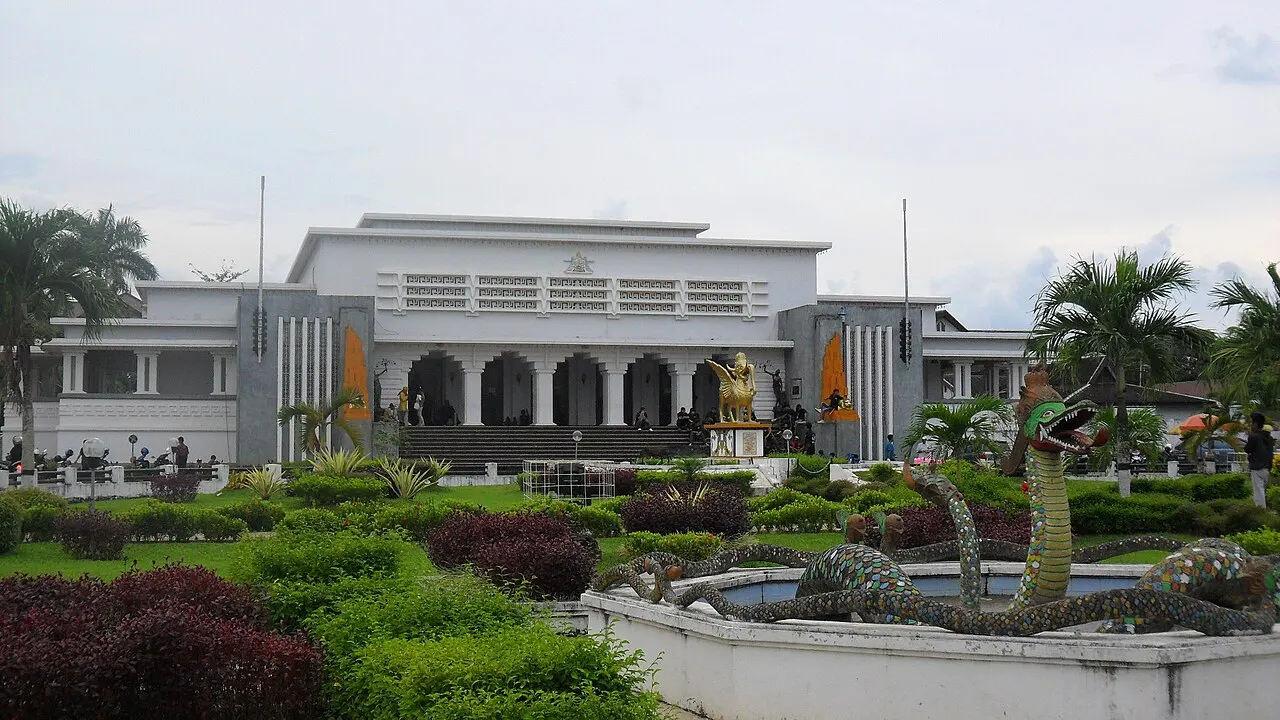
The museum highlights the sultan’s throne and ceramic collections that reflect connections beyond Kutai. Look for explanations of ownership, use and exchange instead of treating decorated objects simply as attractive backgrounds. Its own account of Erau explains that some heirlooms and ceremonial equipment return to ritual use during the celebration. A museum display and a ceremony therefore reveal different aspects of the same heritage. A particular object may not always be in its usual gallery position; ask staff what is currently accessible.
Planning the museum visit
Allow around 1–2 hours as an editorial planning estimate for the galleries and building; history enthusiasts may want longer. The museum suits visitors interested in material culture and the history of Tenggarong, rather than those expecting a scheduled performance. The documented address is Jalan P. Diponegoro No. 26, Panji. Confirm current hours, entry charges, galleries and photography rules through the museum’s official contact information before travelling. Ask about guided interpretation and language availability if labels alone will not be sufficient. Do not infer wheelchair access or permission to photograph every collection from exterior access. The museum’s own pages show differing opening hours, so confirm your intended day directly, particularly Friday.
A cultural stop along the Mahakam
From Samarinda, make the road journey to Tenggarong a deliberate part of the day and arrange your return. A museum opening window should guide the route, not an optimistic transfer time. Read Erau traditions for the ceremonial context, and Two histories along the Mahakam for a broader perspective. Mahakam river experiences may complement the museum, but boat services, operators and starting points need their own arrangements. Visiting this museum does not imply that an Erau event or river departure is available on the same day.