character
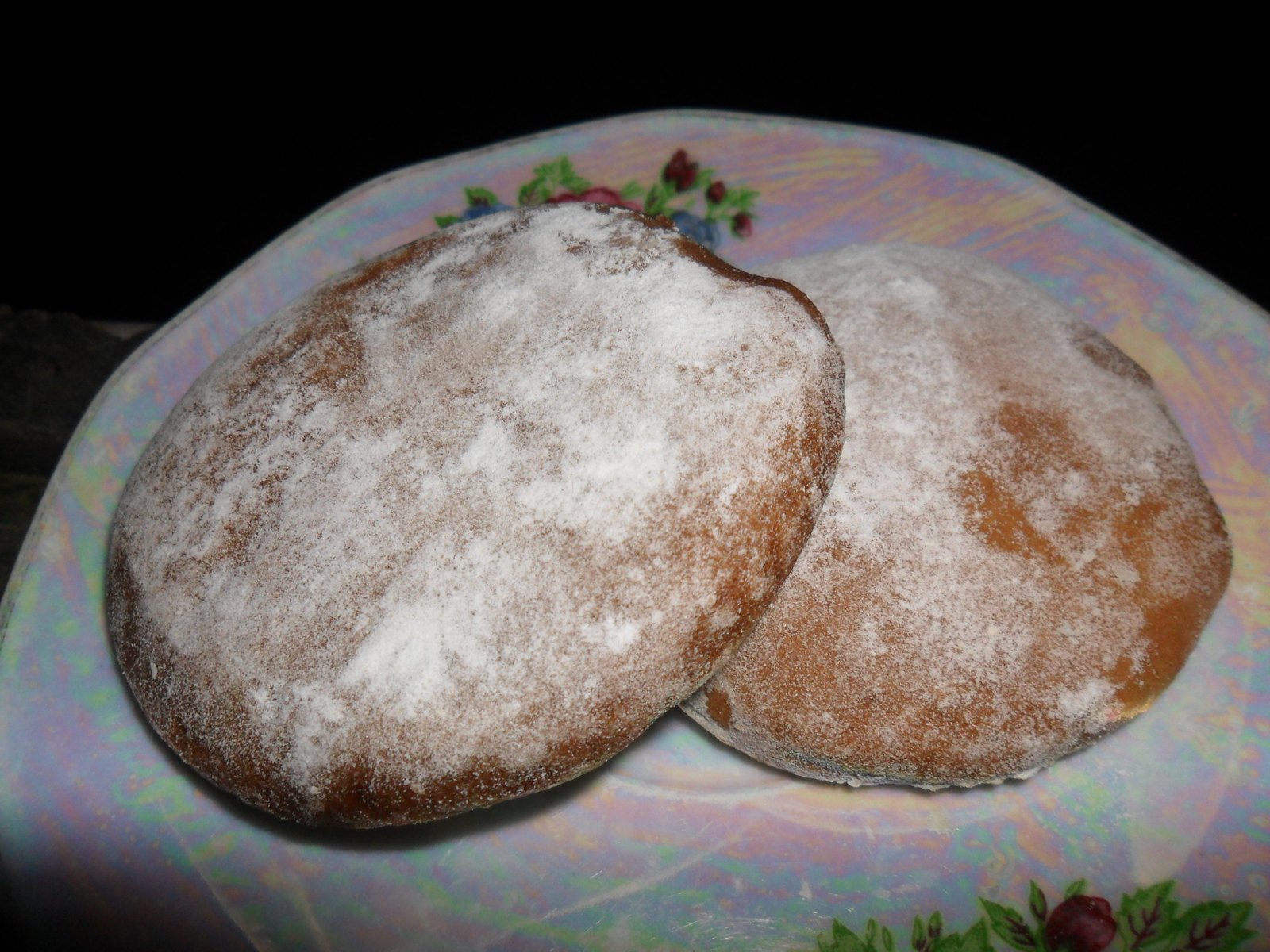
The name ilat sapi refers to the snack’s tongue-like shape and colour, not to a filling of beef tongue. Kotawaringin Barat’s government presents it as a traditional Pangkalan Bun food made from flour, with a sweet taste and soft texture. Its appeal is modest and familiar: the kind of local purchase that fits a pause over tea or coffee rather than a formal restaurant meal.
experience
White and brown versions reflect differences in the sugar used. Do not assume that every packet will have the same colour, sweetness or texture. Ask the seller which version they make and, where tasting is offered, compare a small portion before buying a larger supply. The snack provides a useful contrast to savoury fish crackers and the substantial cassava soup associated with the town.
planning
Small shops and souvenir-food sellers are sensible places to ask for ilat sapi. Availability depends on the producer and day, so avoid planning an entire outing around an unconfirmed shop listing. For travel, check the packing date, ingredients and storage advice on the packet or with the maker. Let the seller explain how best to carry it in a warm climate. The name alone does not establish ingredients or suitability for a particular diet; recipes can vary.