Range and habitat
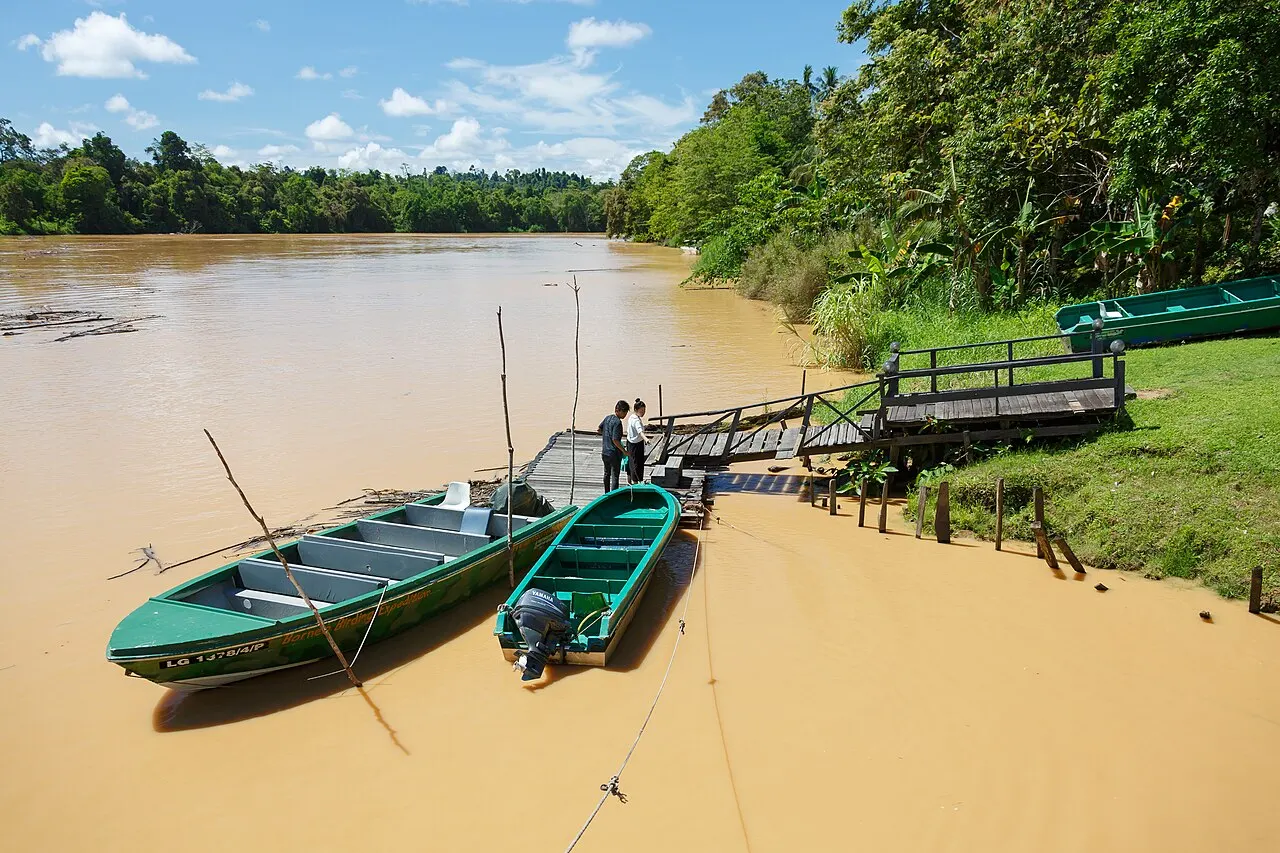
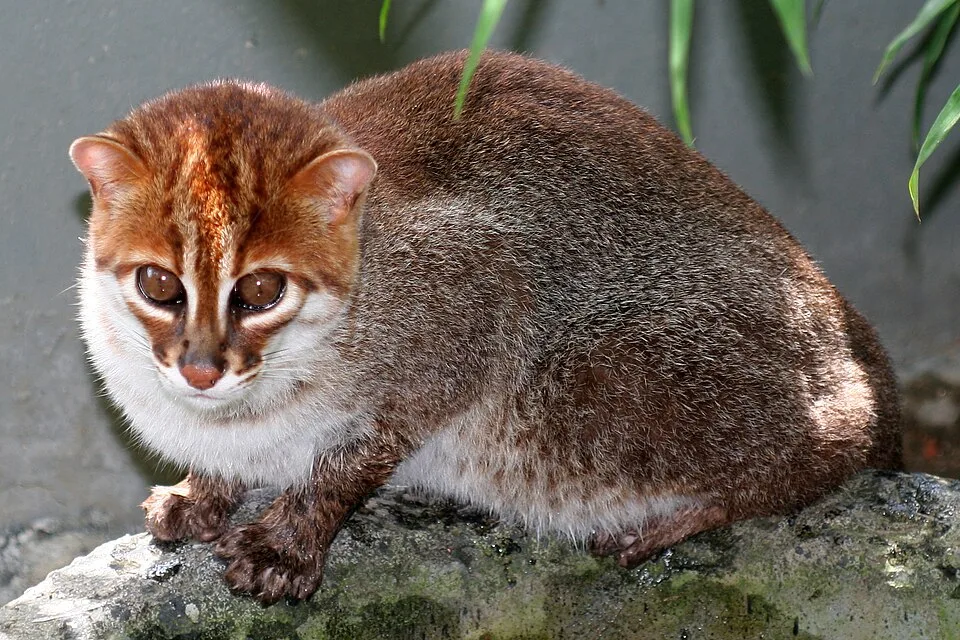
This Sunda-region cat is closely tied to lowland wetlands: riverine forest, streams and peat-swamp forest. Borneo camera records include the Sebangau catchment; Kinabatangan riverbanks also have documented records. It has a narrow head, small ears, partly webbed feet and a short tail.
Sources & references · 3
American Society of Mammalogists, MDD v2.5 · Prionailurus planiceps: taxonomyIUCN SSC Cat Specialist Group · Flat-headed cat: status, habitat and ecologyIUCN Red List / Cat Specialist Group · Flat-headed cat Red List profileFood and daily life
Fish and other aquatic prey are important in the available dietary evidence; fish and shrimp remains have been found in stomachs. Sebangau camera monitoring recorded activity mostly after midnight, with some daytime records. Wild social and reproductive behaviour remains poorly known.
Sources & references · 3
American Society of Mammalogists, MDD v2.5 · Prionailurus planiceps: taxonomyIUCN SSC Cat Specialist Group · Flat-headed cat: status, habitat and ecologyIUCN Red List / Cat Specialist Group · Flat-headed cat Red List profileProtection and observation
The species is Endangered. Wetland conversion, degradation and polluted water threaten habitat and prey. A record beside a plantation does not establish that plantations replace forest habitat. Most people will encounter this elusive species through camera-monitoring results rather than a predictable guided sighting.
Sources & references · 3
American Society of Mammalogists, MDD v2.5 · Prionailurus planiceps: taxonomyIUCN SSC Cat Specialist Group · Flat-headed cat: status, habitat and ecologyIUCN Red List / Cat Specialist Group · Flat-headed cat Red List profileBuilt for catching slippery prey
A flattened, elongated skull and small, low-set ears give this cat its distinctive outline. Its reddish-brown coat contrasts with a pale chin and muzzle. The feet are narrow, with partial webbing; the claws retract less completely than in many other cats. Pointed teeth help hold slippery aquatic prey.
Sources & references · 1
IUCN SSC Cat Specialist Group · Flat-headed cat: status, habitat and ecologyWetlands that remain connected
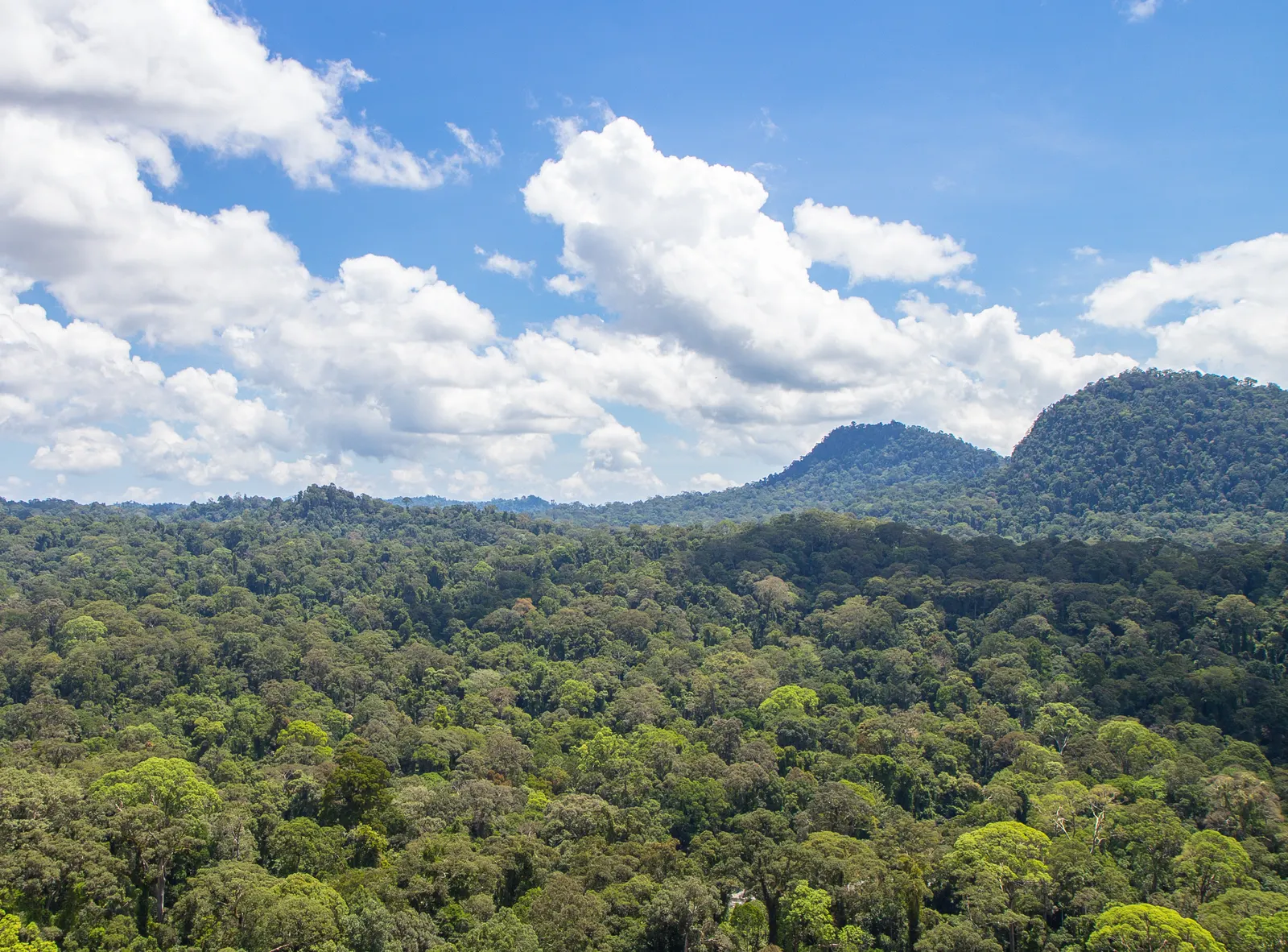
Borneo records concentrate in lowland settings, making river systems and surrounding forest particularly important. A wetland can lose its value even while some trees remain: drainage changes water levels, and pollution affects aquatic prey. Protecting this cat requires functioning freshwater habitat together with cover along the water, rather than forest area alone.