Appearance & recognition
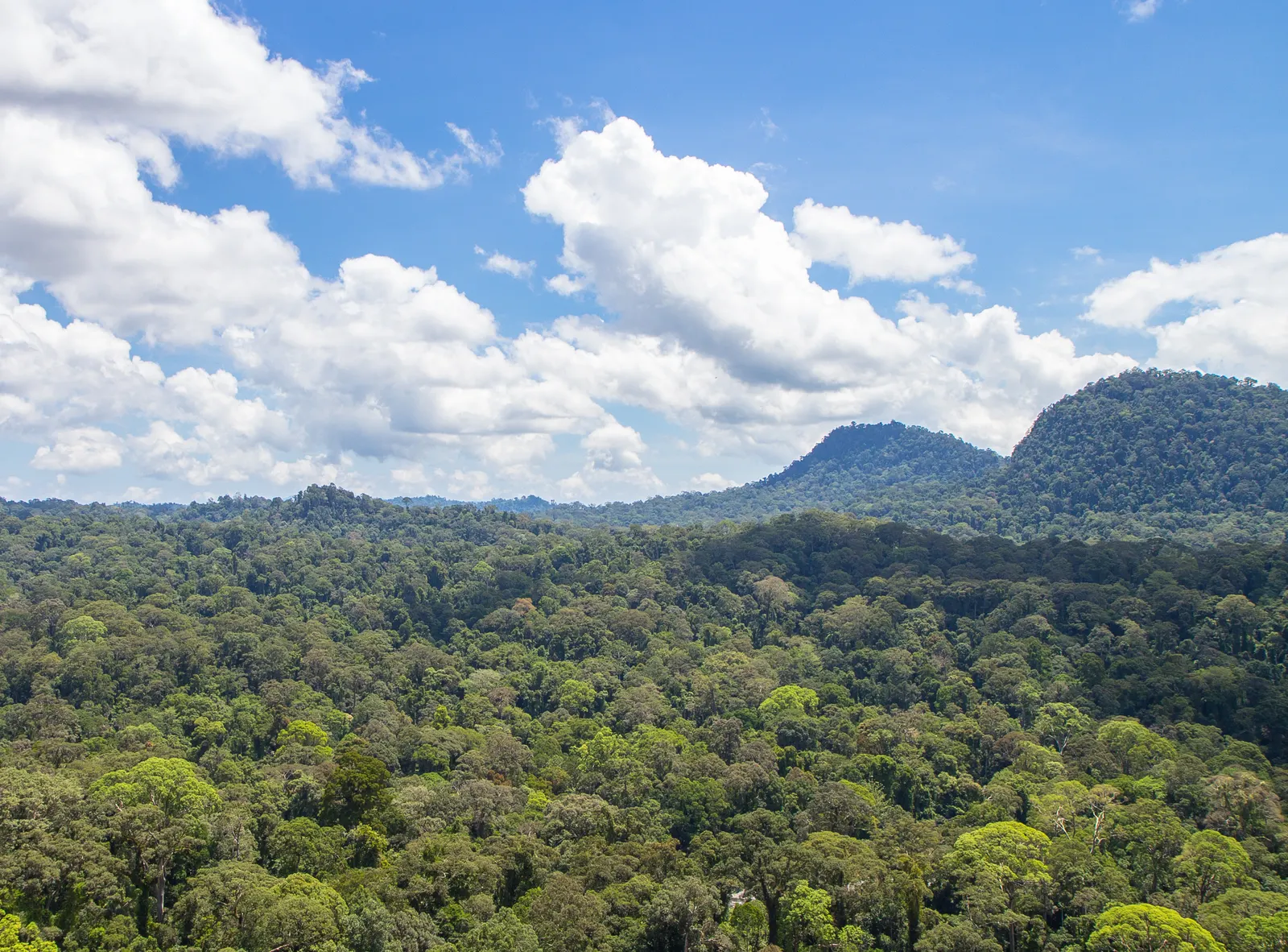
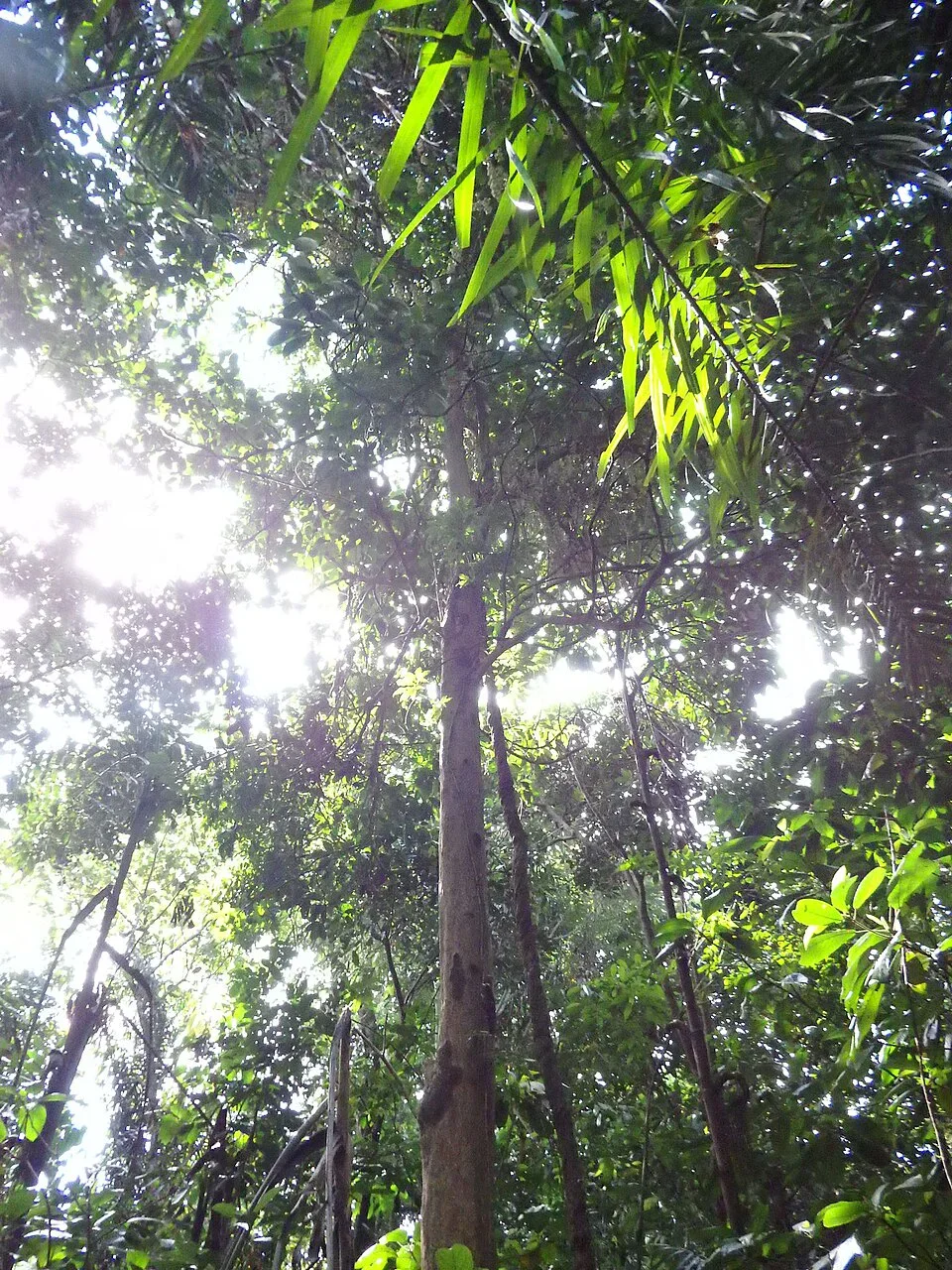
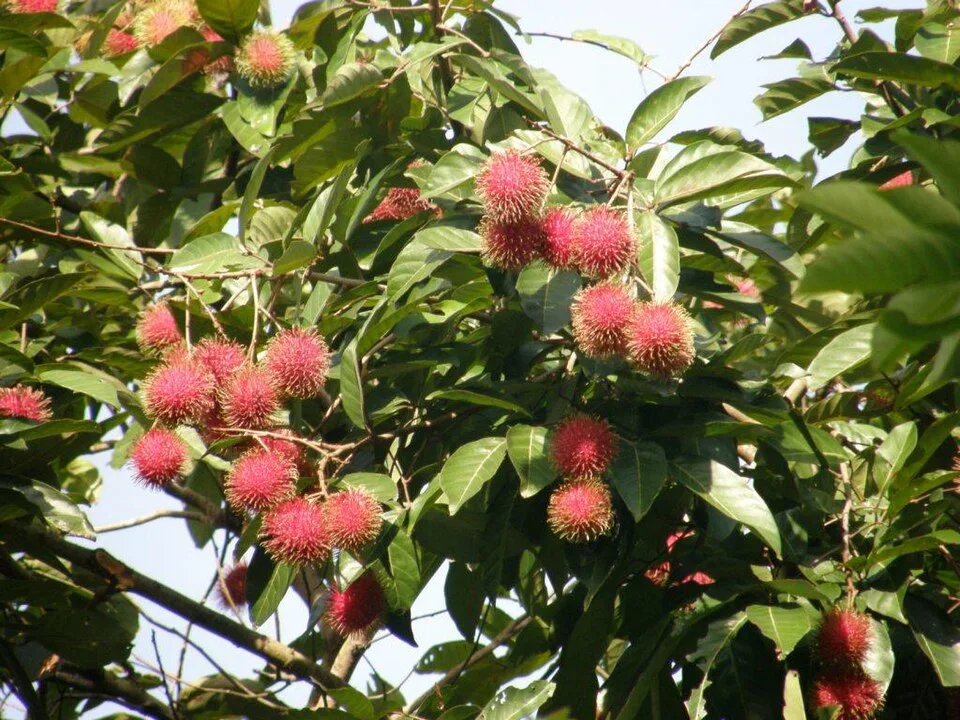
Rambutan is a Sapindaceae tree with pinnate leaves and fruit covered in soft hair-like projections. The familiar red or yellow exterior surrounds a white, juicy seed covering. That edible tissue is not the seed itself. Its native range includes the Malesian region, and cultivation brings forest fruit diversity into orchards and home gardens across Borneo.
Sources & references · 1
National Parks Board Singapore · Nephelium lappaceum — Flora & Fauna WebFlowers, fruits & reproduction
Small flowers occur in branching clusters and attract insects. Fruit set therefore begins with a process easily overlooked beside the colourful harvest. The sweet, translucent flesh is eaten fresh, while peel and seed are separated. Rambai may share a market stall and a similar-sounding name, but belongs to Phyllanthaceae and is a different fruit tree.
Sources & references · 1
National Parks Board Singapore · Nephelium lappaceum — Flora & Fauna WebEcological relationships
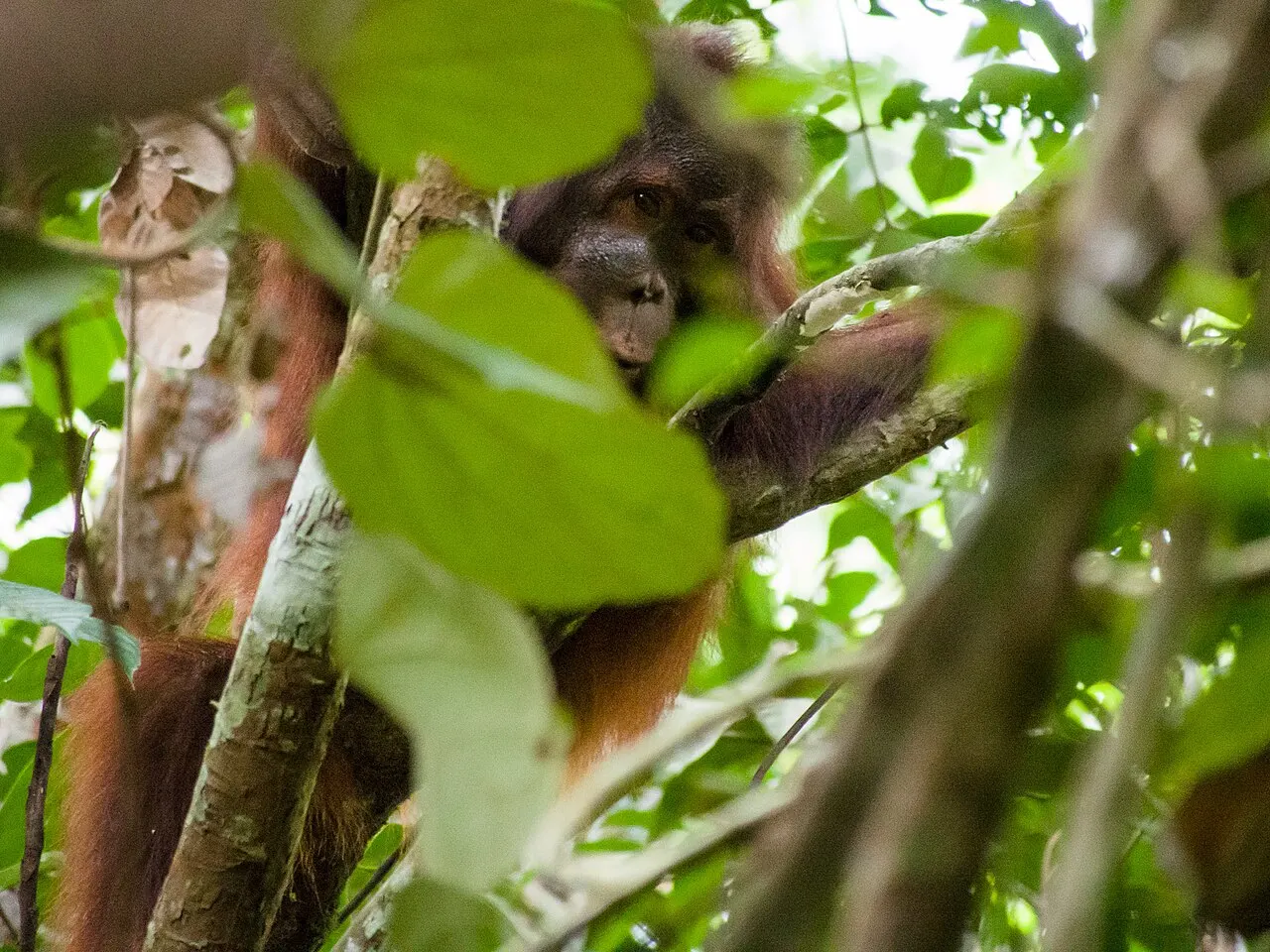
Rambutan appears among the Bornean orangutan food plants studied in Wehea–Kelay. The regional paper confirms the plant-level association, but its laboratory bark sampling does not establish the part eaten by the apes.