Where to walk
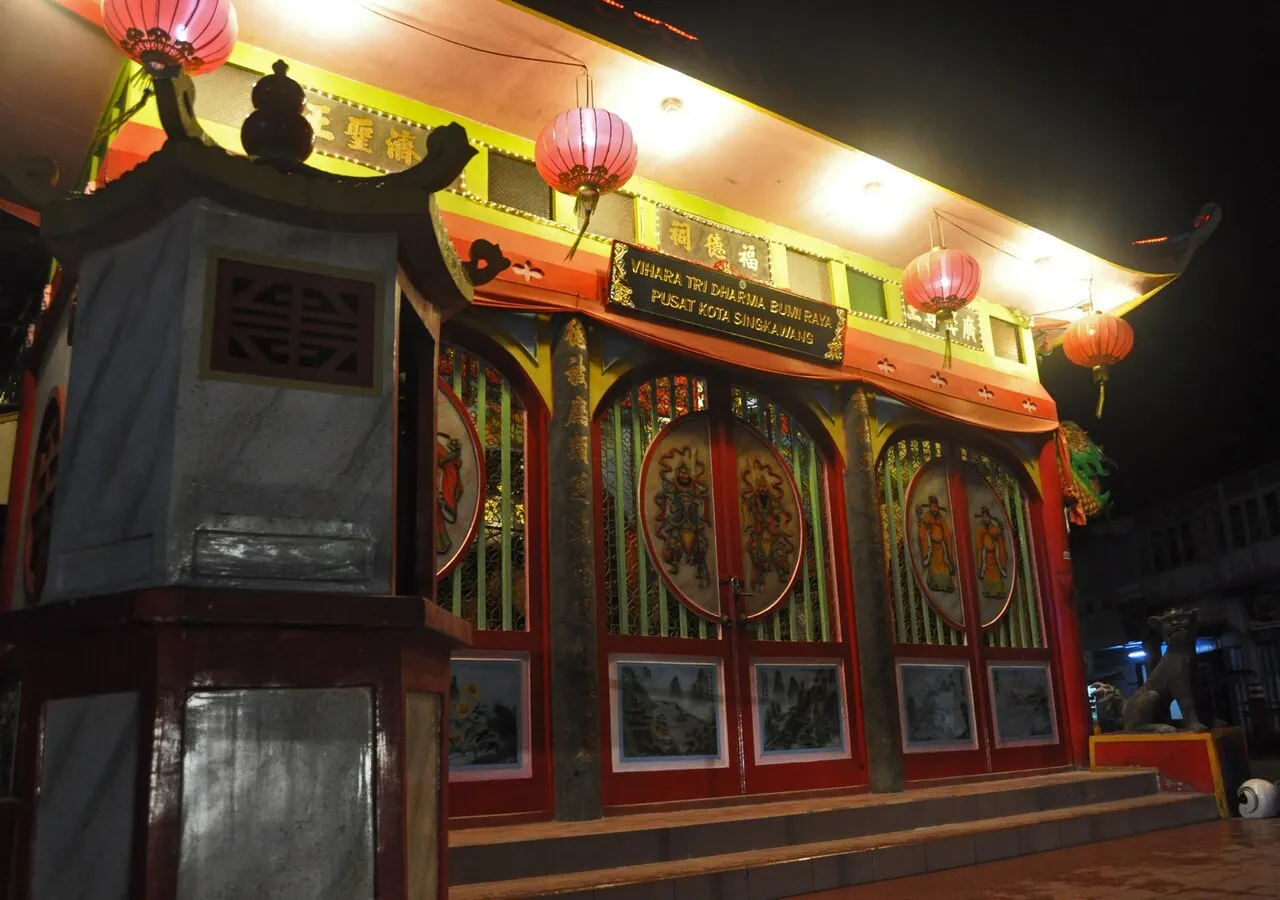
Singkawang lies in West Kalimantan, Indonesia. Start with the central area around Tri Dharma Bumi Raya temple and the surrounding streets, using the city centre as the focus rather than trying to cover the wider municipality on foot. The Indonesia tourism authority identifies the temple, local coffee culture and food stops among the city's visitor interests.
The temple is an active religious place. Look for the current visitor arrangements before entering and keep worship separate from sightseeing. A local guide can help explain inscriptions, architectural details and the relationships between the city's communities. Singkawang's Chinese heritage gives background for that discussion without suggesting that one building represents every resident's experience.
What you actually do
An unhurried outing can begin with a look around the temple area, continue through nearby commercial streets and pause at a kopitiam. Then choose a food stop rather than accumulating a long checklist of dishes. Choi pan is a useful starting point: learning about its wrapper, vegetable filling and preparation makes the meal part of understanding the place.
The national tourism guide also identifies the Tjhia house setting in connection with local food. Opening and service arrangements should be checked on the day, so build in another nearby eating option. Ask before photographing a kitchen or people preparing food, and make space for customers and worshippers. A hosted visit can offer introductions and explanation; an independent visitor can still enjoy the streets and public food businesses.
How long and how to arrive
Allow roughly half a day for a first cultural and food walk. Two to four hours of flexible exploration, with breaks, is more useful than trying to keep moving continuously in the heat. An overnight stay gives you another meal period and time to see the centre at a different pace. This is a suggested allowance, not a promise that particular shops open throughout that time.
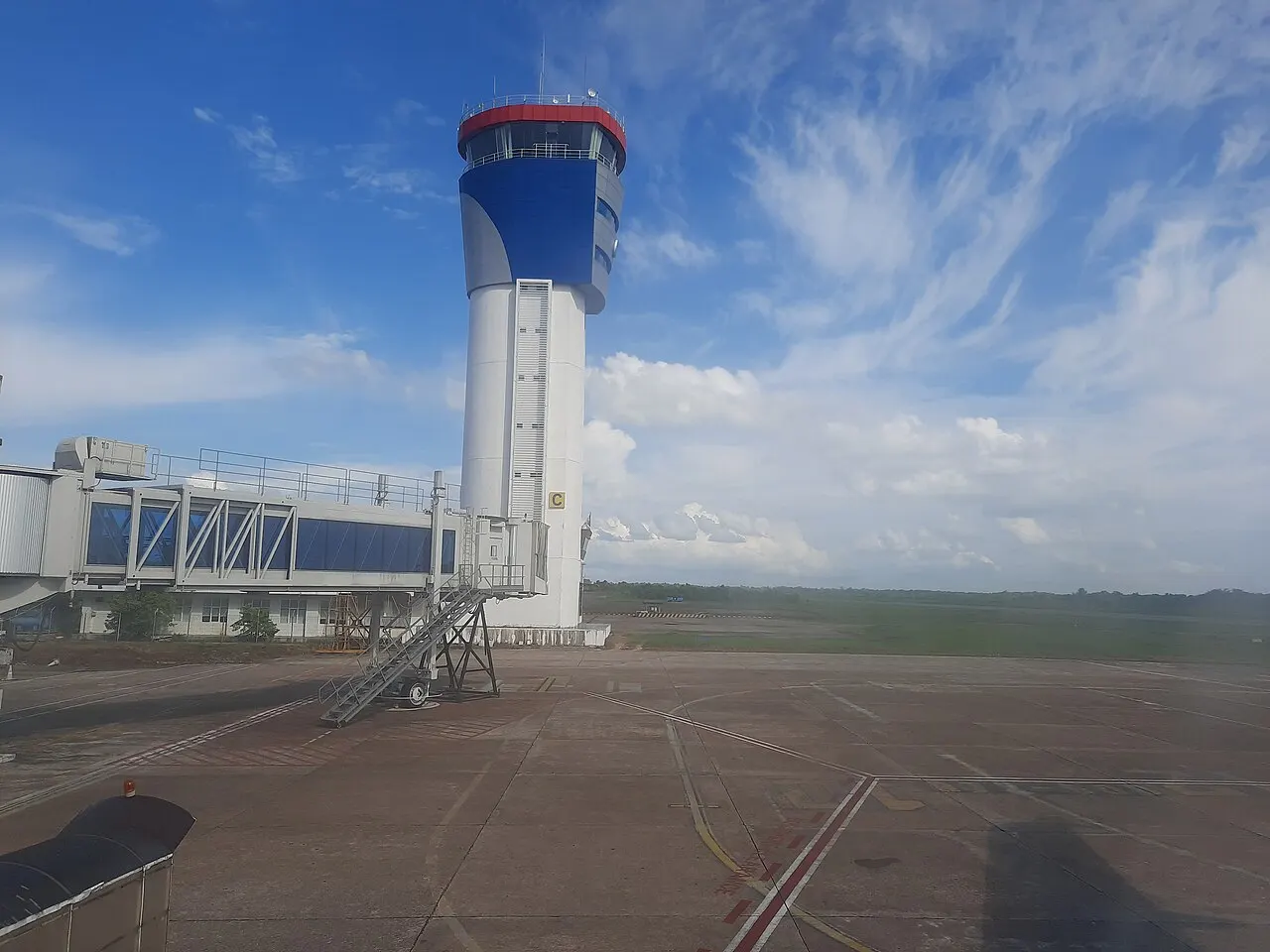
Pontianak is an established overland gateway, with Supadio Airport serving travellers arriving through the provincial capital. Plan the road transfer to Singkawang as a separate journey rather than treating the walking route as a quick stop next to the airport. Confirm the transport that fits your actual arrival; road conditions and flight options can change.
Where to stay and what to arrange
For this activity, staying in Singkawang is more convenient than travelling back to Pontianak after an evening meal. Choose a city hotel or guesthouse according to its distance from your intended walking area. Existing Pontianak accommodation pages are useful for a gateway night, but those hotels are not local bases for an early Singkawang walk.
Public streets and ordinary food businesses can be visited independently. A guide is recommended when you want cultural interpretation or help ordering and understanding dishes, rather than as a blanket access requirement. Arrange that guide in advance and agree the language, meeting place, food payments and approximate route. Individual religious sites may have visitor rules; buying a meal is separate from paying for a guided walk.
Timing, comfort and useful combinations
Earlier or later walking, with a seated break during the hotter part of the day, often makes a city outing more comfortable. Check the actual trading hours of your chosen food stops. Pavements, crossings, traffic and standing in the heat are the main practical considerations; ask about step-free access for specific venues when needed. Travellers with food allergies should discuss ingredients directly with the seller rather than relying on the dish's name.
Cap Go Meh is a major event in Singkawang, not an everyday feature of this activity. If that is your purpose, plan around the confirmed festival arrangements and book your stay accordingly. For an ordinary visit, combine the walk with more time exploring the city, a focused reading of its heritage, or a later Kapuas river experience from Pontianak. Those combinations extend the trip logically without pretending they belong to one walking circuit.