The story behind the name
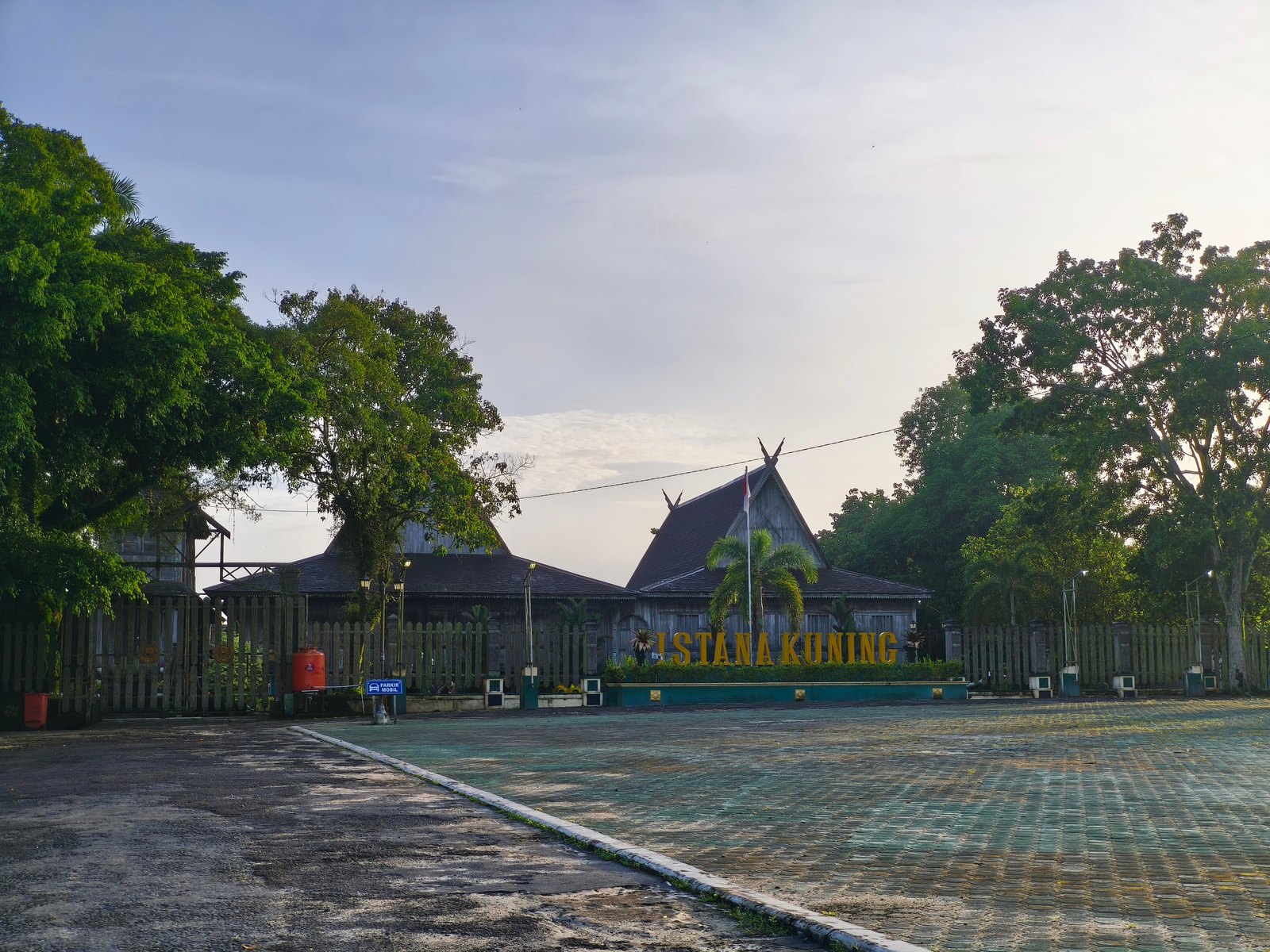
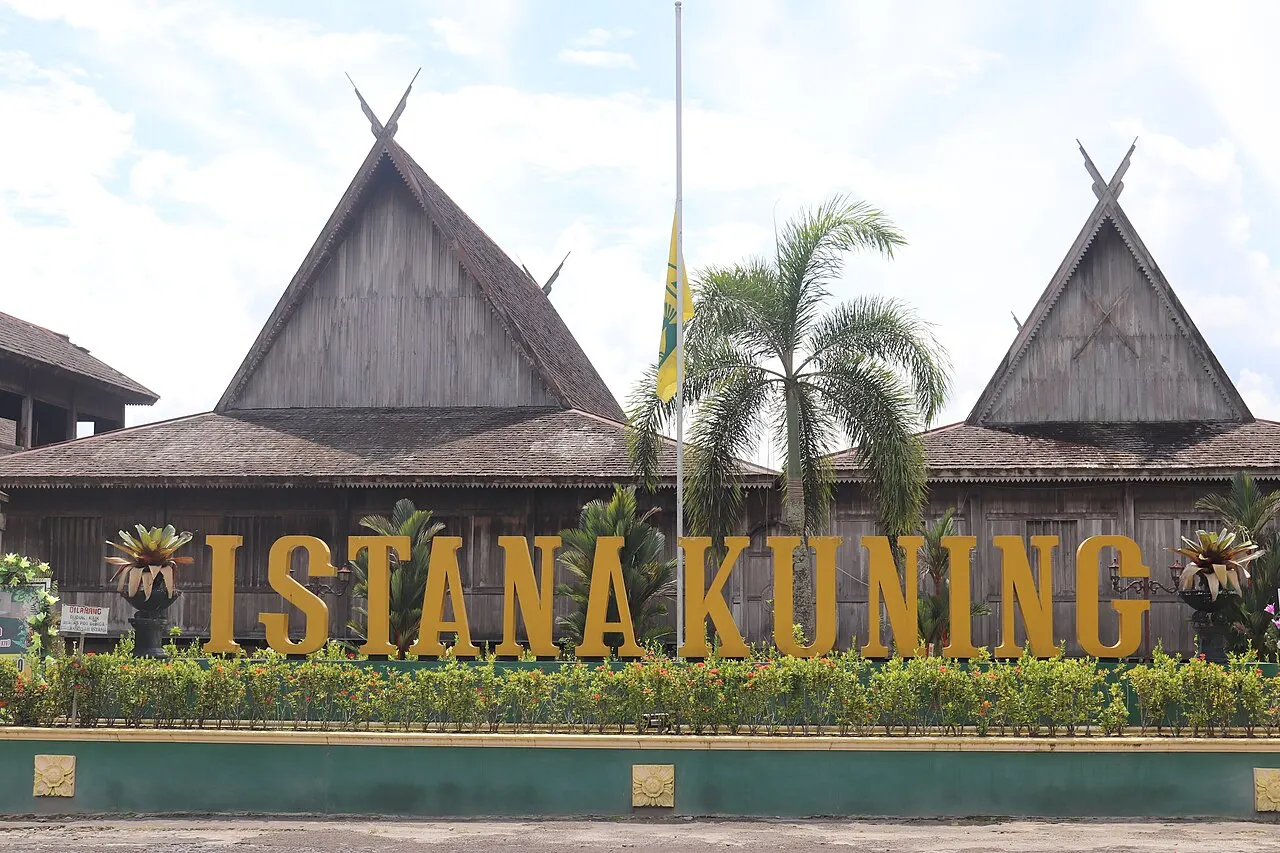
The district tourism authority describes a palace dominated by dark ulin timber rather than an entirely yellow exterior. Yellow in its name expresses prosperity and glory, with the colour present on some interior pillars. Its collections relate to the succession of Kutaringin rulers. This gives a visit a specific historical focus: the palace is not a generic model of every culture in Central Kalimantan. The authority also connects the site’s story with the transfer of the sultanate’s centre to the Arut River under Pangeran Ratu Muhammad Imanuddin.
Confirm access before visiting
Plan roughly an hour for a confirmed visit, allowing more time if someone is available to explain the collection. This is an editorial planning estimate, not a timed tour. Ask which rooms are open, whether interpretation is available in a language you understand, and what the current entry or donation arrangements are. The tourism description establishes the site’s identity but is not a current opening calendar. Confirm photography rules, footwear instructions and any restricted areas on arrival; do not touch collections or assume private spaces are accessible.
A heritage stop in Pangkalan Bun
Use Pangkalan Bun as the base and confirm the palace drop-off point with your driver or host. A precise public entrance has not been verified here, so use the site name rather than treating a town-centre map point as its doorway. Travellers with limited mobility should ask about stairs and assistance before committing. Combine the visit with time in town; keep transfers to Kumai or a Tanjung Puting boat journey as separately arranged parts of the trip. A palace stop should not be squeezed into a departure connection that leaves no margin for changed access.