Heritage explained by its hosts
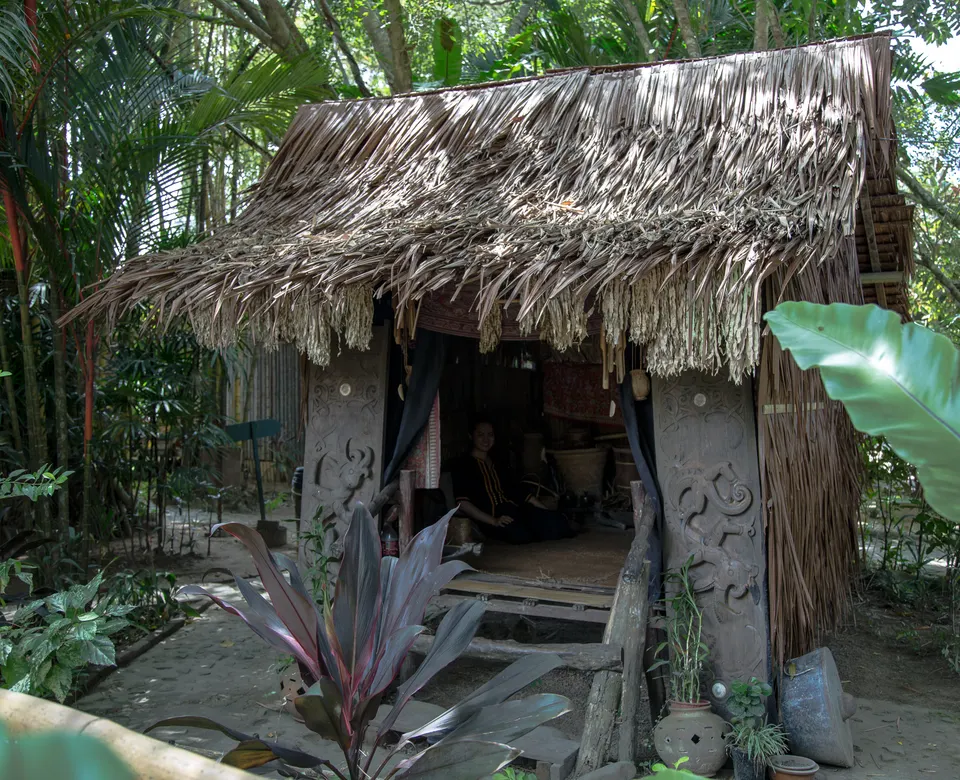
A hosted visit at Monsopiad places stories and objects in their community context. Listen to the interpretation rather than reducing the visit to a photograph of an unfamiliar tradition.


Penampang brings Kadazan-Dusun heritage, market life and the expanding urban neighbourhoods around Donggongon together. Spend time with local interpretation at Monsopiad or KDCA, look for regional ingredients at the tamu and explore beyond Kota Kinabalu’s waterfront. Penampang belongs to the adjoining urban region, but its communities, addresses and administrative boundary should not be folded into the neighbouring city.
2020 census: residents in DOSM-classified urban areas within Penampang district, excluding the rural population. This is a statistical urban subtotal, not the whole district or a newly measured continuous built-up boundary. Kota Kinabalu and Putatan are not included; this must not be presented as the population of Donggongon town alone.
A hosted visit at Monsopiad places stories and objects in their community context. Listen to the interpretation rather than reducing the visit to a photograph of an unfamiliar tradition.
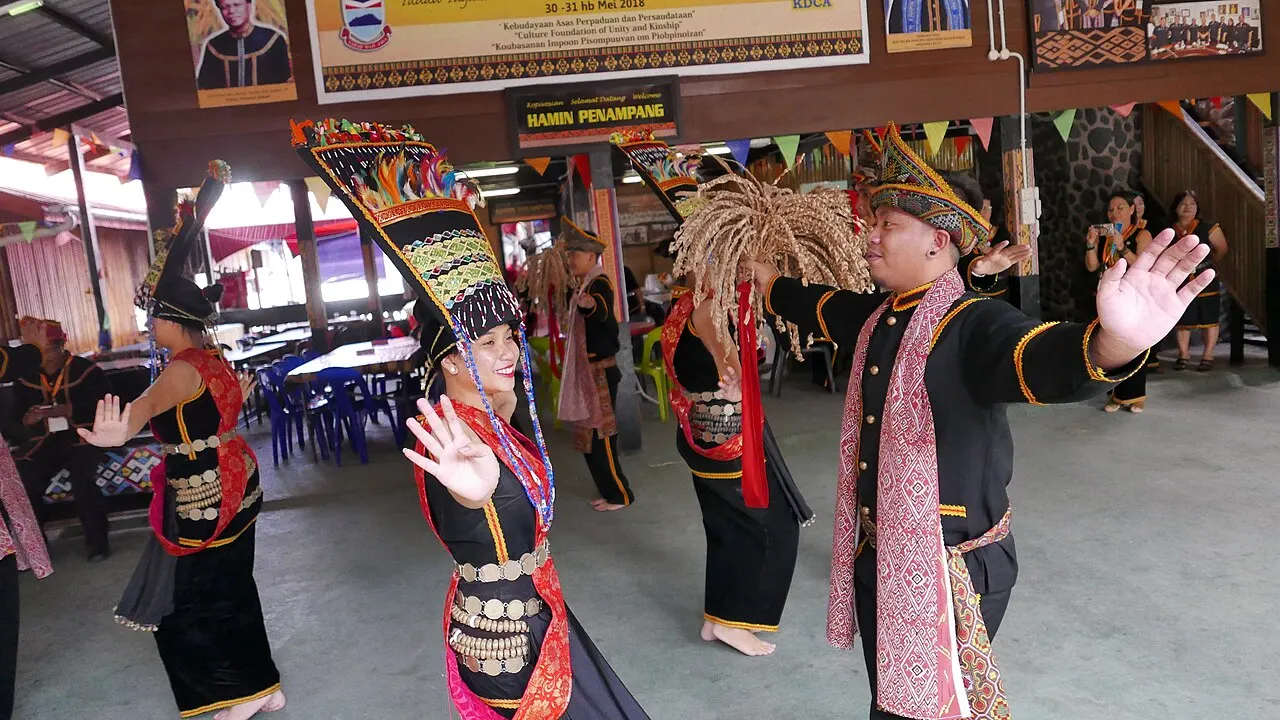
KDCA Cultural Village offers a structured way to explore Sabah’s cultural diversity. Arrange the full visit in advance rather than assuming a complete programme is available on arrival.
The tamu connects local ingredients, everyday shopping and conversation. Confirm the market schedule, browse respectfully and ask how unfamiliar products are used.
Explore Kadazan heritage through a focused visit to Monsopiad Heritage Village, within reach of Kota Kinabalu.
Explore furtherKDCA Cultural Village in Penampang introduces Sabah’s cultural diversity through a hosted visit. Arrange the programme in advance rather than assuming that a full tour operates on demand.
Explore furtherPogunon Community Museum gives Penampang’s local heritage a smaller, community-based setting. Include it as a focused museum visit, with access confirmed before travelling.
Explore furtherDonggongon’s tamu connects Penampang’s town life with produce, food and community exchange. Visit to browse and learn, with the current market day confirmed locally.
Explore further
St. Michael’s Church is part of Penampang’s cultural landscape and remains a place of worship. An exterior visit should be planned around the congregation, not the other way round.
Explore further
A hotel on the Jalan Pintas corridor in Penampang, rather than Kota Kinabalu’s waterfront centre.
Affiliate linkBekijk beschikbaarheid op Agoda
An ITCC hotel in Donggongon for a stay centred on urban Penampang.
Affiliate linkBekijk beschikbaarheid op Agoda
A local Bundusan hotel, useful for neighbourhood eateries and exploring Penampang by road.
Affiliate linkBekijk beschikbaarheid op Agoda
A Donggongon hotel on the Penampang–Papar road, convenient for visits around the town.
Affiliate linkBekijk beschikbaarheid op Agoda
A simple shoplot hotel in Bundusan Square, amid Penampang’s everyday commercial area.
Affiliate linkBekijk beschikbaarheid op Agoda
A budget address in Bundusan Plaza; its Penampang location is separate from downtown Kota Kinabalu.
Affiliate linkBekijk beschikbaarheid op Agoda
A simple inn in Taman Rainfield on the Kobusak side of urban Penampang.
Affiliate linkBekijk beschikbaarheid op Agoda
A local hotel at Beverly Hills Plaza in Bundusan, suited to a practical Penampang stay.
Affiliate linkBekijk beschikbaarheid op Agoda
A budget hotel at Kepayan Point on Jalan Pintas, within the wider urban Penampang corridor.
Affiliate linkBekijk beschikbaarheid op AgodaPenampang’s Kadazan-Dusun heritage is not confined to a single performance. It appears in food knowledge, family histories, community places and the way hosts explain their traditions. Monsopiad and KDCA offer different forms of interpretation. Approach them with questions and time to listen, rather than expecting every community to share one costume, story or ceremony.
Explore furtherThe urban fabric around Kota Kinabalu extends toward Penampang, yet local identity does not disappear at the edge of a map. Donggongon’s shops and tamu remain useful places to see daily exchange. A visit works best with precise addresses and modest travel plans: communities, cultural sites and commercial areas are linked by roads, not one convenient tourist promenade.
Explore furtherLocal dishes and everyday food traditions.
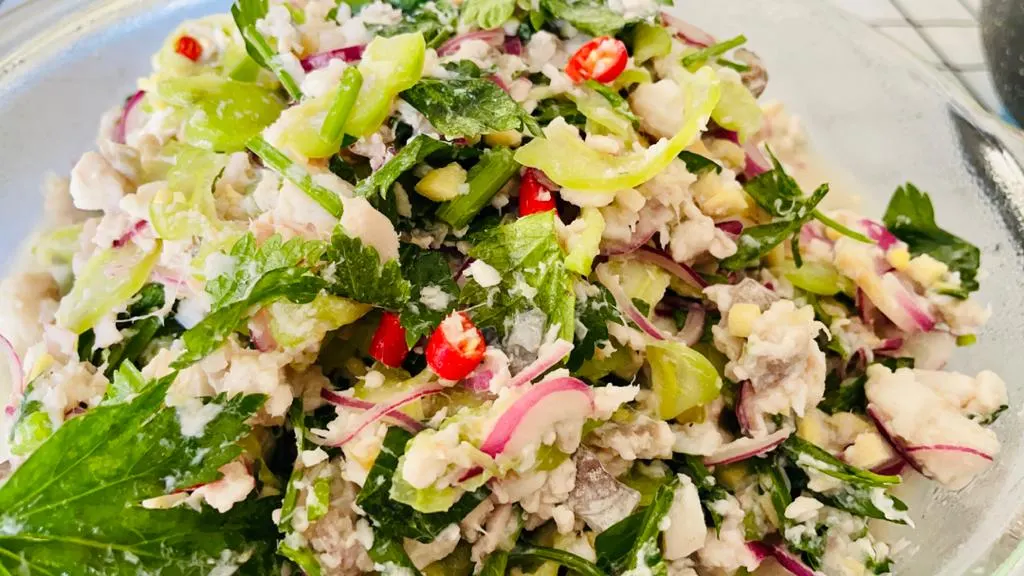
Hinava brings together finely sliced fish, lime, ginger and chilli in a bright Sabahan dish. Its fresh-tasting acidity and aromatic crunch make it a distinctive introduction to Kadazandusun food…
Explore furtherPinasakan is a Sabahan fish dish braised with souring ingredients and turmeric until the liquid is reduced. Its concentrated savoury and gently sour flavour pairs with rice or ambuyat.
Explore furtherTuhau is a strongly aromatic Sabahan ginger ingredient used in condiments and side dishes. Its tender shoots bring a pungent accent to rice meals, with pickled and sambal preparations…
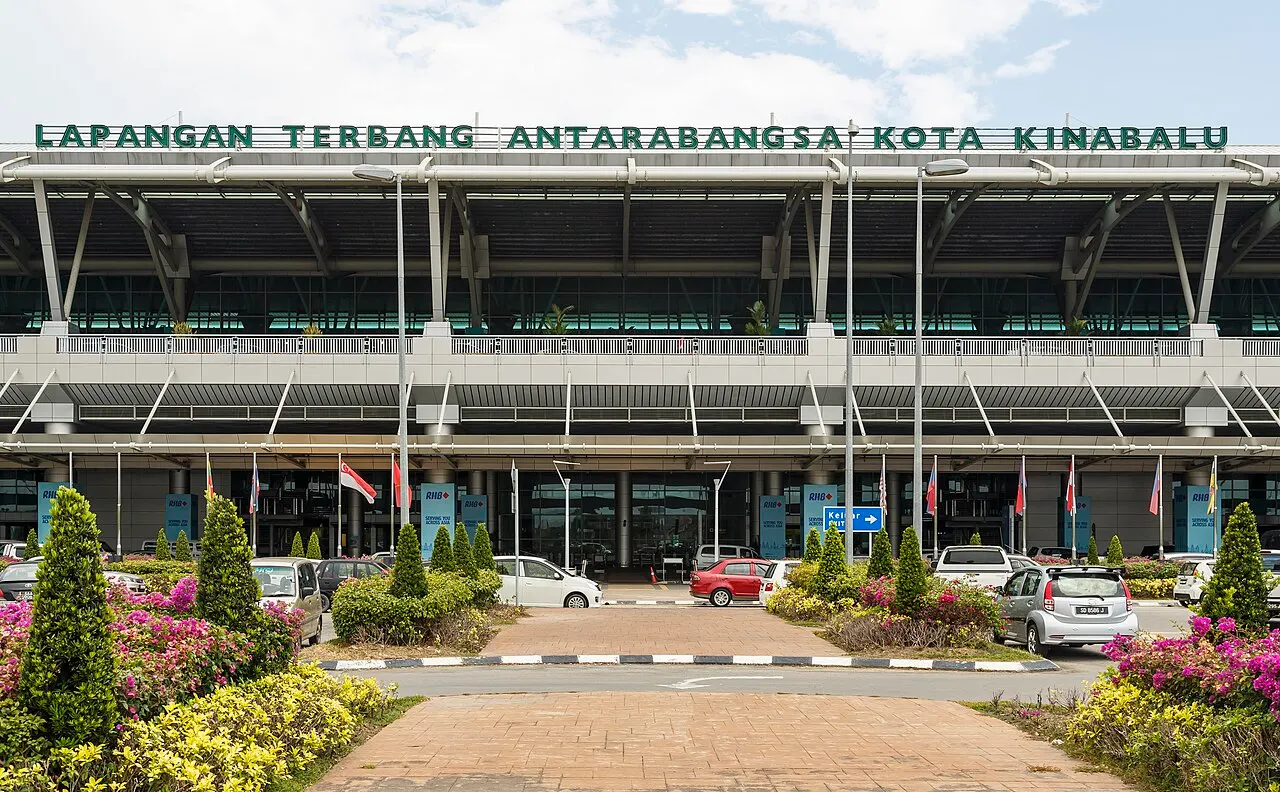
Explore furtherUse Kota Kinabalu International Airport, then arrange a road transfer to Penampang. The airport is outside Penampang.
Explore furtherPlan around Donggongon, Bundusan and each cultural site’s actual address; use a vehicle between separated areas.
Check tamu and cultural programmes separately; a festival visit has different arrangements from an ordinary week.
Ask before photographs, dress respectfully and confirm ingredients in unfamiliar dishes.
Penampang adjoins Kota Kinabalu’s urban area in western Sabah, with Donggongon and Bundusan among its familiar visiting areas. It is not a synonym for Kota Kinabalu or Putatan. The population figure covers DOSM-classified urban areas within Penampang district, excluding rural residents and neighbouring districts; it is not the count for Donggongon alone.
Explore Donggongon’s shops and visit the tamu if the confirmed schedule fits. Ask about local ingredients and choose a meal that introduces you to the area’s cooking.
Arrange Monsopiad or a full KDCA programme ahead of time. Add a second visit only when travel and programme times allow; leave space to listen and ask questions.
If access is confirmed, visit Pogunon Community Museum or St. Michael’s Church outside services. Keep the airport transfer separate and allow for urban traffic.
From a first idea to your own Borneo journey.
History, culture and the practical details that make a visit richer. Open a chapter to read the complete guide.
Penampang brings Kadazan-Dusun heritage, market life and the expanding urban neighbourhoods around Donggongon together. Spend time with local interpretation at Monsopiad or KDCA, look for regional ingredients at the tamu and explore beyond Kota Kinabalu’s waterfront. Penampang belongs to the adjoining urban region, but its communities, addresses and administrative boundary should not be folded into the neighbouring city.
Begin with Donggongon as a lived-in town rather than looking for a single historic core that explains all of Penampang. The shops and tamu show contemporary exchange, while cultural institutions offer more focused interpretation. Each represents a particular setting, not every Kadazan-Dusun community in the same way.
Monsopiad is best approached through its hosts and the context they provide. KDCA Cultural Village offers another kind of introduction and requires advance arrangements for its full programme. Do not assume that an event photograph describes an ordinary day’s visit.
Pogunon Community Museum and St. Michael’s Church can add local historical perspectives when access is available. The church remains a place of worship. Confirm visiting arrangements and avoid scheduling a sightseeing stop through services or private community activity.
Penampang is part of the wider urban region beside Kota Kinabalu, but the district also extends beyond its built-up areas. This page focuses on the urban visiting area and explicitly identified cultural sites. It does not treat the whole rural district as one walkable city.
Move between Donggongon, Bundusan and individual destinations using their actual addresses. Riverbanks, villages and open land may be privately used or have no visitor access; a landscape view does not establish a public trail. Ask hosts where visitors are welcome.
For a short stay, leave the more distant countryside for a separately researched trip. Local culture, markets and community history already make a full programme. Rain can affect exposed grounds and traffic, so keep a practical indoor or sheltered alternative.
Hinava, pinasakan and tuhau introduce different elements of the food traditions associated with Penampang’s communities. Hinava commonly uses uncooked fish, pinasakan is a prepared fish dish, and tuhau is an aromatic ingredient or condiment. Ask how each version is made rather than expecting one universal recipe.
The tamu is useful for seeing ingredients before they reach the table. Vendors can explain how a product is prepared, but ask politely and avoid blocking customers. A purchase and a brief conversation are often a better introduction than a long photo session.
Kaamatan gives food and community gatherings a particular seasonal context. Outside festival periods, look for ordinary meals and hosted interpretation. Do not assume ceremonial dishes or performances are offered daily, or that every restaurant follows the same dietary practices.
Use the full accommodation address to distinguish Penampang from Kota Kinabalu and Putatan. Postal references and booking search areas can overlap, so the name shown in a search result is not enough. The map location and the actual neighbourhood should agree.
Kota Kinabalu International Airport is the practical air gateway, but it lies outside Penampang. Plan a separate road transfer and allow for traffic across the urban region. Arrange pickups from cultural sites, especially when a visit ends away from the main shopping streets.
Confirm hosted programmes and museum access before departure. Bring small cash for the tamu, clothing suitable for religious or cultural visits and rain protection. Ask before portraits or entering community spaces. A short, well-arranged programme is preferable to arriving unannounced at several places that need reservations.
Loading this map connects your browser to Google. Google receives your IP address and browser information and may use cookies under its own privacy policy. This choice applies only to this map until you leave or reload this page; it does not enable Analytics.
sabahtourism.com · monsopiad heritage village
sabahtourism.com · kdca cultural village
www.penampangtourism.com · food you must try
museum.sabah.gov.my · exhibition
mppenampang.sabah.gov.my · warisan budaya dan sejarah
Aerial view of Donggongon and Penampang in 2007; historical photograph.Jason Thien · Wikimedia Commons · CC BY 2.0 · Cropped · Original
A dwelling presented at Monsopiad Cultural Village, photographed in 2013.CEphoto, Uwe Aranas · Wikimedia Commons · CC BY-SA 3.0 · Cropped · Original
A cultural group performs at the Kaamatan Festival in Penampang.Ricardo Unto · Wikimedia Commons · CC BY-SA 4.0 · Cropped · Original
St Michael Church in Donggongon, Penampang, photographed in 2012.CEphoto, Uwe Aranas · Wikimedia Commons · CC BY-SA 3.0 · Cropped · Original
Hinava made with mackerel, a Sabah dish.Terencetulus · Wikimedia Commons · CC BY-SA 4.0 · Cropped · Original
Terminal 1 at Kota Kinabalu International Airport, Sabah, Malaysia.CEphoto, Uwe Aranas · Wikimedia Commons · CC BY-SA 3.0 · Cropped · Original
Mount Kinabalu above the surrounding hills.Anton Zelenov · Wikimedia Commons · CC BY-SA 4.0 · Cropped · Original
Kota Kinabalu city centre seen from the air.Jason Thien · Wikimedia Commons · CC BY 2.0 · Cropped · Original
A dwelling presented at Monsopiad Cultural Village, photographed in 2013.CEphoto, Uwe Aranas · Wikimedia Commons · CC BY-SA 3.0 · Cropped · Original
Hinava made with mackerel, a Sabah dish.Terencetulus · Wikimedia Commons · CC BY-SA 4.0 · Cropped · Original