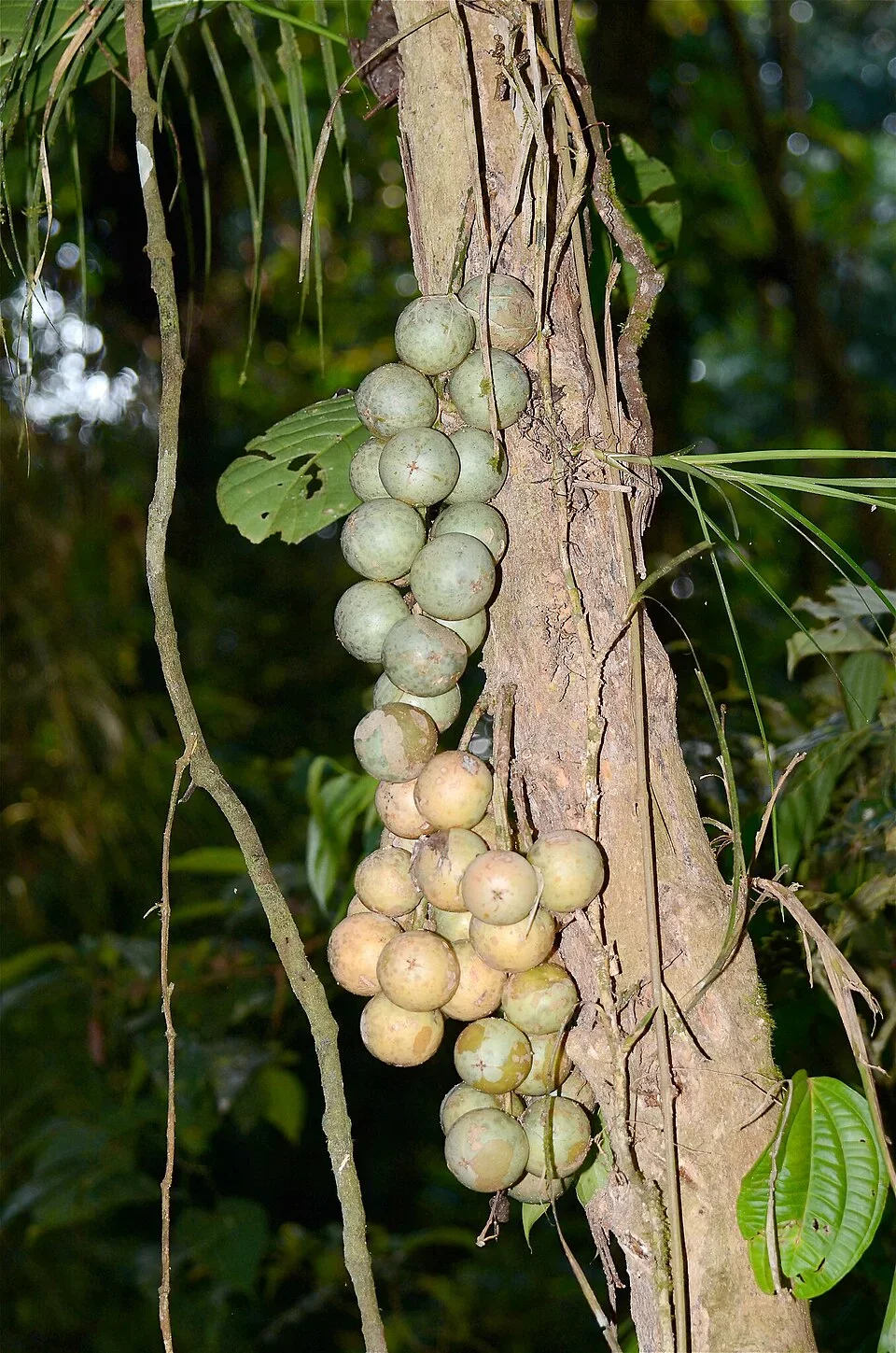
Appearance & recognition
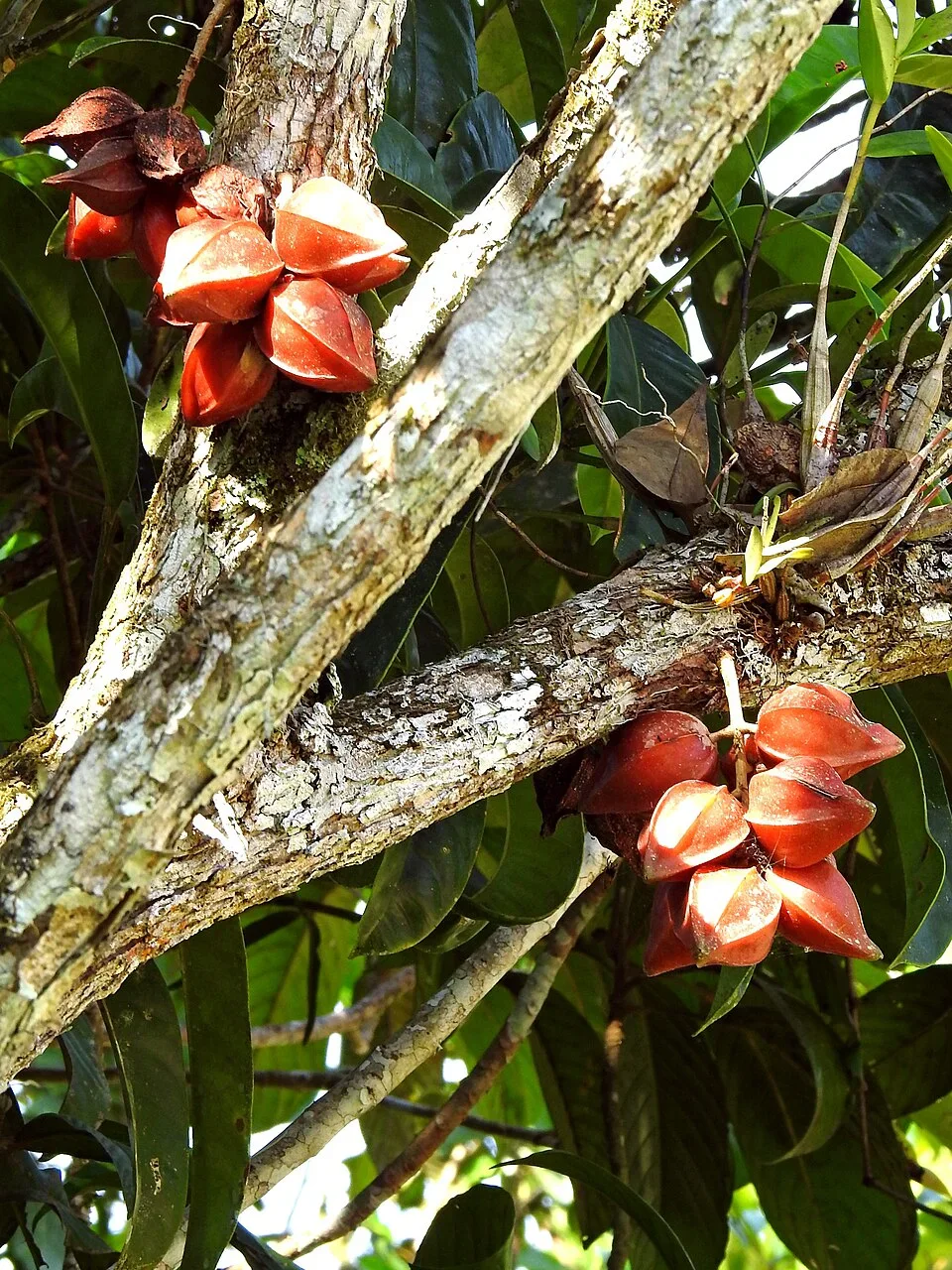
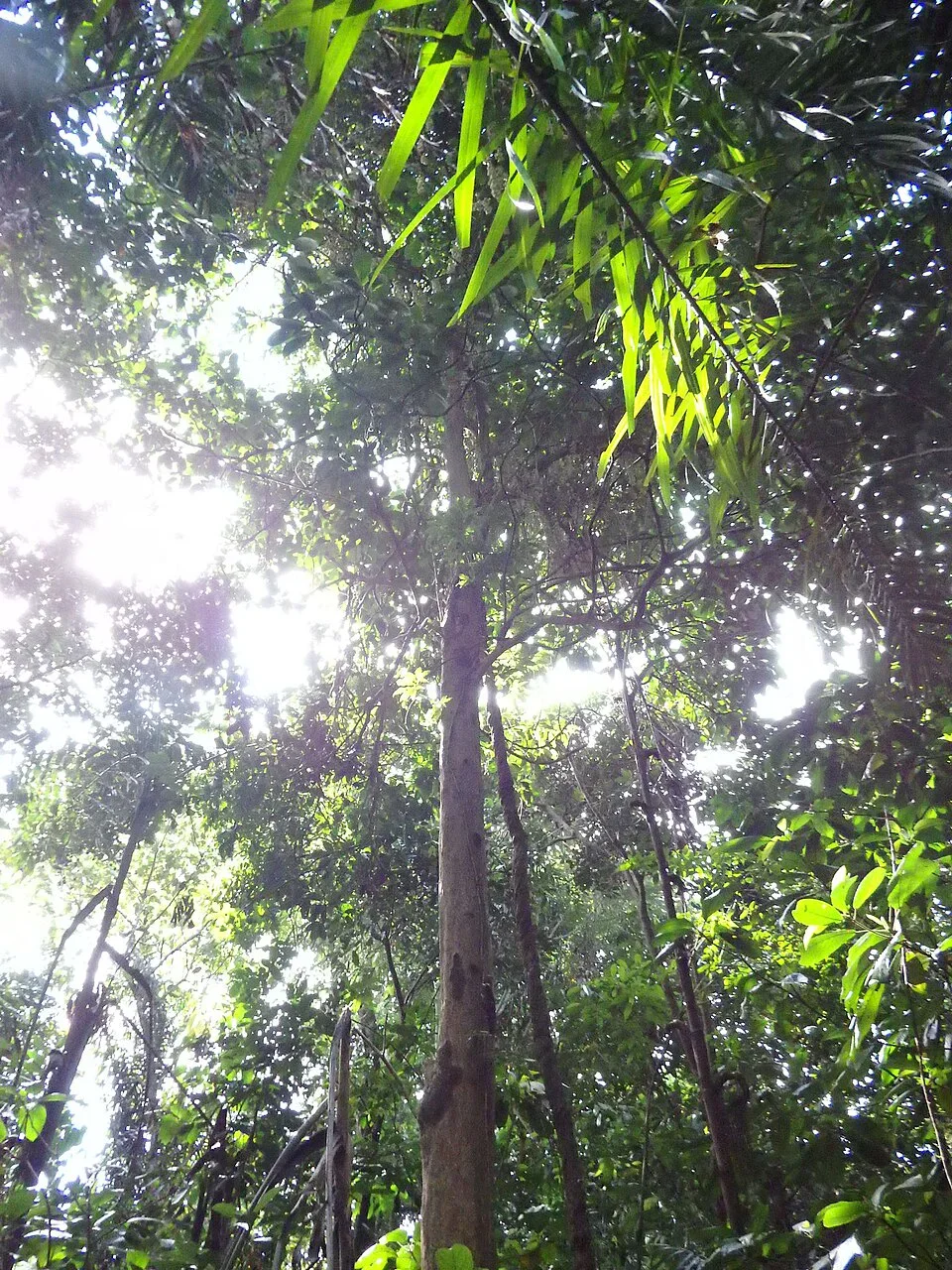
Liposu is a forest fruit tree in Phyllanthaceae, the family of rambai. Its accepted name is Baccaurea lanceolata; older accounts may place Baccaurea in the broader Euphorbiaceae. Regional names are useful alongside the scientific name, especially because several Baccaurea fruits enter local markets and cannot be distinguished by a generic label such as “wild fruit”.
Sources & references · 1
Naturalis, Blumea Supplement · Taxonomy, phylogeny and biogeography of BaccaureaEdible parts, flavour & texture
The fruit is valued for acidity rather than only dessert sweetness. Ethnobotanical accounts record its place among Bornean forest foods, while botanical revision establishes the tree’s identity and range. Sour fruit use is a culinary practice, not evidence of a medicinal effect. It also differs from Baccaurea angulata, whose conspicuously ridged skin provides another identification clue.
Sources & references · 1
Naturalis, Blumea Supplement · Taxonomy, phylogeny and biogeography of BaccaureaEcological relationships
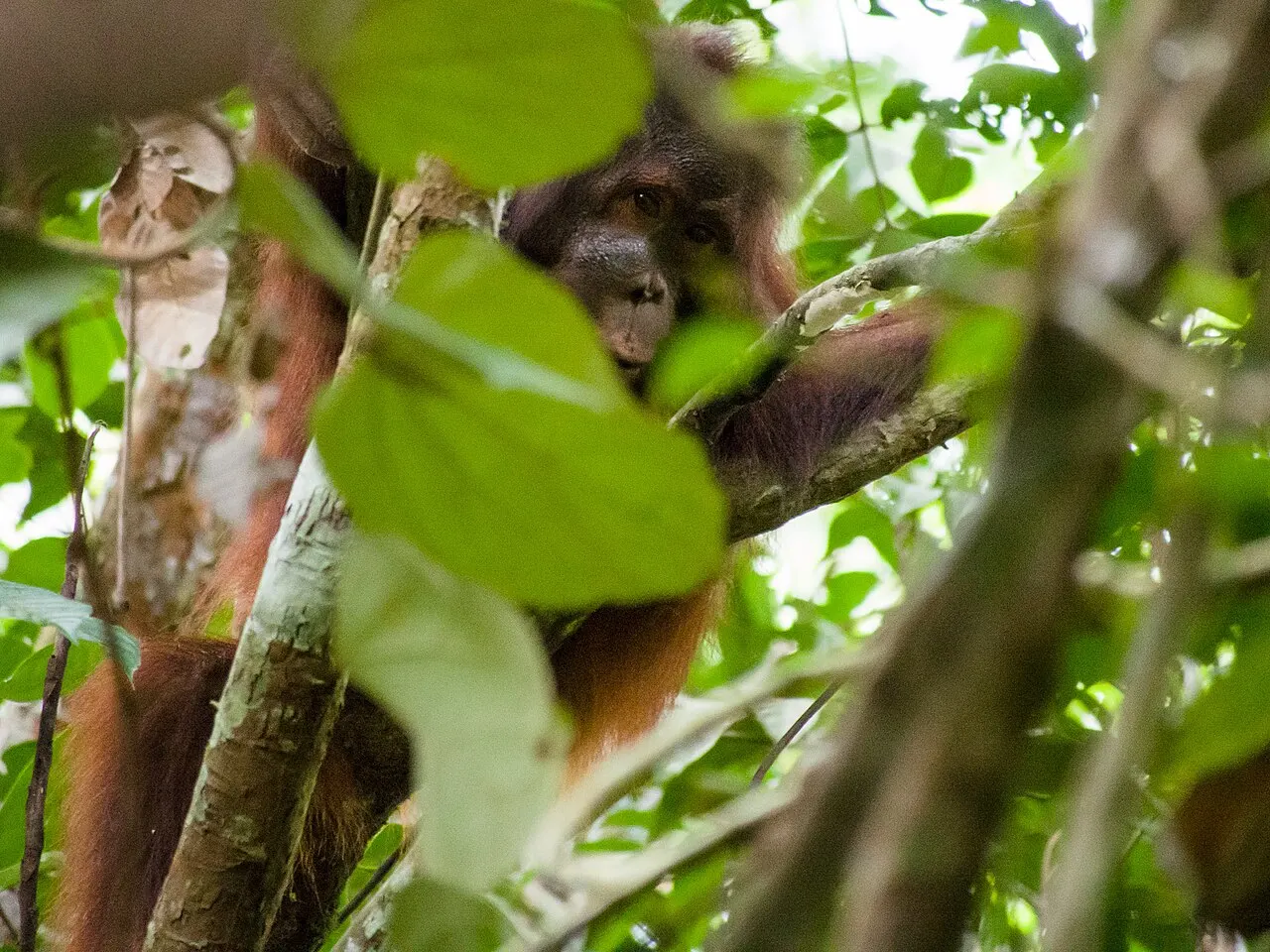
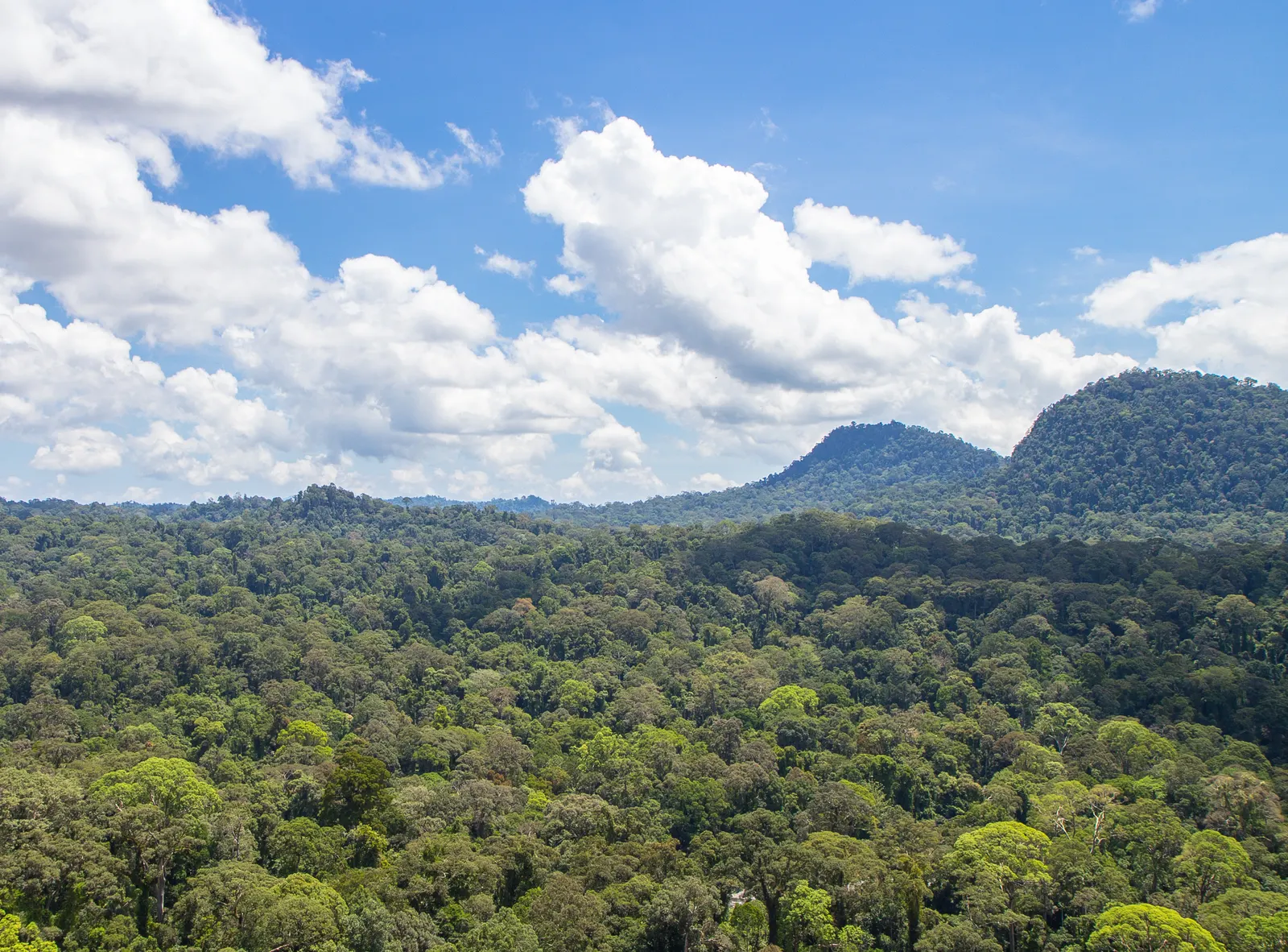
Liposu’s leaves also feed wildlife. At Danum Valley, Bornean orangutans were recorded eating Baccaurea lanceolata leaves, rather than its fruit, in the study’s species-level food list.