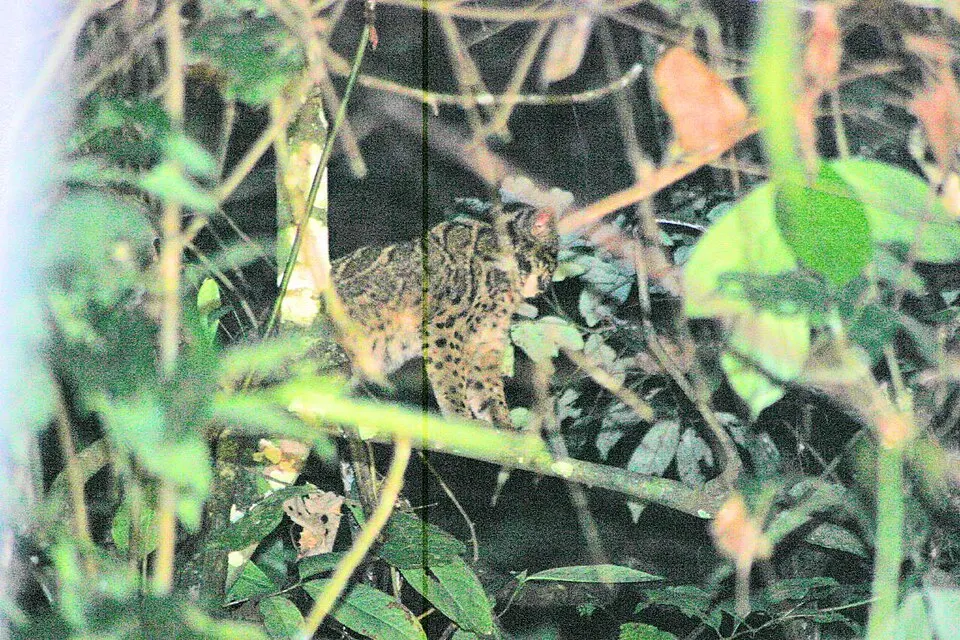
Identification
Neofelis diardi has dark cloud-shaped coat markings, a long tail and broad paws. It is distinct from the mainland clouded leopard, Neofelis nebulosa; a similar common name is not enough to identify a photograph. The species occurs on both Borneo and Sumatra, so it is not endemic to Borneo alone.
Sources & references · 2
University of Michigan Animal Diversity Web · Neofelis diardi species accountMammal Diversity Database · Neofelis diardiForest and habitat
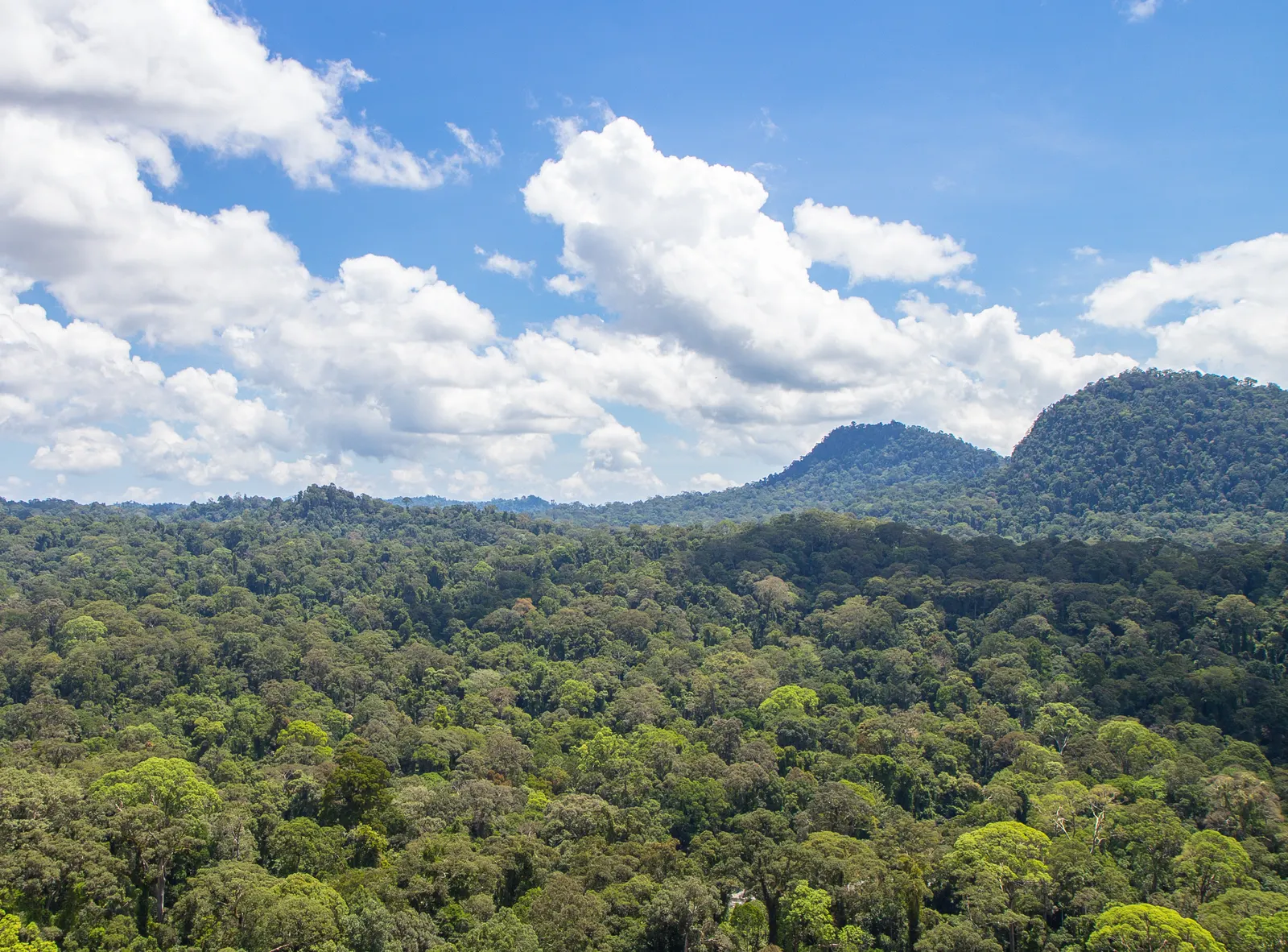
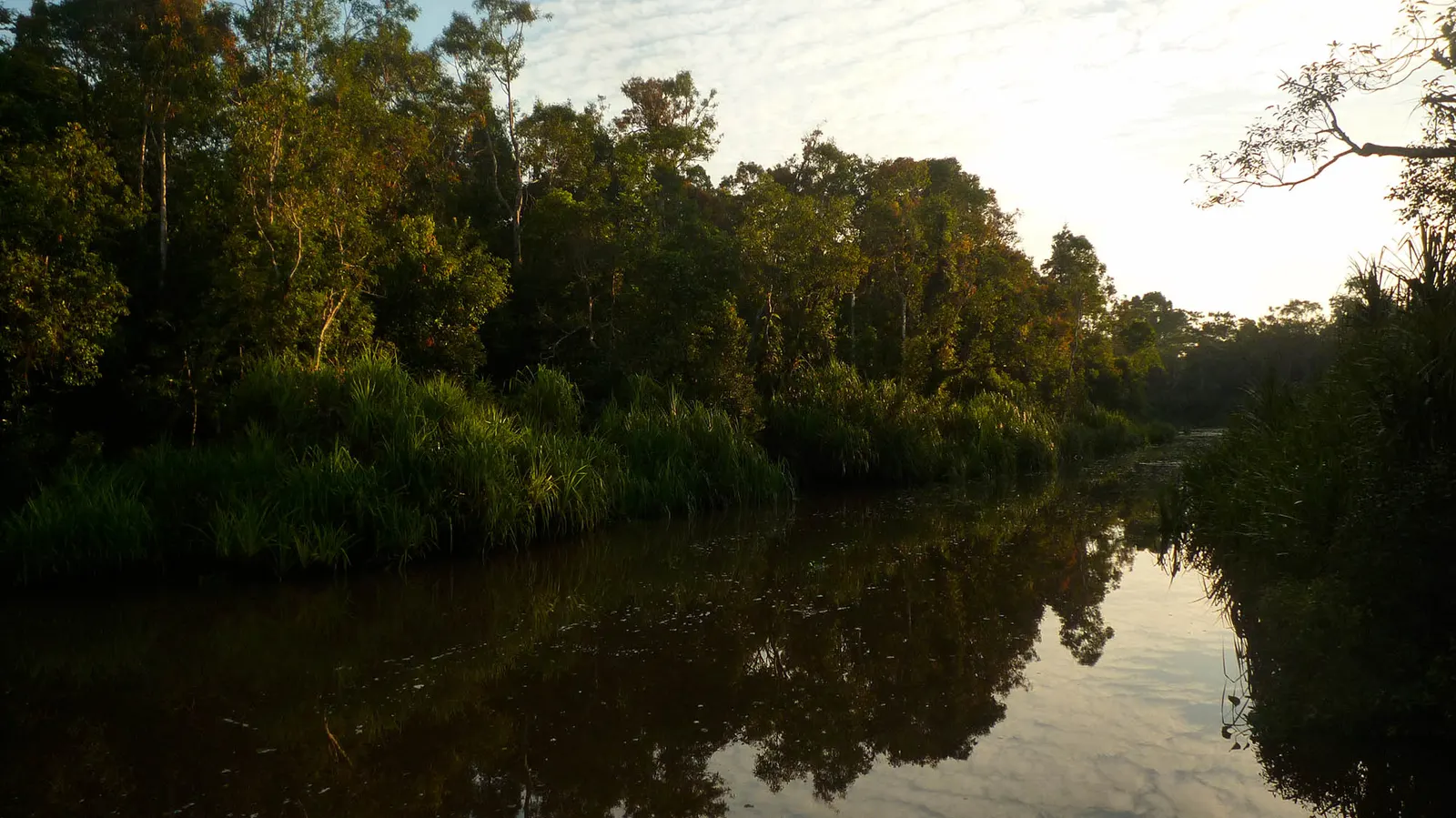
This forest predator uses both trees and the ground. Its secretive behaviour means a documented park occurrence is not a realistic promise of a visitor encounter. Forest continuity and the availability of prey are more useful context than a sightseeing checklist.
Sources & references · 1
University of Michigan Animal Diversity Web · Neofelis diardi species accountFeeding
A carnivore, it takes terrestrial and tree-dwelling vertebrates. These are species-level ecological descriptions, not a measured diet for the Kutai population.
Sources & references · 1
University of Michigan Animal Diversity Web · Neofelis diardi species accountRange on Borneo
The selected sources document Neofelis diardi at Kutai National Park. These are place-specific published records, not current population estimates or evidence for every protected area in the province.
Sources & references · 1
KSDAE, Ministry of Forestry · Mengenal flora dan fauna Taman Nasional KutaiConservation
The cited global category is Vulnerable. A global assessment does not describe the condition of every local population, nor promise protection from habitat loss. Observe without disturbance and keep local evidence separate.
Sources & references · 1
Mammal Diversity Database · Neofelis diardiForest life and conservation
The Sunda clouded leopard is Borneo's largest wild cat. Its long tail and powerful limbs support climbing, yet it also travels extensively on the ground. Camera traps commonly record it on forest trails and old logging roads. It is mainly solitary and active at night or around twilight, although daytime activity occurs. Primary, logged, hill and peat-swamp forests can all provide habitat; open oil-palm landscapes offer much poorer continuity. Protecting forest connections and prey, and reducing snares, are therefore central to its survival.