Herkenning
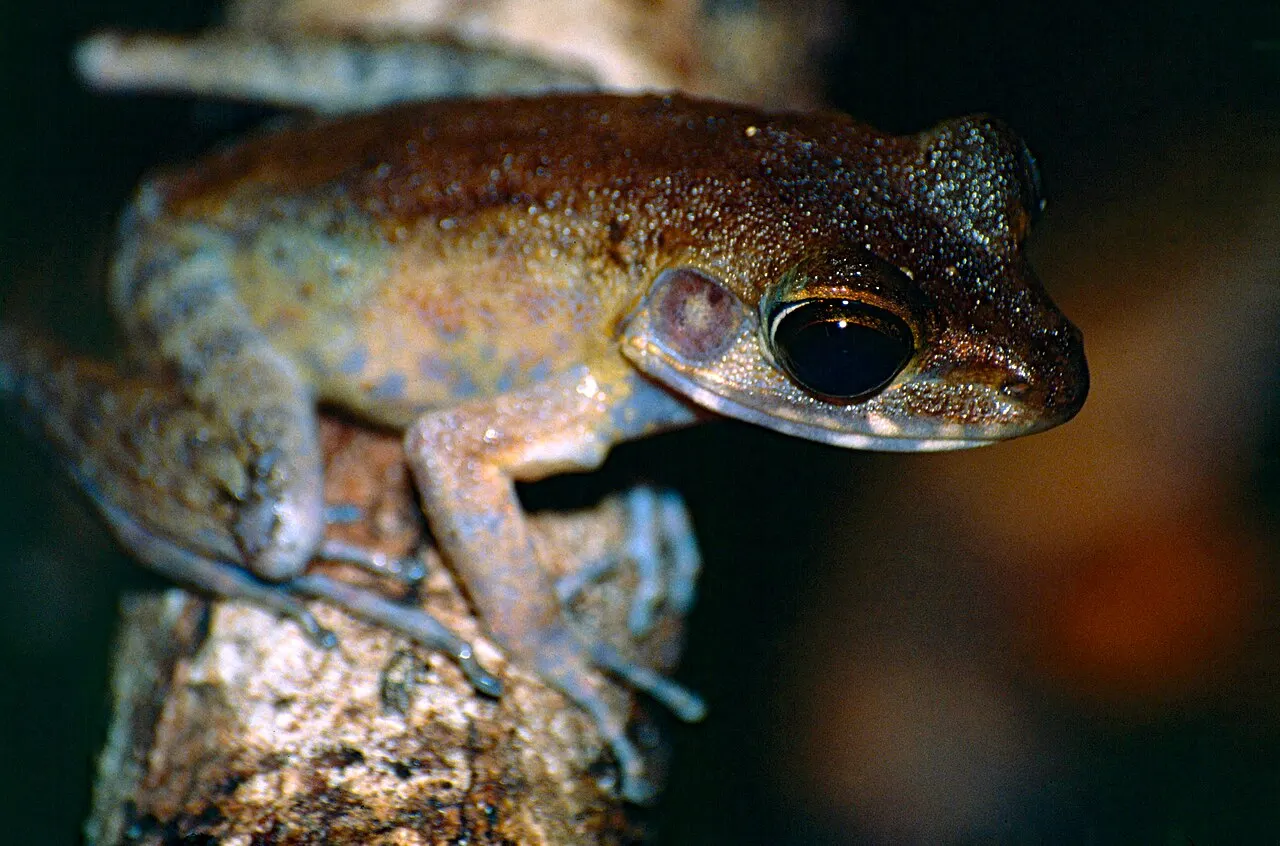
Deze kikker uit de familie Ranidae is gedocumenteerd in Punggualas en Tahawa Village Forest.
Bronnen & referenties · 2
Universitas Palangka Raya · Maulidi et al. (2020), Inventory and Conservation Status of Herpetofauna in Punggualas, Sebangau National ParkUniversitas Gadjah Mada · Simson (2023), Spatial and temporal acoustic distribution of Polypedates colletti and Pulchrana baramica in Tahawa Village Forest, Central KalimantanDagelijks leven
Onderzoekers herkennen zijn nachtelijke roepen via geluidsopnamen. In het Tahawa-onderzoek klonk zijn roep in zowel veen- als heidebosecosystemen, met meer activiteit in het veenecosysteem.
Bronnen & referenties · 2
Universitas Palangka Raya · Maulidi et al. (2020), Inventory and Conservation Status of Herpetofauna in Punggualas, Sebangau National ParkUniversitas Gadjah Mada · Simson (2023), Spatial and temporal acoustic distribution of Polypedates colletti and Pulchrana baramica in Tahawa Village Forest, Central KalimantanVerspreiding en lokale gegevens
Gepubliceerd onderzoek documenteert deze soort bij Punggualas, Sebangau National Park; Tahawa Village Forest, Central Kalimantan. Deze waarnemingen geven een historisch beeld van haar verspreiding in de bossen van Borneo.
Bronnen & referenties · 2
Universitas Gadjah Mada · Simson (2023), Spatial and temporal acoustic distribution of Polypedates colletti and Pulchrana baramica in Tahawa Village Forest, Central KalimantanUniversitas Palangka Raya · Maulidi et al. (2020), Inventory and Conservation Status of Herpetofauna in Punggualas, Sebangau National ParkBos en water
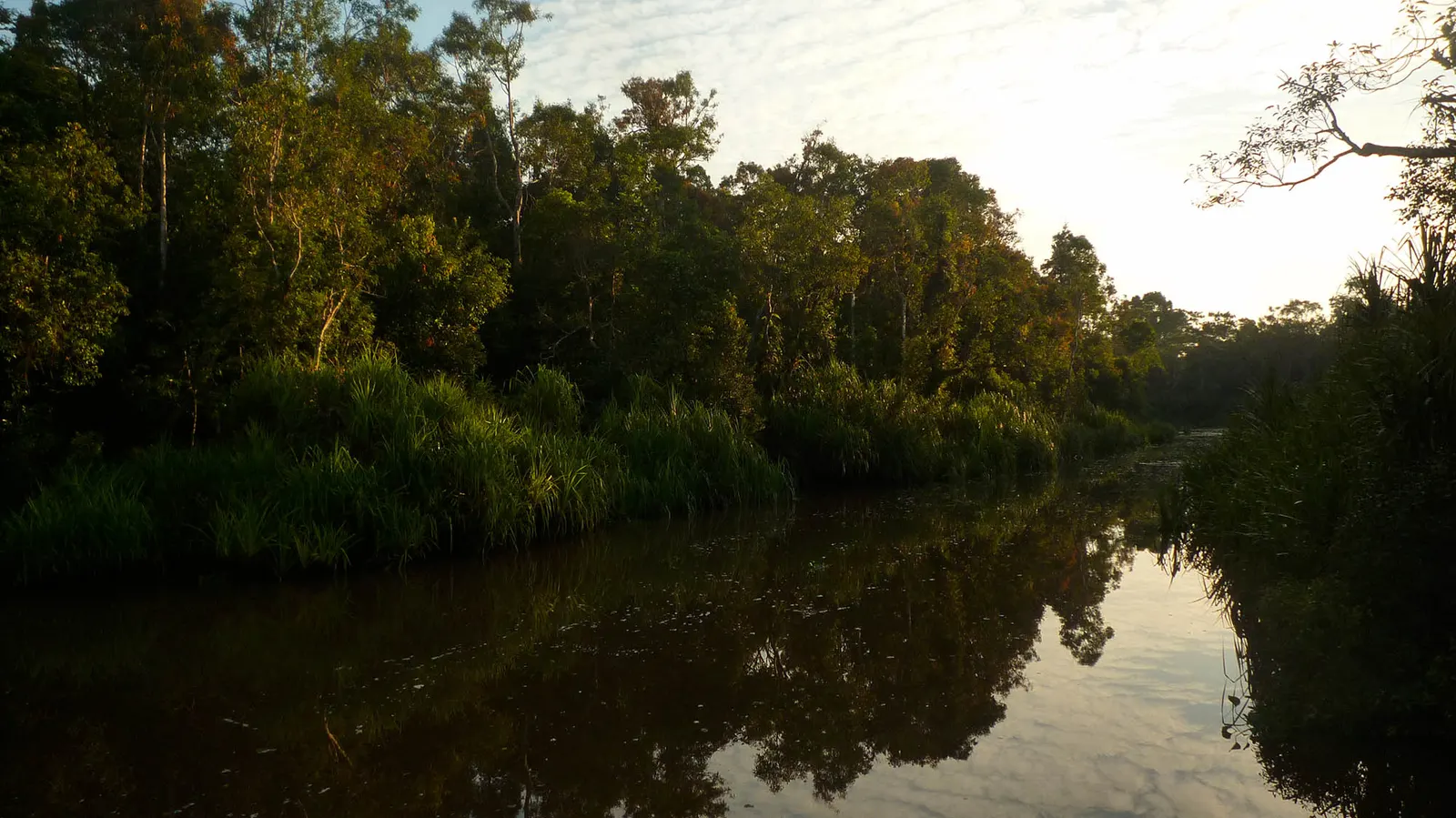
Punggualas ligt in het veenmoeraslandschap van Sebangau National Park. Onderzoek in Tahawa Village Forest registreerde deze kikker ook in onderzochte heide- en veenbossen.
Bronnen & referenties · 2
Universitas Gadjah Mada · Simson (2023), Spatial and temporal acoustic distribution of Polypedates colletti and Pulchrana baramica in Tahawa Village Forest, Central KalimantanUniversitas Palangka Raya · Maulidi et al. (2020), Inventory and Conservation Status of Herpetofauna in Punggualas, Sebangau National ParkRoepen boven het moerasbos
Op Borneo leeft deze kikker in laaggelegen alluviaal bos en veenmoerasbos, ook bij Mulu in het binnenland. Mannetjes roepen vanaf vegetatie op één tot drie meter hoogte; snelle tonen worden geleidelijk krachtiger. De larve blijft in het actuele verslag wetenschappelijk onbeschreven. Gewoonten van verwante kikkers mogen daarom niet worden overgenomen.