The experience
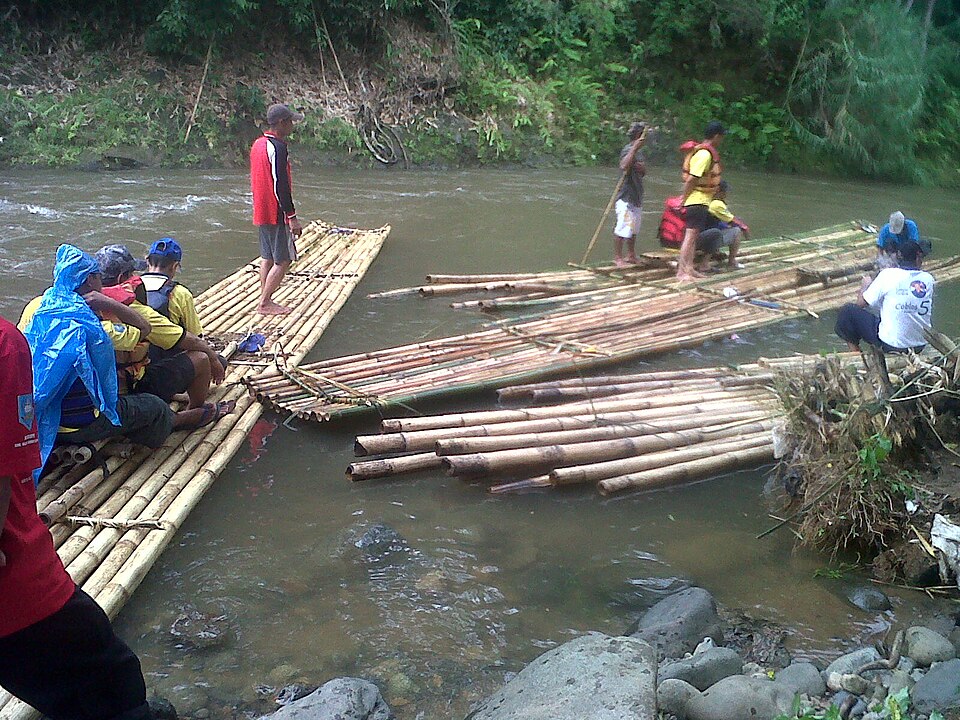
Bamboo rafting is documented by provincial tourism and recent local-government visits. Route lengths and endpoints vary between programmes, including festival routes. Ask for the actual start and finish of your outing rather than borrowing the itinerary of an event or another operator.
Gateway and accommodation
Stay in Loksado to give the river its own time. Arrange how you reach the starting point and return from the finish. If you travel from a distant city the same day, the road journey becomes a substantial extra commitment; a local overnight can make the plan less compressed.
Time and effort
The national tourism description gives approximately two to three hours, depending on route and water flow. Treat that as indicative, not a guaranteed return time. Ask about the selected stretch, boarding and the position you will maintain on the raft. A shorter route is not automatically safe in unsuitable water.
Arranging the visit
Use an experienced local raft handler and confirm lifejackets in appropriate sizes. Clarify passenger numbers, guiding, transfer and cancellation arrangements. Published descriptions sometimes call the activity suitable for beginners; that is not a substitute for a current assessment of your group and the river.
Conditions and preparation
Wear secure footwear and protect valuables from water. Follow the handler's instructions and do not copy balancing tricks shown in festival photographs. Heavy rain upstream or unsuitable flow can change or cancel the outing. Do not pressure the organiser to continue merely because you have already travelled to Loksado.
Combining your trip
Combine rafting with a separately planned Meratus walk over a longer stay. The activities demand different equipment and weather judgements. Leave recovery and transfer time between them; the strongest itinerary gives both river and village landscape attention rather than packing them into a race.