Appearance & recognition
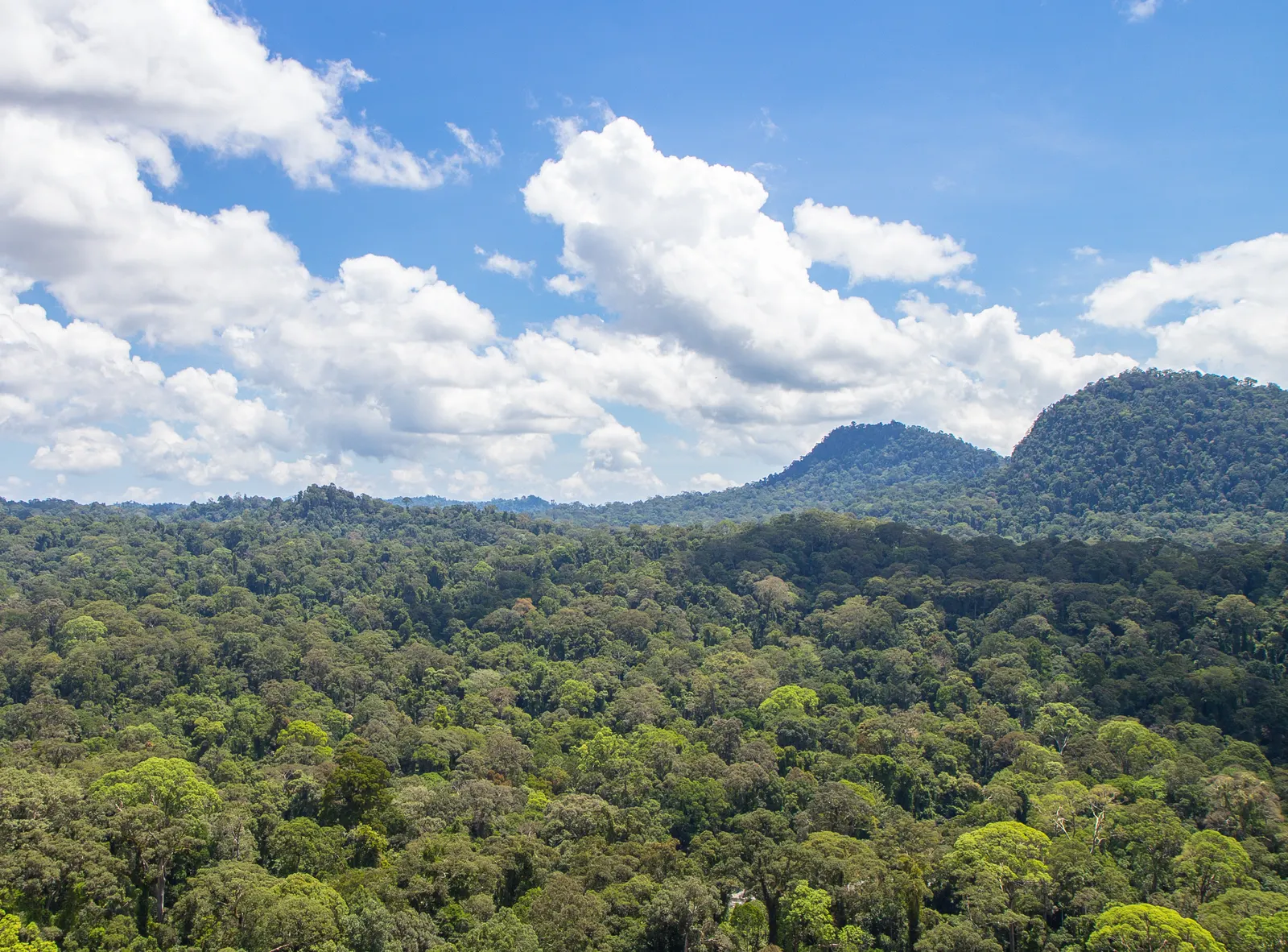
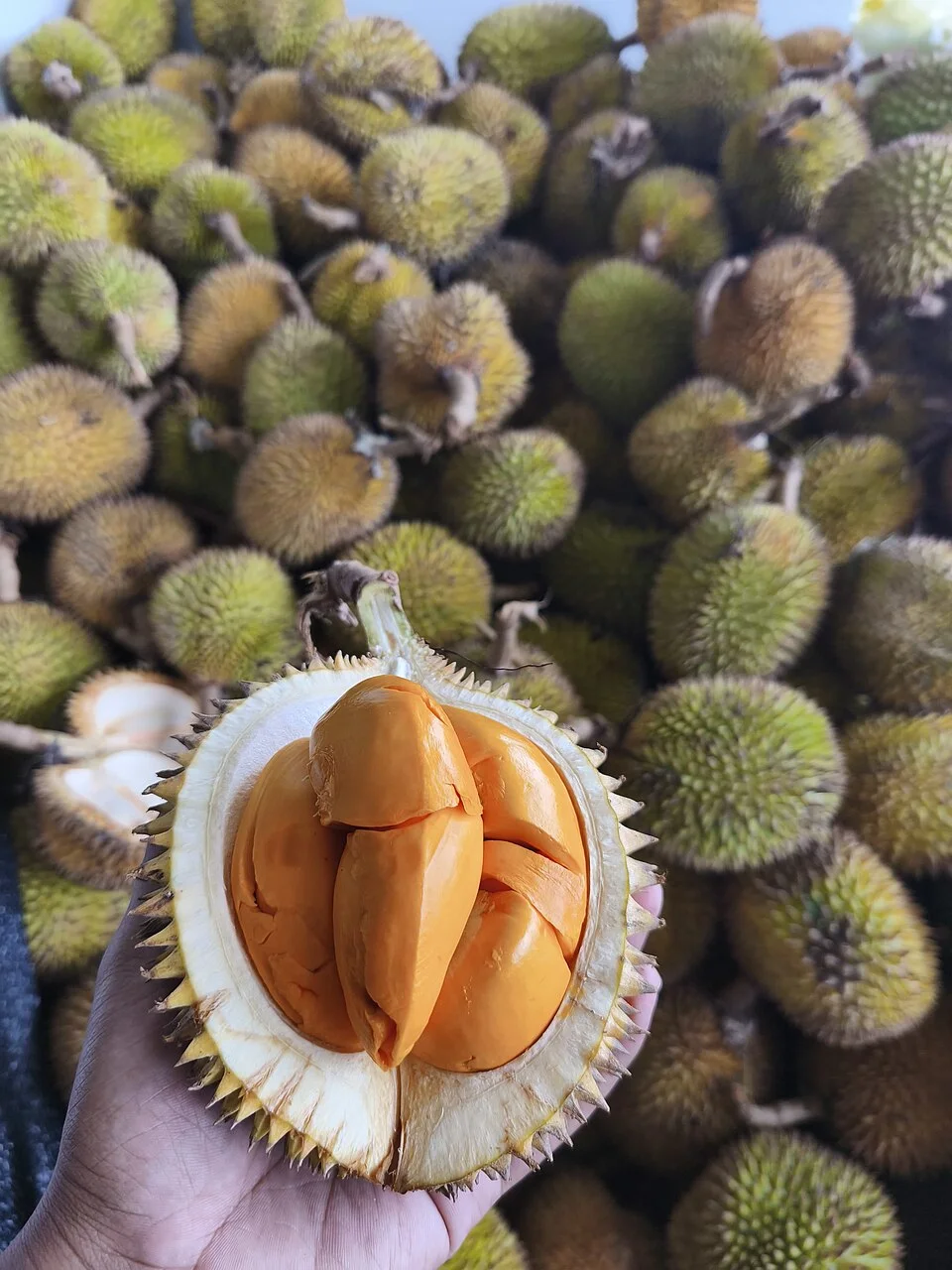
Lai is a Borneo-native durian species with striking red flowers. The tree can reach about 25 metres. Ripe fruits have yellow husks and yellow-orange flesh, contrasting with many pale-fleshed commercial durians. It grows in lowland and foothill forest landscapes and is also cultivated, so a fruit stall may offer a forest species with a long history of local tending.
Sources & references · 1
National Parks Board Singapore · Durio kutejensis — Flora & Fauna WebEdible parts, flavour & texture
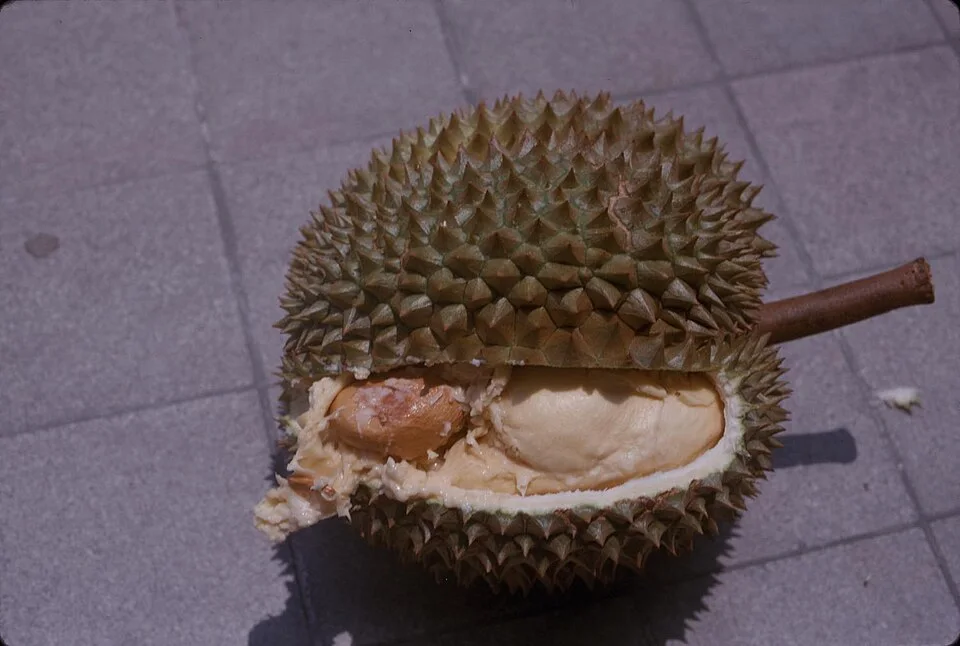
The edible aril surrounds the seed inside each fruit compartment. Sweetness, scent and firmness differ from one selection to another. Lai is botanically Durio kutejensis, not simply an orange variety of ordinary durian. This distinction matters when discussing local fruit diversity or choosing a photograph: a generic durian image may show a different tree species.
Sources & references · 1
National Parks Board Singapore · Durio kutejensis — Flora & Fauna WebEcological relationships
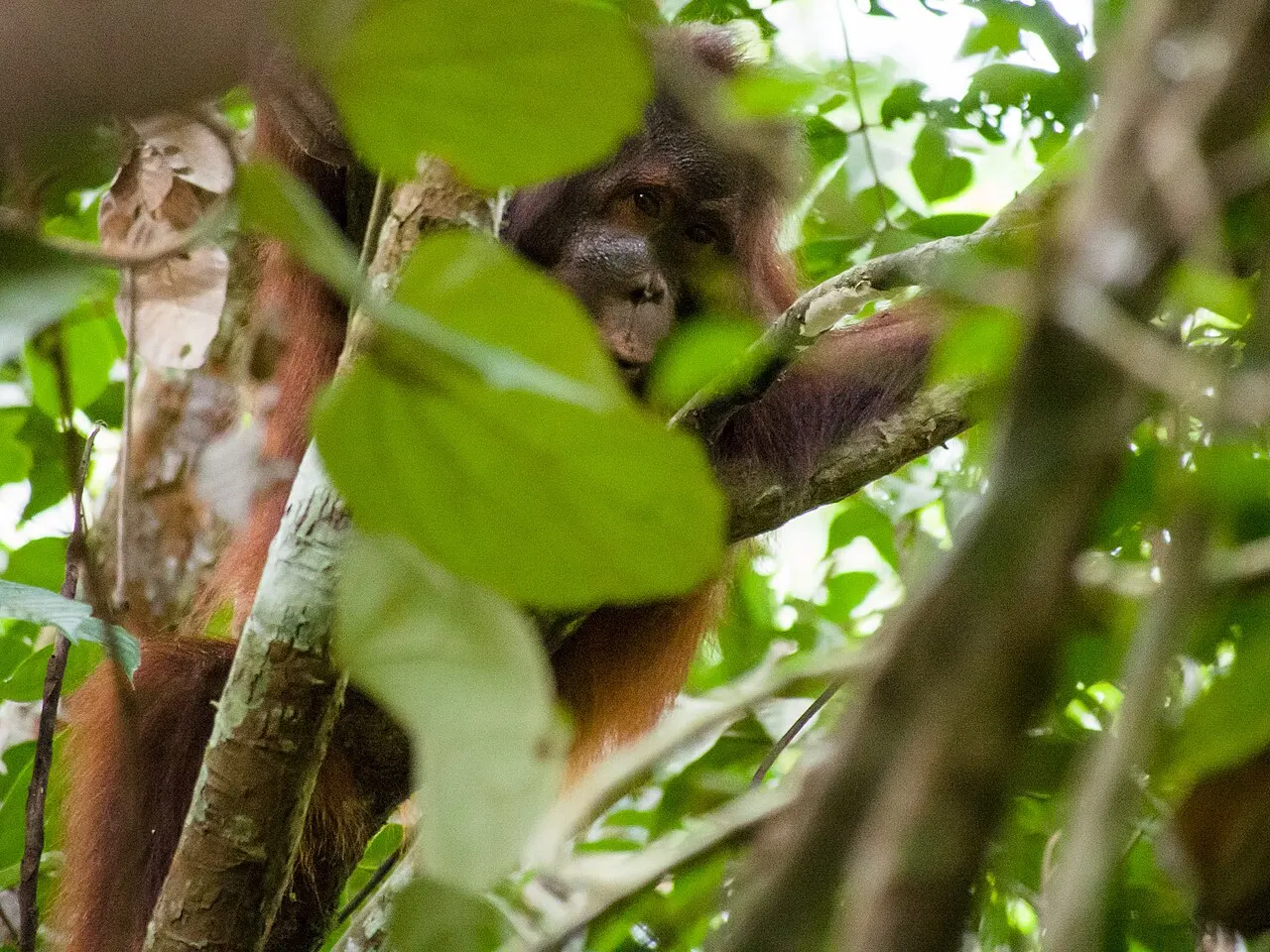
Lai fruit appears in the recorded diet of Bornean orangutans at Danum Valley. This is a feeding observation; it does not by itself establish seed dispersal.
In Limbang, Sarawak, flower observations recorded nectar-feeding bats and bees from Apis and Tetrigona. The researchers proposed bats as major pollinators and insects as additional contributors. The bats were considered most likely Eonycteris spelaea, so that species identification remains qualified. Spiderhunters (Arachnothera) also touched the anthers and stigma while feeding; Provespa wasps were recorded as visitors.