
Food
Arief R. Randan (Ezagren) · Wikimedia Commons · Attribution · Cropped · OriginalPisang gapit in Balikpapan
East KalimantanTake a sweet pause with pisang gapit, a banana snack associated with Balikpapan’s local food scene.

Explore Central Kalimantan through particular communities, traditions and ingredients. Ngaju language, Huma Betang and Tiwah have distinct contexts; kalumpe and karuang reveal Maanyan and Ngaju food names. Regional association does not prove an exclusive origin. Open an entry to follow its sources and related stories.
84 discoveries
Take a sweet pause with pisang gapit, a banana snack associated with Balikpapan’s local food scene.
Meet roti gembong through Samarinda’s local bakery businesses, asking about the loaf, filling and version made by each producer.
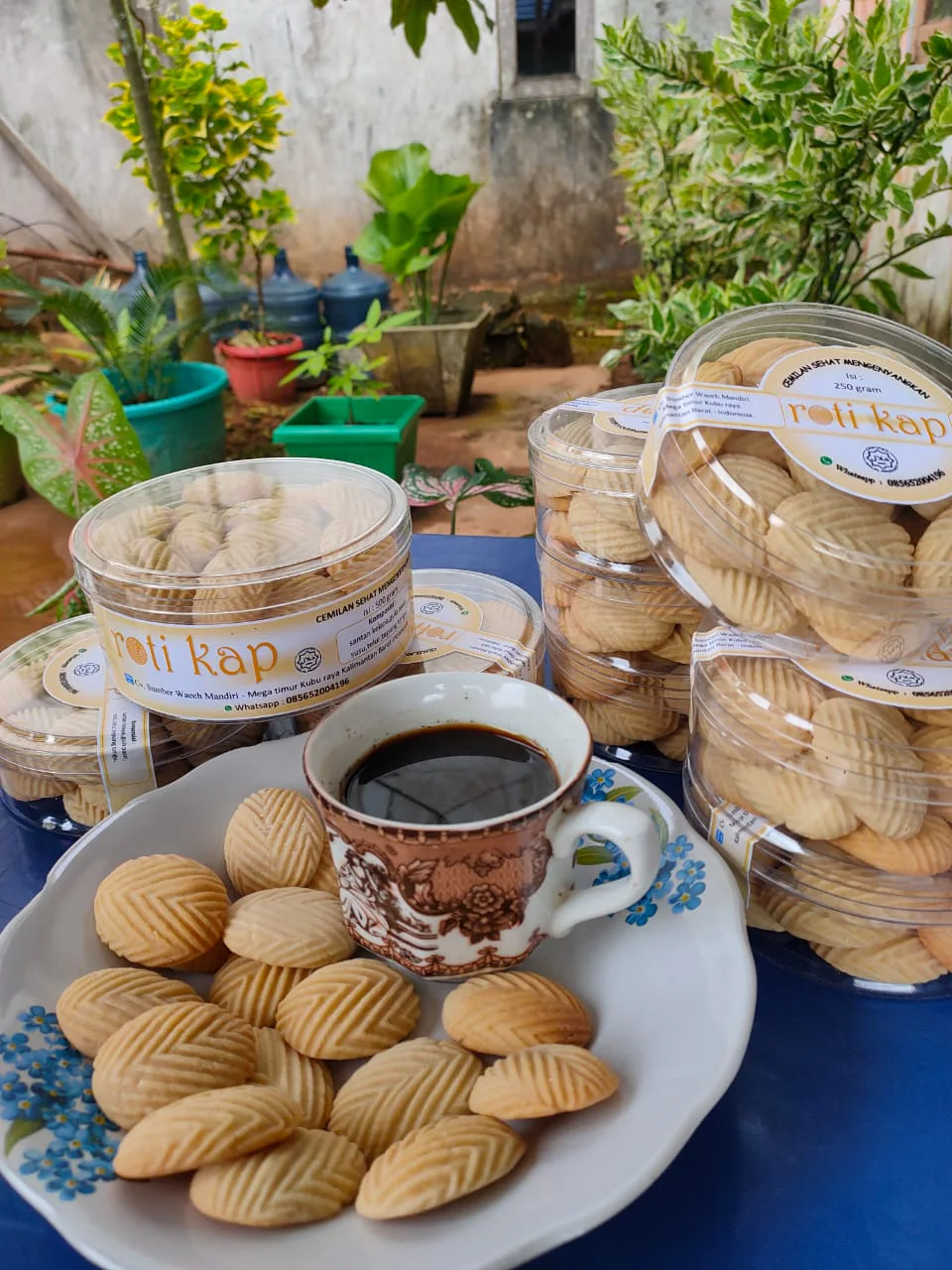
Roti kap is a small sweet bake associated with Pontianak's Malay food traditions. Its modest size suits a pause with tea or coffee. Look for a local maker rather than assuming every souvenir shop carries the same version.
A seasoned shellfish dish associated with Ketapang, often discussed alongside ketupat colet. Look for the actual local preparation and ask what is in the sambal rather than assuming every clam dish is ale-ale.
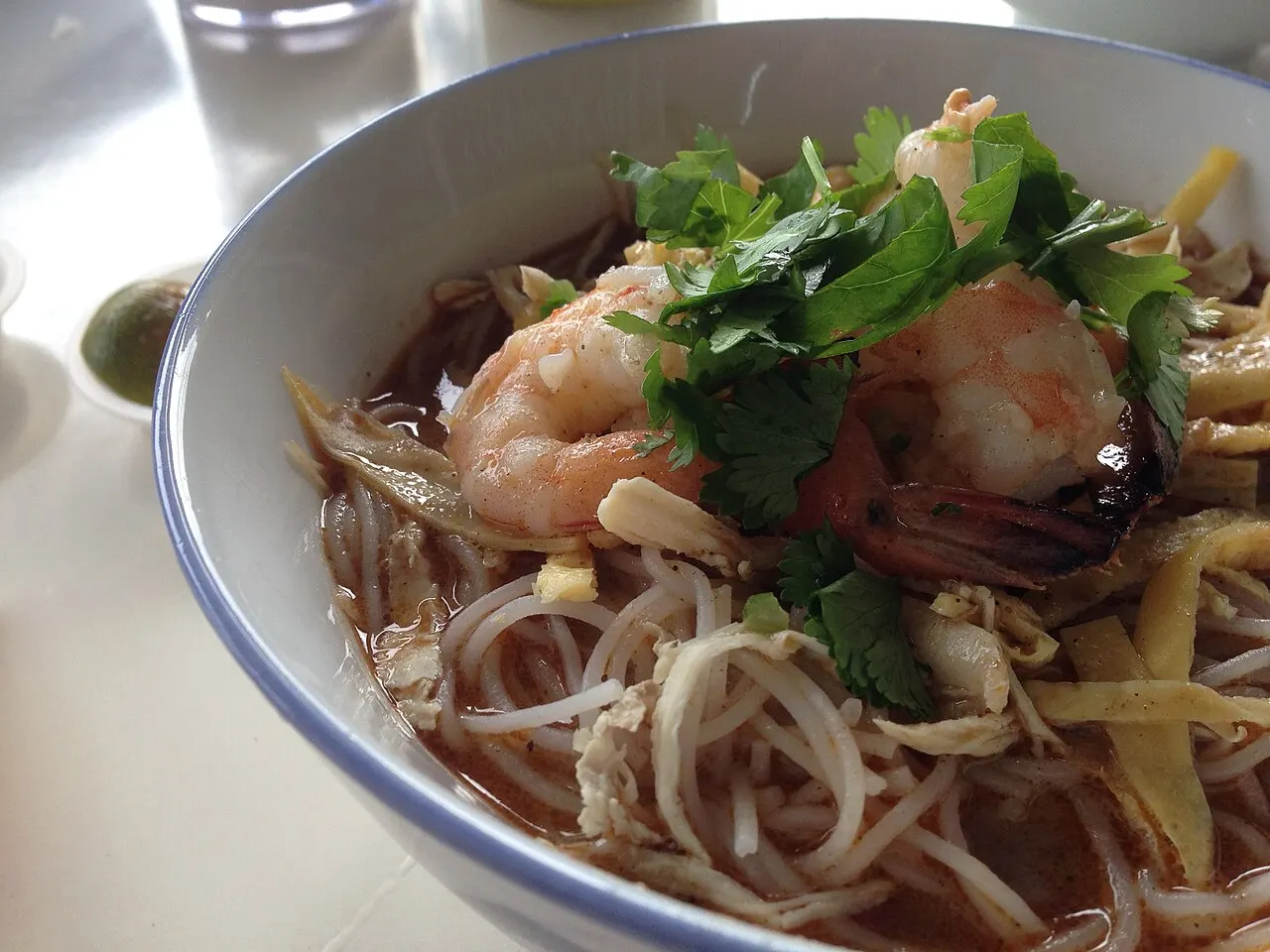
Sarawak laksa brings fine rice noodles, aromatic broth, prawns, chicken and egg together in a bowl closely associated with Kuching. Coconut milk, tamarind and a spiced paste give it richness and tang without making every bowl identical.
Shellfish skewers are one of the foods associated with Mamolo’s Sunday market. Try them as part of an early coastal breakfast rather than assuming they are available everywhere in town.
A convenient way to include small businesses in a civic-quarter visit.
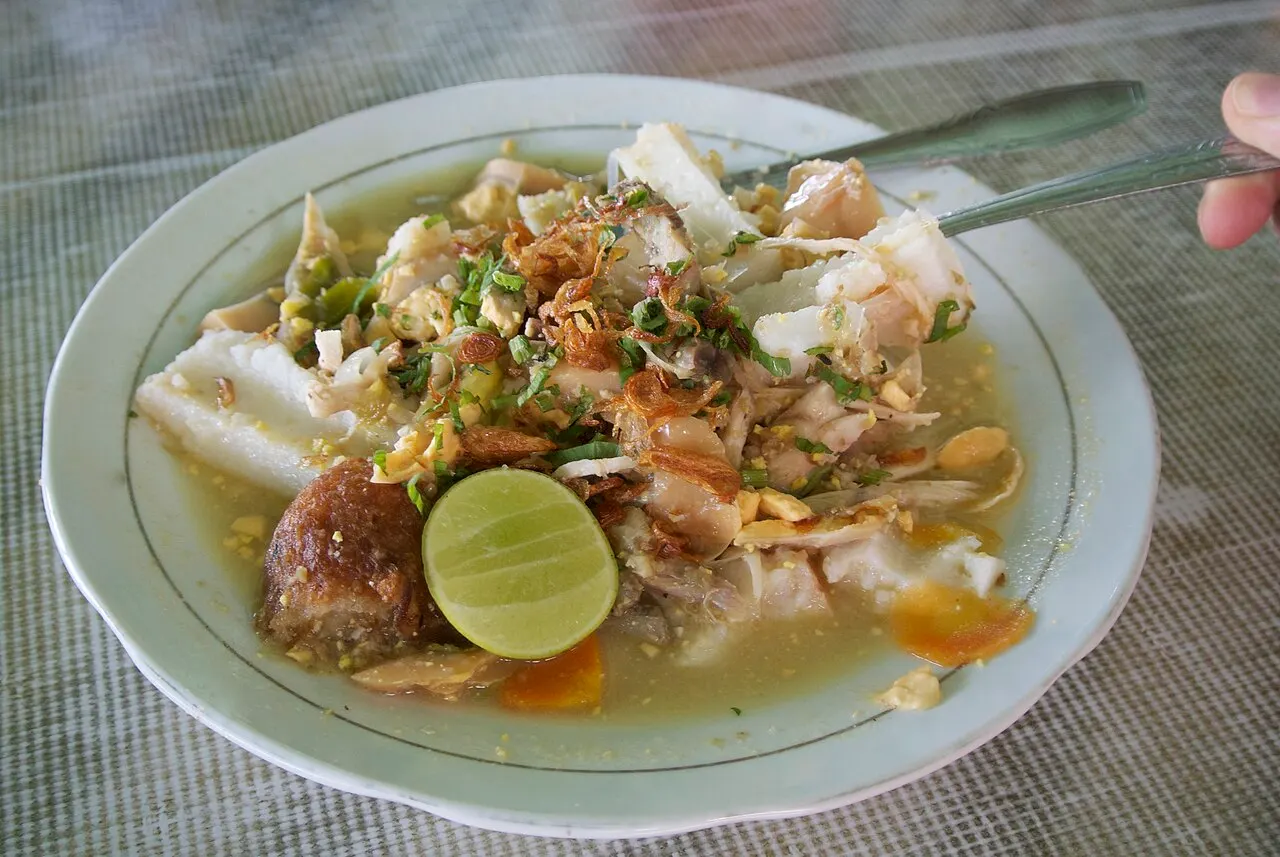
Soto Banjar is South Kalimantan’s aromatic chicken soup, commonly served with ketupat, egg and perkedel. Its warm spice notes and varied accompaniments make it a full meal as well as a bowl of broth.
Explore jamu as a local drink-making tradition in Banjarbaru’s Kampung Pejabat, with attention to ingredients, flavour and the producer’s own explanation.
Tuhau is a strongly aromatic Sabahan ginger ingredient used in condiments and side dishes. Its tender shoots bring a pungent accent to rice meals, with pickled and sambal preparations offering different ways to taste it.
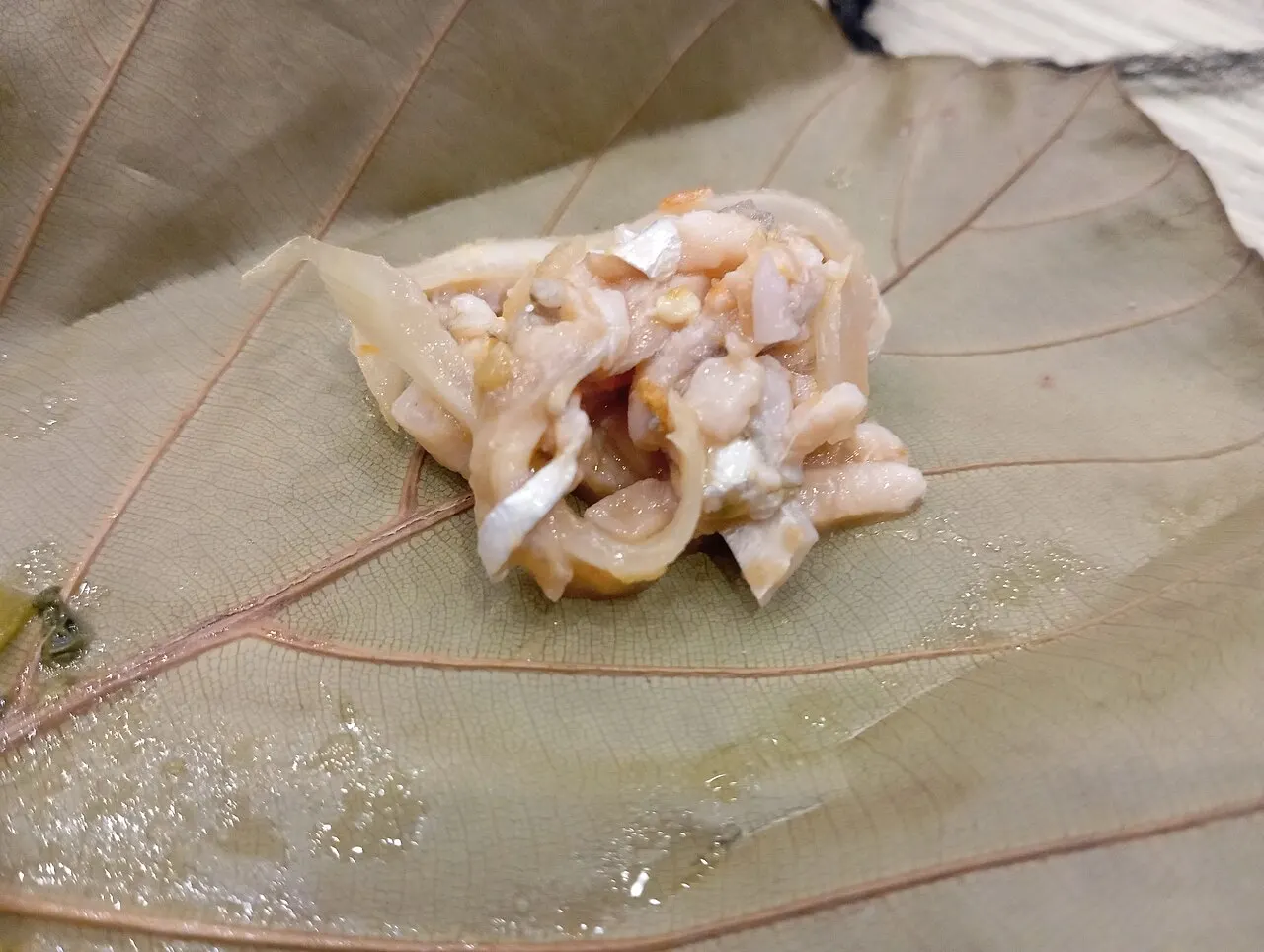
Umai is a Melanau fish preparation from Sarawak, combining thin slices with citrus or sour fruit, onion and chilli. Its fresh, sharp character connects a small plate with the fishing and sago traditions around Mukah.
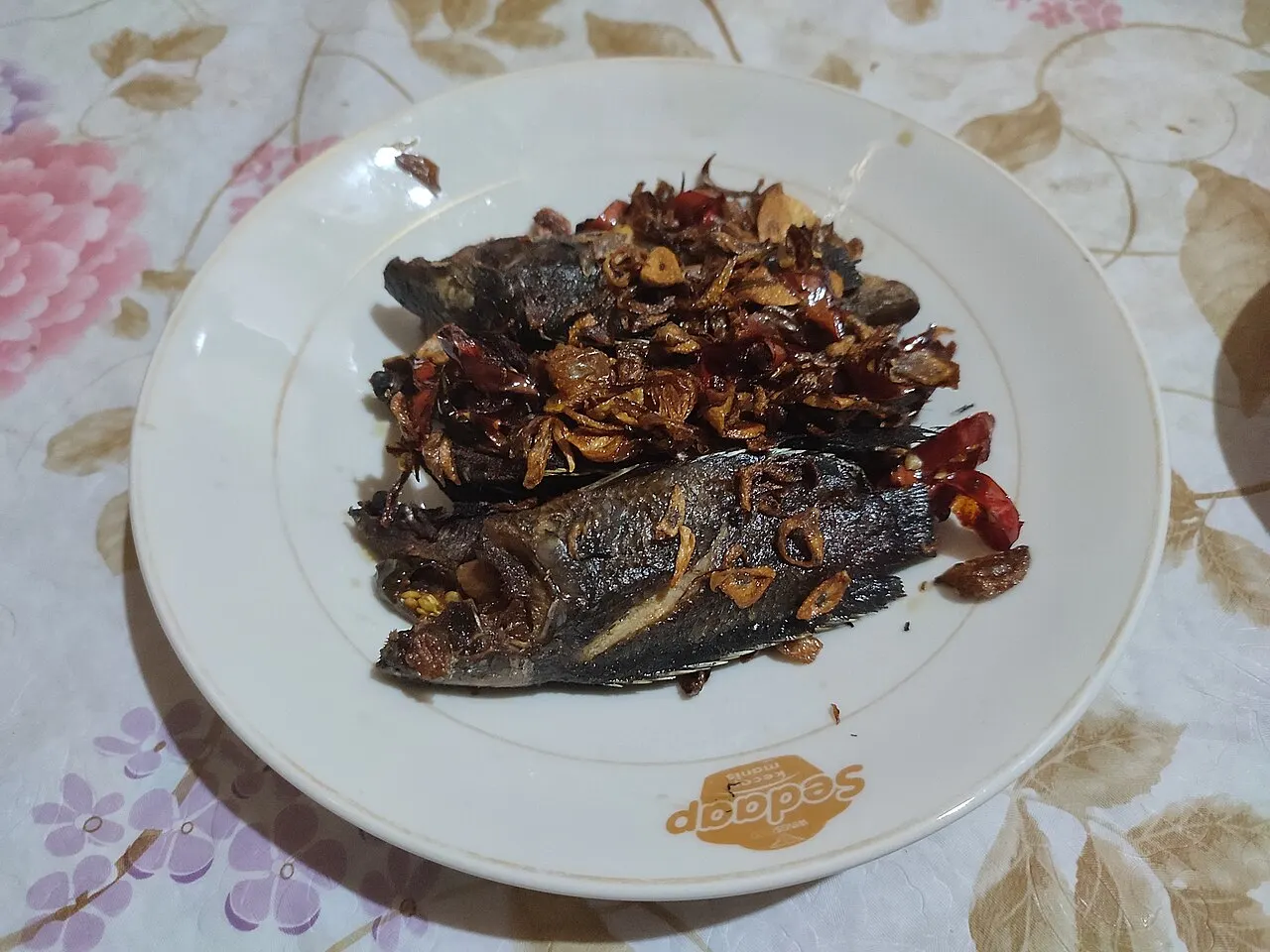
Wadi is a fermented fish or meat preparation from Central Kalimantan. Salt and roasted-rice samu shape its distinctive character; the preserved ingredient is cooked before it joins a meal with rice.
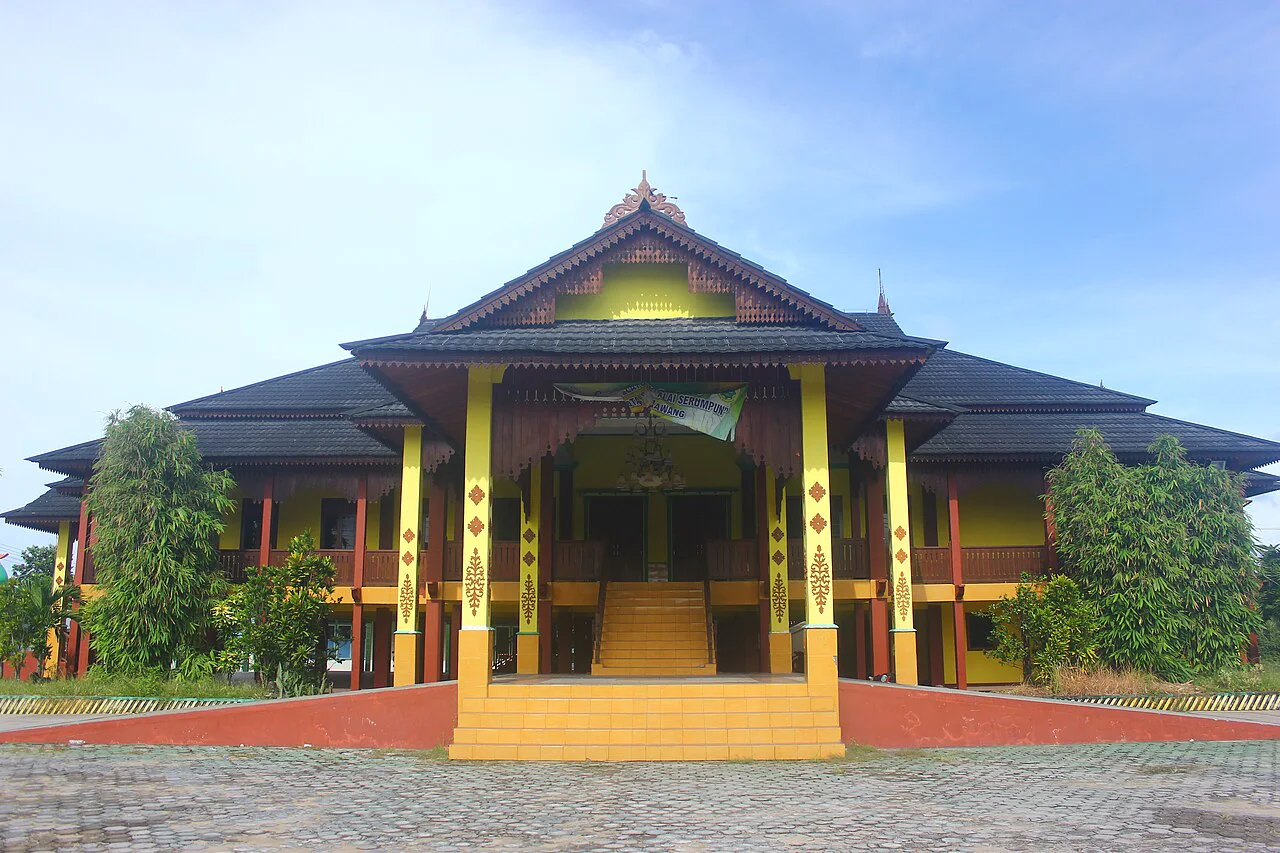
Rumah Adat Melayu Balai Serumpun offers a view of Malay cultural life in Singkawang through a contemporary community venue. Visit with interest in its architecture and activities, while checking whether the building is receiving visitors or being used for a gathering.
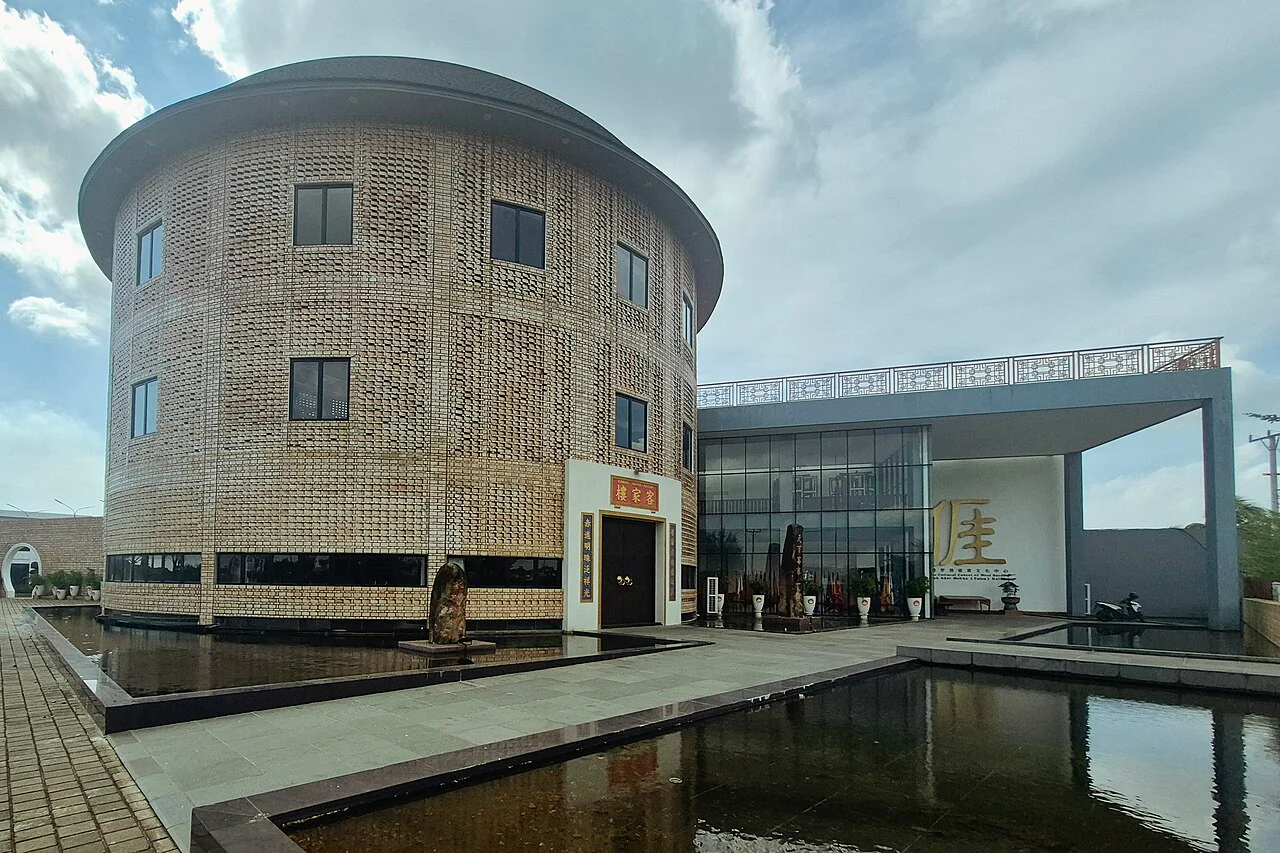
A contemporary cultural house in Sungai Raya, Kubu Raya. Its brick architecture introduces Hakka identity in West Kalimantan without pretending to be an ancient palace or an unchanged historic village.
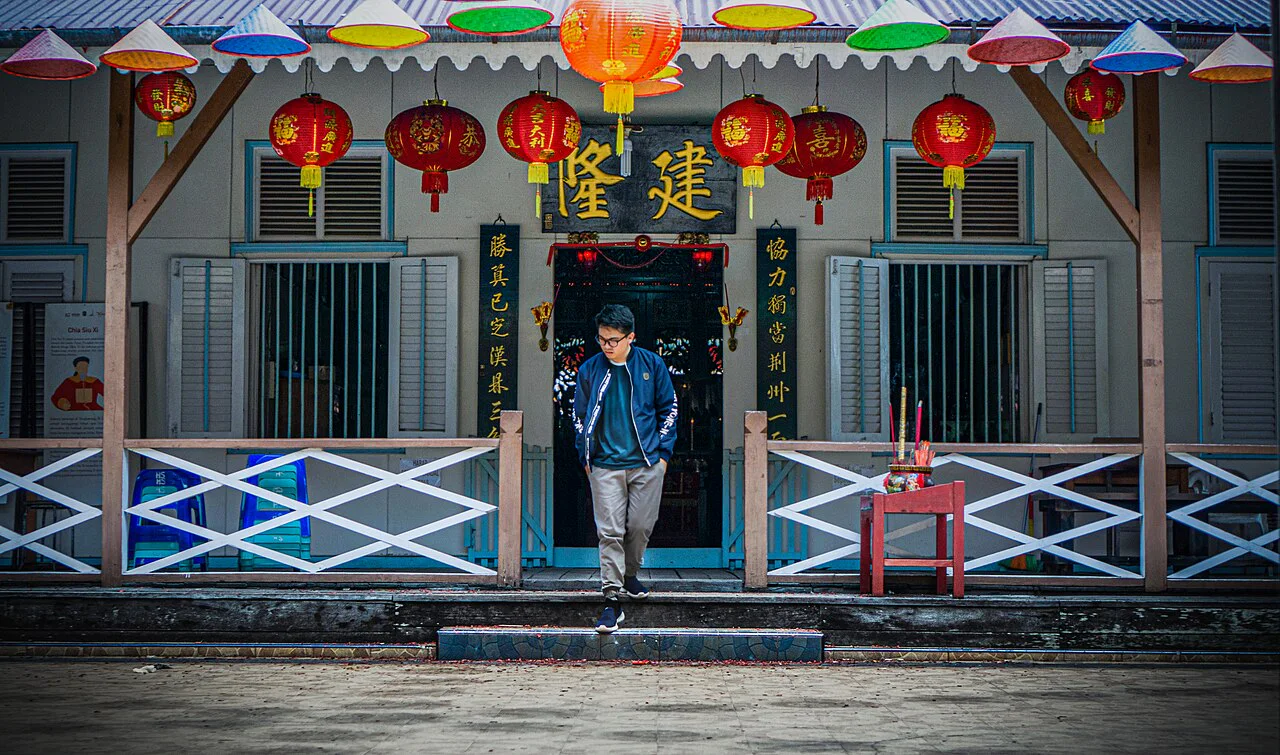
Rumah Marga Tjhia connects family life, built heritage and food in central Singkawang. The compound remains a lived-in place, so a rewarding visit begins by recognising the difference between welcoming visitor areas and the private spaces of a family home.
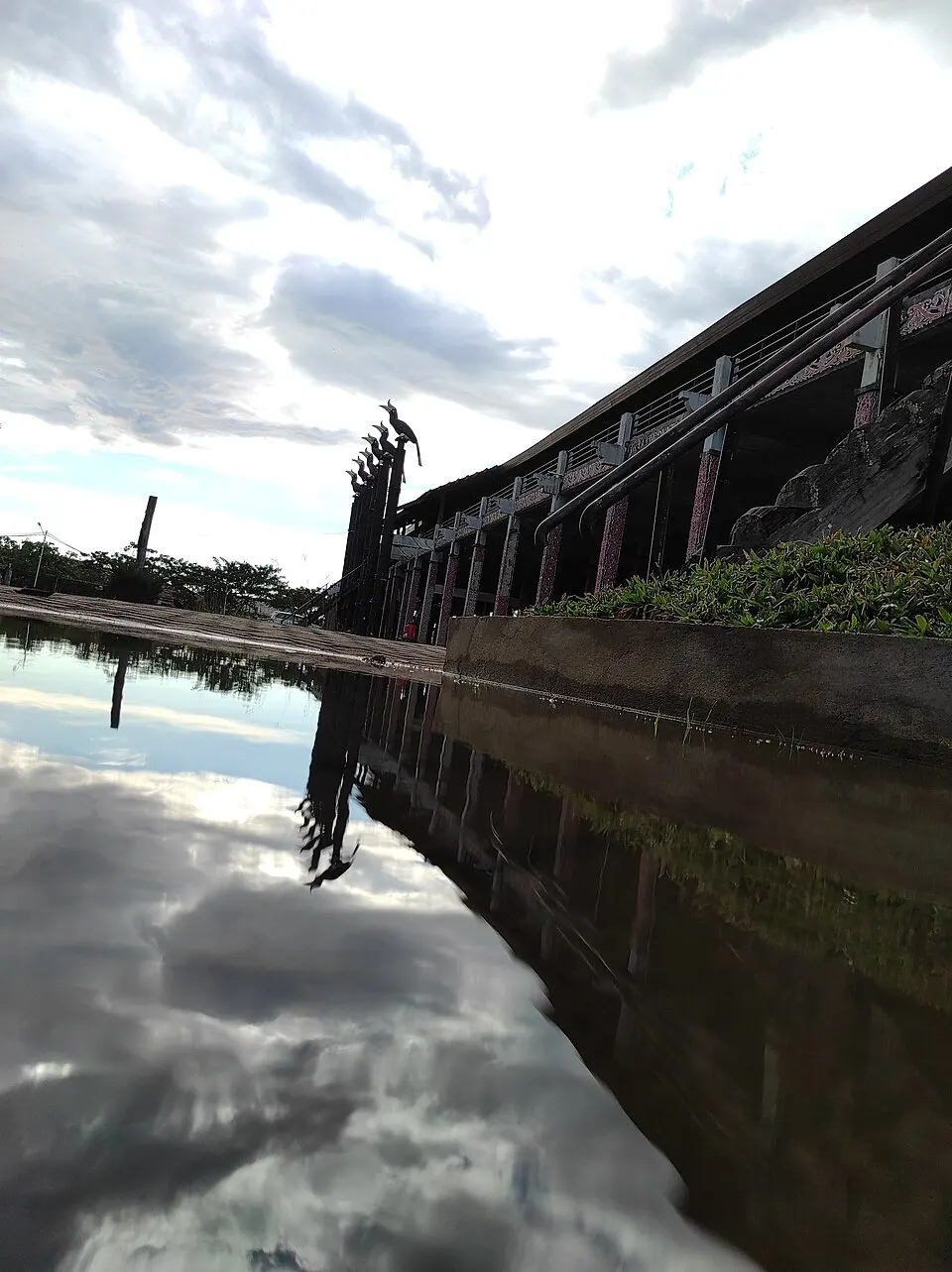
Rumah Radakng is Pontianak's modern longhouse replica and a public expression of local cultural identity.
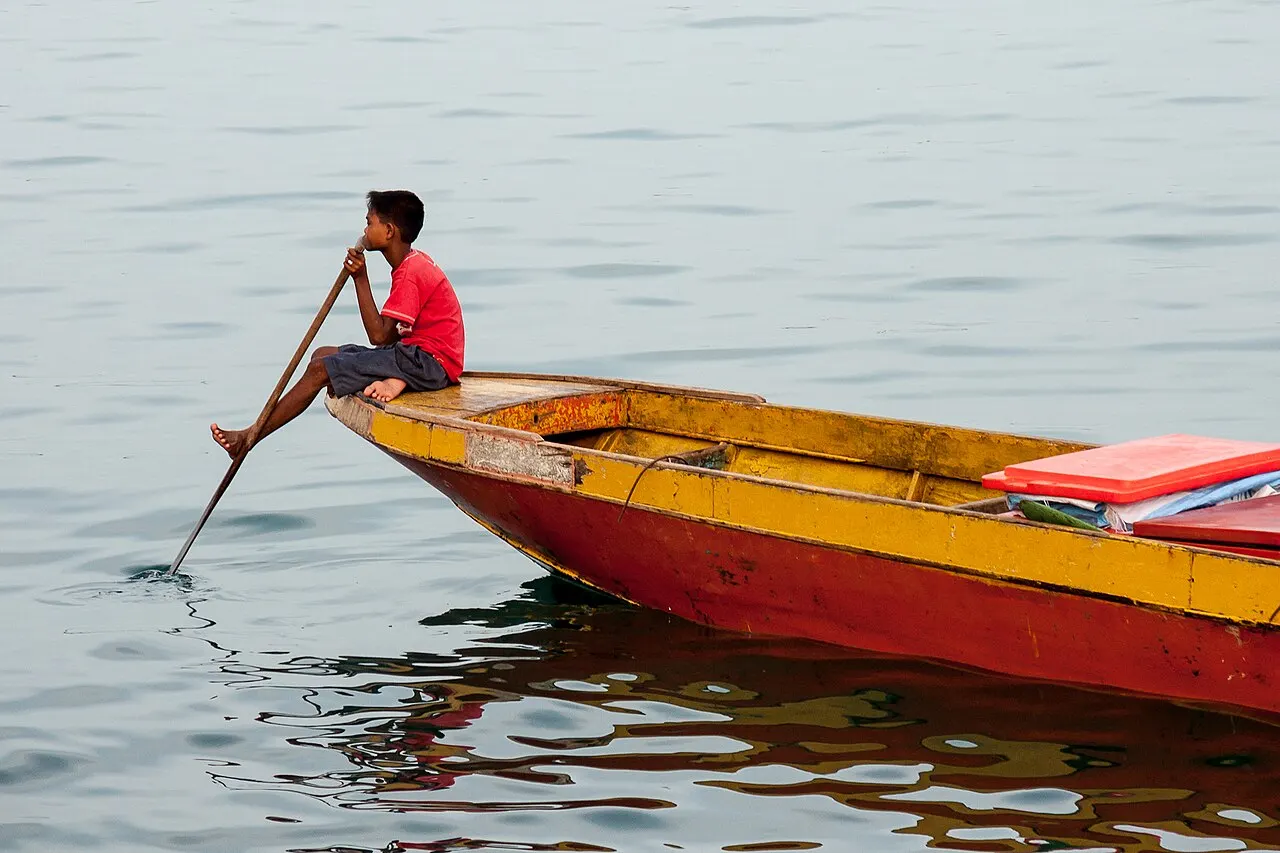
Sama-Bajau heritage in Sabah includes maritime traditions alongside diverse community histories and contemporary cultural expression.
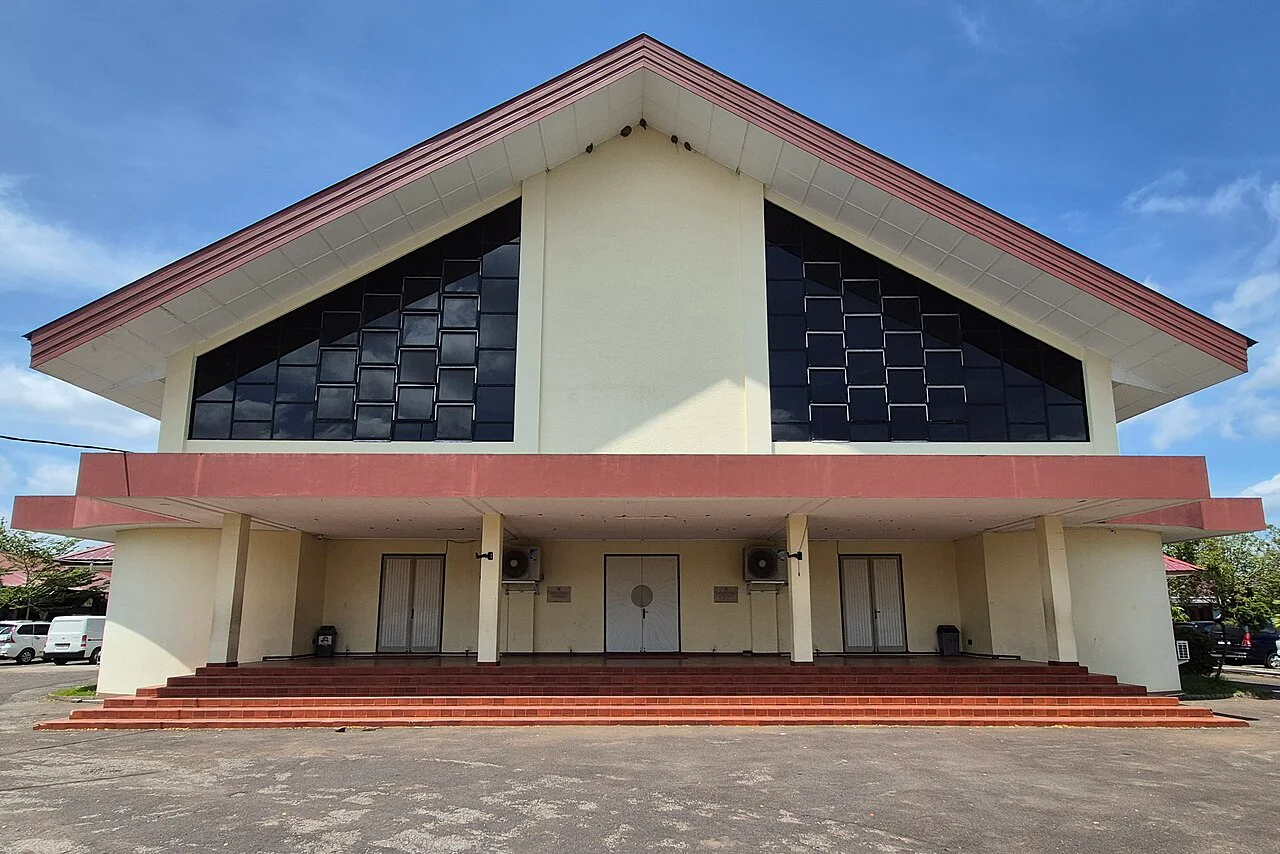
An active Catholic parish on the Adi Sucipto corridor in Sungai Raya. Visit for a respectful encounter with local community history and architecture, giving worship and parish activities priority.
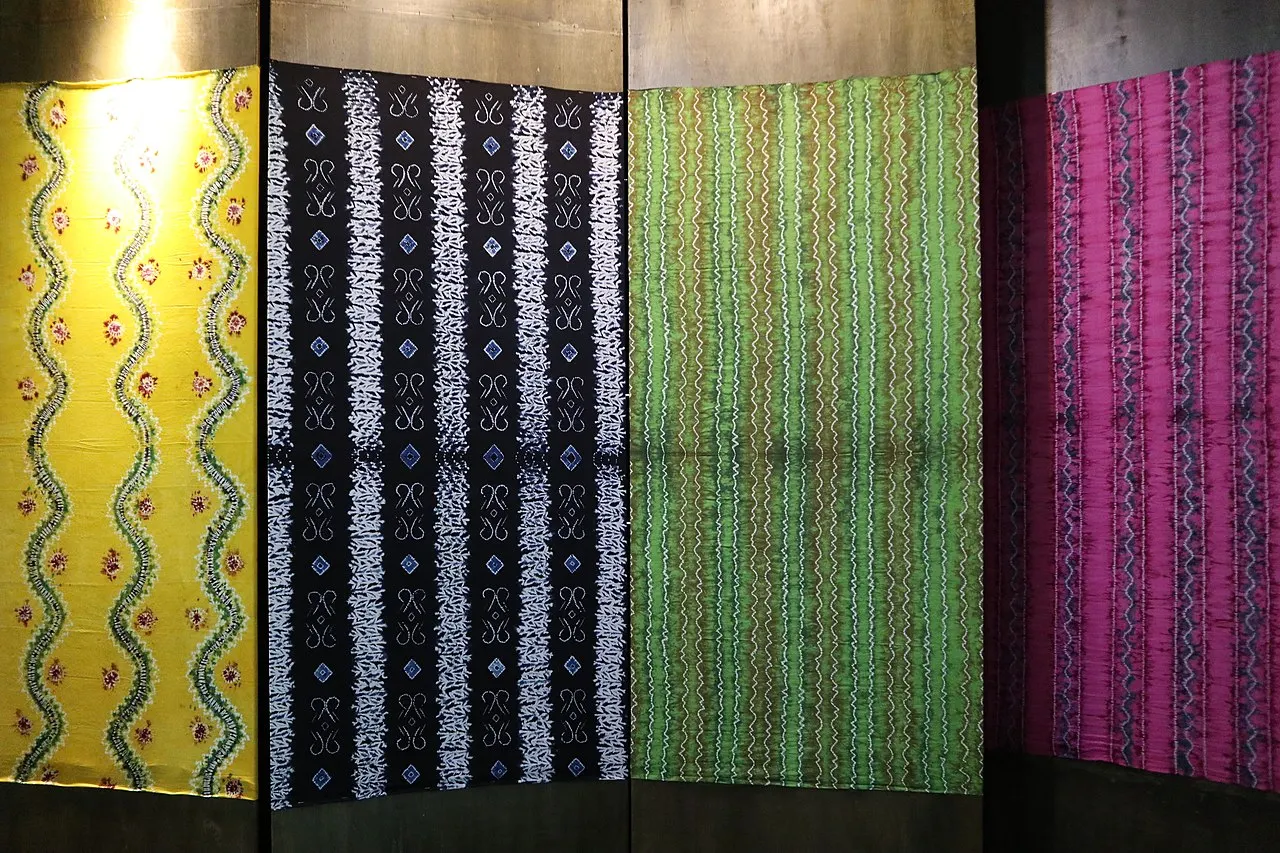
Banjar textile craft recognised in Indonesia's intangible cultural heritage register.
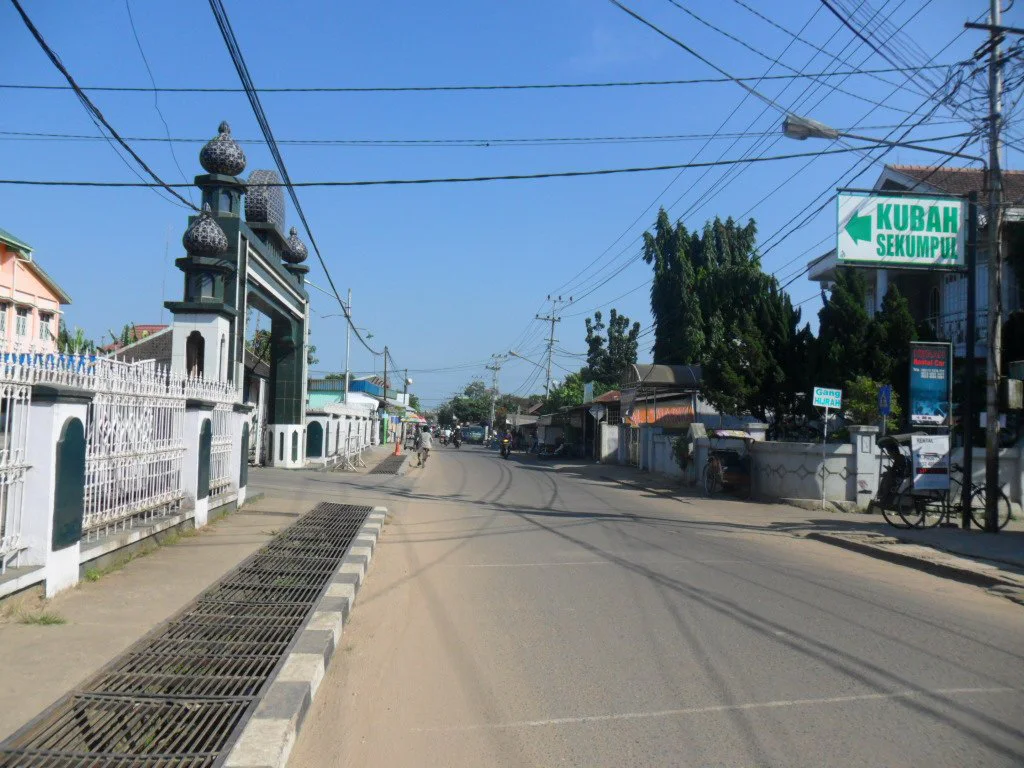
Sekumpul is a living place of pilgrimage in Martapura, centred on the memory of Guru Sekumpul and approached with respect for worshippers and residents.
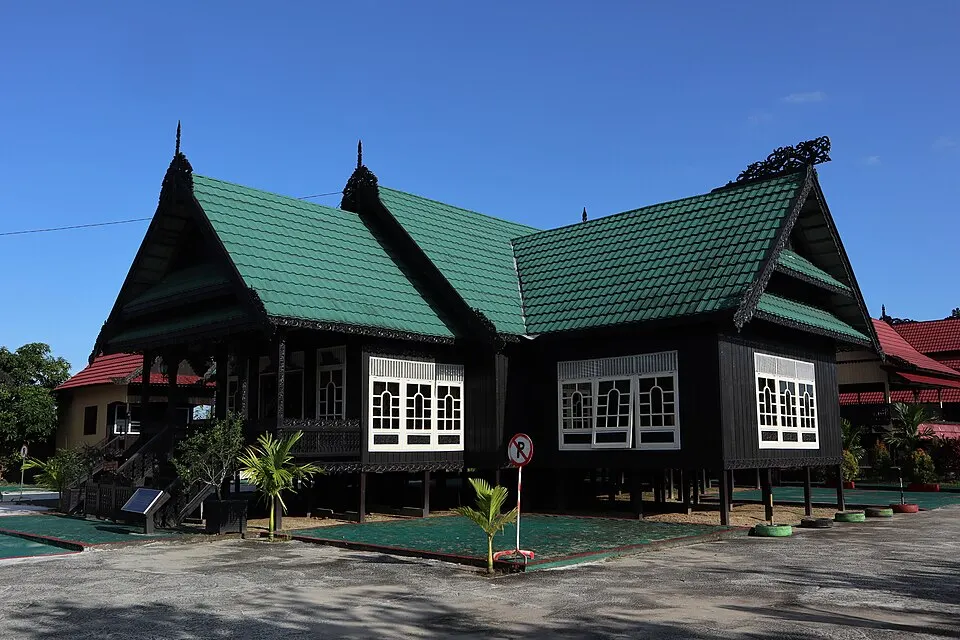
Tidung heritage in Tarakan is approached through baloy, collective decisions and contemporary community voices. This specific context is richer than a generic traditional-house label.
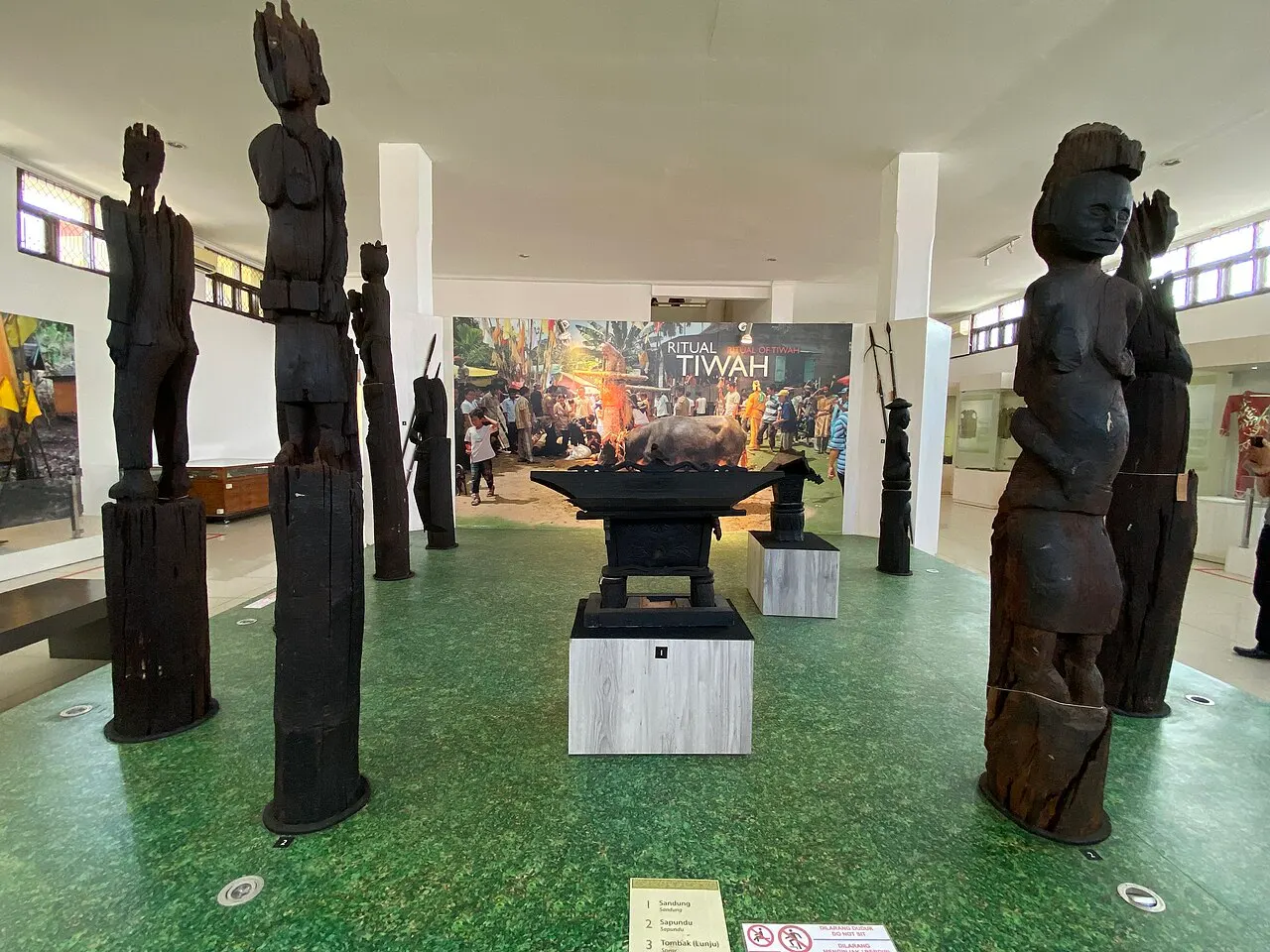
Tiwah is a funerary rite documented as intangible cultural heritage in Central Kalimantan, with Ngaju communities among its cultural custodians. It is associated with Kaharingan belief and the responsibilities of families to deceased relatives.
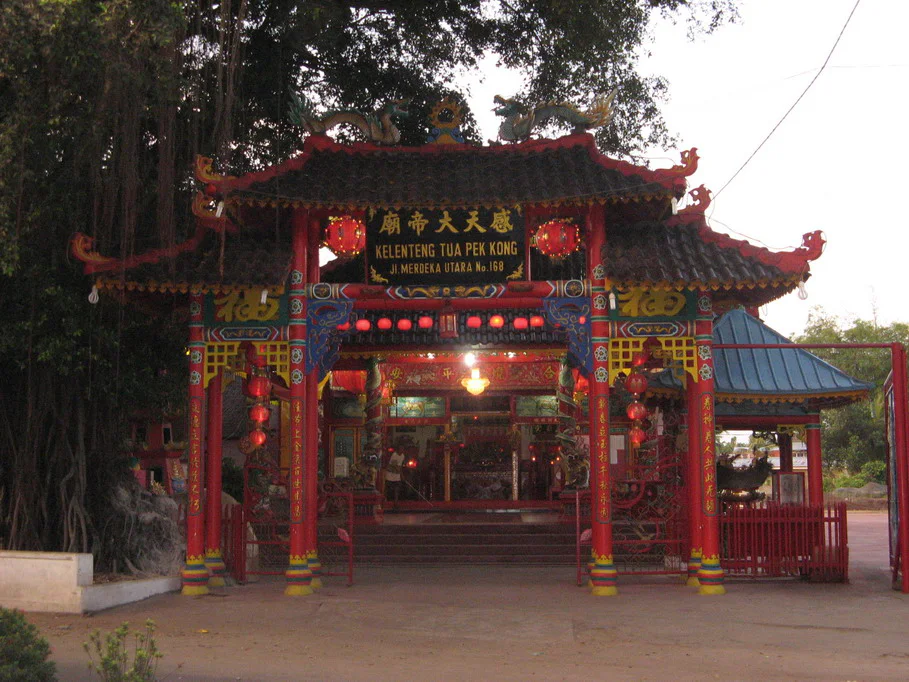
Tua Pek Kong adds a distinct Chinese Indonesian religious setting to a Ketapang visit. The temple on Jalan Merdeka is a living place of worship, with a public presence that becomes particularly visible during community celebrations.
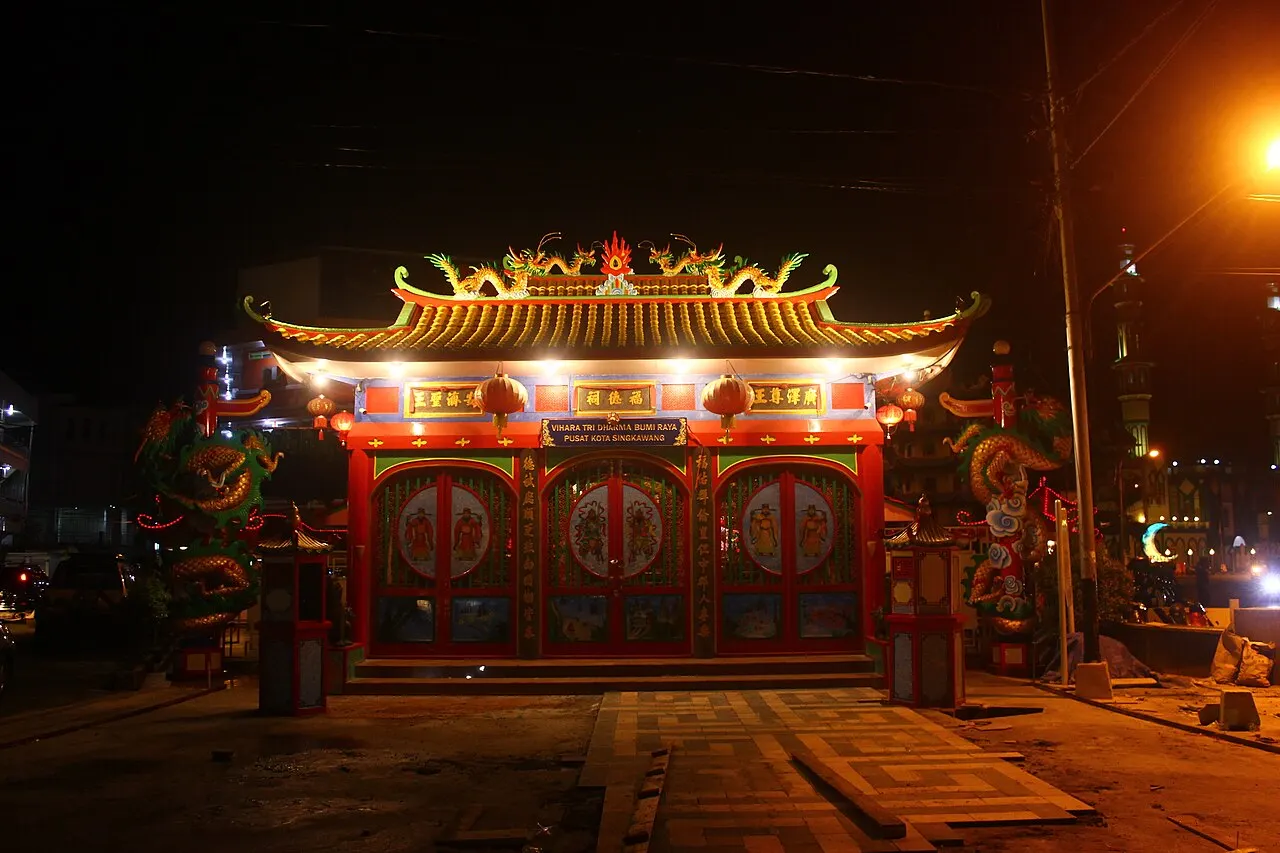
Vihara Tri Dharma Bumi Raya is a living place of worship in central Singkawang. Visit for its place in the city's cultural life, its architecture and its relationship with the surrounding streets, while giving worshippers priority throughout your visit.