What is Ketupat Kandangan?
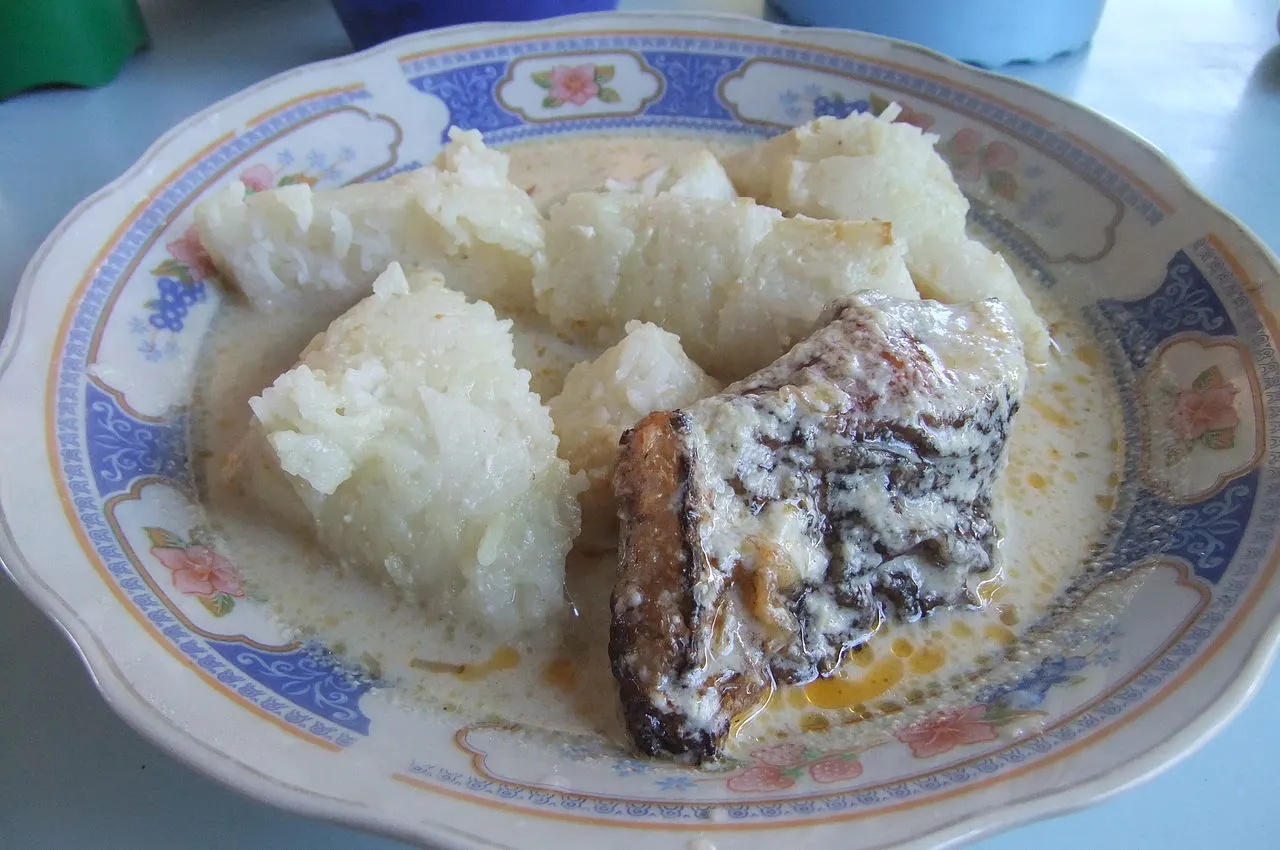
The ketupat supplies the rice base, but the complete dish depends equally on fish and sauce. Haruan, also called gabus in culinary descriptions, is prepared with a grilled or smoky character before meeting the seasoned coconut-milk accompaniment. The finished plate combines components with different textures rather than folding everything into one porridge.
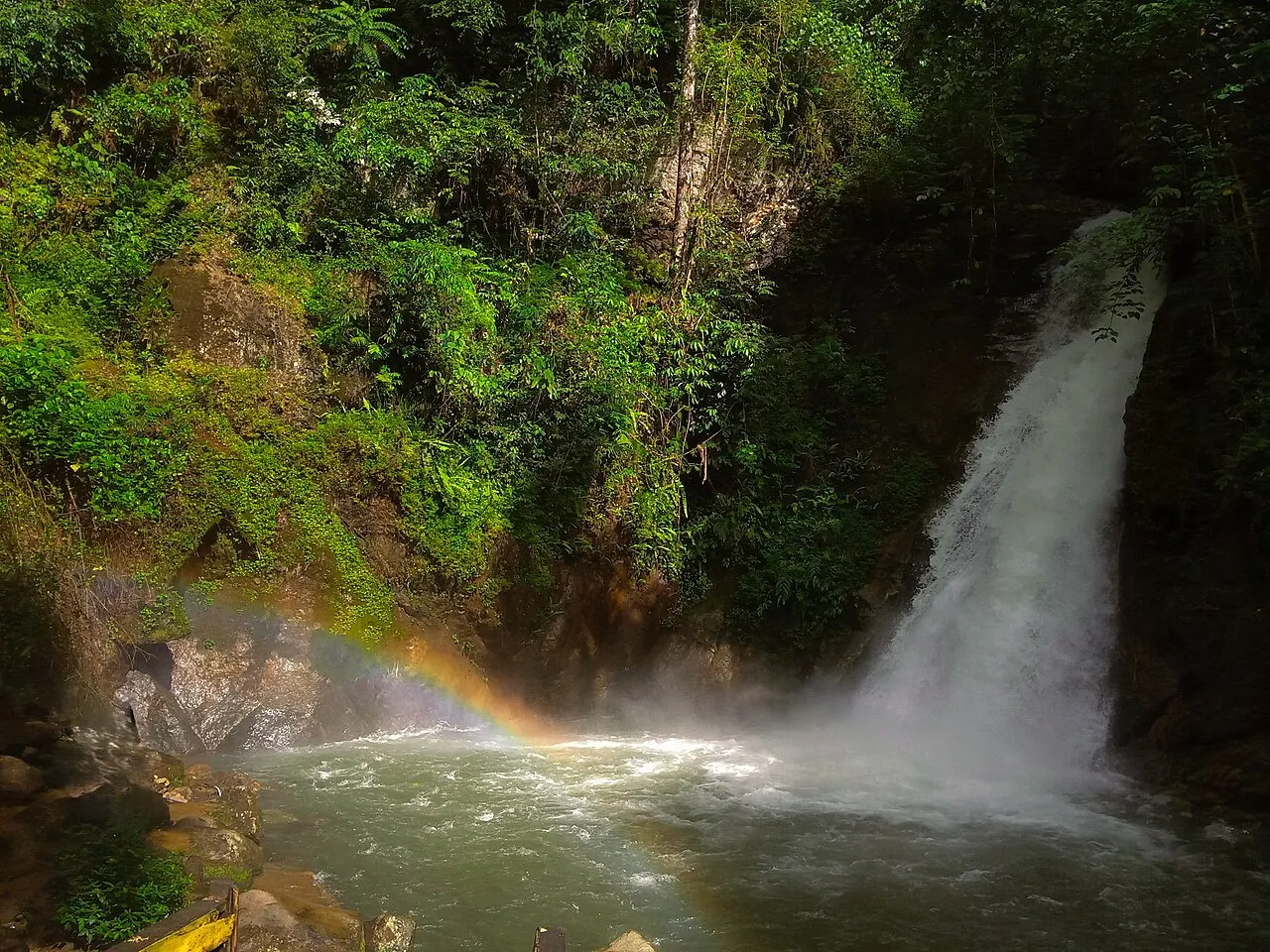
Kandangan, in Hulu Sungai Selatan, gives the food its geographic name. Travellers following the route towards Loksado can encounter the town as part of a broader South Kalimantan journey. A named regional dish is a useful introduction to its food culture, not a guarantee that every restaurant makes it identically.
Flavour and texture
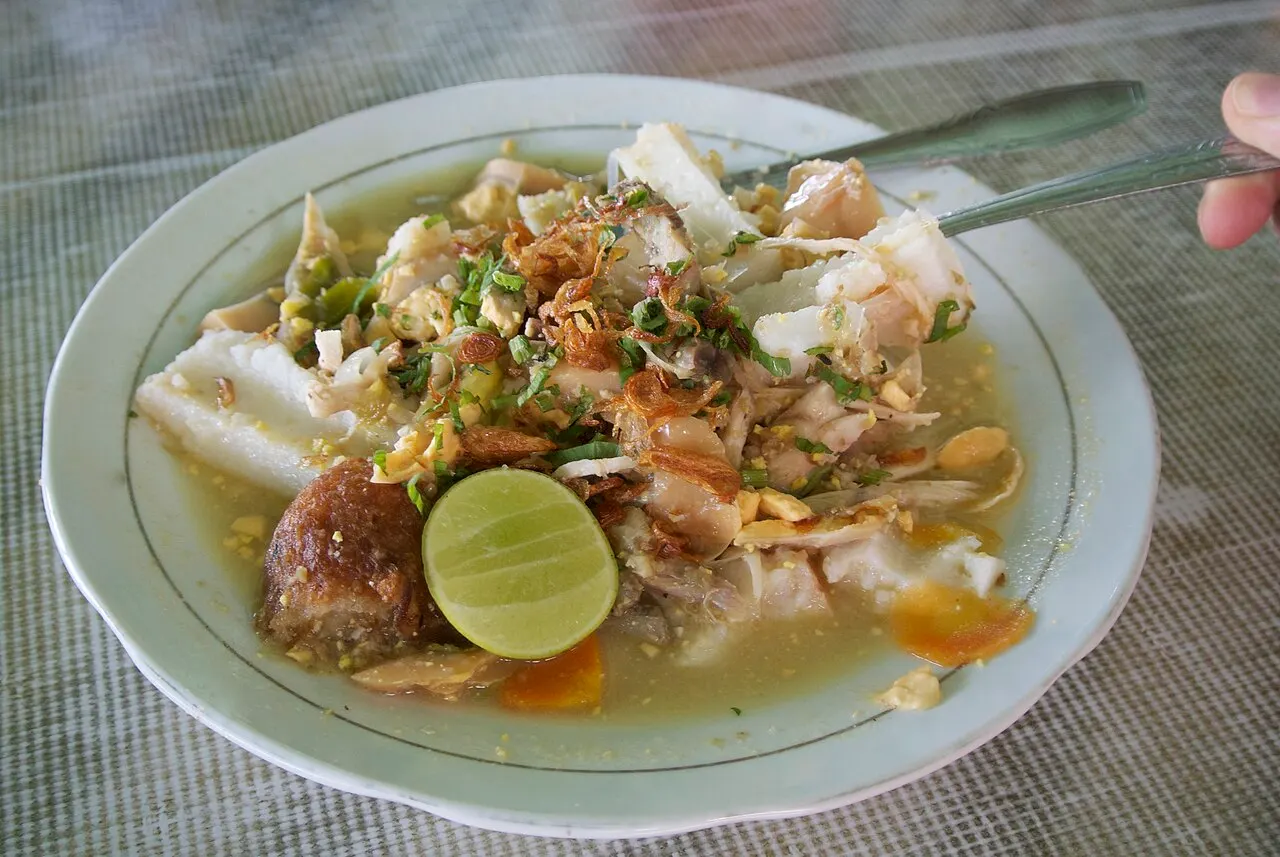
Coconut milk gives the sauce body and a rounded richness, set against the fish’s smoky note. The rice absorbs some of that flavour while keeping the meal grounded. This makes a different impression from the clearer broth of Soto Banjar, even though both can be served with ketupat.
Taste rice, fish and sauce together to understand the balance. Extra chilli changes the heat, but it is not the only flavour worth noticing. Check for fish bones and ask about accompaniments if you need to avoid particular ingredients.
Traditional preparation
Ketupat is cooked as a compact rice portion within a woven leaf casing. Fish preparation and the seasoned coconut sauce are separate stages, brought together for serving. That division gives the cook control over the rice texture, the fish’s smoky surface and the sauce’s consistency.
It is a fish-based main meal. Coconut milk and rice do not make it vegetarian, and replacing the fish would produce a different plate. Ask the kitchen how its haruan is prepared and whether the chilli is already in the sauce or served separately.