A guided wildlife stay in Tabin
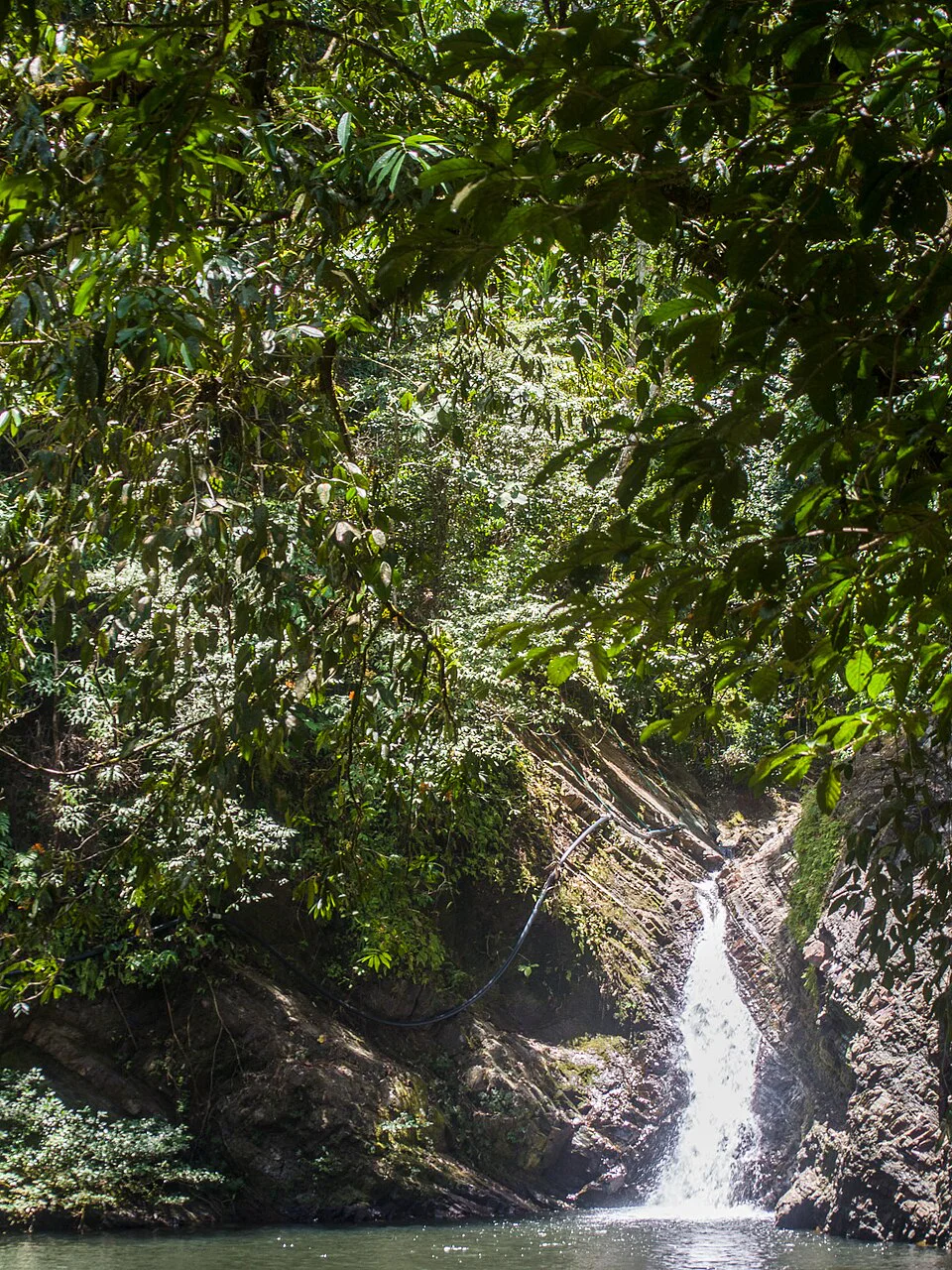
SabahUse a lodge stay to explore Tabin’s forest, mud volcano and wildlife routes, with time for different outings rather than a single rushed visit.

705 discoveries

Use a lodge stay to explore Tabin’s forest, mud volcano and wildlife routes, with time for different outings rather than a single rushed visit.

Central Bandar Seri Begawan can be explored through a walk linking the mosque landscape, royal history and the riverfront. The distances between the main central stops allow time to look at the city rather than spend the day moving between vehicles. A walk is especially rewarding for visitors interested in architecture and how the capital meets the Brunei River: grand public buildings and everyday waterfront activity sit within one compact urban setting. You can explore independently or use a guide for interpretation, shaping the route around the places open during your visit. Allow breaks for the heat and give an indoor museum its own time. The best version is an unhurried half-day that connects a few meaningful stops, not an attempt to photograph every landmark before lunch.

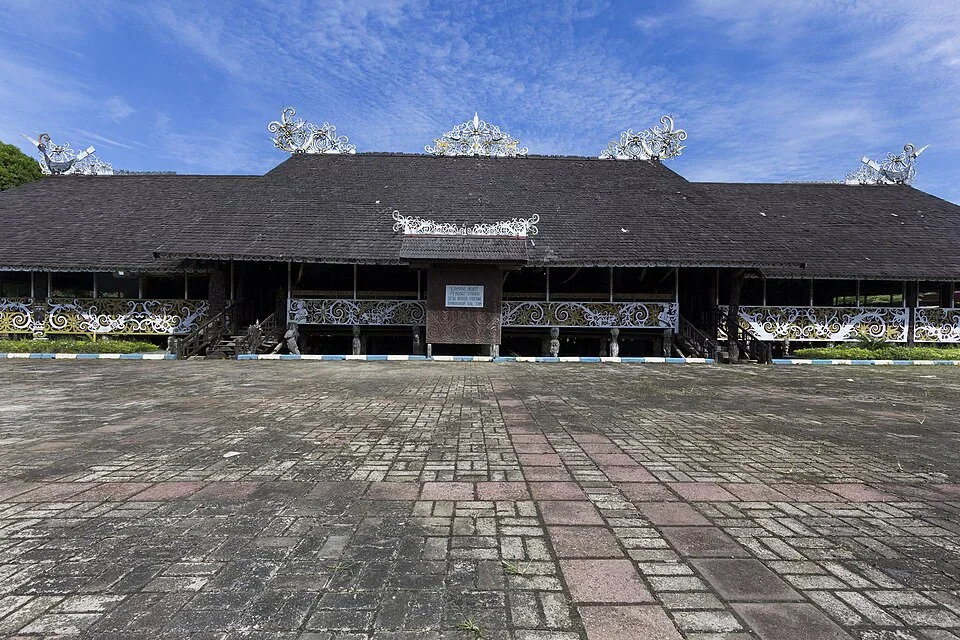
Plan a Sunday visit from Samarinda to Pampang’s community lamin for Kenyah dance and music, with time to understand the performance and meet local craftspeople respectfully.
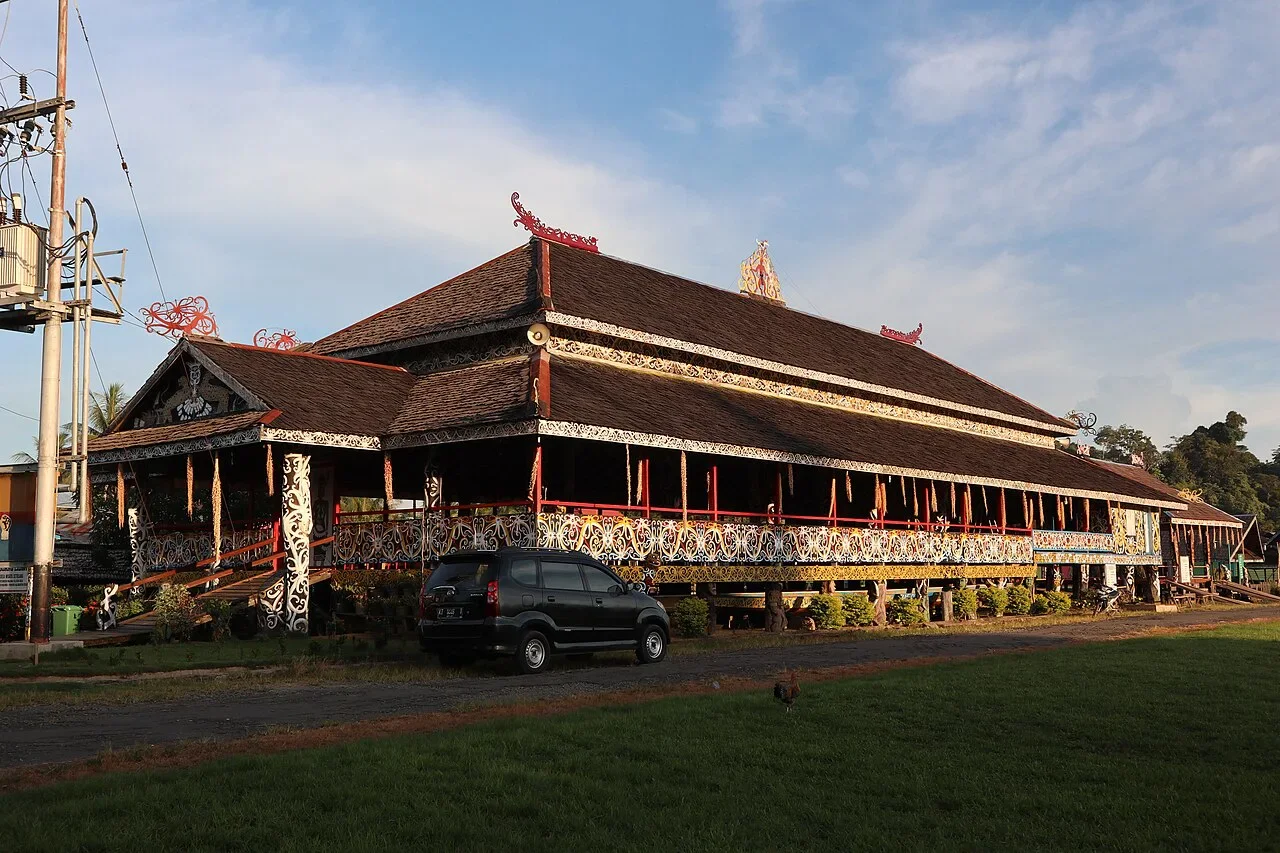
Arrange time with the hosts at Bavanggazo to learn about craft, food and longhouse life through a programme agreed before you arrive.
Spend time with Binusan’s community tourism hosts to learn about Tidung culture through an agreed programme of explanation, local skills and village hospitality.
Visit Malahing as an inhabited coastal community, arranging the boat and welcome before exploring its public spaces and local work.

Meet Setulang through a community-arranged programme of village places, stories and, when agreed in advance, Dayak Kenyah Oma Lung performance.

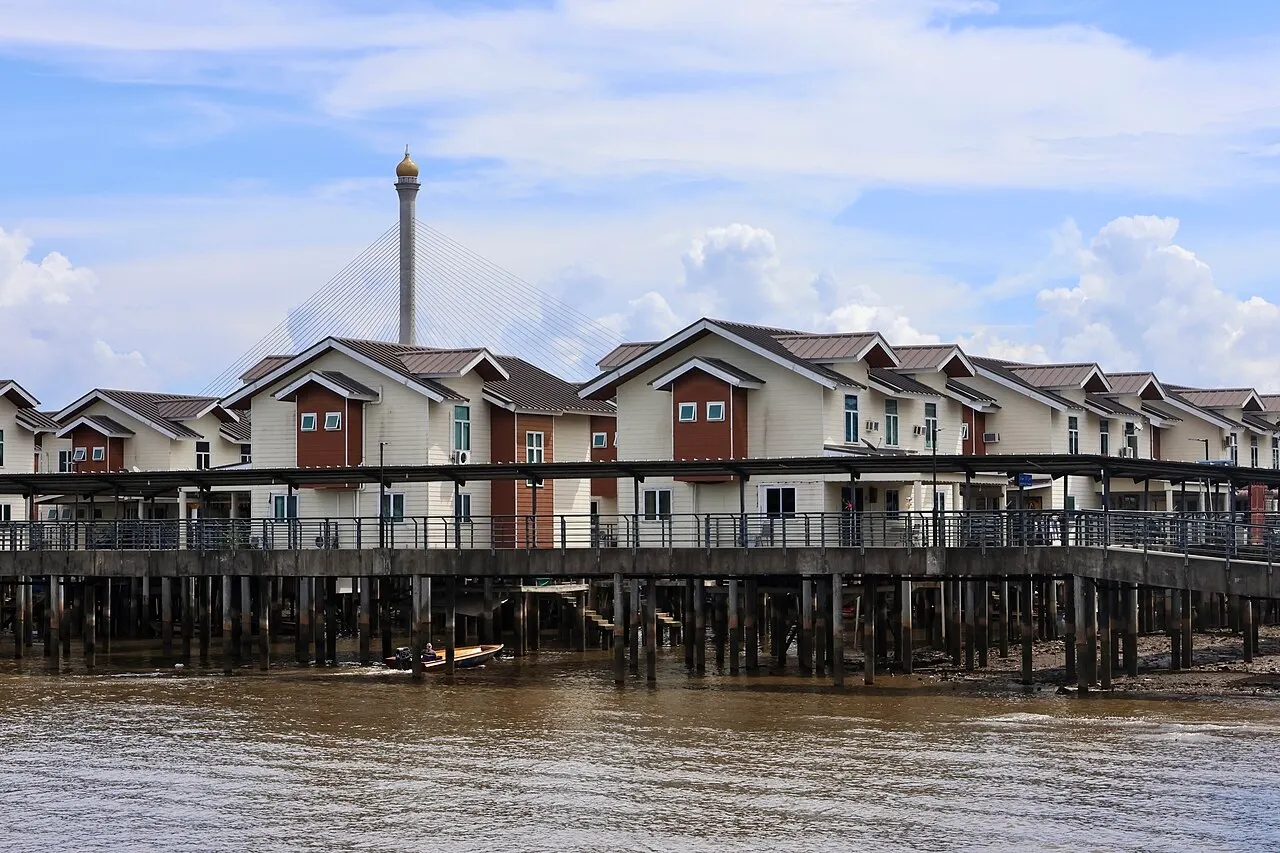
Across the Brunei River from central Bandar Seri Begawan, wooden walkways connect waterside neighbourhoods, jetties and homes raised above the water. A visit to Kampong Ayer combines a short water-taxi crossing with a closer look at the everyday architecture of a river settlement. Boats bring people to school, work and the city waterfront; the walkways form another network between buildings. With a local host, the route becomes a conversation about how these neighbourhoods function and change. This is especially rewarding for travellers interested in architecture, local history and living communities. Allow a few hours for the crossing, gallery and a walk rather than treating the village as a quick photograph from the opposite bank. Staying in central Bandar makes it easy to combine the visit with the capital's museums and waterfront.

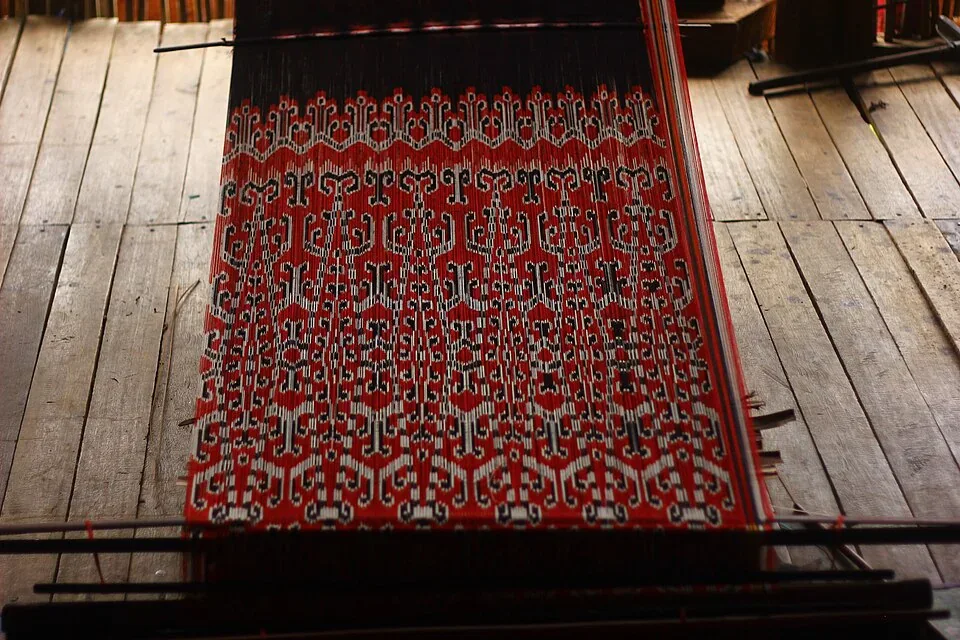
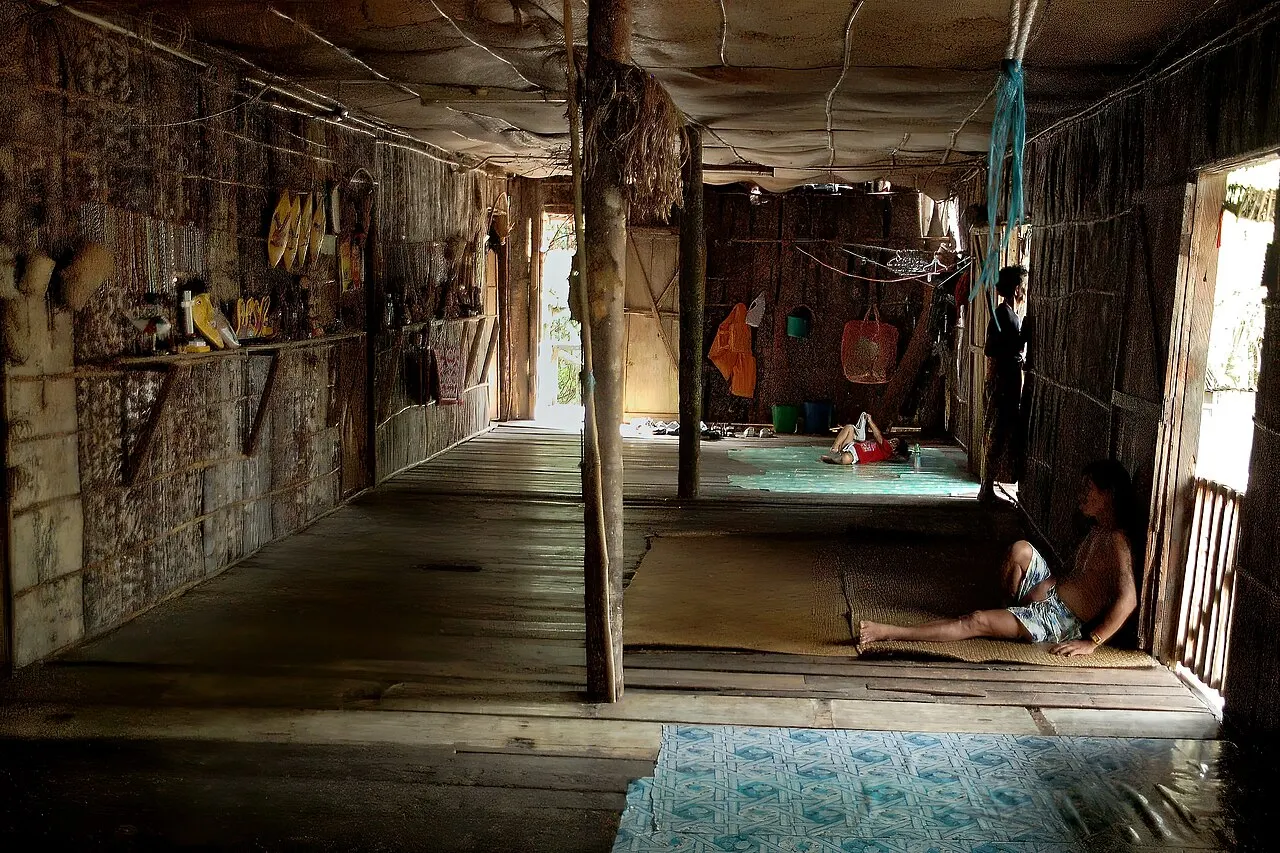
Visit the weavers of Ensaid Panjang near Sintang through a locally arranged introduction to Dayak Desa ikat. The longhouse is a lived-in home, so the best visit begins with an invitation, a clear plan and enough time for conversation with the people doing the work.
Explore the Somber River by small boat from Graha Indah in Balikpapan, looking into mangrove roots and treetops with a local guide and space for wildlife to remain undisturbed.

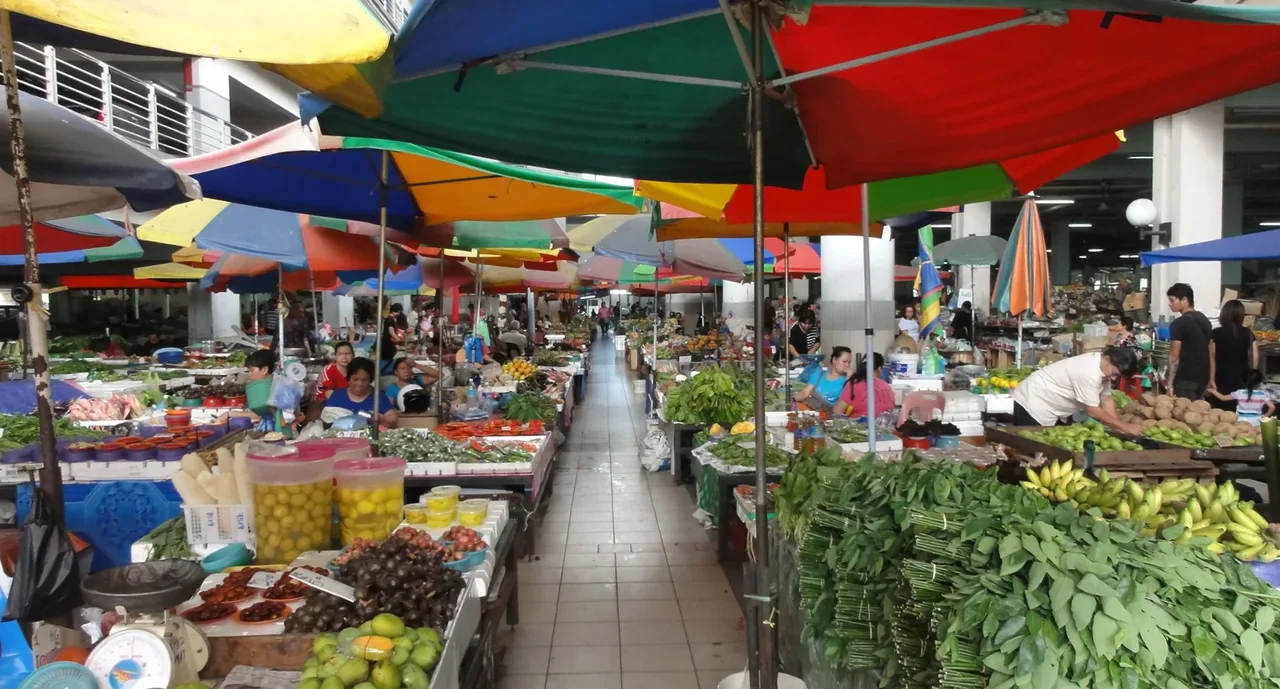
Explore Sibu's Central Market through its produce and food, then leave room for a fresh kompia stop when a bakery is working. This is a flexible tasting walk, with purchases and menus chosen on the day.
Explore everyday trade at Pusat Perbelanjaan Mentaya and make time for a meal nearby. This self-directed visit focuses on produce, ingredients and conversation, complementing Sampit’s museum and waterfront outing.

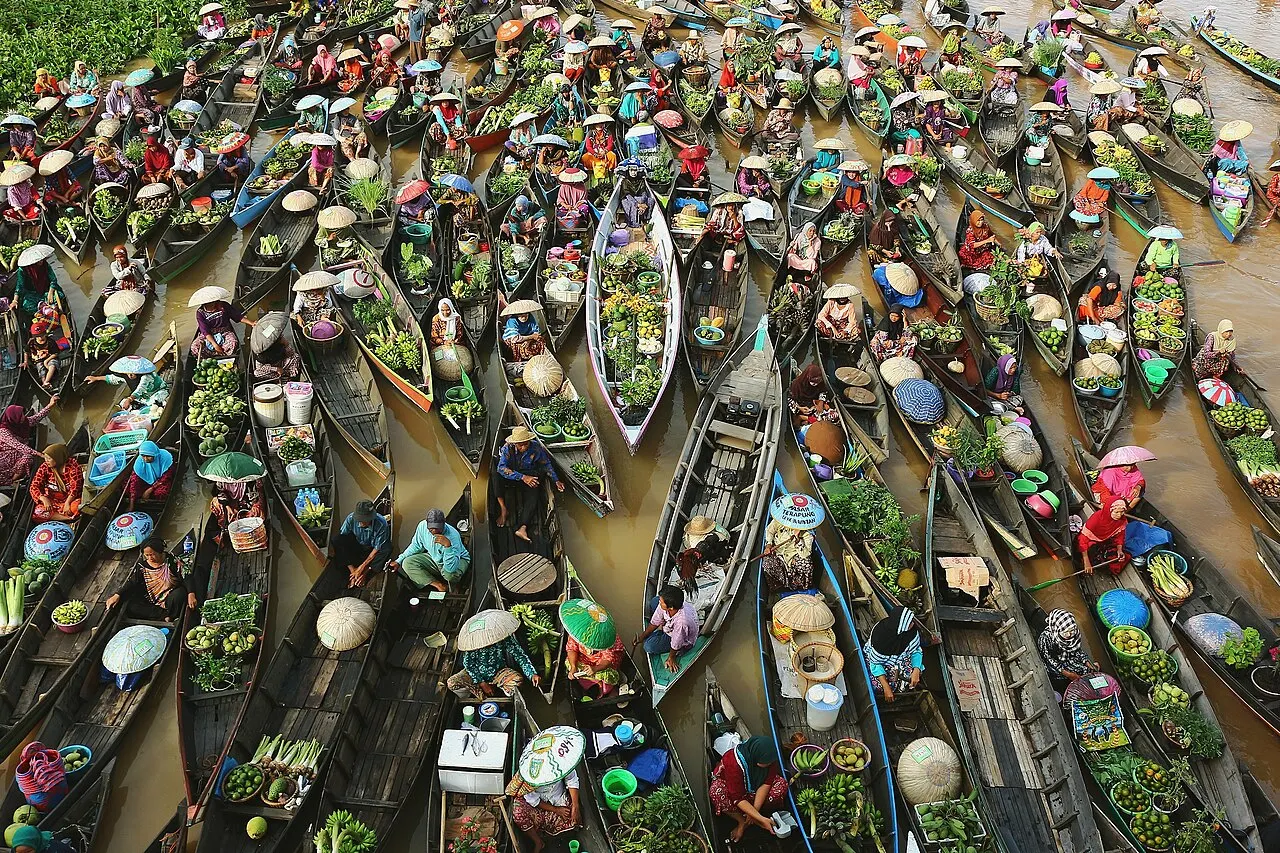
At Lok Baintan, the market moves with the boats. Traders bring produce and prepared food onto the Martapura River in small jukung, meeting customers and one another on the water. A visitor boat lets you observe that river-based trade from close by while the morning is still young. The experience is particularly appealing if you are interested in working waterways, local food and photography: the boats are part of an ordinary commercial setting, rather than scenery added to a fixed land market. An early start from a Banjarmasin base is the key practical choice. Arrange the transfer the previous day, bring space for a modest purchase and allow the boatman to approach without disrupting trade. The most rewarding visit gives attention to the people doing business, not just the colourful overview.
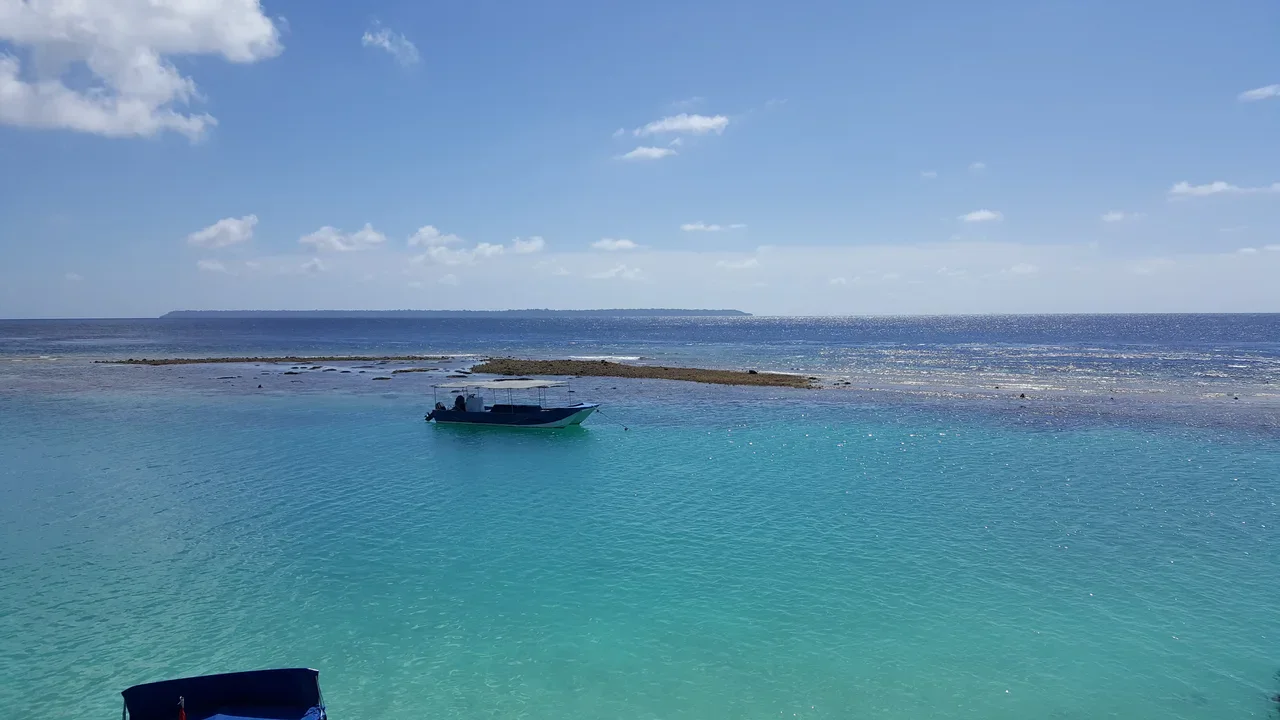
Take a boat from Kota Kinabalu for a focused island outing with snorkelling, beach time and a view back towards the city.

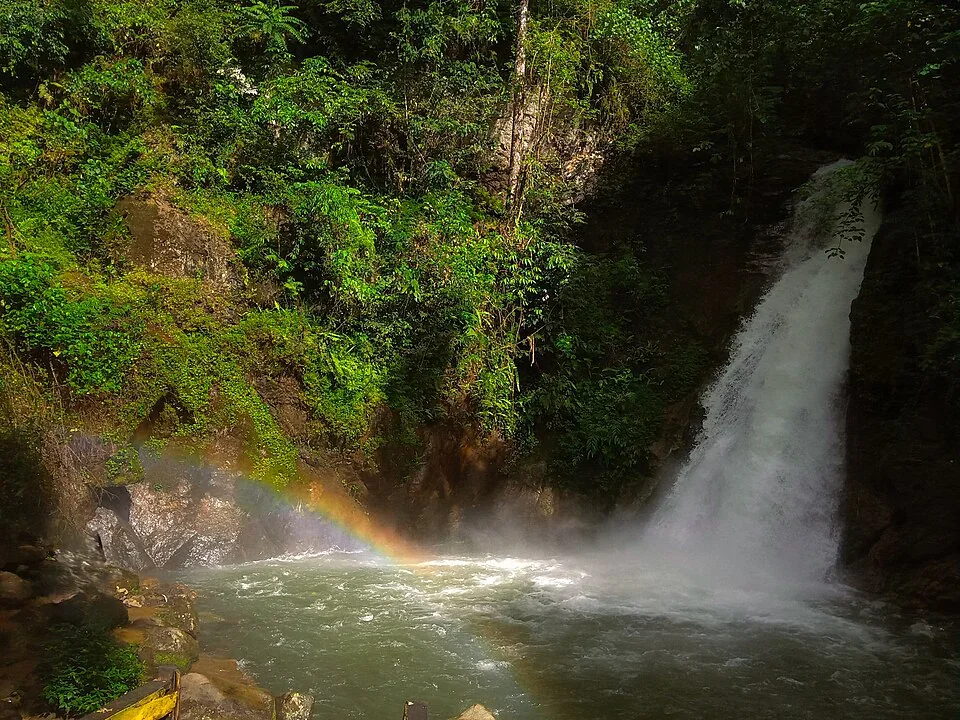
Make time for Haratai as a separate outing from Loksado, with a locally arranged approach and a final walk to the falls. The journey through the village landscape is part of the experience; leave enough time to enjoy it without racing between river and waterfall activities.
Travel into Deramakot with an organised four-wheel-drive programme and give patient wildlife observation several evenings to unfold.

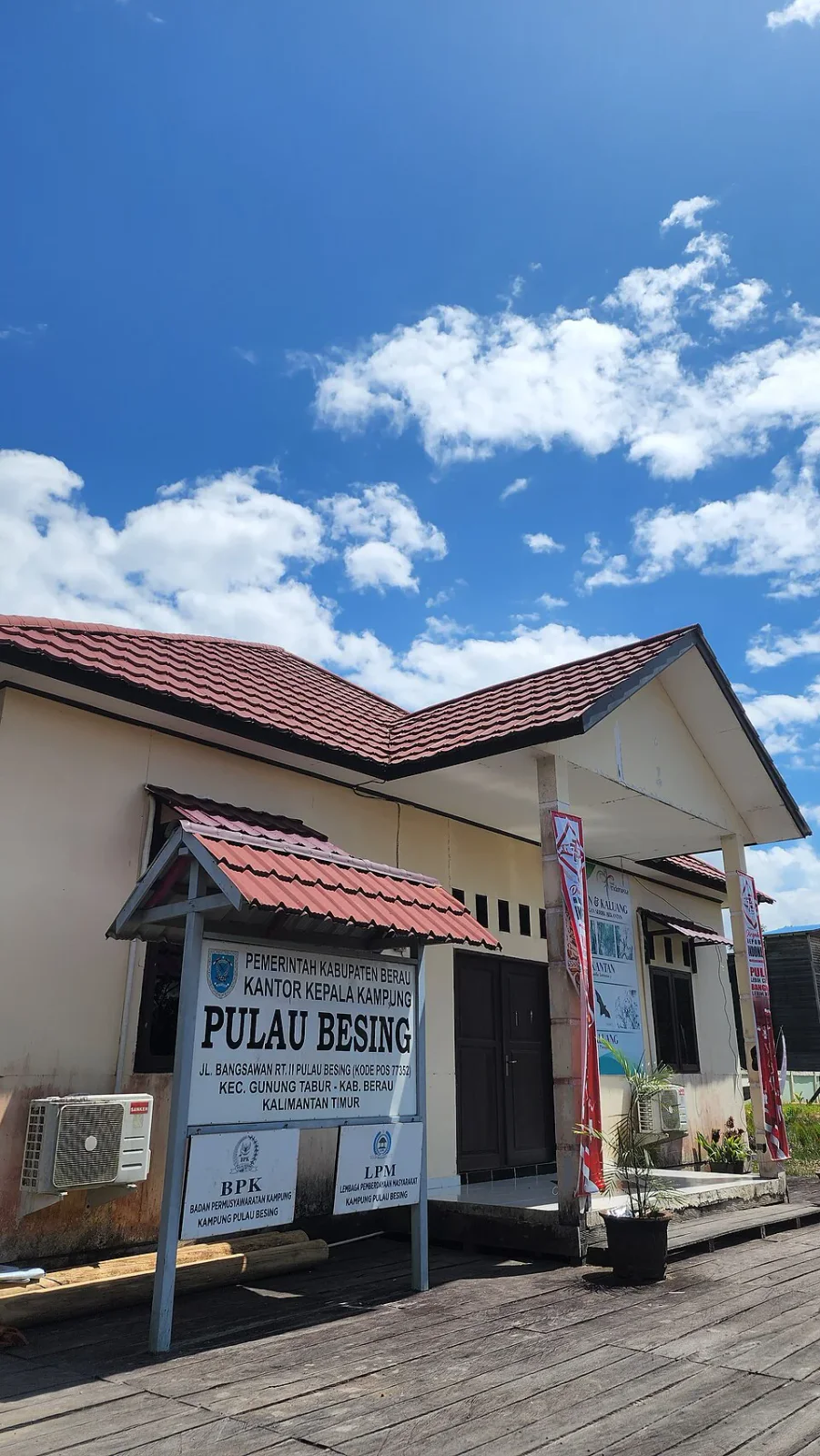
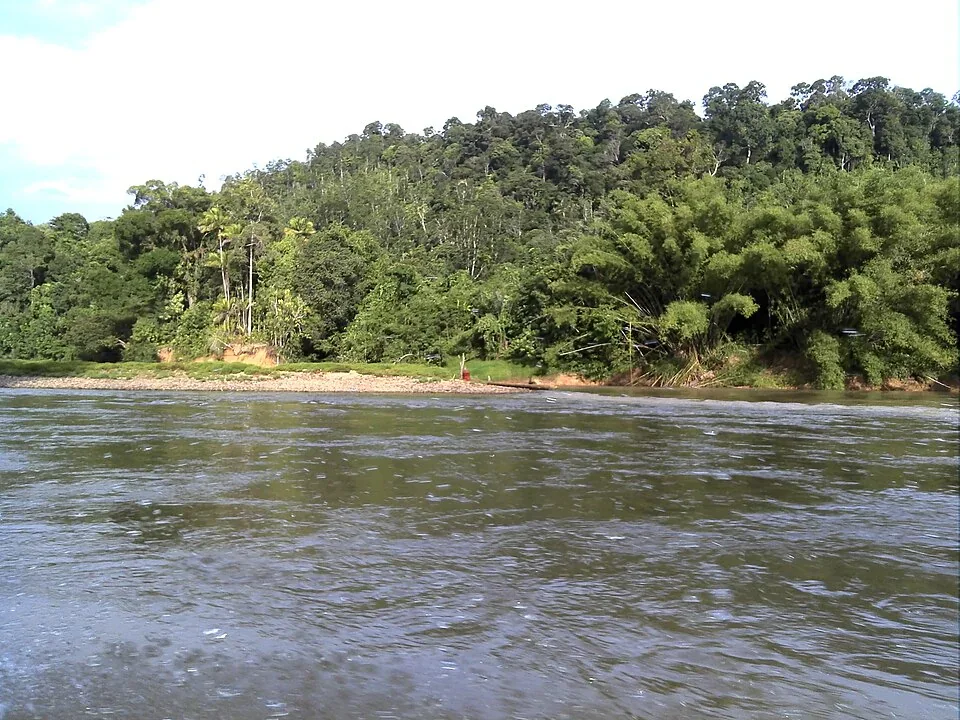
Explore a mainland Berau river setting where an officially documented boat journey encountered mangroves, proboscis monkeys and flying foxes around Batu-Batu and Pulau Besing.

Take a short boat journey through Pangkalan Bun’s riverside neighbourhoods, with time to observe the town from the water and hear how the Arut connects local life and history.

Follow the Embaloh River from Sadap towards Tekelan on a guided expedition that combines wooden longboats, riverside camping, forest walks and an Iban village connection.

See Sampit from the water on a locally arranged small-boat trip. The Mentaya’s neighbourhoods and river traffic offer a different perspective from the waterfront; agree the actual route and return before boarding.
Make time after dusk for the Nur Mentaya streetscape and its food stalls. This urban evening visit offers another side of Sampit beyond the museum and river, with decorative lighting along a working road.

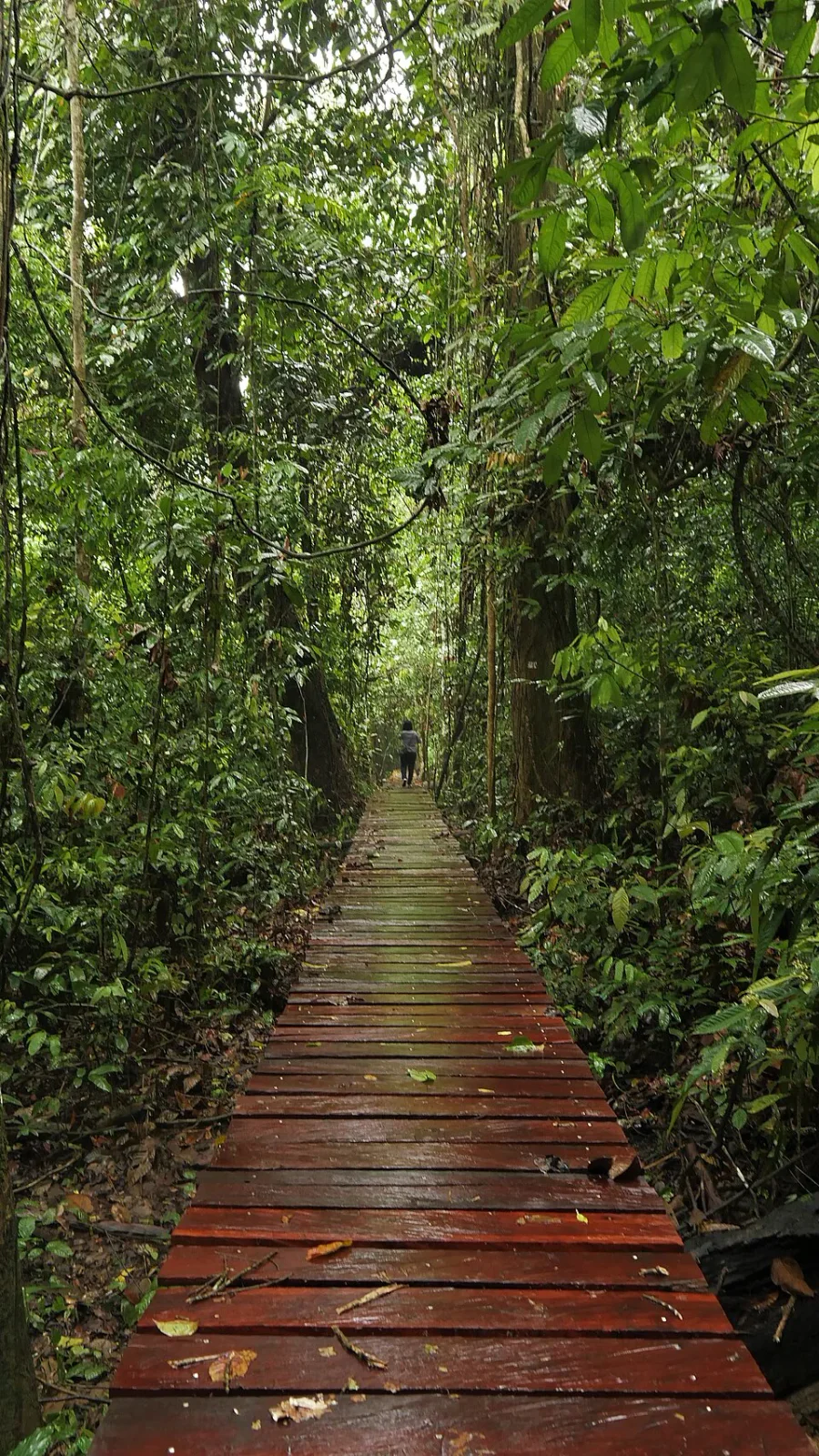
Follow the forest route at Sangkima in Kutai National Park, with a shorter boardwalk visit centred on a giant ulin tree and a longer walk for those who want more time among the trees. Arrange the route around current trail conditions and your group’s walking ability.
Travel into Sebangau’s Punggualas sector by road and river, sleep at a simple forest base, and explore peat-swamp habitat with a local guiding team.
Travel inland on a Mahakam houseboat, with smaller-boat excursions towards Jempang Lake and Mancong, village visits and the option of a longer route to Melak.
Arrange a hosted introduction to agarwood cultivation and distillation at a named Tutong producer.

Visit Annah Rais with local interpretation and respect for the people who live there.

Spend three days with a highland host programme centred on salt making, paddy landscapes and village life.

Travel by road and boat from Kuching to Bako for coastal forest trails and patient wildlife observation.

Stay inside Bako to experience its forest after the day boats leave and return to the trails the following morning.
Sungai Kupah lists bakol weaving among its community activities. A session with a maker offers a hands-on contrast to the village's mangrove and river visits. Start with an interest in the process: a basket's shape, material and practical use give a more meaningful conversation than simply looking for something to buy.

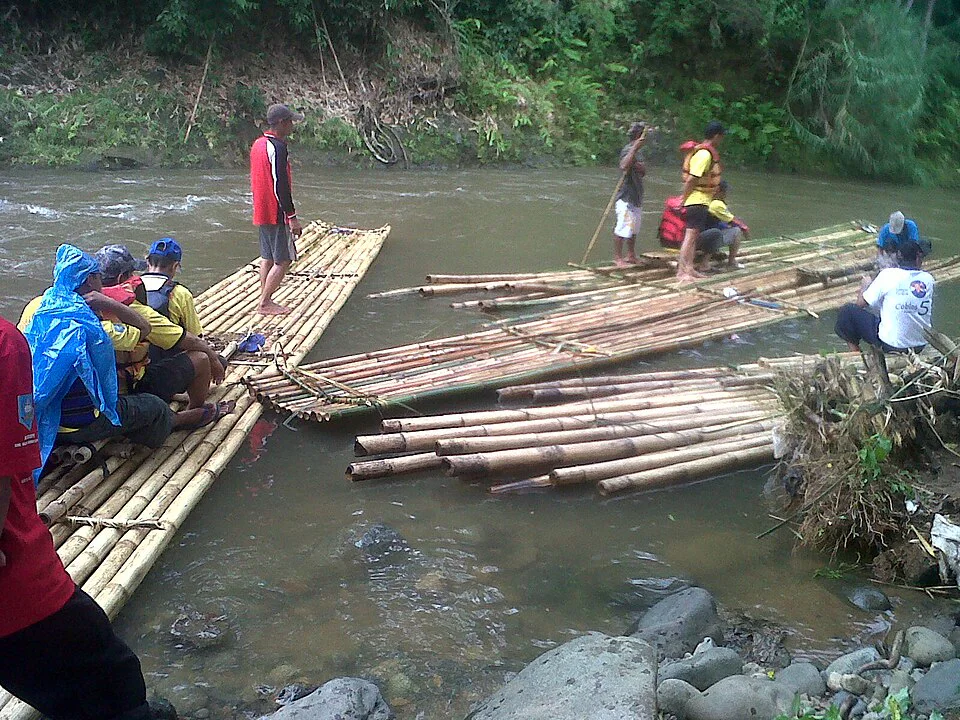
A bamboo raft gives the Amandit a different rhythm from walking beside it. With a local handler, you travel low on the water through the Loksado landscape. The craft and the river are central to the experience: this is a guided water activity with changing conditions, not a passive sightseeing platform.
Use a Batulicin stop to understand its urban corridors and try food from the wider Tanah Bumbu region. This flexible independent outing combines everyday town observations with a meal, while keeping working ports and distant excursions separate.

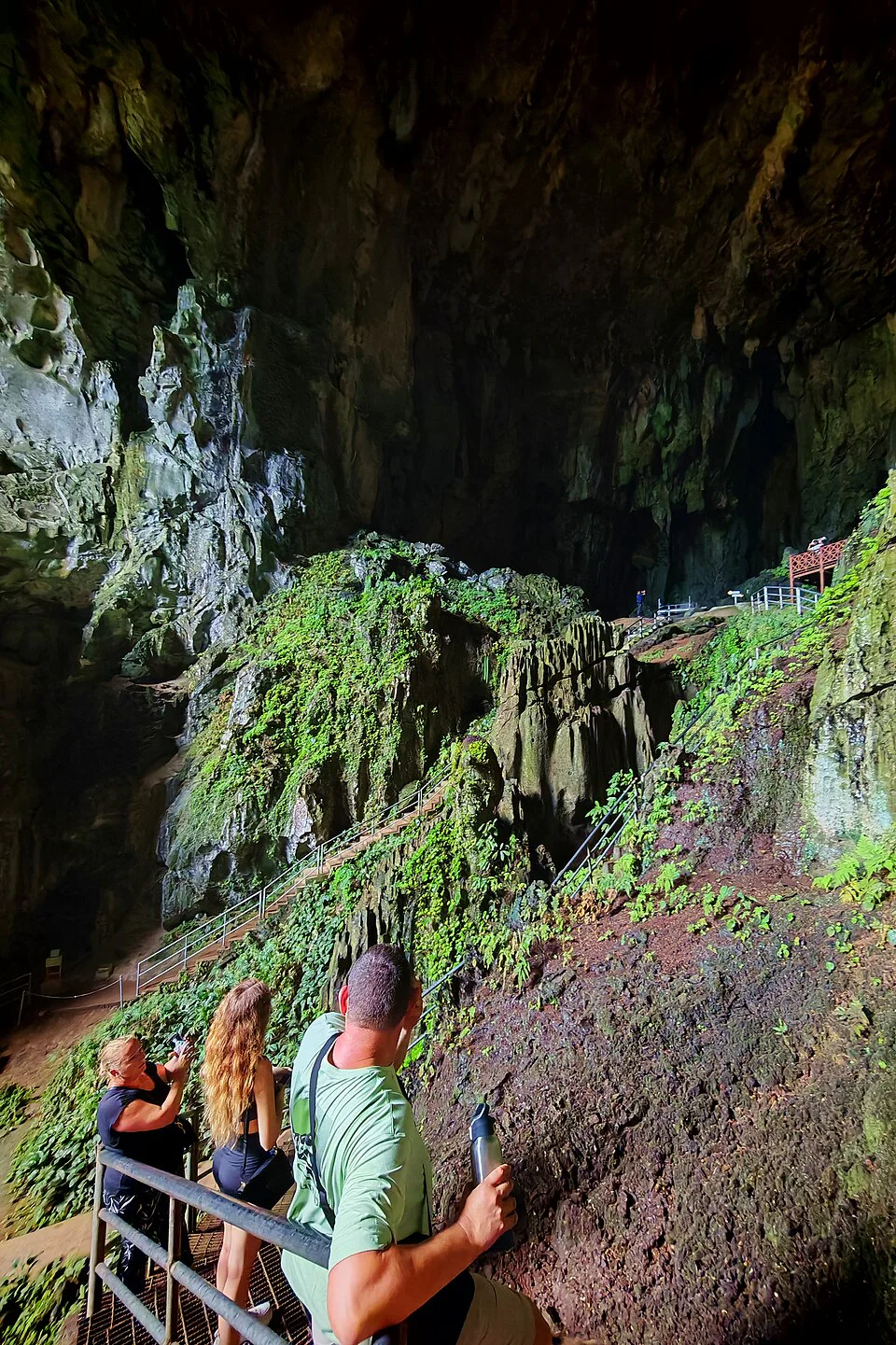
Explore Bau’s cave landscapes on a guided outing from Kuching, distinguishing visitor paths from technical caving.

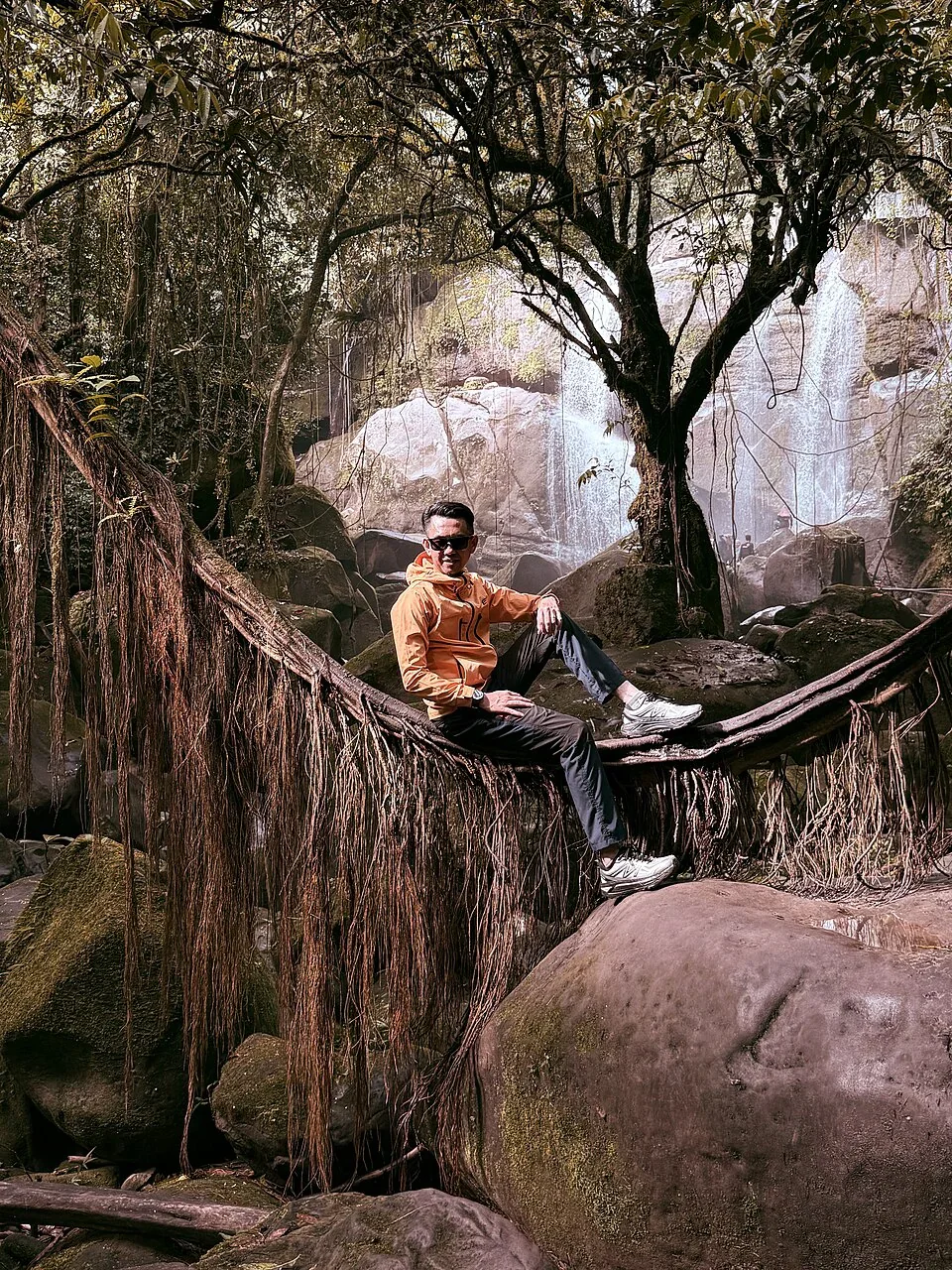
Cross Bengoh reservoir by boat, then walk with a local guide to forest waterfalls. Allow a full day from Kuching and choose the actual walking route before booking.
Adan rice connects a meal with the cultivated valleys of the Krayan highlands. White, red and black varieties, local farming knowledge and the rhythm of rice fields make this North Kalimantan staple more than a named restaurant dish.

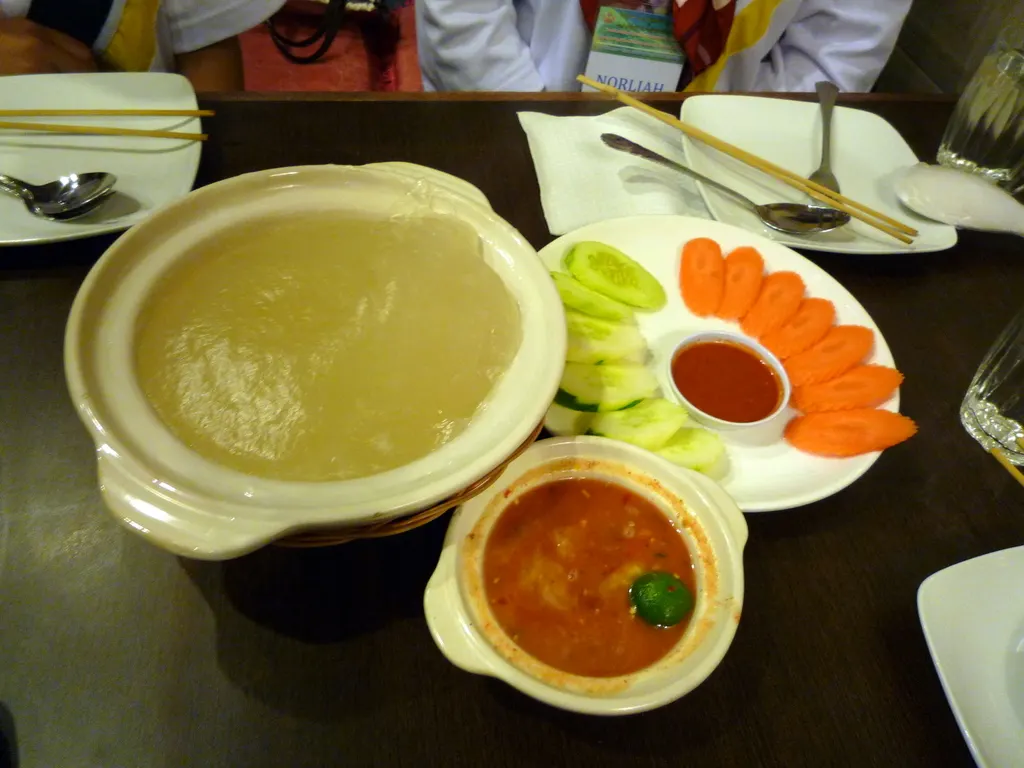
Ambuyat is Brunei’s sticky sago staple, eaten with a sour or spicy cacah dip and a spread of side dishes. The pleasure lies in the contrast between its mild base, lively accompaniments and the turning motion of the bamboo candas.

Amplang is a crisp fish cracker associated with East Kalimantan, especially familiar as a snack and take-home food. Its appeal lies in the combination of a light crunch and savoury fish flavour.
Ayam pansuh, also called manuk pansuh, is chicken cooked inside bamboo in Sarawak. Ginger and lemongrass scent the meat, while the bamboo vessel creates a moist preparation connected with Dayak food traditions.

Bambangan is an aromatic Bornean mango, valued in Sabah both as fruit and as a tangy preserved accompaniment. Tonsom or nonsom bambangan places its fibrous flesh at the centre of a Kadazandusun food tradition.
During Erau in Tenggarong, Beseprah turns food into a shared public occasion, with people sitting together to eat.
Aji Pangeran Tumenggung Pranoto is Samarinda’s airport at Sungai Siring on the Bontang–Samarinda road corridor. It is also a flight gateway to compare for an onward road journey to Bontang or Sangatta, with those transfers planned separately.

Coordinate your Maratua accommodation with the mainland arrival, boat journey and any overnight in Tanjung Redeb or Tarakan before booking flights.

The Sultan Haji Omar ‘Ali Saifuddien Bridge connects the capital side of Brunei with Temburong; arrange the vehicle and the final destination as part of one clear plan.

Plan the inland railway leg with the Sabah State Railway timetable.

Plan the passenger-boat connection from Tanjung Redeb through Tanjung Batu to Tarakan, with separate arrangements for terminals, baggage and onward travel.
Bersujud is the airport serving the Batulicin–Simpang Empat area, on the Kodeco road corridor. Its registered public-airport status does not establish a particular daily passenger service; confirm an actual flight before planning around it.

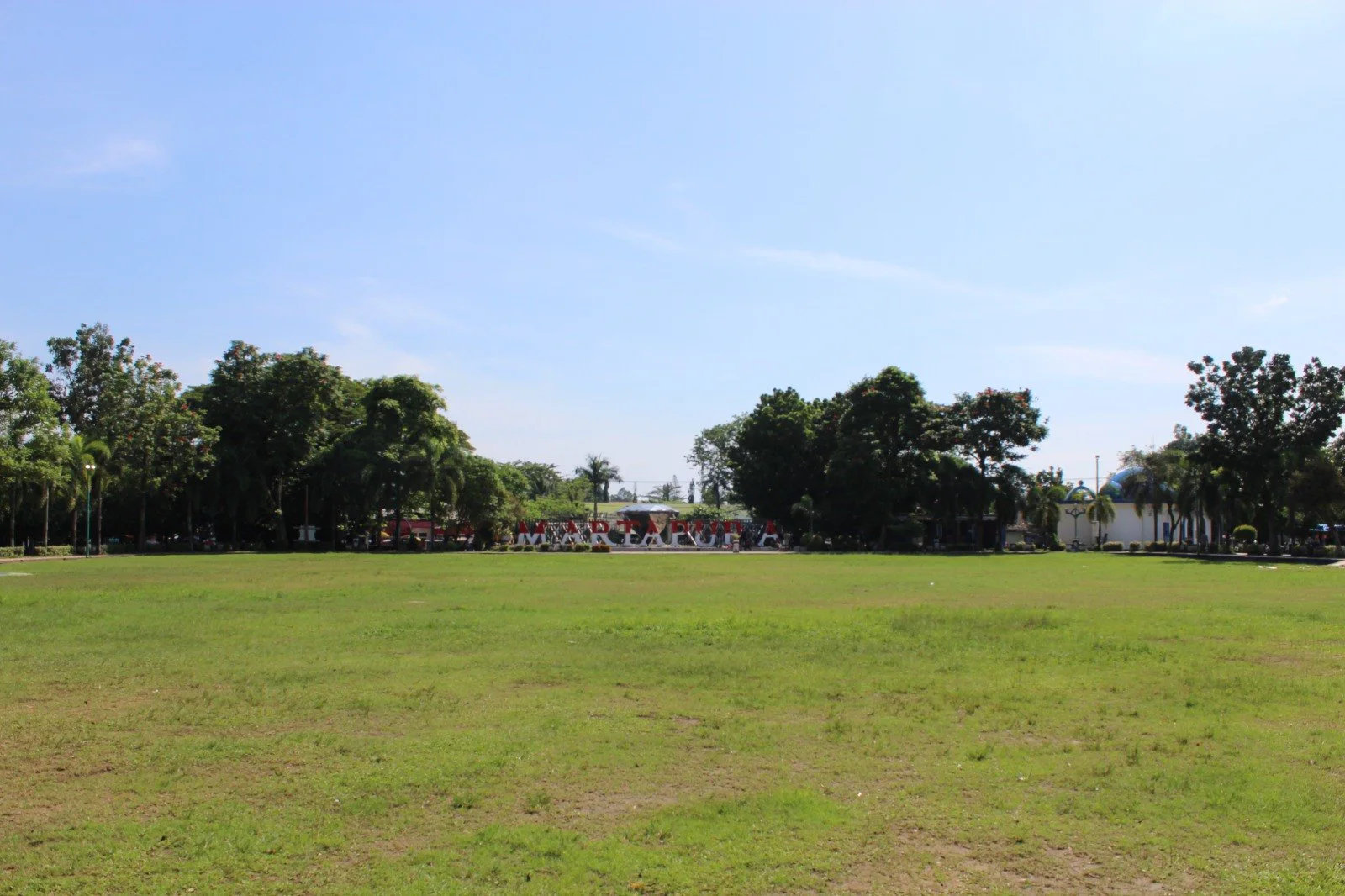
A public green square in central Martapura, Alun-alun Ratu Zalecha offers a pause between the town’s shops, food stops and cultural places.

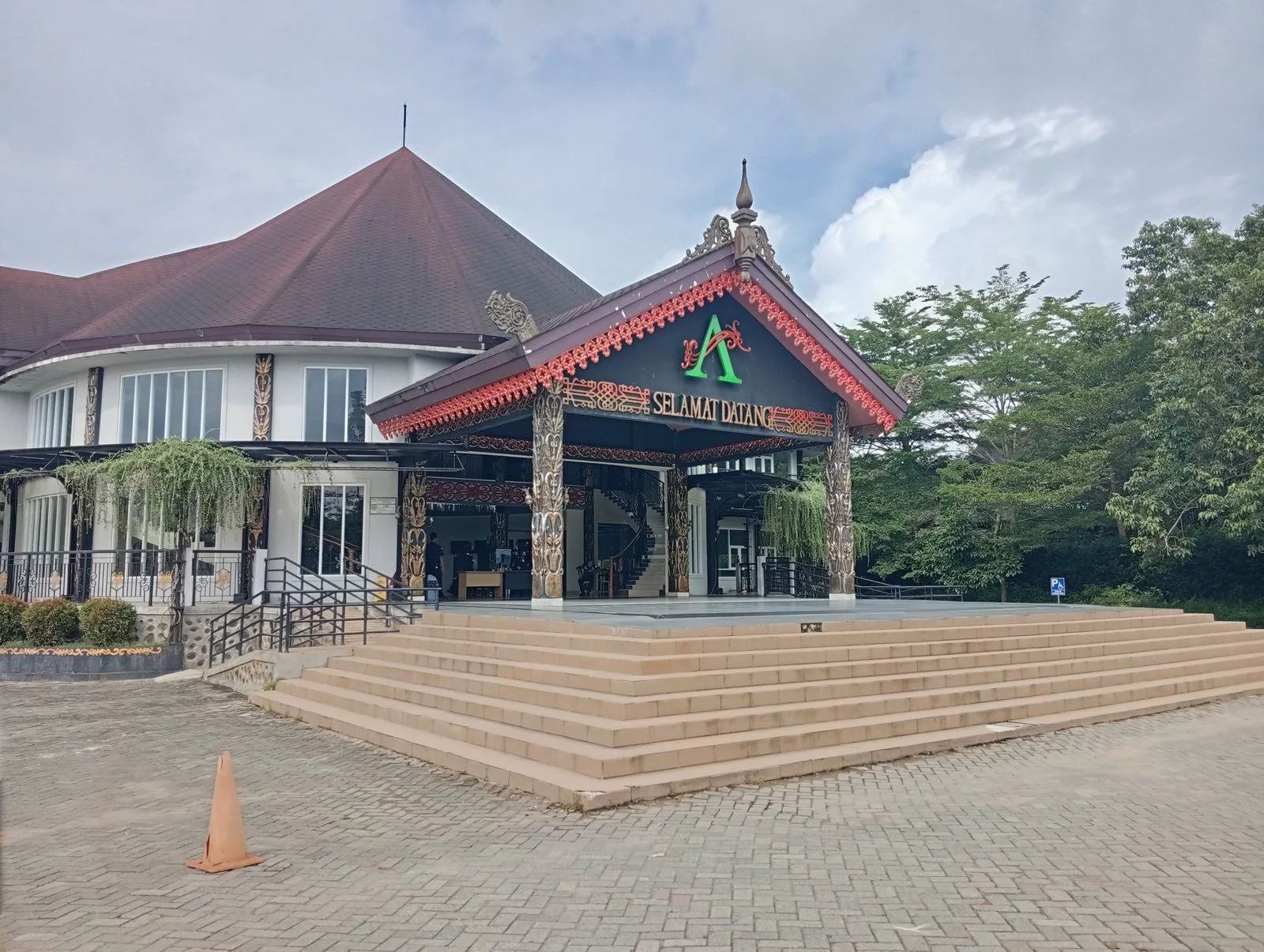
Amanah Borneo Park in Banjarbaru’s Palam area offers a family day of managed recreation, play spaces and outdoor attractions, with the visit shaped around your group’s interests.

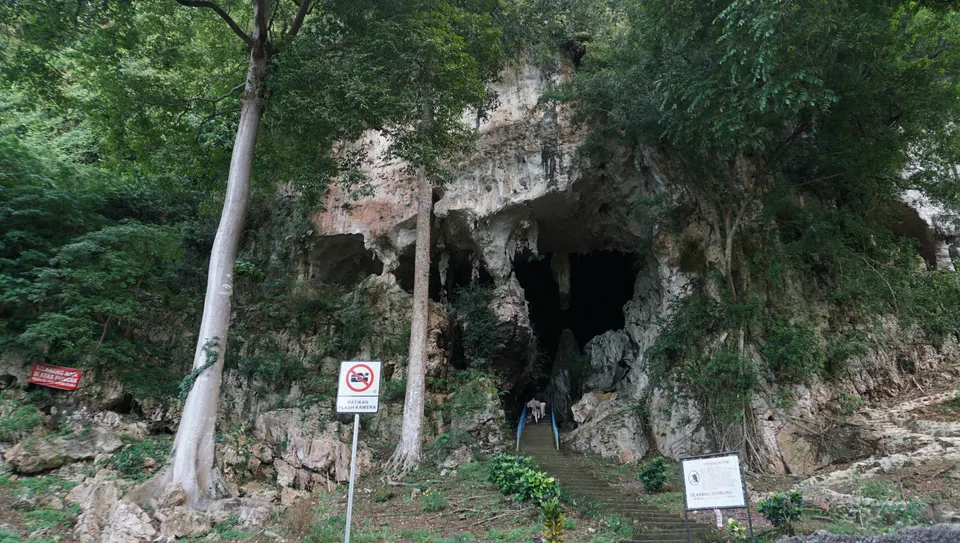
Batu Hapu is a karst-cave visitor site in Tapin, with a broad entrance and limestone formations. Arrange local guidance and stay within permitted visitor areas.

Batu Lamampu is a beach and rocky shoreline at Tanjung Karang on the Indonesian side of Sebatik. It is best approached as a locally arranged coastal stop, with time for the rocks and sea view and a confirmed return journey.
Plan a local island visit off Bontang with a confirmed boat, suitable sea conditions and a clear return arrangement.

Bako National Park puts coastal rock, mangroves and several very different forests within reach of Kuching. Its appeal is the transition between them: a shaded trail can lead towards exposed sandstone and a tidal shore, while proboscis monkeys use forest edges without following a visitor timetable. This is a managed national park with a visitor headquarters, trails and bookable accommodation, rather than an unrestricted stretch of coastline. Getting there involves a road journey to Kampung Bako followed by a boat; sea conditions and the return arrangement are part of the day's planning. A full day allows a focused introduction, while a confirmed overnight stay gives more time for the forest. Choose routes with the park guide and staff, and leave space for weather, rest and observation instead of trying to complete every trail.

Batang Ai National Park protects rainforest in an inhabited river landscape in southern Sarawak. Wild orangutan habitat is the ecological attraction, while Iban communities, rivers and the hydroelectric lake shape how visitors reach the surrounding region. The distinction matters: an itinerary sold as Batang Ai may visit a lodge, longhouse and forest outside the national park rather than cross its legal boundary. This is not a park with a single confirmed walk-in visitor entrance. A useful trip starts with an agreed host and route, normally organised from Kuching, followed by road and boat travel. Treat it as a multiday forest and community journey, with wildlife as a possibility rather than an appointment. Public information confirms regional visits, but the current permissions for entry into the protected park itself should be confirmed for the specific itinerary.

Betung Kerihun is a national park in the upper Kapuas region of West Kalimantan, where forested river catchments rise toward the Sarawak border. Its appeal is the transition from lowland forest to upland landscapes, rather than one easily reached viewpoint. Orangutans are documented here, but this is not a feeding-station excursion. For travellers, the essential decision is whether to organise a substantial, locally guided river and forest journey. Putussibau is a planning gateway, not a park entrance. Current route approval, boats, guides and overnight arrangements need to be settled before travelling into the interior; a road map or provincial itinerary cannot supply those details.
Balikpapan brings a working coast, leafy urban edges and a lively food scene together. Spend two days between Kemala beach, Kebun Sayur’s craft stalls and a carefully arranged forest or mangrove visit, with time for mantau and warm pisang gapit.

Banjarbaru invites a slower look beyond the airport: a regional museum, civic squares, pine shade and neighbourhood kitchens beside the Kemuning. Spend two or three days moving between the city’s public spaces and the people who give its planned streets character.

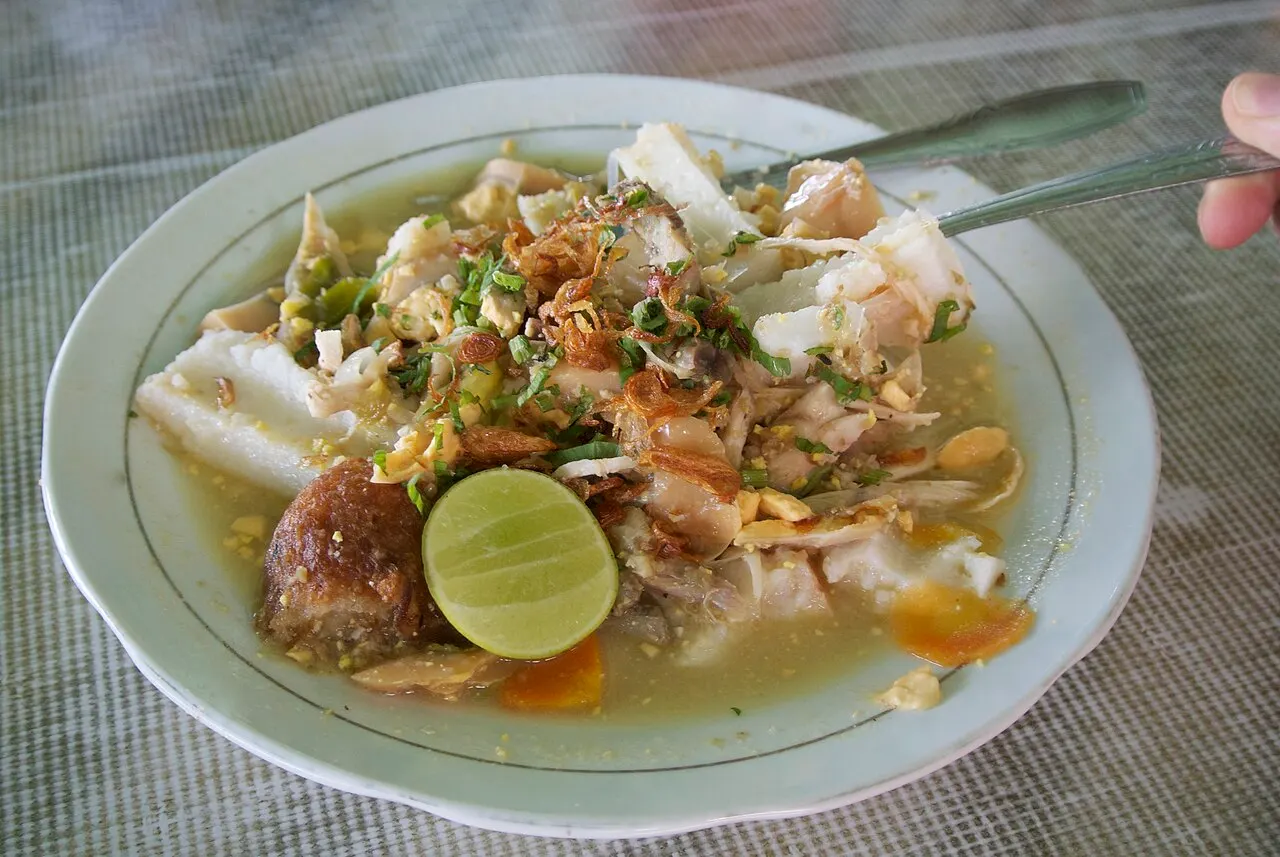
Banjarmasin is a place to understand South Kalimantan through its rivers and Banjar urban life. A visit can move between a dawn market journey, textile traditions and a bowl of soto, with time to see how waterways remain part of a working city. It is a rewarding base for travellers interested in food and culture rather than a single monument. Choose a few nights here for river excursions and neighbourhood visits, then continue separately to the Meratus foothills. The city and its surrounding regency are closely connected by travel, but attractions such as Lok Baintan have their own locations and access arrangements.

Belait connects Brunei’s petroleum history and municipal towns with inland forest landscapes and living community heritage.