Indonesia
Nanosanchez · Wikimedia Commons · CC BY-SA 4.0 · Cropped · OriginalKalimantan
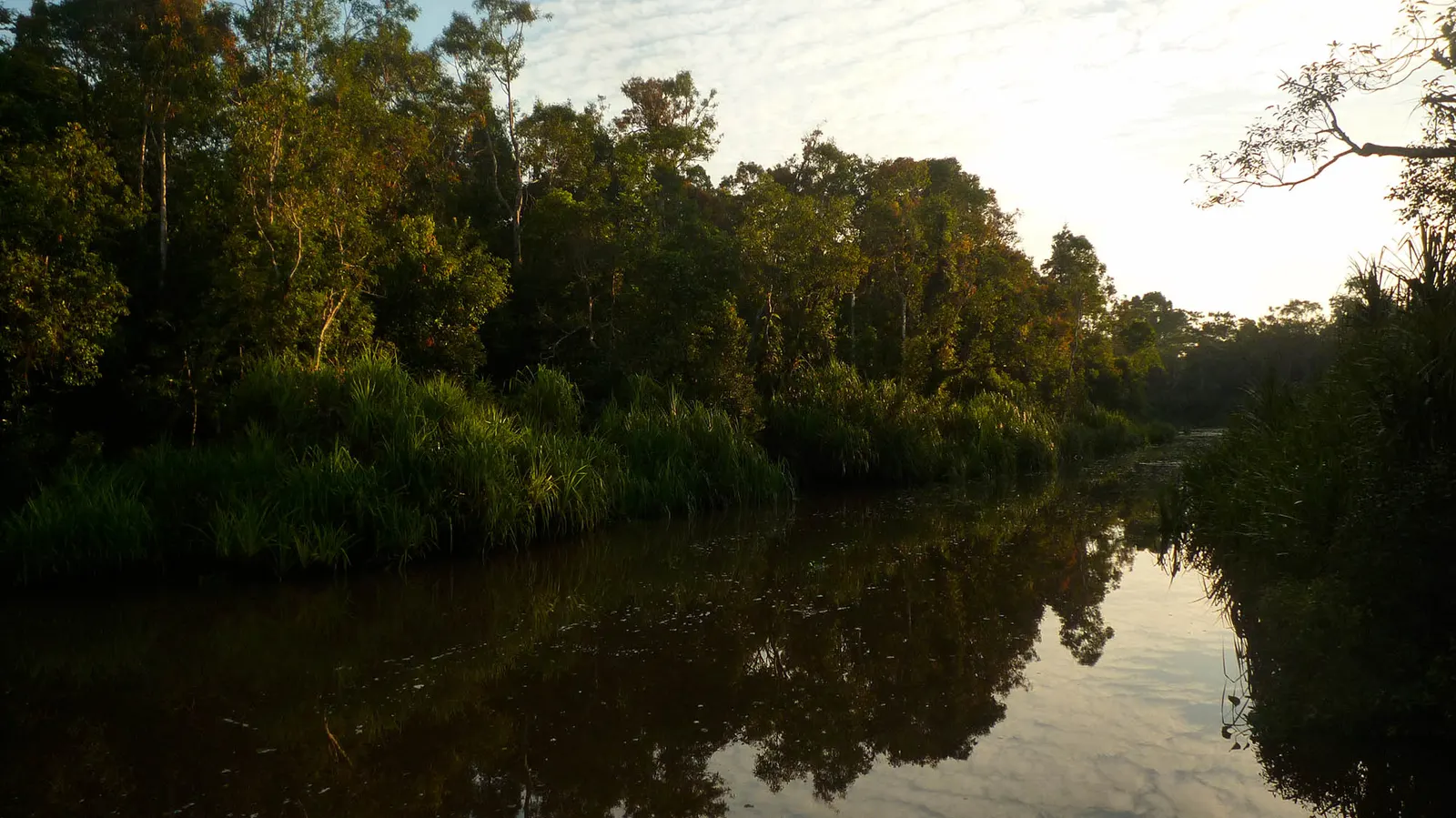
River cities, peat forests and five Indonesian provinces to explore.

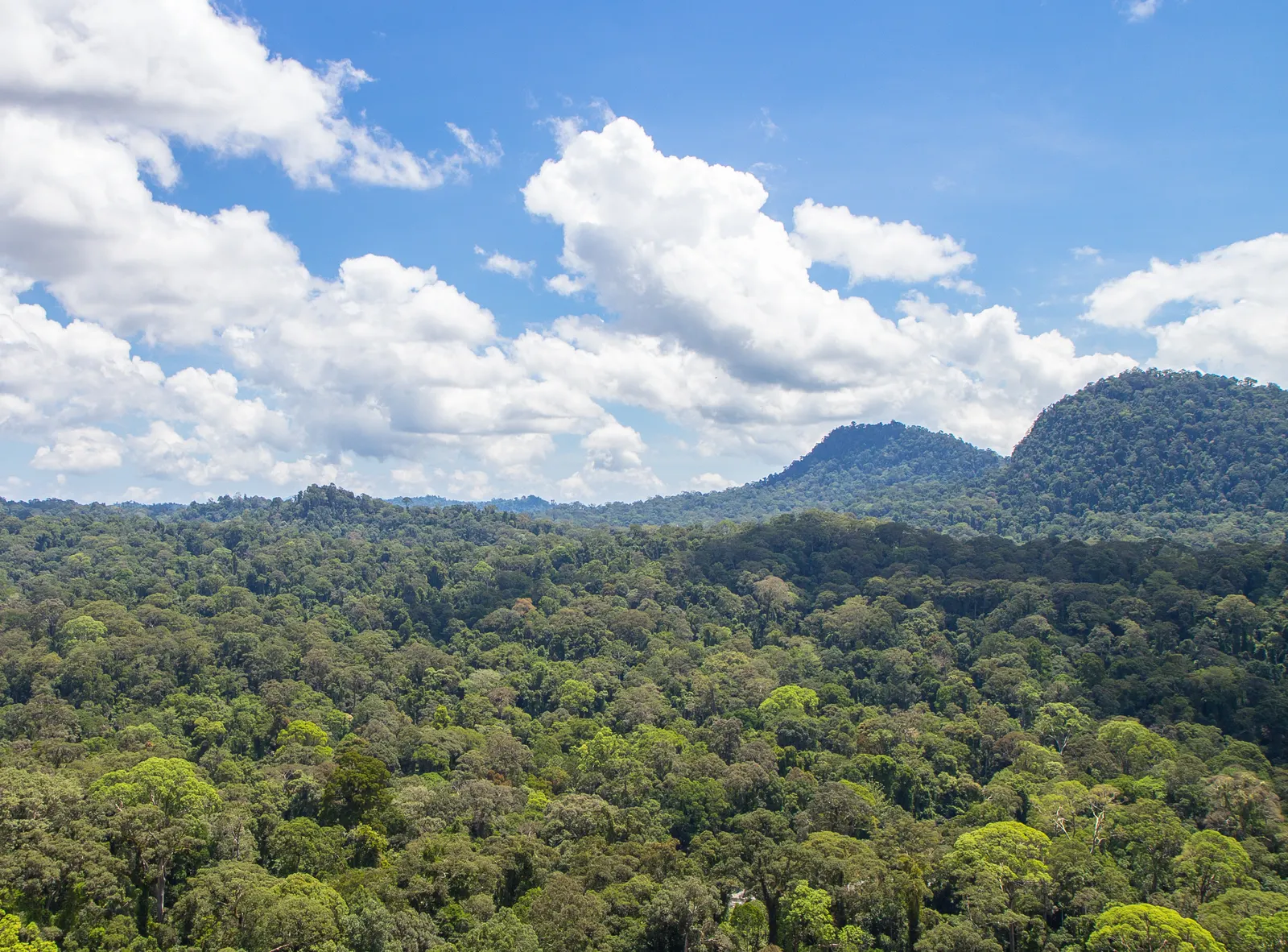
An independent travel guide to Borneo. Choose your region, discover nature and culture, and plan the journey between them.
Four starting points, one island. Follow a region to its provinces, towns and local discoveries.
River cities, peat forests and five Indonesian provinces to explore.
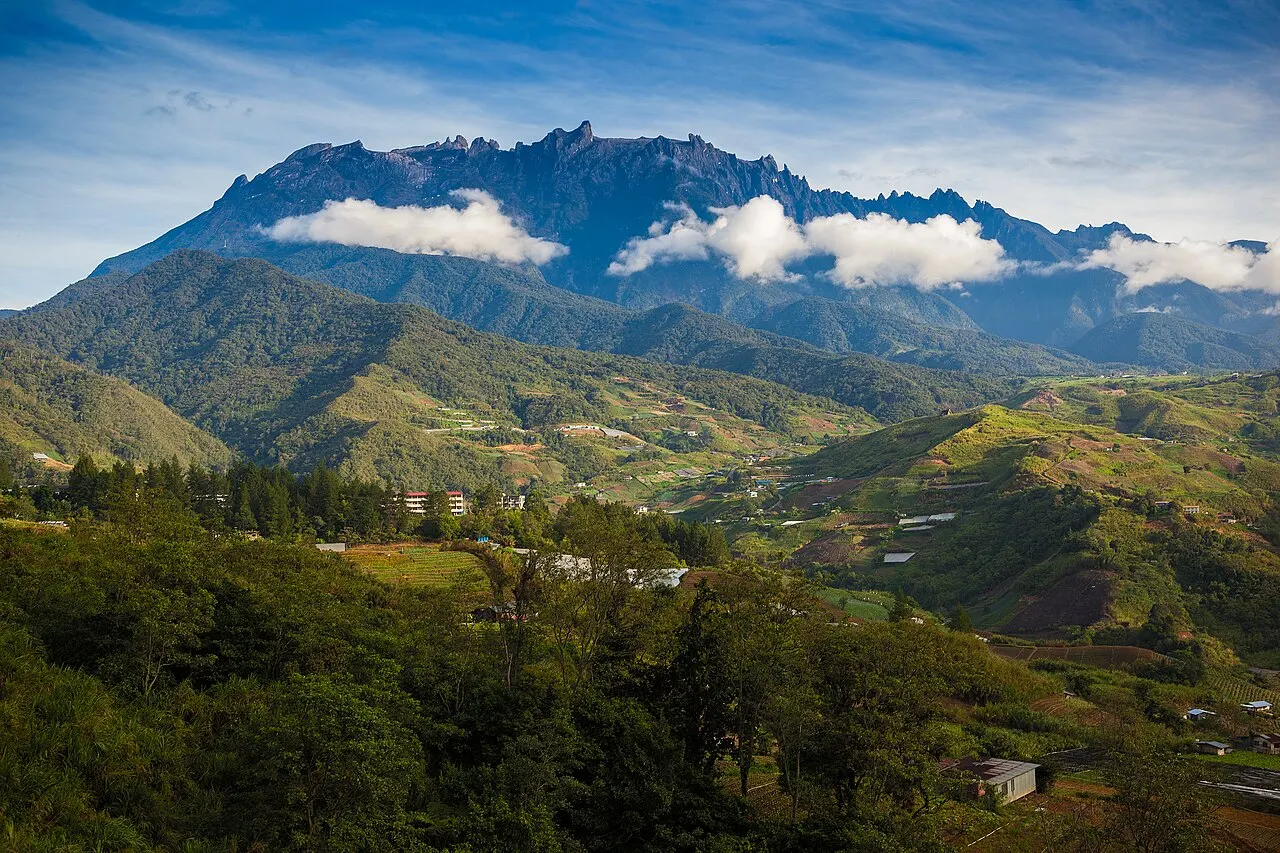
Mountain landscapes, forest wildlife and islands off the coast.
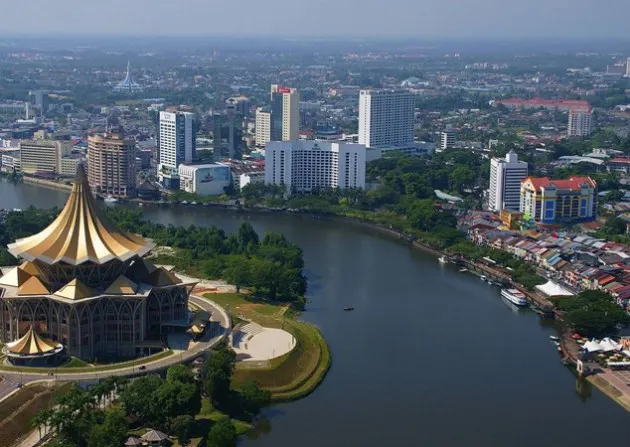
Kuching and Miri, limestone caves and living cultural traditions.
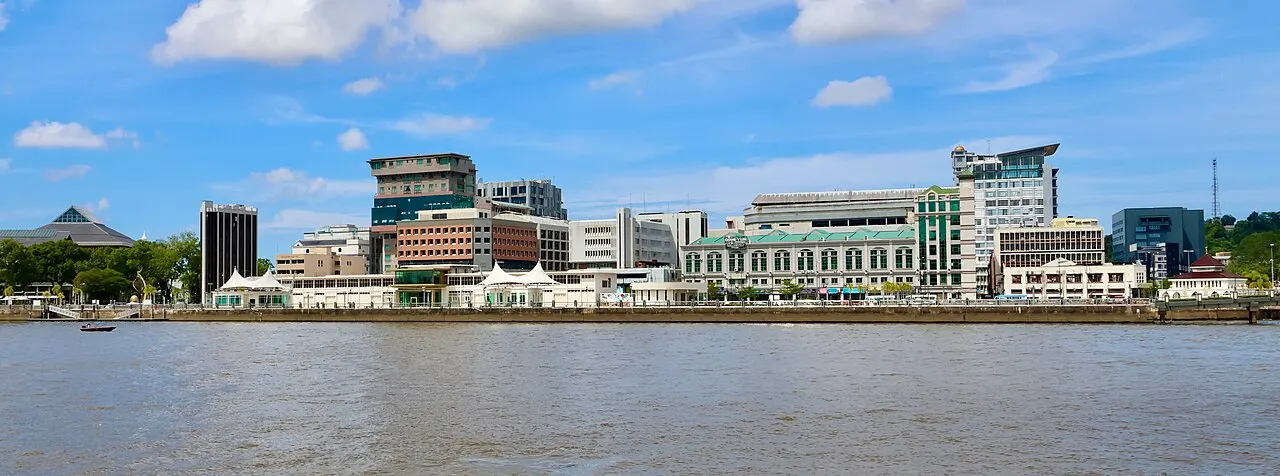
River neighbourhoods, royal heritage and the forests of Temburong.

Travel by road and boat from Kuching to Bako for coastal forest trails and patient wildlife observation.
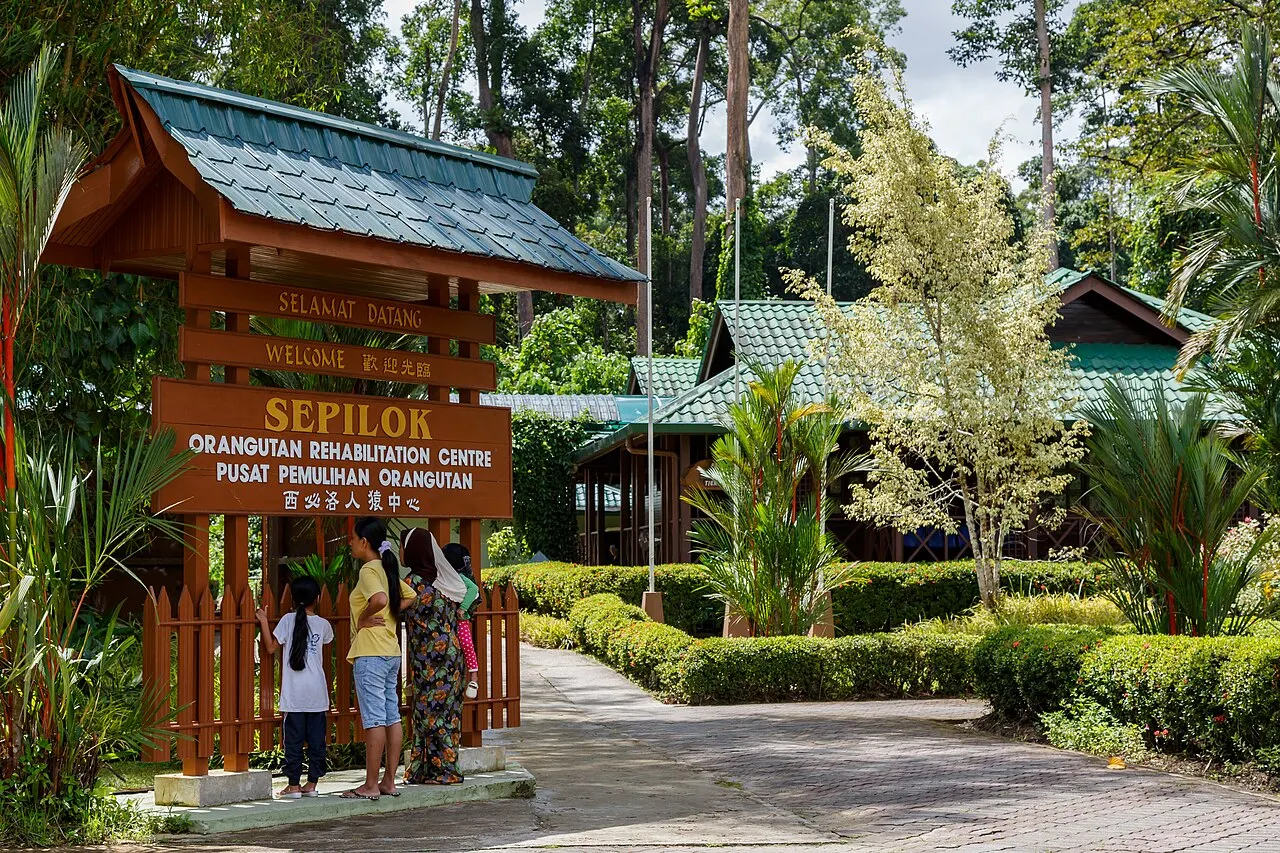
Explore two separate conservation centres near Sandakan, with observation platforms, rehabilitation context and practical planning for a combined visit.
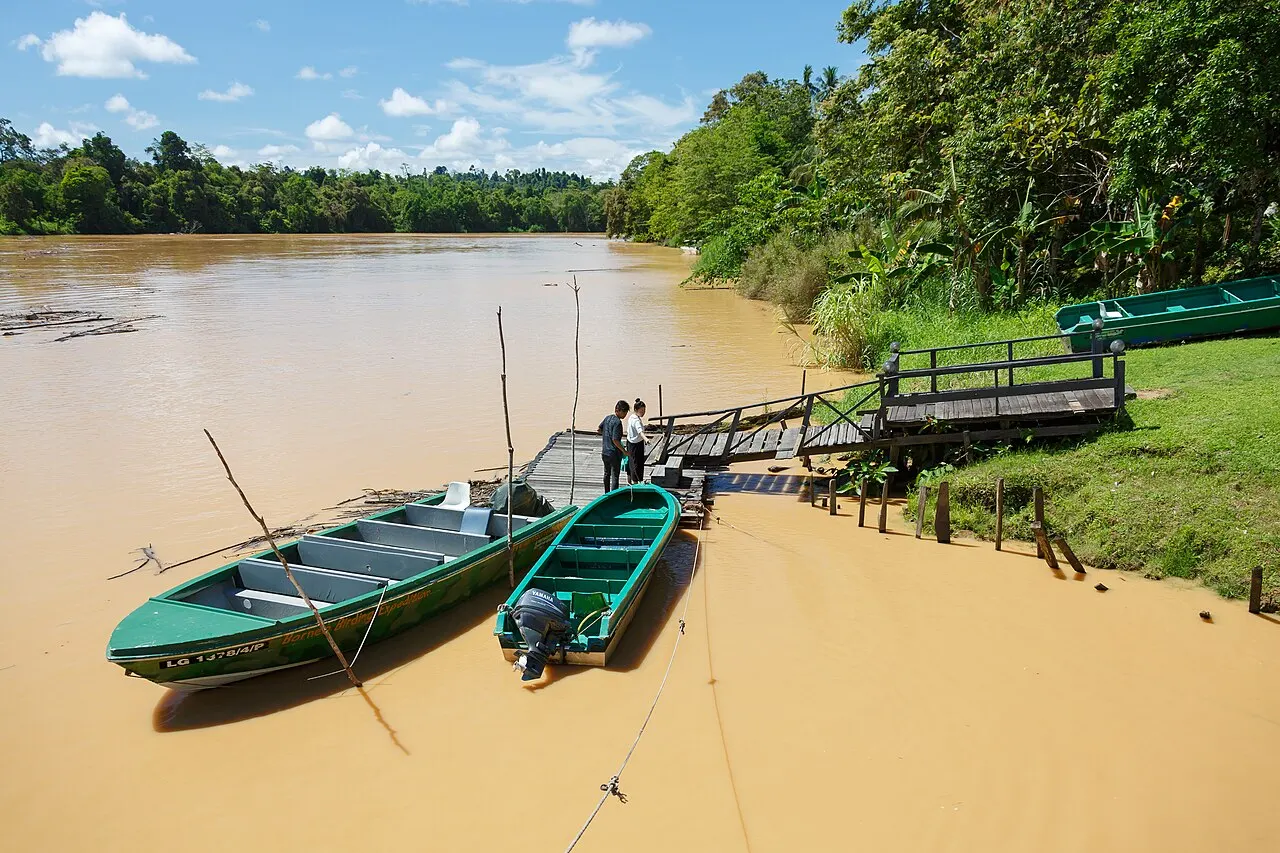
A small boat moving along the forest edge is the defining Kinabatangan experience. From the water, you can scan riverside trees for proboscis monkeys, watch birds crossing between banks and see how the river connects patches of lowland and swamp forest. Most visitors stay at a river lodge and take several outings rather than attempting one long excursion from Sandakan. Dawn and late afternoon bring different light, sounds and animal activity, while time between cruises lets you rest or join an available nature walk. This is an appealing choice for wildlife travellers and photographers who prefer boat-based observation to continuous jungle trekking. Its particular strength is the repeated opportunity to watch the same river landscape over several days, with a guide interpreting what is happening around you. The river is a habitat, not a scheduled animal show.
An overnight klotok journey makes the Sekonyer River part of your accommodation as well as your route. You travel between forest banks, leave the boat for guided visits and return to meals and a sleeping place aboard. The experience suits visitors who want time in the landscape rather than a hurried wildlife stop.
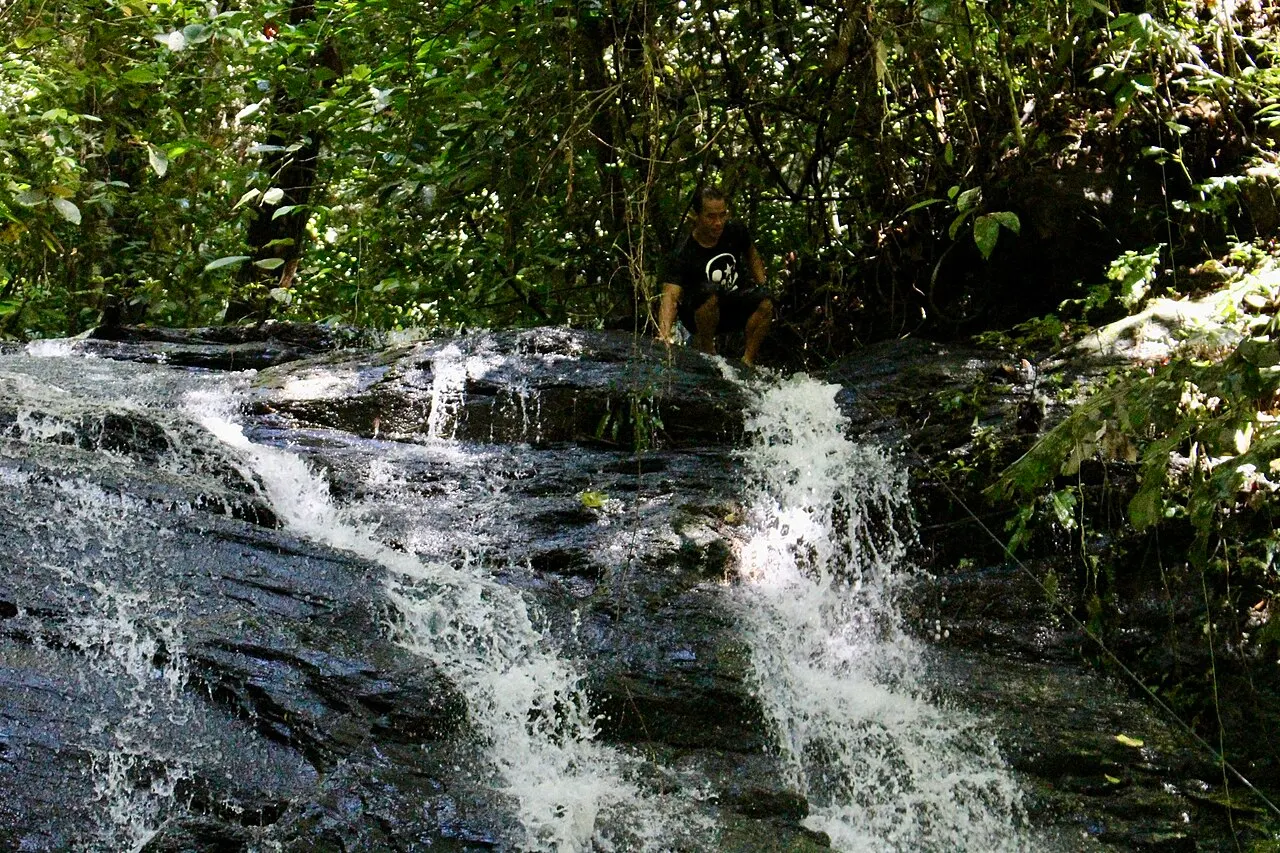
Ulu Temburong combines a journey along a forest river with walking beneath, and where open above, the rainforest canopy. The day is memorable for its sequence: leaving the settled valley, travelling by local boat, climbing through humid forest and seeing how the view changes with height. For travellers based in Bandar Seri Begawan, it offers a substantial nature experience beyond the capital; a Temburong stay allows a slower approach. This is an active guided park visit rather than a short roadside viewpoint. The boat journey and forest steps are part of what you are choosing. It suits visitors interested in rainforest structure and the experience of travelling into a protected landscape, with wildlife a possible part of the day rather than its only measure of success.
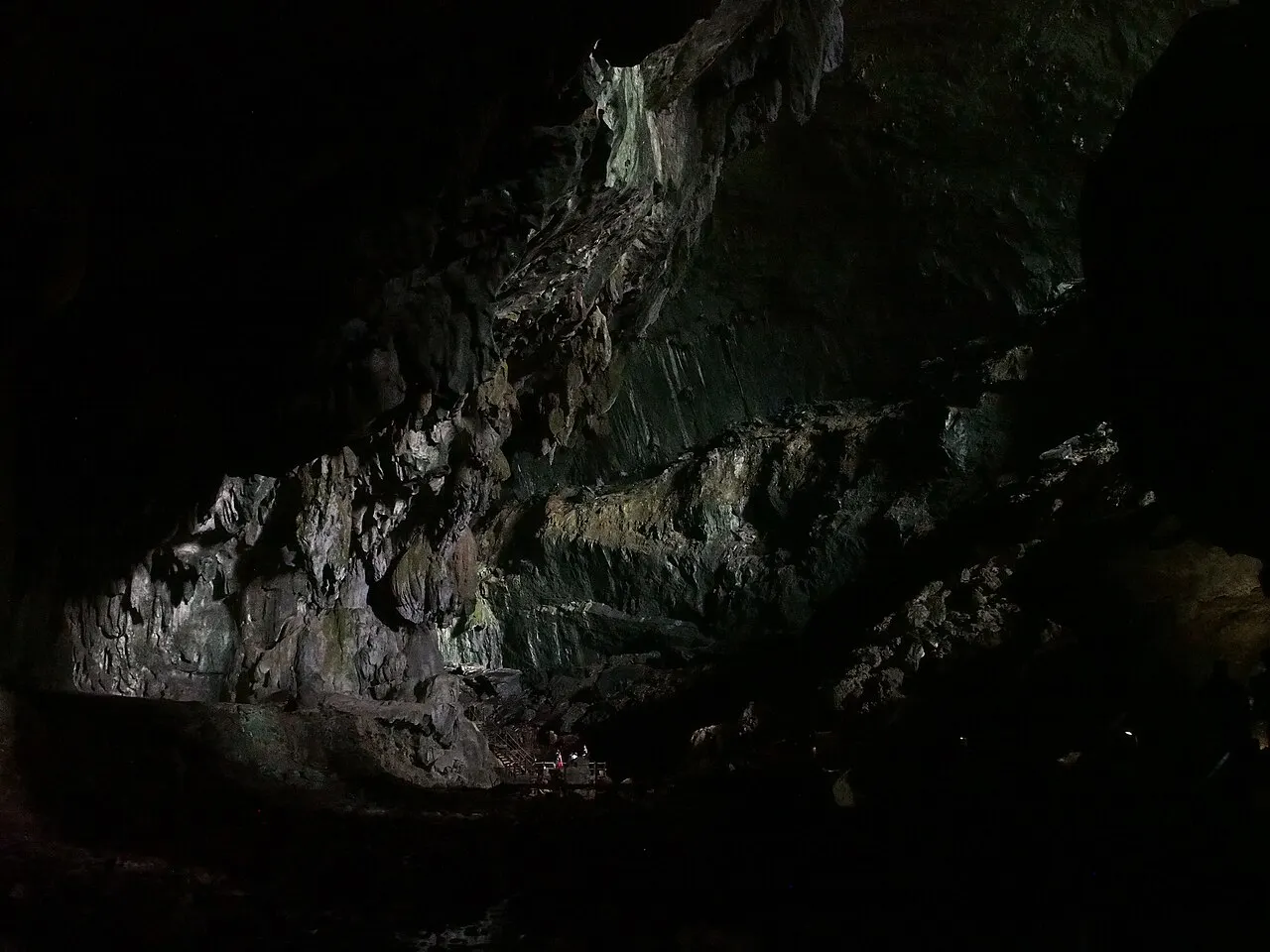
Mulu's show caves make the scale of a limestone landscape tangible. A guided visit moves from rainforest paths or a river approach into large chambers, where light, rock formations and the sound of water change the experience of the forest outside. Deer, Lang, Wind and Clearwater provide contrasting settings rather than four versions of the same stop. For travellers interested in geology, photography and distinctive landscapes, a few days based near the park headquarters can combine those cave visits with time outside. This activity focuses on the established show-cave experience. It is a different plan from technical adventure caving or a trek to the Pinnacles, both of which involve their own arrangements and demands. Give the caves enough time to be seen as places, not names to collect.
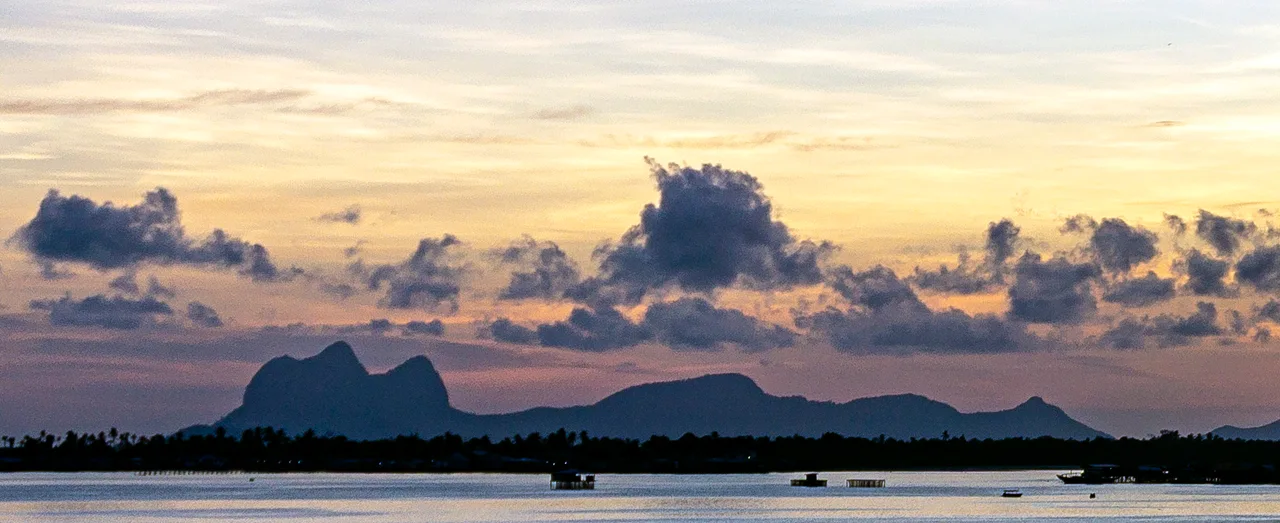
Combine a guided island climb with reef stops in Tun Sakaran Marine Park, using Semporna as the mainland base.
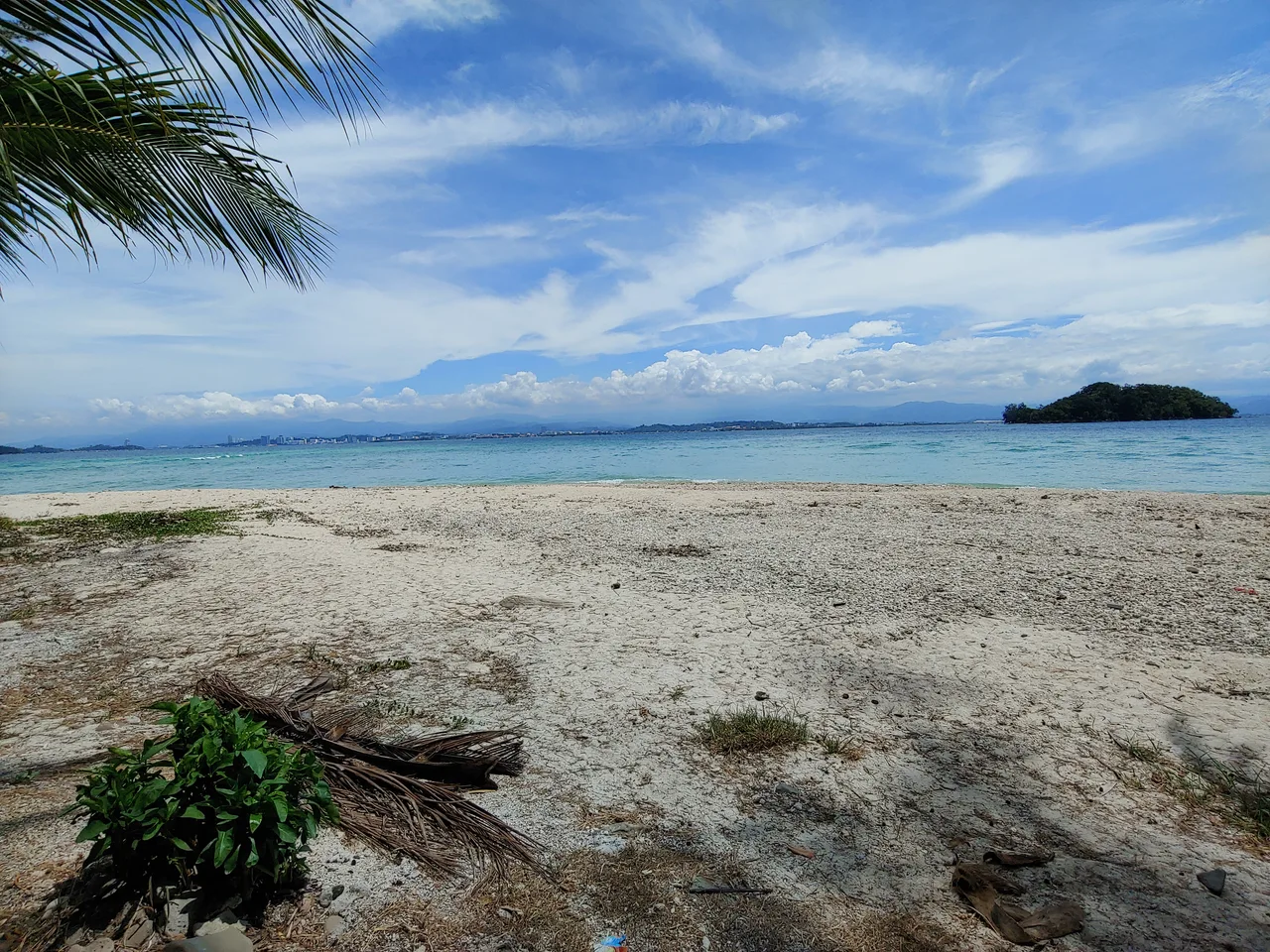
Plan a reef-and-island day from Kota Kinabalu, choosing the islands, departure marina and level of guidance that suit your visit.

Explore reef stops around Mabul and Kapalai on a snorkelling-focused boat day, with clear arrangements for equipment, guidance and return travel.
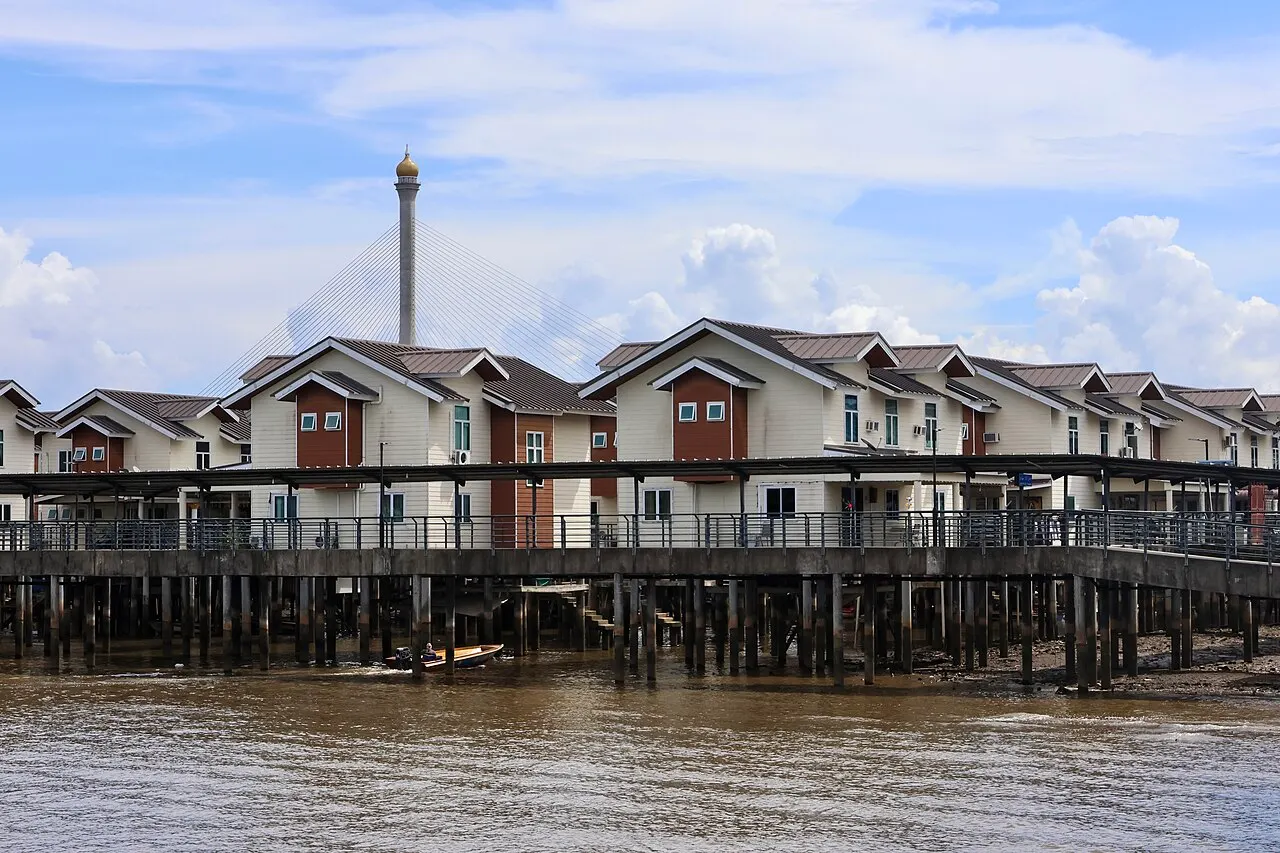
Across the Brunei River from central Bandar Seri Begawan, wooden walkways connect waterside neighbourhoods, jetties and homes raised above the water. A visit to Kampong Ayer combines a short water-taxi crossing with a closer look at the everyday architecture of a river settlement. Boats bring people to school, work and the city waterfront; the walkways form another network between buildings. With a local host, the route becomes a conversation about how these neighbourhoods function and change. This is especially rewarding for travellers interested in architecture, local history and living communities. Allow a few hours for the crossing, gallery and a walk rather than treating the village as a quick photograph from the opposite bank. Staying in central Bandar makes it easy to combine the visit with the capital's museums and waterfront.
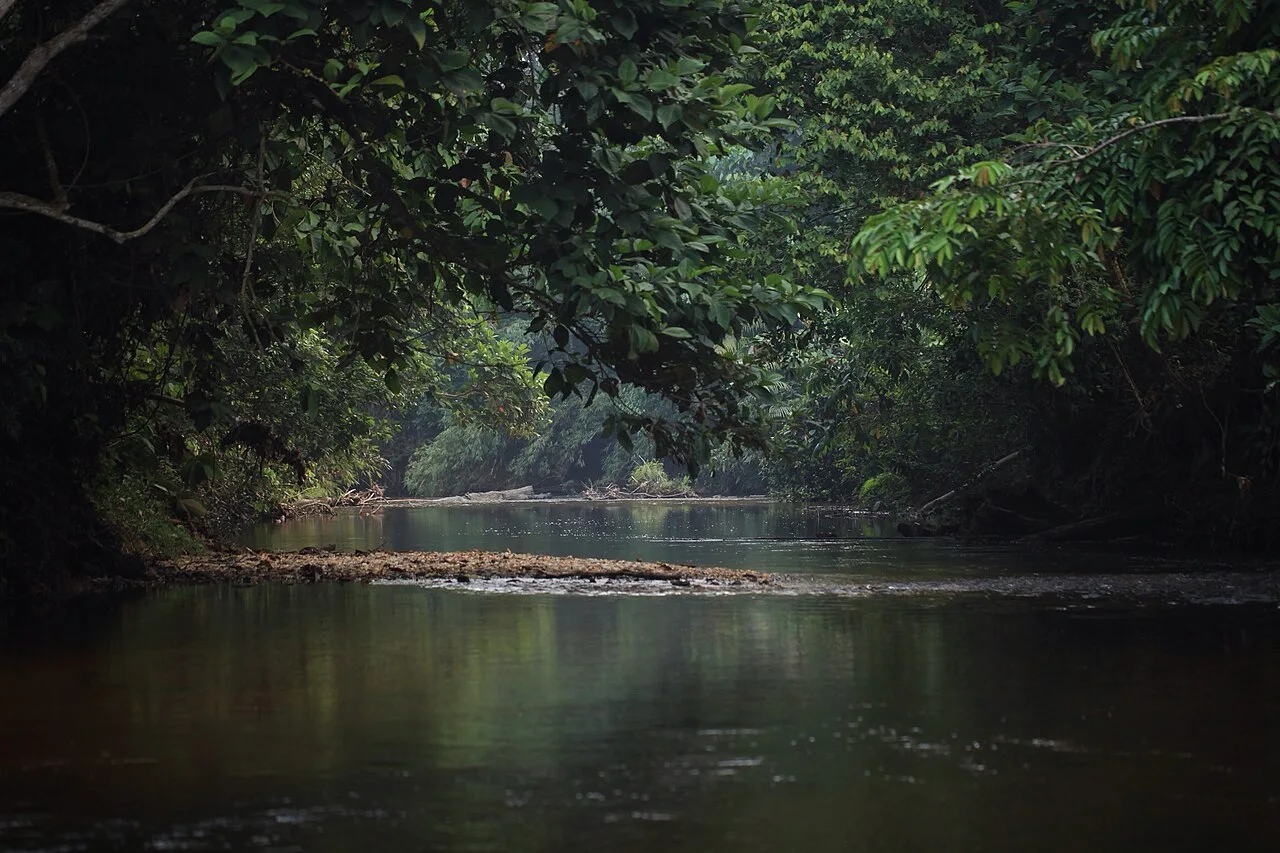
Staying with hosts in Sungai Utik gives the longhouse time to become more than a photograph. Shared spaces, conversations and the rhythm of a lived-in building are the centre of this experience. It belongs to a specific Iban community in West Kalimantan, not a generic cultural performance.
Visit farms near Kuching, learn about seasonal ingredients and prepare a meal with Bidayuh hosts.
Plan the permitted mountain ascent from the Kundasang area, with an overnight mountain stay, a guide and room for weather-related changes.
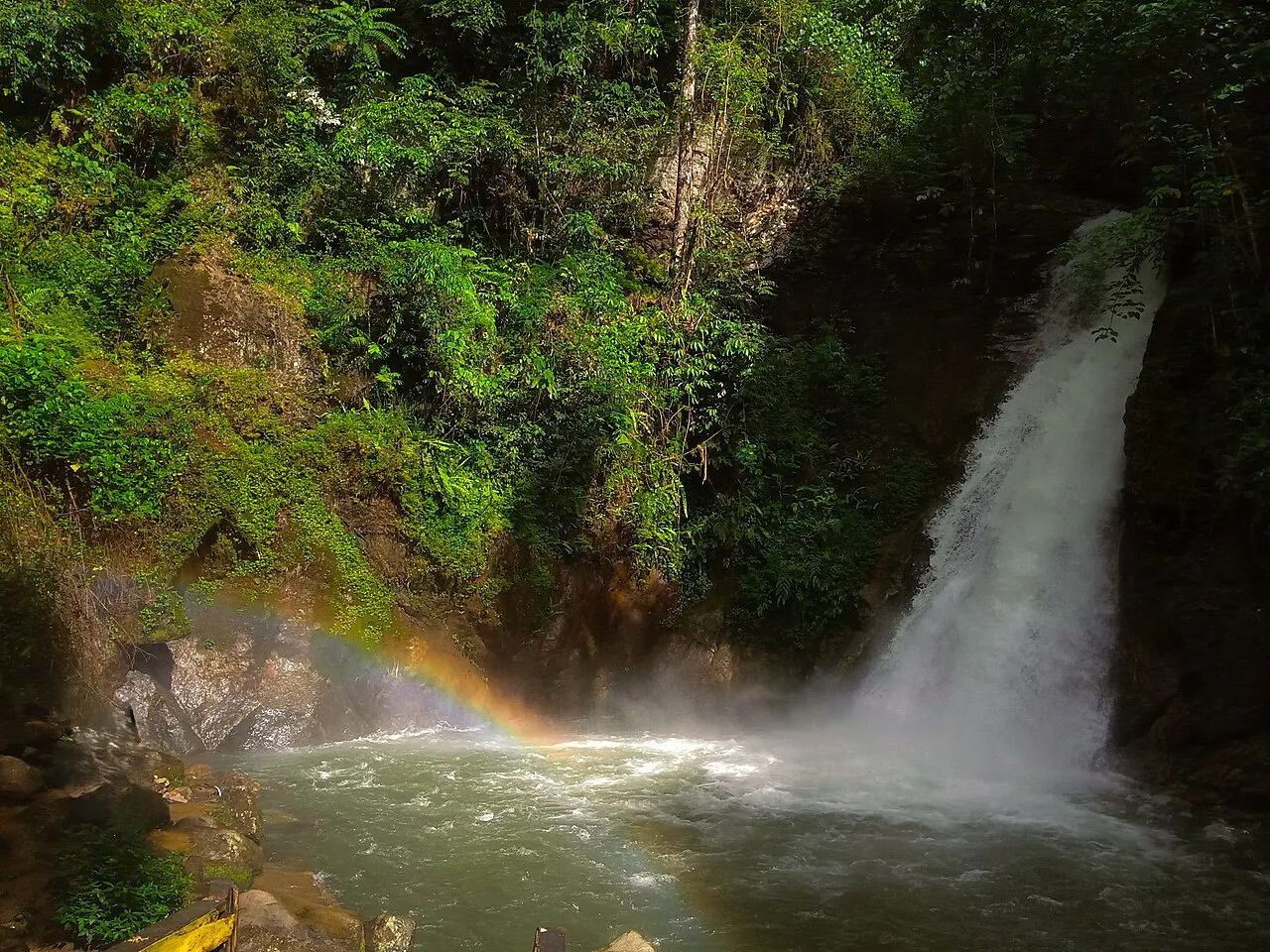
Around Loksado, walking brings the forested slopes of the Meratus Mountains into contact with village paths, rivers and the everyday landscape of the highlands. A locally guided outing can be a half-day walk towards a waterfall or a longer day shaped around the paths and communities your host knows. The appeal is the detail along the way: changing ground, river crossings, planted areas and the relationship between settlements and forest. This is a rewarding choice for active travellers who want to spend time outside South Kalimantan's cities without committing to a long expedition. Staying in Loksado gives the walking its own space in the itinerary. Arriving, walking and returning to a distant city in one compressed day leaves much less time to understand the place.
Kinabalu Park's headquarters area offers a way to experience Sabah's mountain environment without attempting the summit. Forest paths and the botanical garden bring visitors into a cooler highland setting where vegetation, mist and changes in light are part of the attraction. A day here can move between a manageable walk, interpretation and a slower look at the plants around you. It suits nature travellers, families choosing an appropriate path and visitors who want a mountain atmosphere without a multi-day climbing commitment. Base the visit around the routes that are open and the time you want to spend outside, rather than the ambition to cover every trail. The mountain may dominate the view when clouds lift, but the nearby forest gives the walking its substance.
Forests, wildlife and the plants that connect them. Choose a place, an animal, a plant or a habitat.
Kinabalu Park protects a striking vertical slice of northern Borneo: tropical forest on the lower slopes, cool mountain woodland and the exposed granite heights of Mount Kinabalu. In Sabah’s west-coast interior, this UNESCO World Heritage property rewards visitors who never attempt its summit. A botanical garden, forest paths and interpretation around park headquarters offer a gentler introduction to the mountain’s exceptional plant life. The important planning decision is which visit you want. A day among the headquarters trails, a separate outing to the warmer Poring sector and a booked mountain ascent are different experiences with different logistics. Kota Kinabalu is the main regional gateway; Kundasang and the park-headquarters area bring you closer to the forest. Choose your base and activity before arranging transport, and treat the entire protected mountain as much larger than the familiar climbing route.
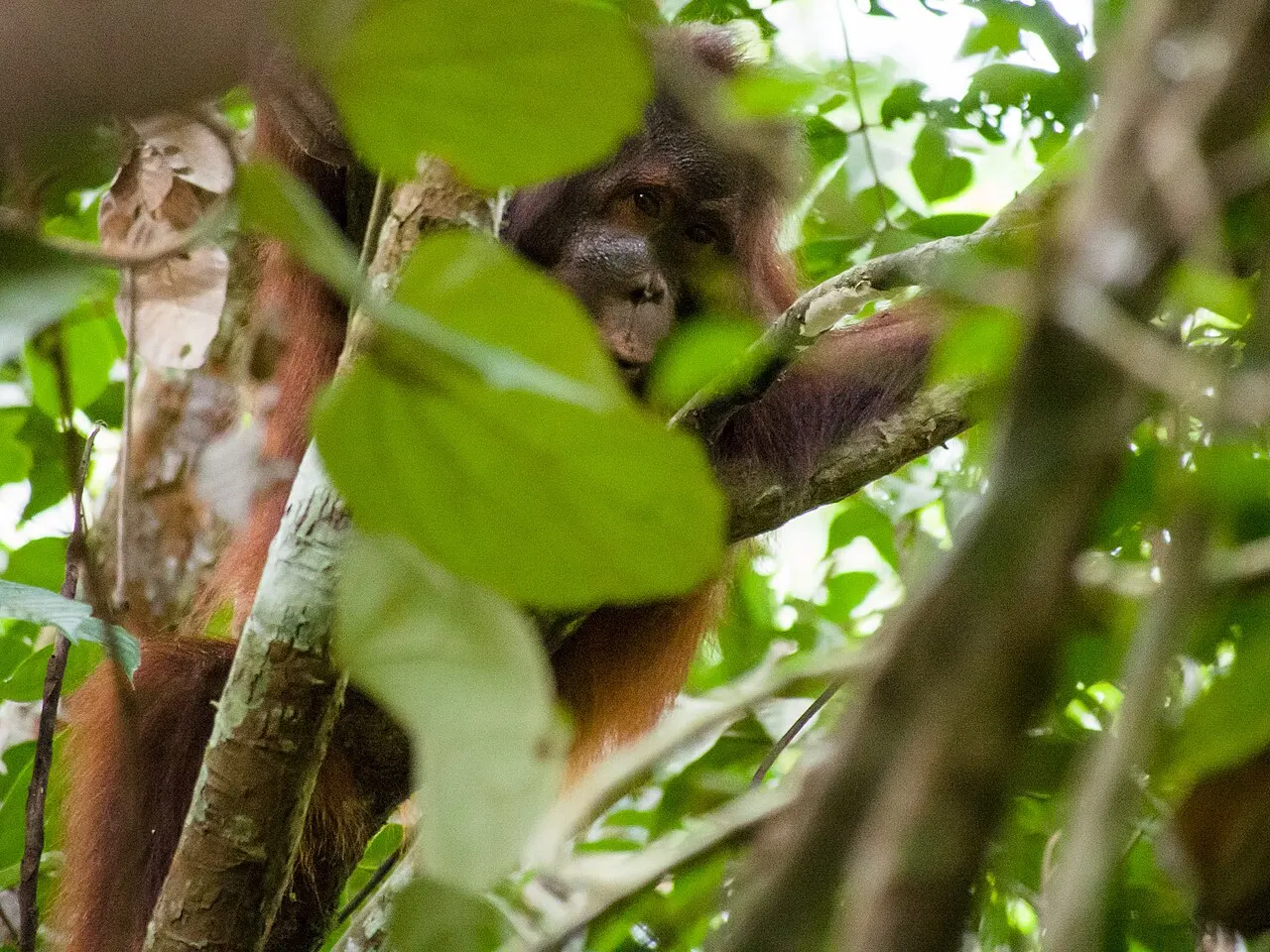
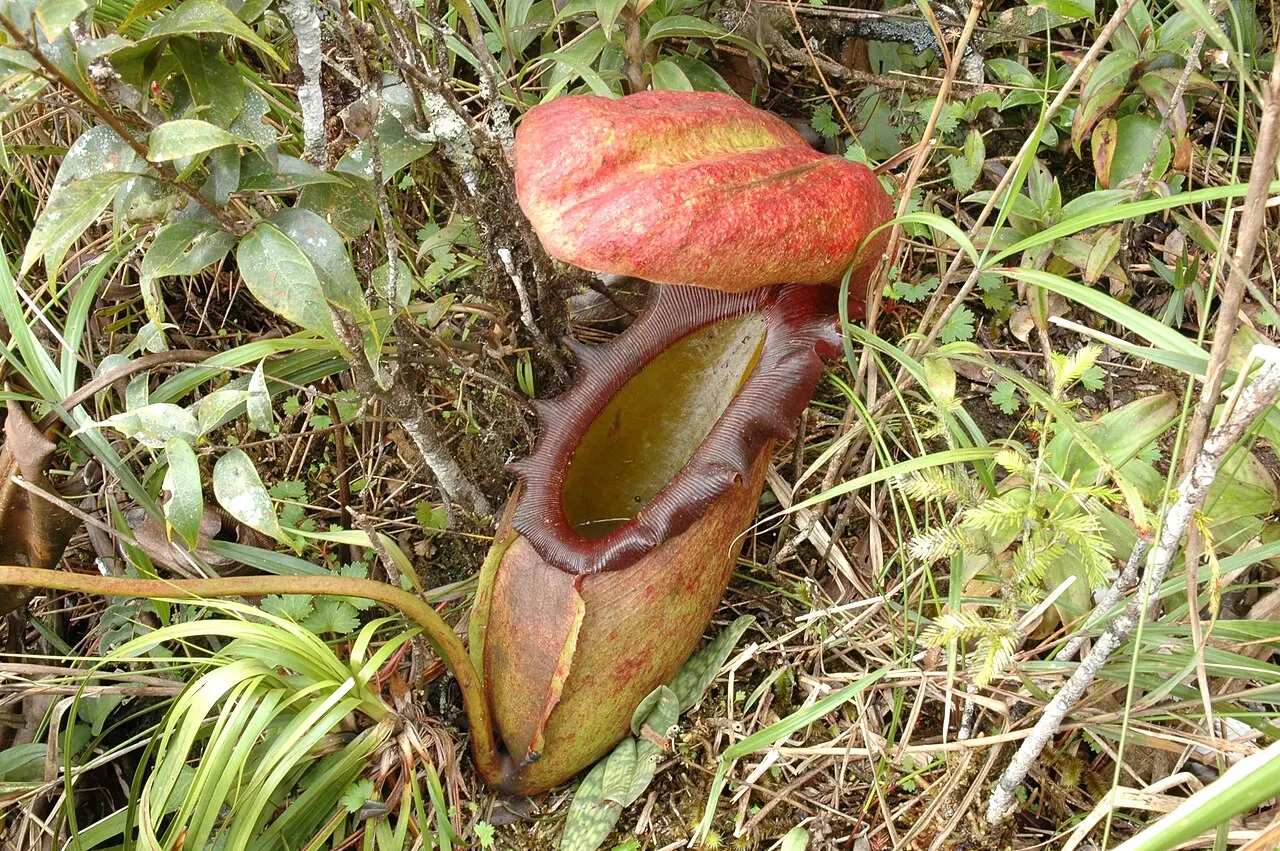
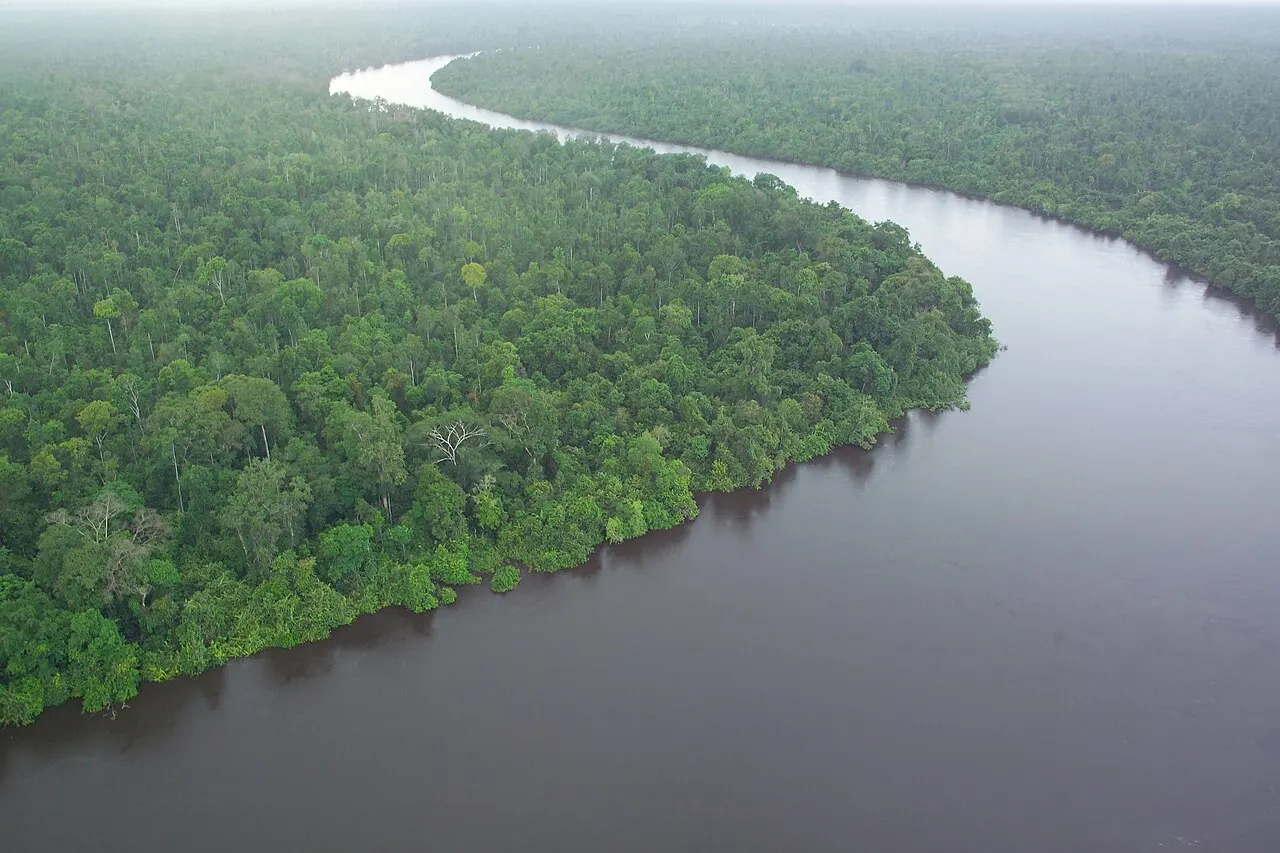
A forest rooted in waterlogged peat, where living trees and the saturated organic soil form one ecological system.
Choose your base first, then compare the location and practical details of existing stays.
Stories add perspective to a journey. For entry rules, transport and itineraries, start with the travel guide.
The Kinabatangan and Semporna coast invite different journeys. Reading them together reveals connections between freshwater landscapes, coastal communities and the sea.
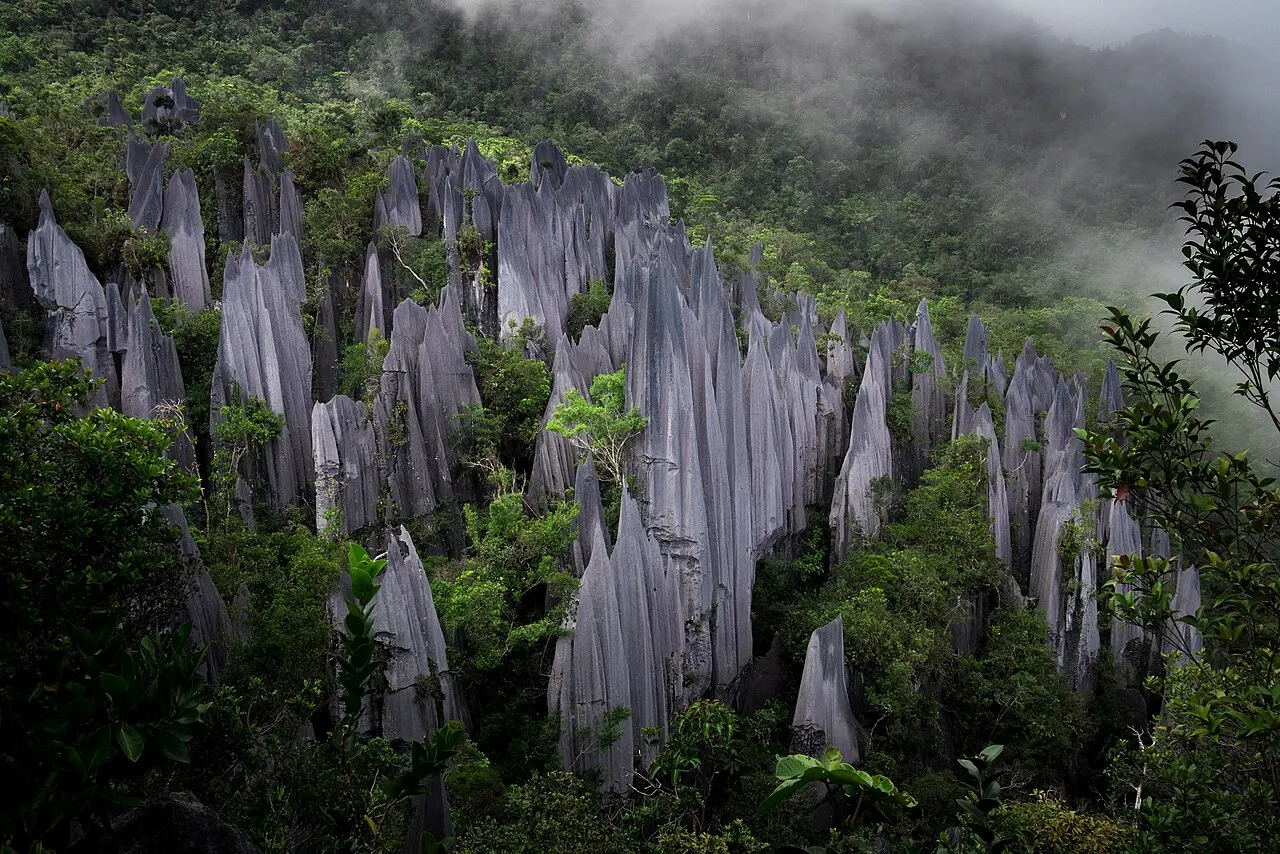
Sarawak’s caves hold both natural processes and human histories. Mulu and Niah show why two limestone landscapes can deserve very different ways of reading.
From the riverfront, Kampong Ayer invites a closer look at how homes, paths and water belong to the same inhabited urban landscape.