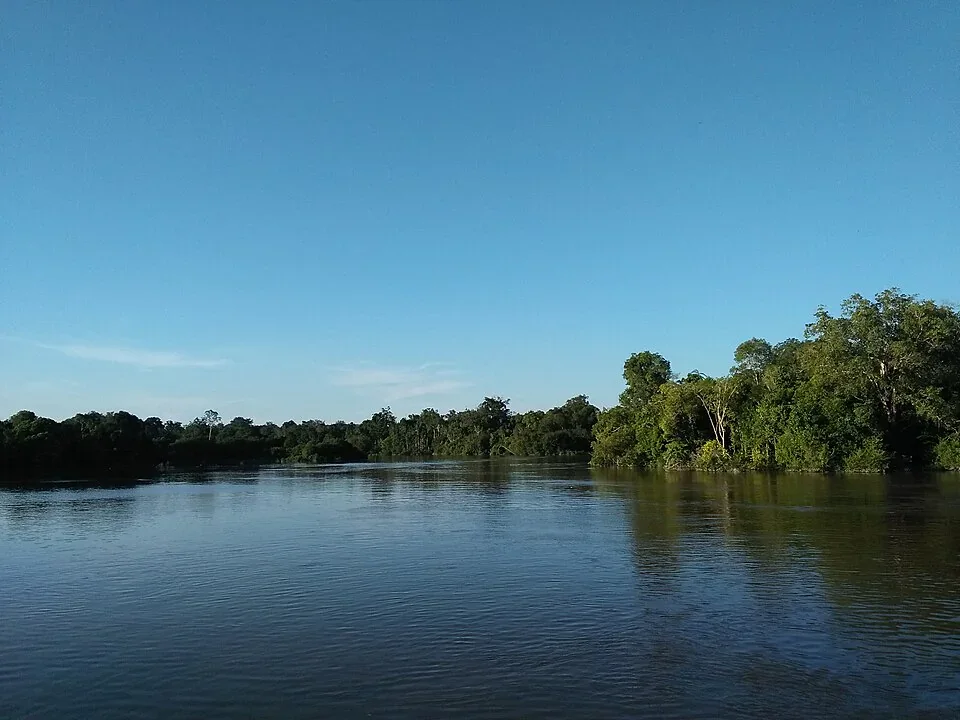
A Kahayan cabin cruise with a Rungan river outing
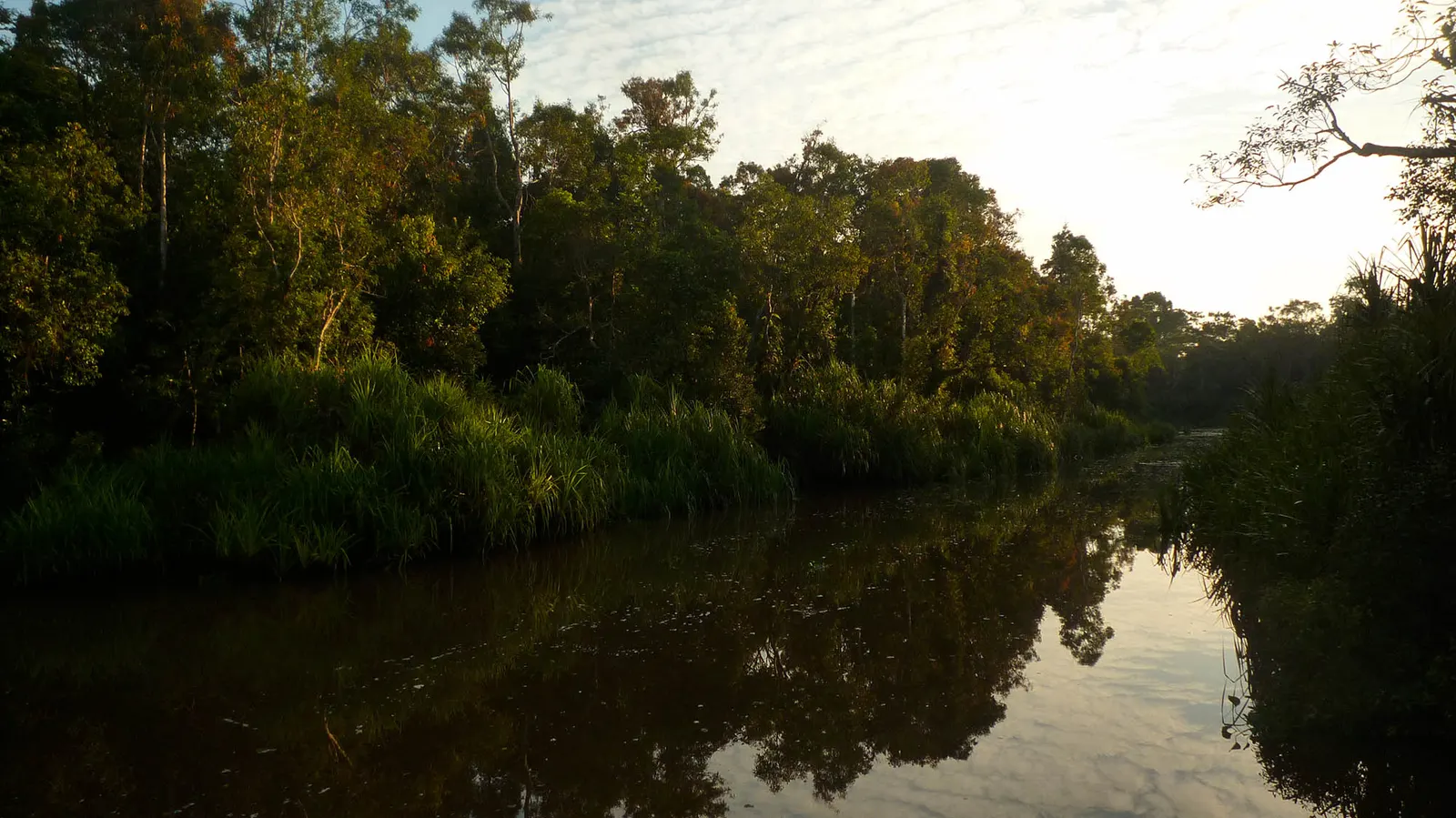
Central KalimantanCombine a small-boat visit near Kaja Island with several days aboard a Kahayan riverboat, exploring blackwater habitat, village crafts and Dayak hospitality from a private cabin.

Choose a concrete experience, or use a guide to compare different places. Transfers, guides and availability belong to each individual trip.
78 discoveries

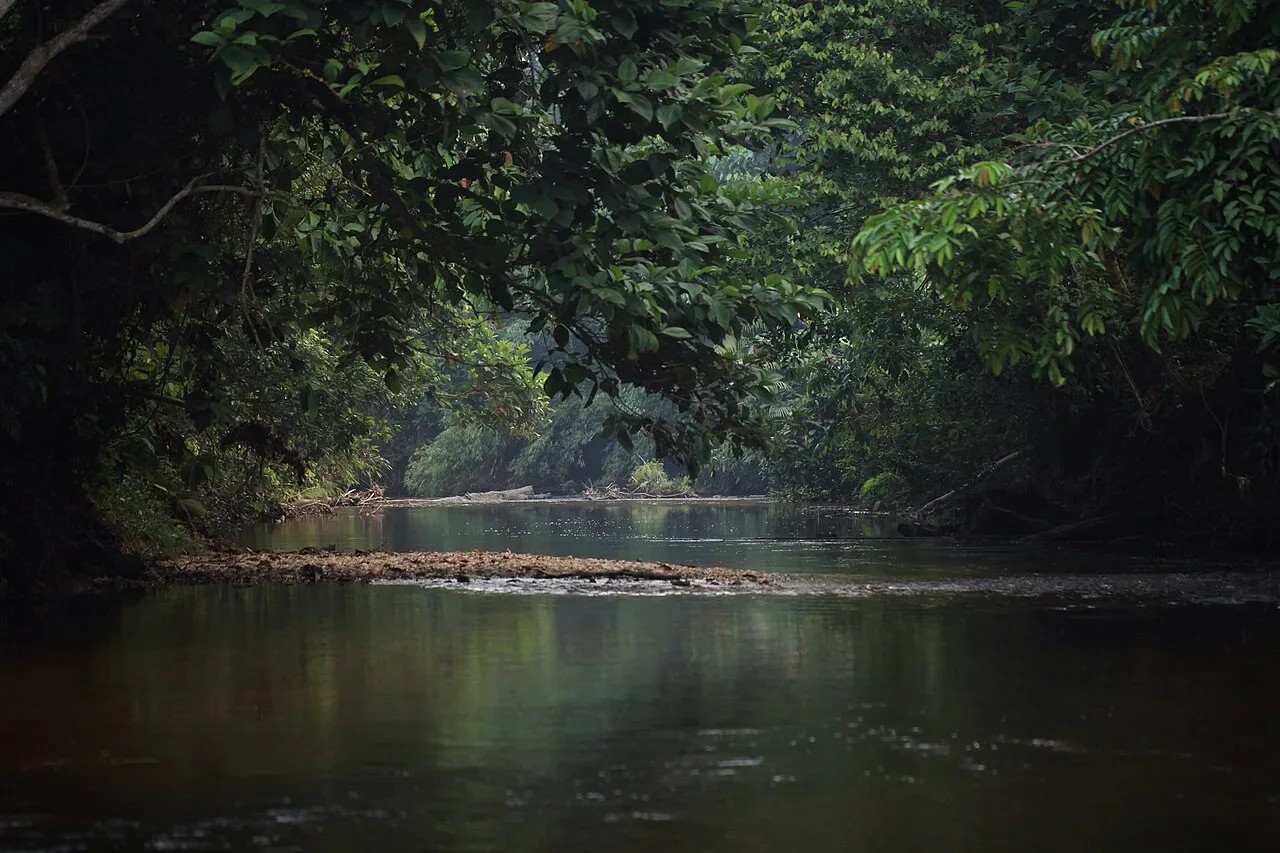
Combine a small-boat visit near Kaja Island with several days aboard a Kahayan riverboat, exploring blackwater habitat, village crafts and Dayak hospitality from a private cabin.

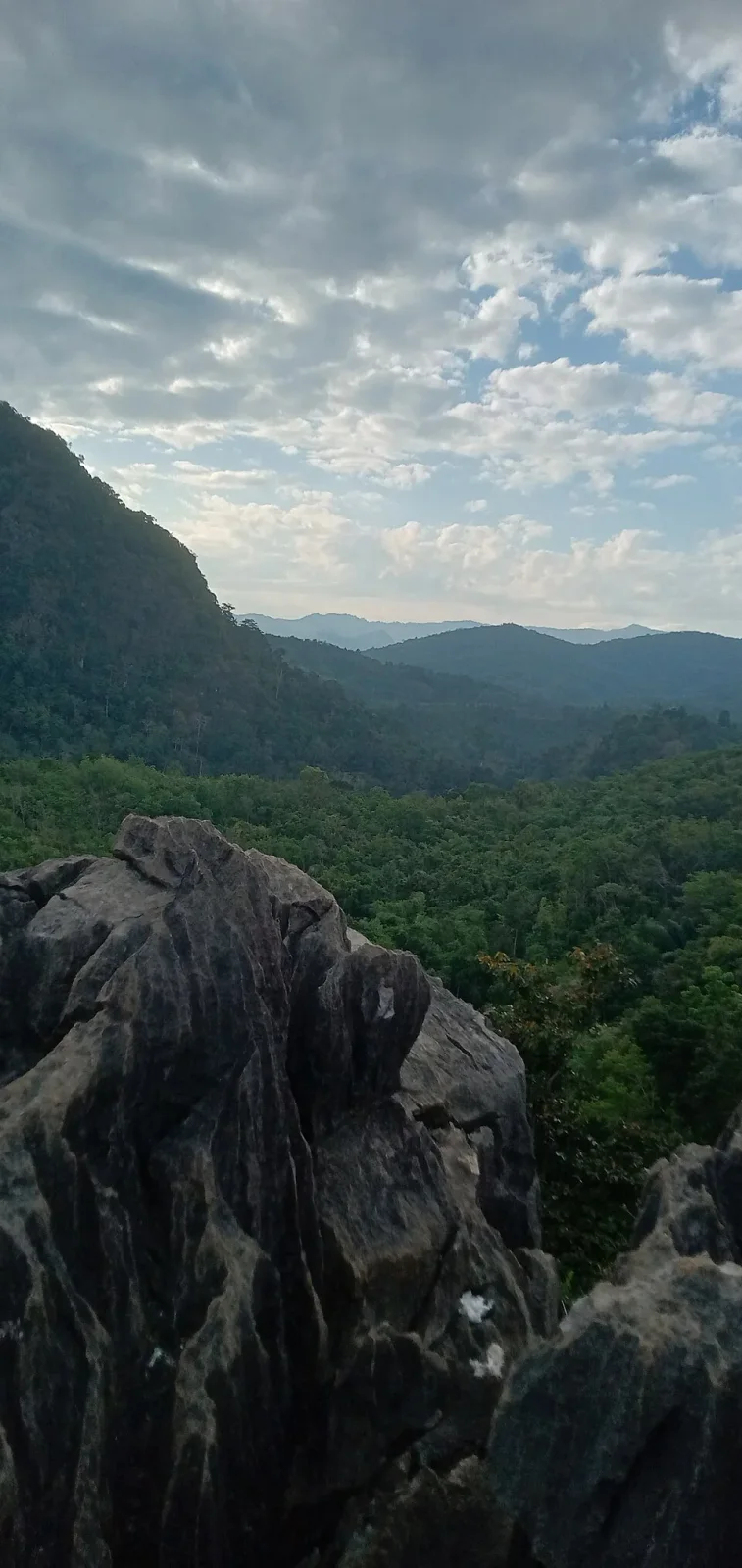
Climb Bukit Langara at Lumpangi for a view across the Amandit valley and the Meratus landscape. This is a short hill outing with a steep final approach, best planned around sure footing, suitable weather and enough time to descend without rushing.

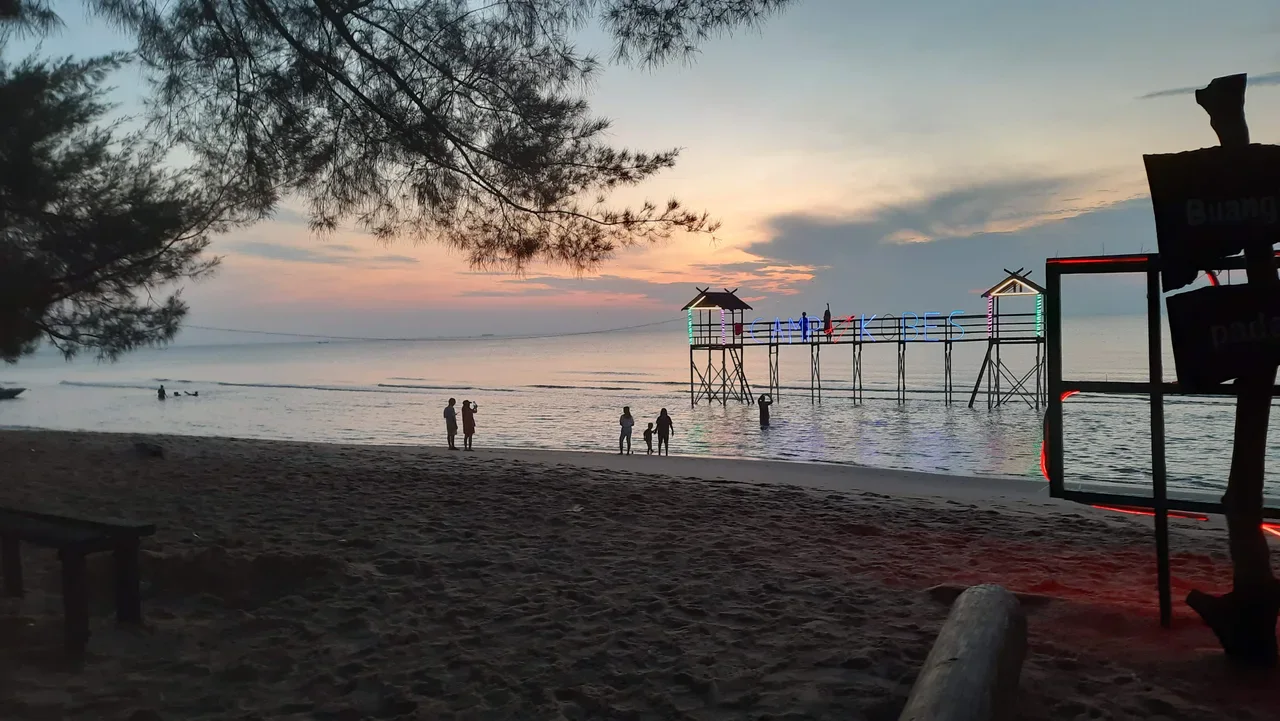
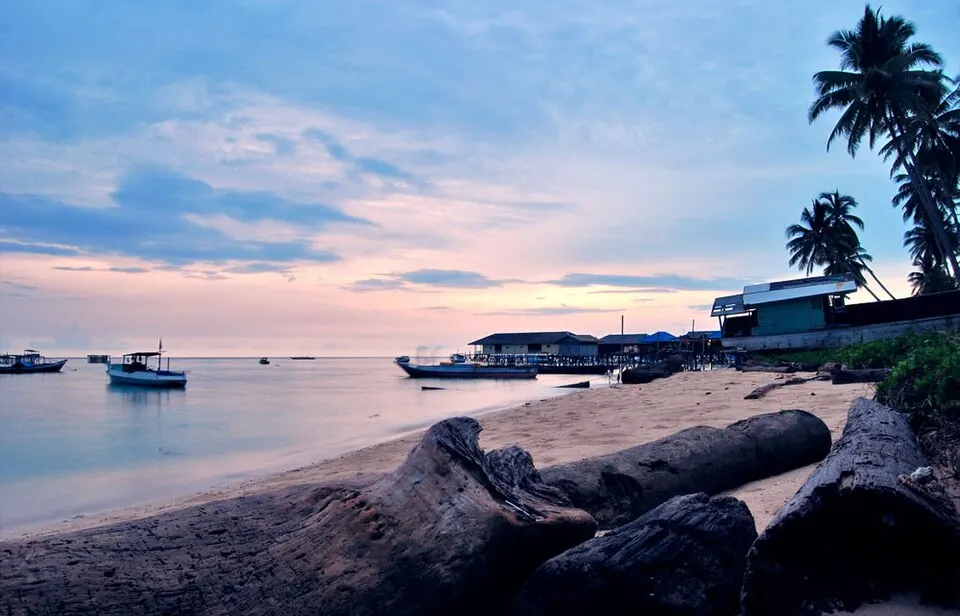
Exchange the Mentaya riverfront for a day beside the Java Sea. Ujung Pandaran offers a coastal village setting, shoreline walks and time for a local meal, with a separate road journey from Sampit.
See Sungai Kupah’s coastal river landscape from a locally arranged boat, with the possibility of an agreed fishing-village introduction and time to understand life beside the lower Kapuas.
Arrange a visit to the Curiak area of the Barito River, where proboscis-monkey research and habitat conservation provide the context for a carefully managed wildlife encounter.

Singkawang rewards a visit at street level: temple surroundings, older commercial streets and places to pause for coffee or a local snack create a natural walking route through the city. Food and built heritage meet here, so a short outing can move between looking, tasting and talking without becoming a formal museum tour. Choi pan, coffee shops and the city's Chinese heritage provide useful starting points, while everyday business continues around them. This is a good choice for travellers who enjoy urban history and local eating more than a tightly scheduled attraction circuit. Give yourself enough time to sit down as well as walk. Outside festival periods, the appeal is the city's ordinary rhythm; during major celebrations, transport, crowds and accommodation become a different planning question.

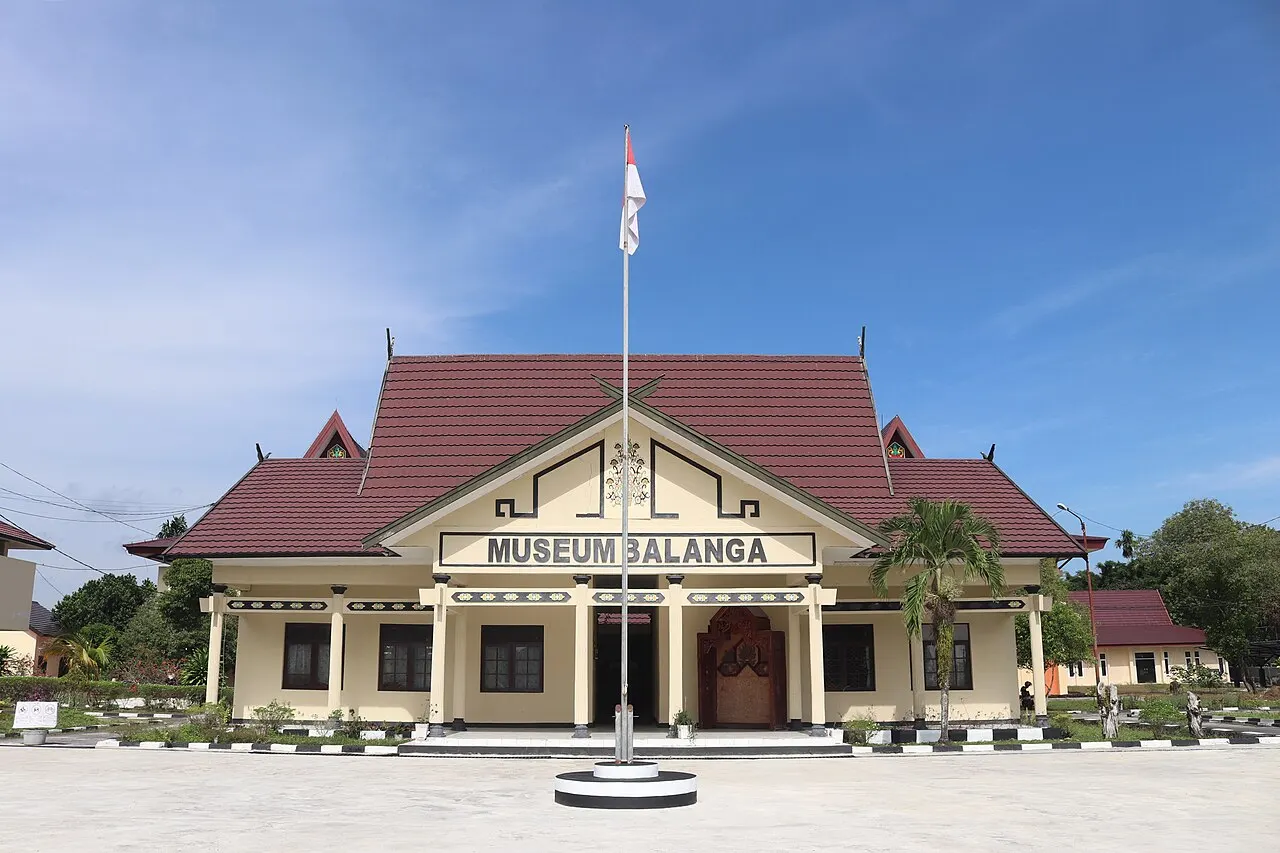
Museum Balanga offers a useful starting point for understanding the human history of Central Kalimantan before travelling farther into the province. Its collections bring together objects connected with everyday life, social traditions and the region's past, giving a city visit a more focused cultural purpose than simply looking for a performance. In Palangka Raya, the museum is accessible as a short outing from a city hotel and can be combined with a meal or another local visit. It particularly suits travellers interested in material culture, families who enjoy looking closely at objects, and visitors preparing for a community-hosted trip. Take time to ask what an object was used for and whose tradition it belongs to: the value lies in those distinctions, rather than treating all of Borneo's communities as one culture.

Explore history, culture and textiles through a museum programme that includes collection interpretation, a weaving film and conversation with the people presenting it.
Consider ParadisQ for a family recreation break on the Sungai Raya side of the Pontianak urban area. Kubu Raya's official directory records the waterpark in Sungai Raya village, while Qubu's operator material describes the wider hotel, dining and recreation setting. This is a managed leisure visit, not a forest excursion, wildlife encounter or national-park experience. It can fit a relaxed local day when its current opening and access arrangements suit the family.

Visit Gunung Rian’s waterfall landscape in Tana Tidung, with a road approach from Tideng Pale and time to explore the visitor area on foot. Agree the scope locally: a waterfall visit and a longer guided trek need different preparation, even when both use the same place name.

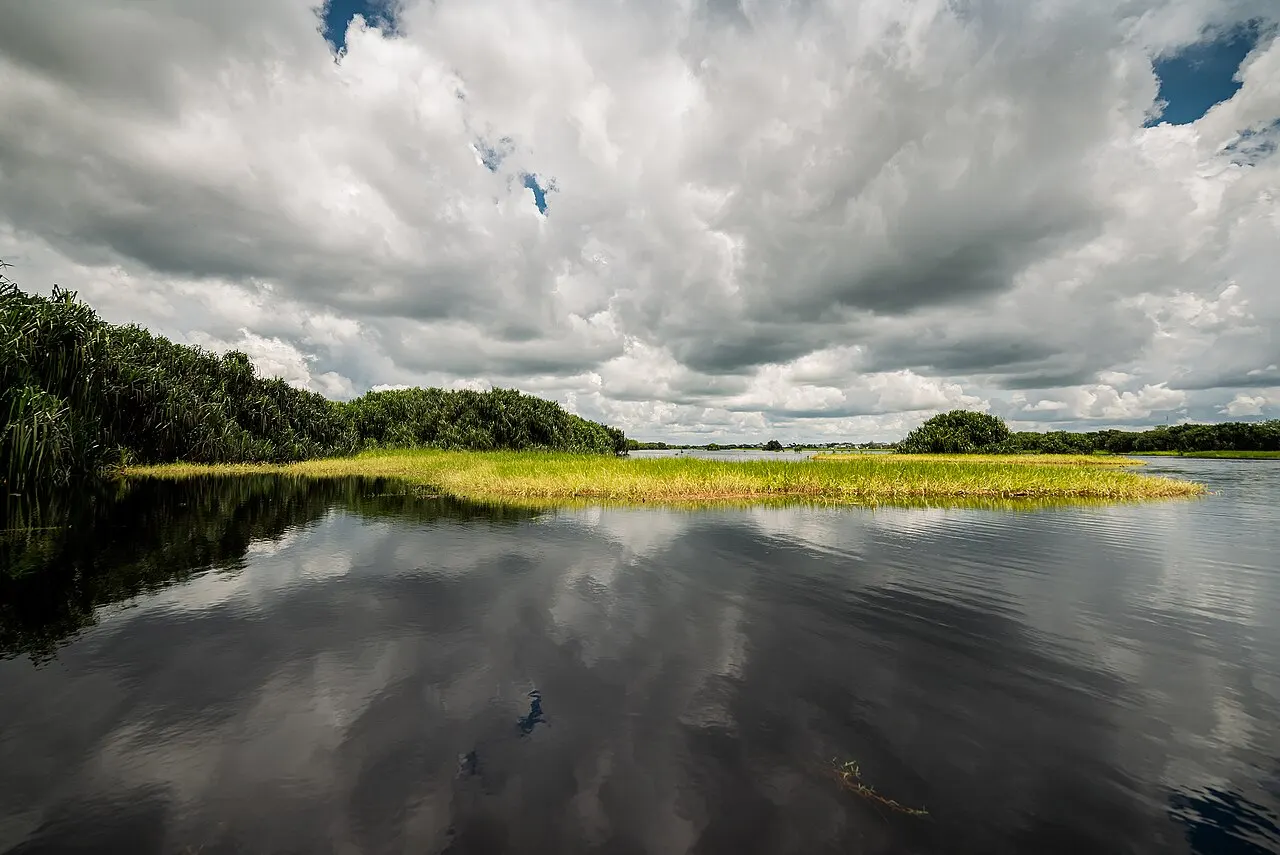
Travel with a local guide from Sei Gohong to observe the river landscape around Pulau Kaja, keeping the orangutan conservation island protected and separate from visitor access.
Goa Sampemarta adds an underground experience to a Kutai National Park journey. Arrange it with the park and authorised local guides: the attraction is a carefully managed cave visit, with the route, equipment and pace agreed before entering.

Plan a Sunday visit from Samarinda to Pampang’s community lamin for Kenyah dance and music, with time to understand the performance and meet local craftspeople respectfully.
Spend time with Binusan’s community tourism hosts to learn about Tidung culture through an agreed programme of explanation, local skills and village hospitality.
Visit Malahing as an inhabited coastal community, arranging the boat and welcome before exploring its public spaces and local work.

Meet Setulang through a community-arranged programme of village places, stories and, when agreed in advance, Dayak Kenyah Oma Lung performance.

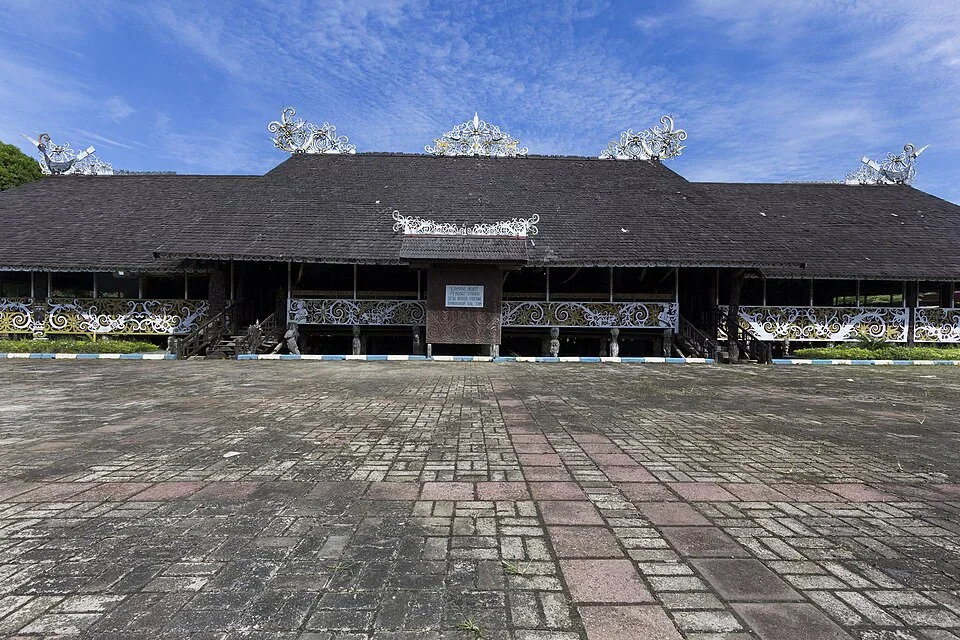
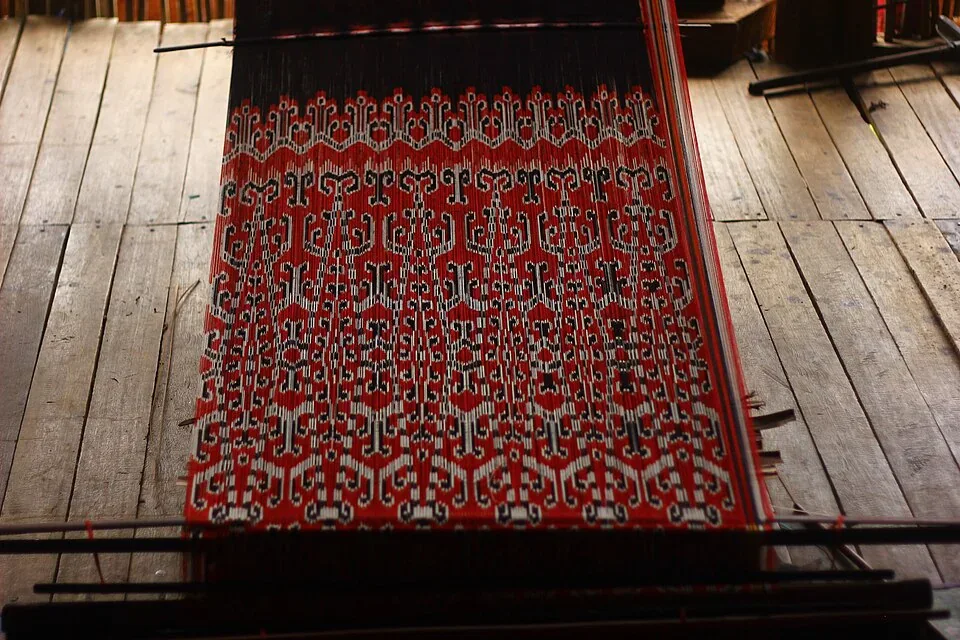
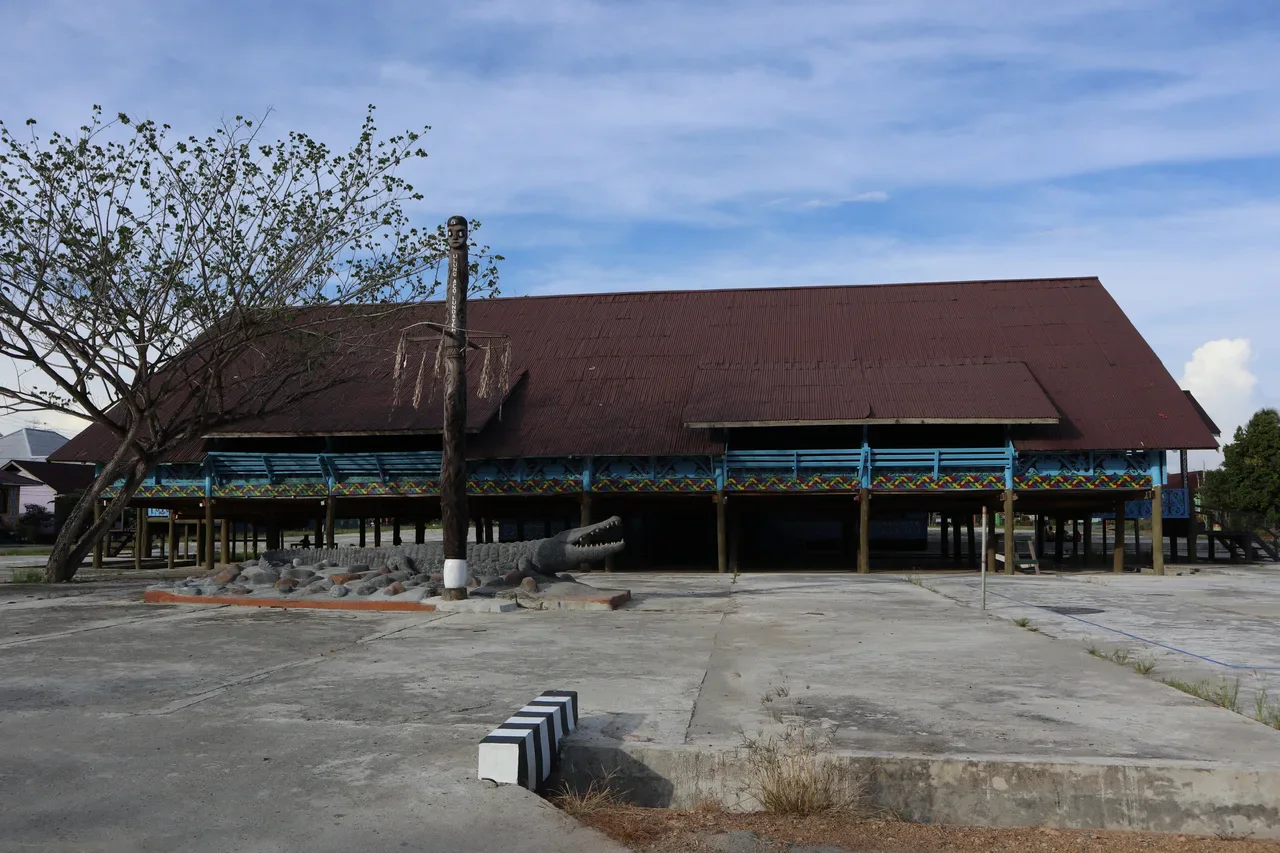
Visit the weavers of Ensaid Panjang near Sintang through a locally arranged introduction to Dayak Desa ikat. The longhouse is a lived-in home, so the best visit begins with an invitation, a clear plan and enough time for conversation with the people doing the work.
Explore the Somber River by small boat from Graha Indah in Balikpapan, looking into mangrove roots and treetops with a local guide and space for wildlife to remain undisturbed.
Explore everyday trade at Pusat Perbelanjaan Mentaya and make time for a meal nearby. This self-directed visit focuses on produce, ingredients and conversation, complementing Sampit’s museum and waterfront outing.

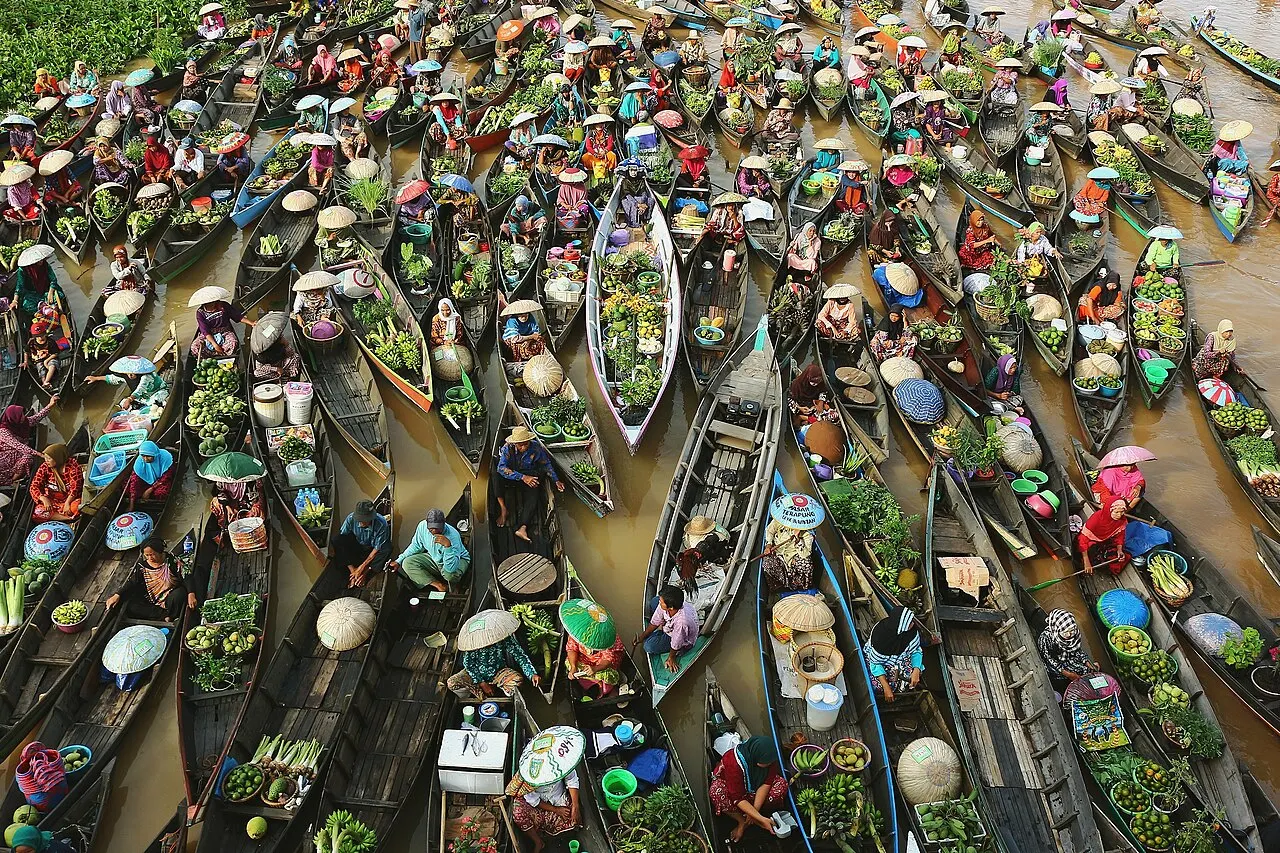
At Lok Baintan, the market moves with the boats. Traders bring produce and prepared food onto the Martapura River in small jukung, meeting customers and one another on the water. A visitor boat lets you observe that river-based trade from close by while the morning is still young. The experience is particularly appealing if you are interested in working waterways, local food and photography: the boats are part of an ordinary commercial setting, rather than scenery added to a fixed land market. An early start from a Banjarmasin base is the key practical choice. Arrange the transfer the previous day, bring space for a modest purchase and allow the boatman to approach without disrupting trade. The most rewarding visit gives attention to the people doing business, not just the colourful overview.

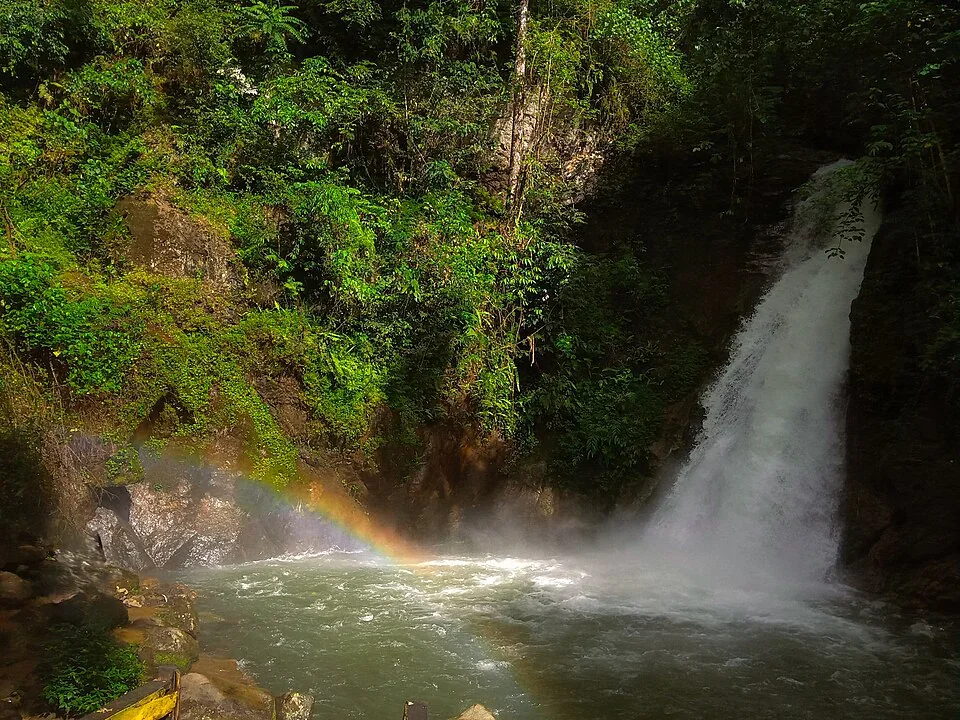
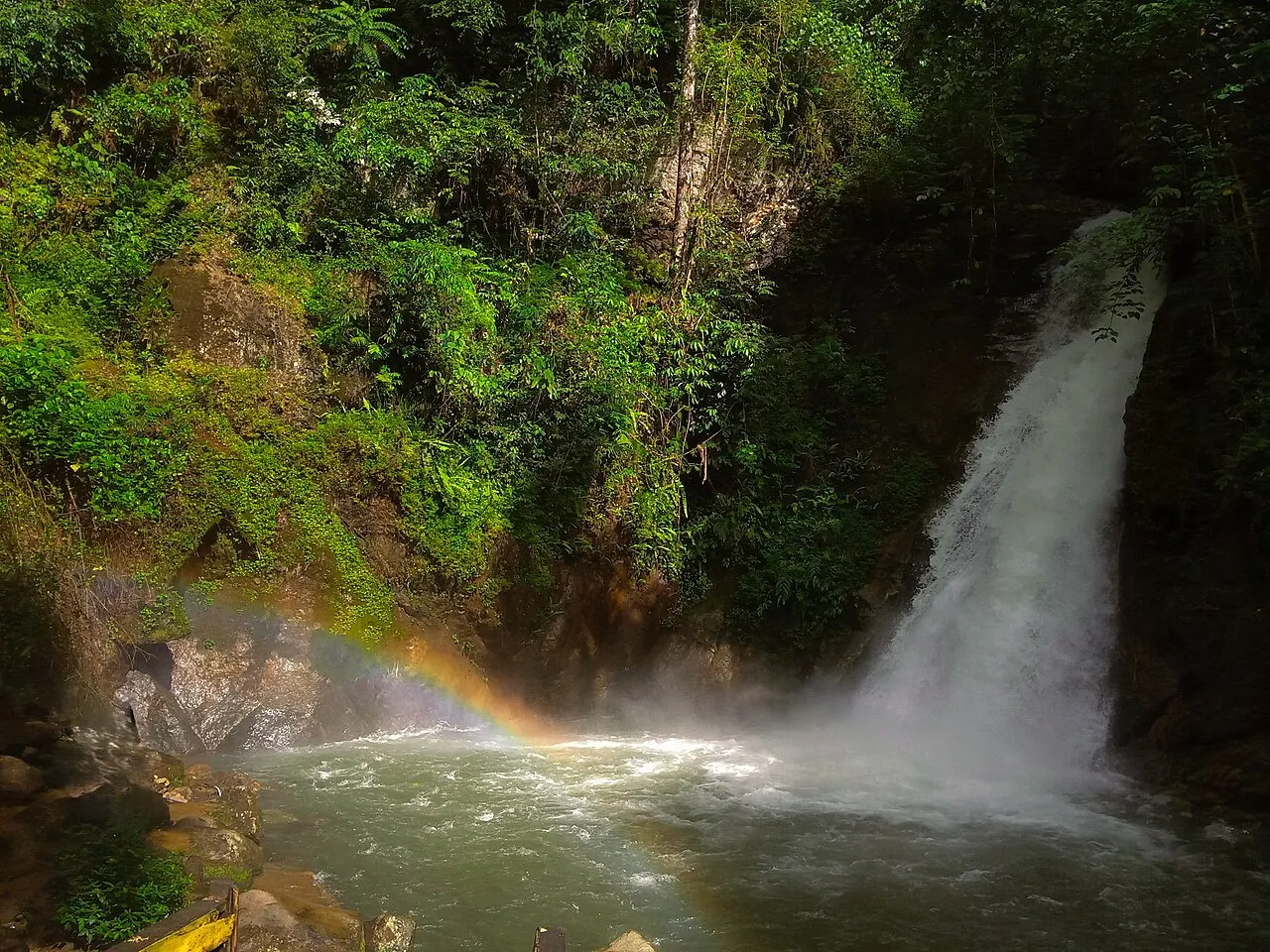
Make time for Haratai as a separate outing from Loksado, with a locally arranged approach and a final walk to the falls. The journey through the village landscape is part of the experience; leave enough time to enjoy it without racing between river and waterfall activities.

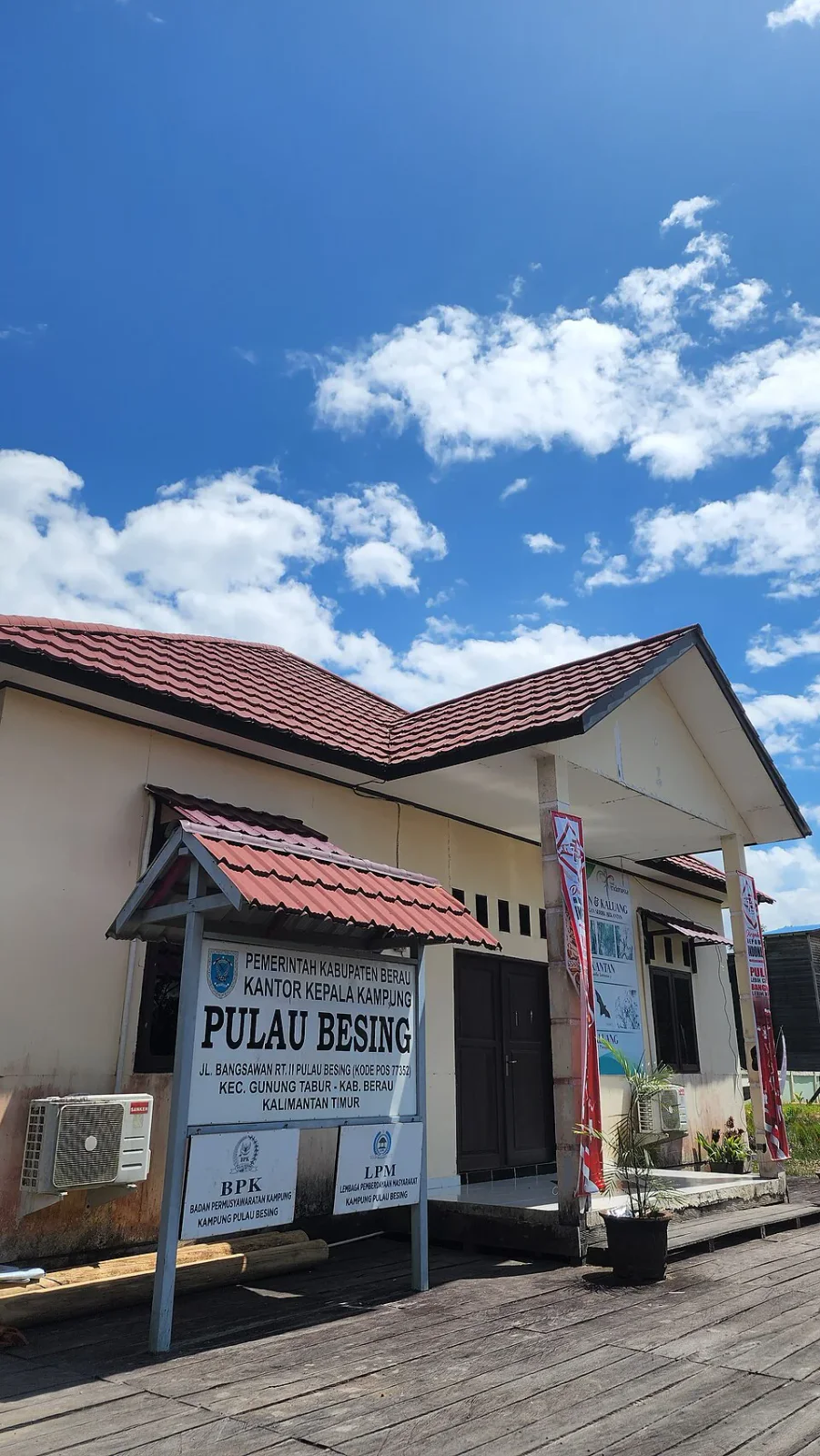
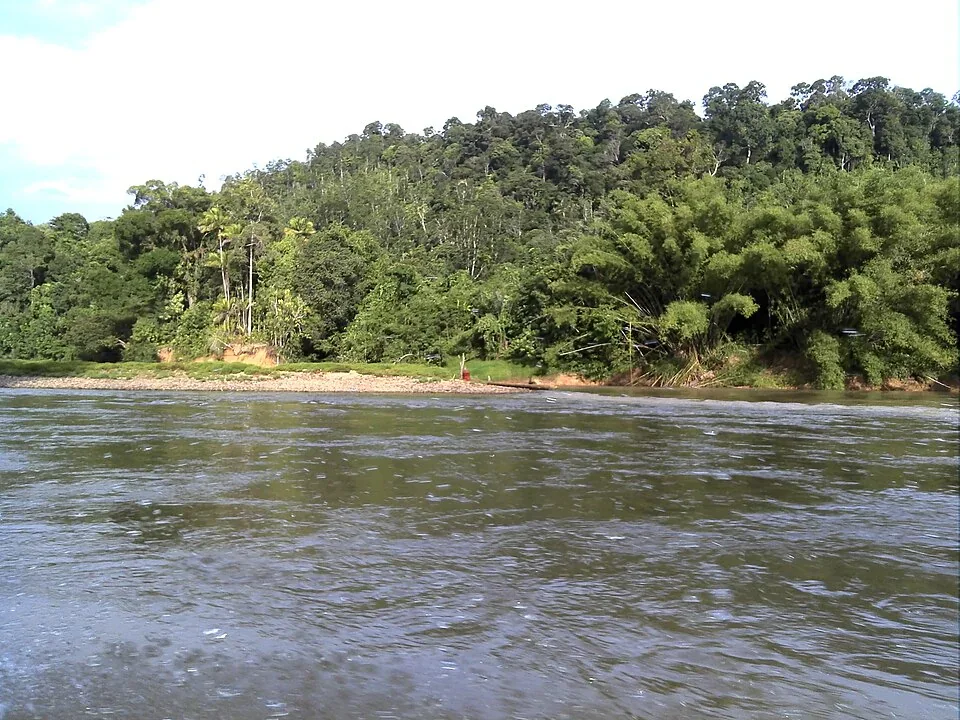
Explore a mainland Berau river setting where an officially documented boat journey encountered mangroves, proboscis monkeys and flying foxes around Batu-Batu and Pulau Besing.

Take a short boat journey through Pangkalan Bun’s riverside neighbourhoods, with time to observe the town from the water and hear how the Arut connects local life and history.

Follow the Embaloh River from Sadap towards Tekelan on a guided expedition that combines wooden longboats, riverside camping, forest walks and an Iban village connection.

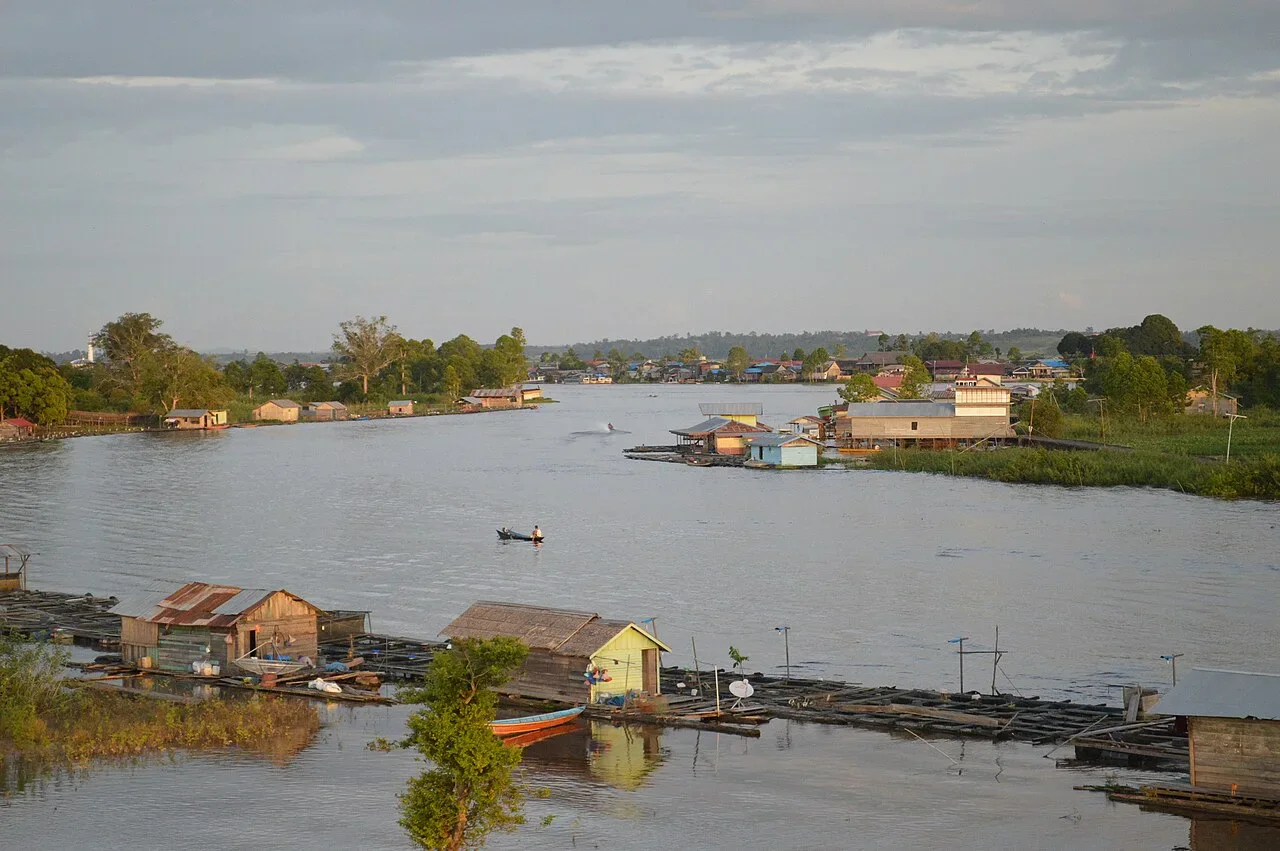
See Sampit from the water on a locally arranged small-boat trip. The Mentaya’s neighbourhoods and river traffic offer a different perspective from the waterfront; agree the actual route and return before boarding.
Make time after dusk for the Nur Mentaya streetscape and its food stalls. This urban evening visit offers another side of Sampit beyond the museum and river, with decorative lighting along a working road.

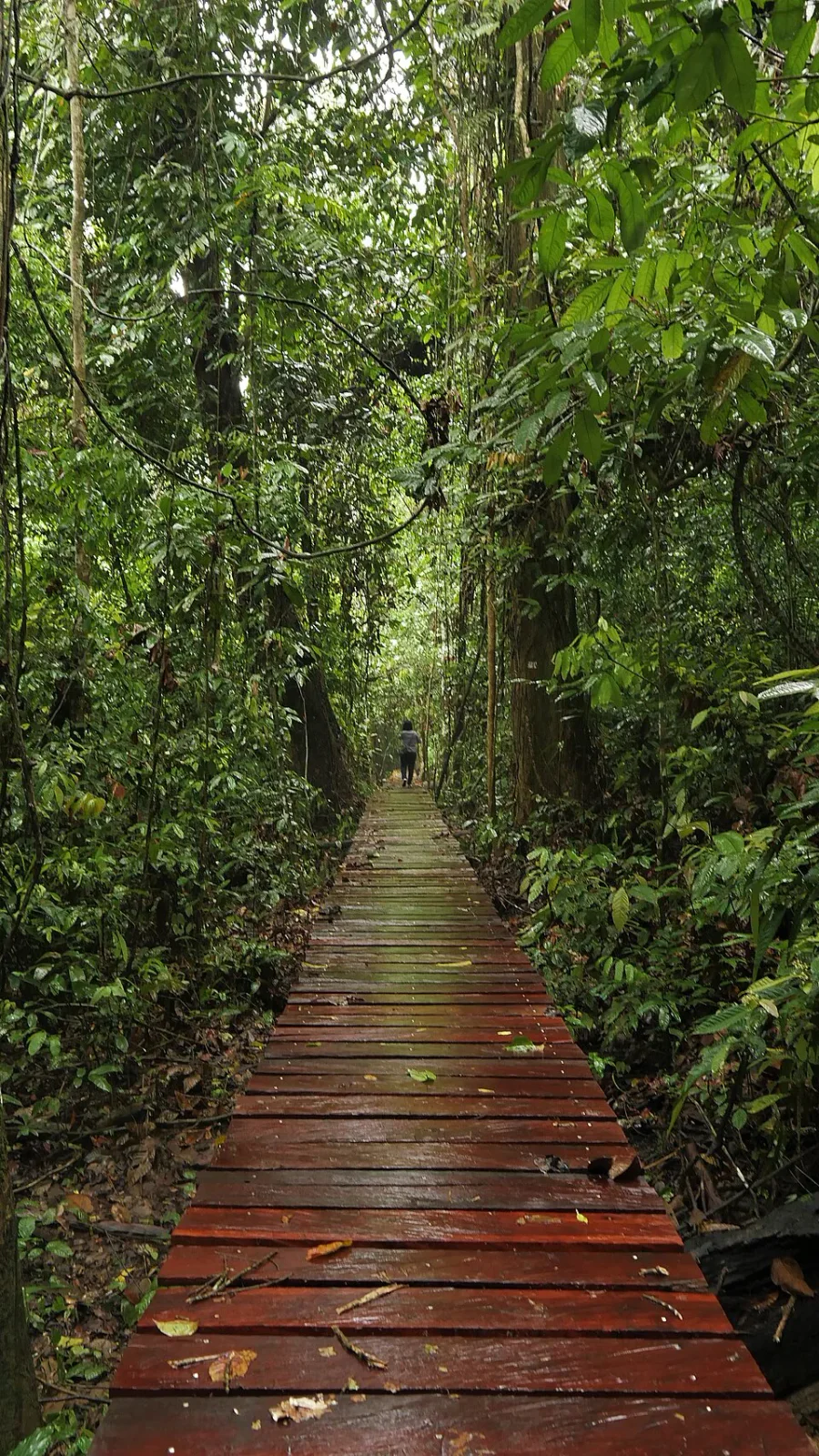
Follow the forest route at Sangkima in Kutai National Park, with a shorter boardwalk visit centred on a giant ulin tree and a longer walk for those who want more time among the trees. Arrange the route around current trail conditions and your group’s walking ability.
Travel into Sebangau’s Punggualas sector by road and river, sleep at a simple forest base, and explore peat-swamp habitat with a local guiding team.
Travel inland on a Mahakam houseboat, with smaller-boat excursions towards Jempang Lake and Mancong, village visits and the option of a longer route to Melak.
Sungai Kupah lists bakol weaving among its community activities. A session with a maker offers a hands-on contrast to the village's mangrove and river visits. Start with an interest in the process: a basket's shape, material and practical use give a more meaningful conversation than simply looking for something to buy.

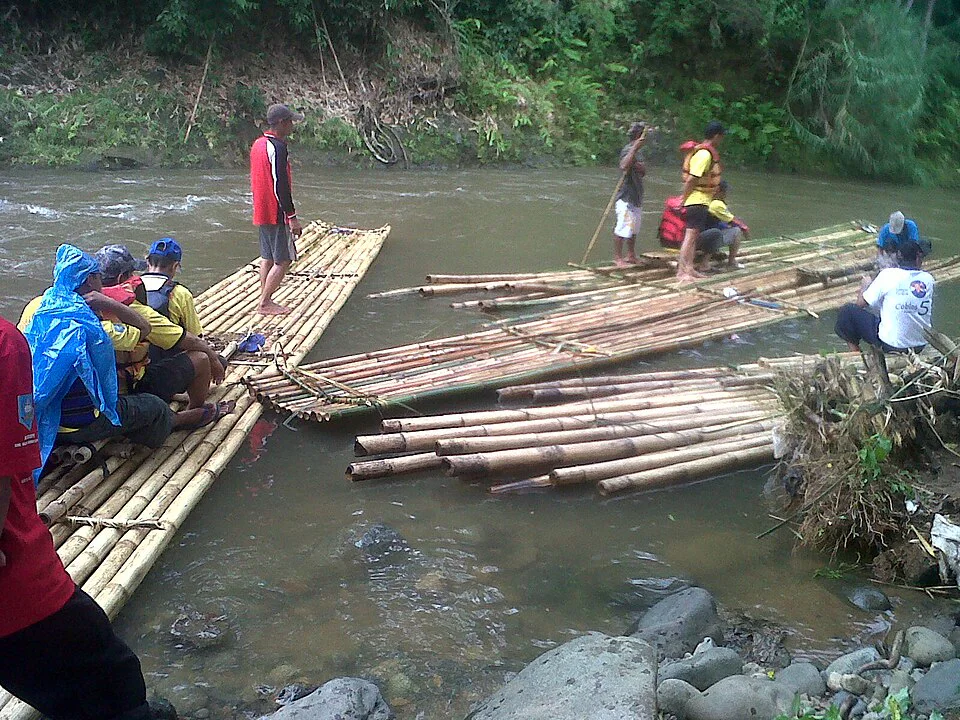
A bamboo raft gives the Amandit a different rhythm from walking beside it. With a local handler, you travel low on the water through the Loksado landscape. The craft and the river are central to the experience: this is a guided water activity with changing conditions, not a passive sightseeing platform.
Use a Batulicin stop to understand its urban corridors and try food from the wider Tanah Bumbu region. This flexible independent outing combines everyday town observations with a meal, while keeping working ports and distant excursions separate.
Binusan combines forest paths and waterfalls close to Nunukan. The village's community-managed visitor programme offers several routes, making a guided walk a more useful choice than trying to reach every waterfall in a single outing.
Explore the inhabited coastal quarter of Bontang Kuala through public walkways and a meal. The appeal is its relationship with the sea and everyday neighbourhood life, not a staged cultural performance. This is an independent visit idea, with access checked locally.

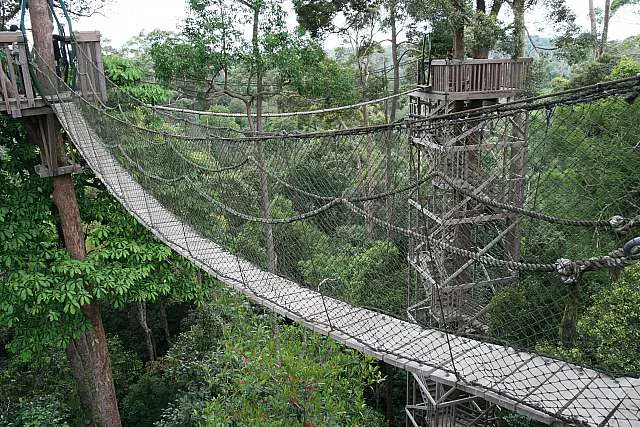
Bukit Bangkirai changes the perspective of a forest visit: a ground-level approach can lead to a suspended bridge among tall trees. The attraction is the structure of the rainforest and the experience of height, rather than a wildlife checklist. It is a distinct outing from Balikpapan's coastal or urban stops.

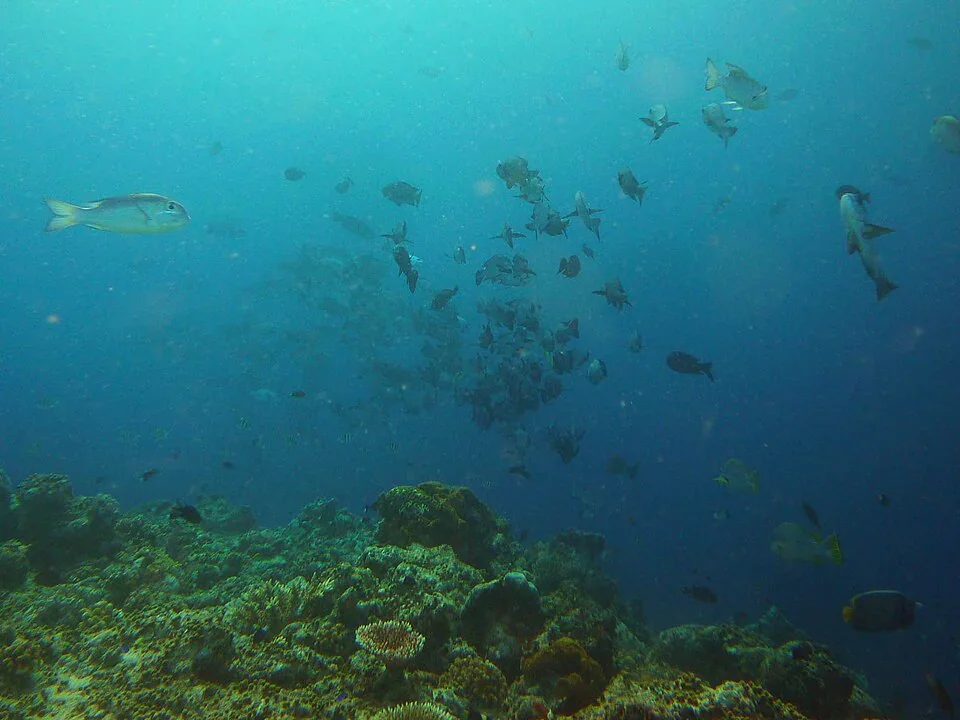
Maratua offers reef diving with a much wider range of conditions than an island photograph suggests. Walls, shallower reefs and current-exposed sites require different choices. Staying on the island lets a dive team match each outing to qualifications, recent experience and the conditions, rather than treating every famous site as compulsory.

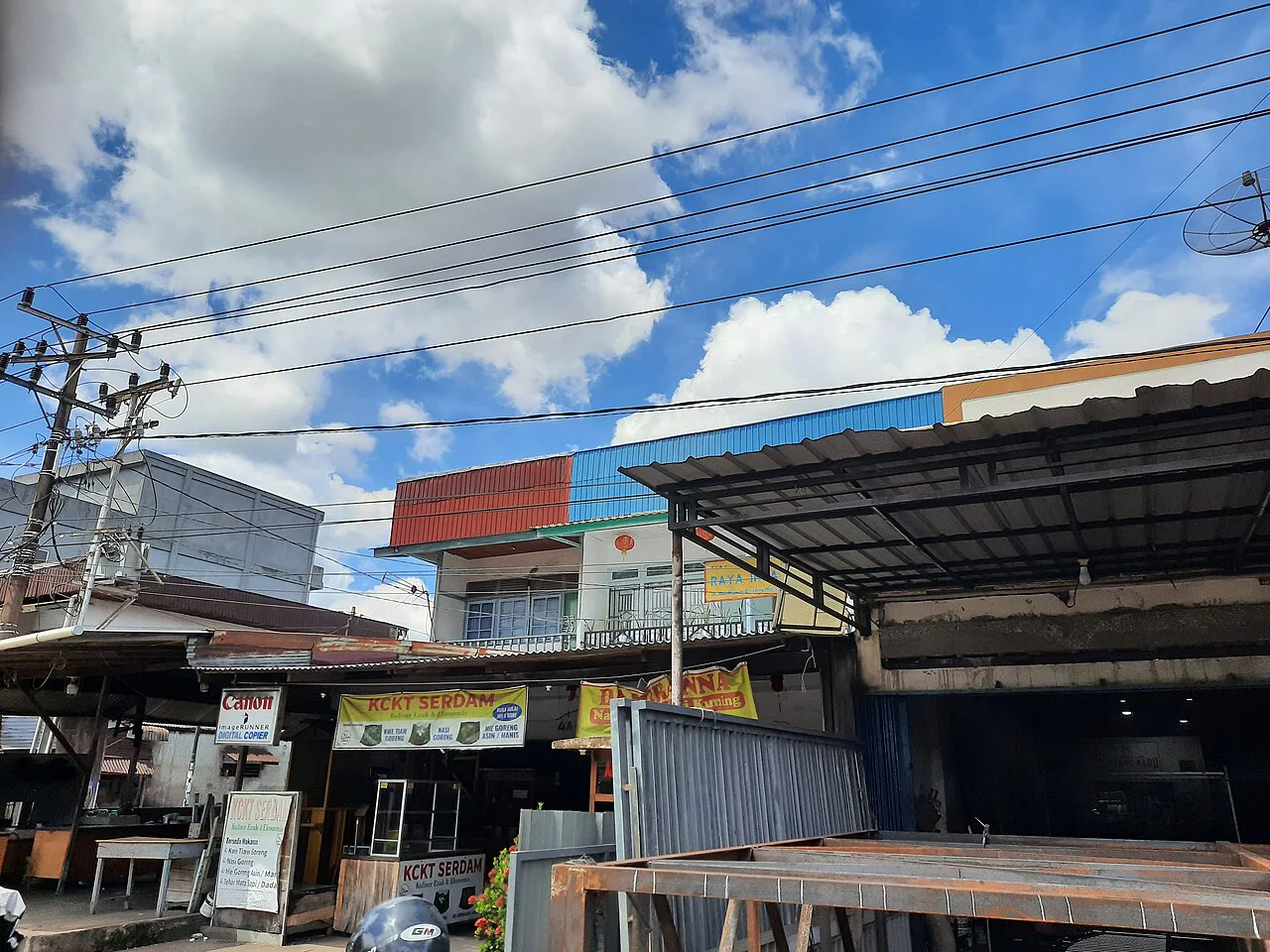
The everyday eateries of Sungai Raya Dalam, often called Serdam, make a local meal part of a visit to Sungai Raya. Explore a short section of the corridor rather than treating the whole road as a single pedestrian food market.

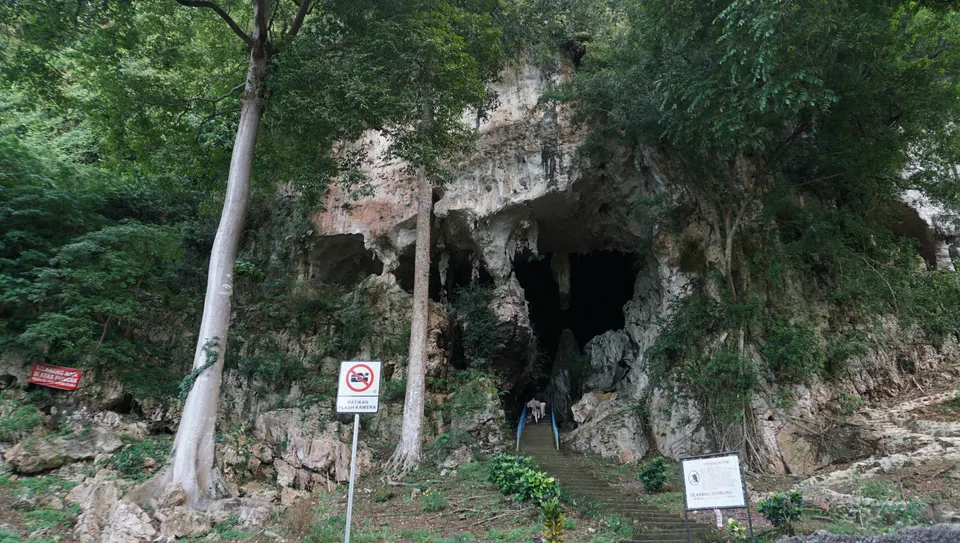
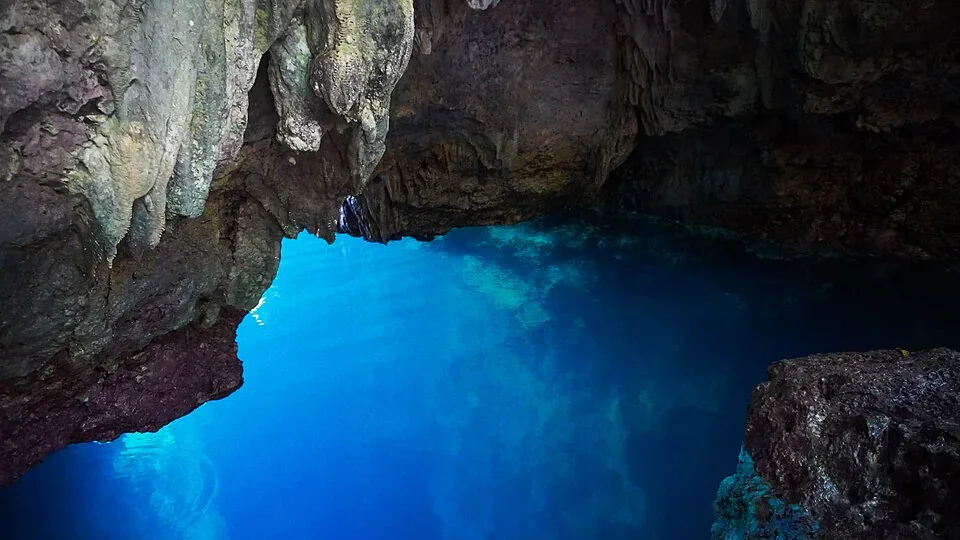
Visit a limestone cave on the northern route of Meratus Geopark, using local guidance to understand the rock landscape and stay within the currently permitted visitor area.

Arrange a focused visit to Pela’s fishing community, connecting traditional net making and casting with the village museum’s explanation of river life and conservation.

Arrange a dedicated birdwatching outing through Batu Lintang’s community tourism team, with time to watch the forest canopy and learn about the landscape protected by local hosts.

Around Derawan, a reef visit begins where the island's shoreline gives way to shallow marine habitat. With a suitable local boat and guide, snorkelling offers a way to look closely at reef fish, coral formations and the changing colour of the water without undertaking a scuba-diving programme. Staying on or near the island lets you choose outings around local sea conditions instead of making the water visit the hurried end of a long transfer. This activity is best understood as a guided reef experience within the Derawan island setting, not a promise to visit every named island in the archipelago in one day. It suits confident swimmers interested in marine life and travellers who want a few focused hours in the water between slower periods ashore.

Around Loksado, walking brings the forested slopes of the Meratus Mountains into contact with village paths, rivers and the everyday landscape of the highlands. A locally guided outing can be a half-day walk towards a waterfall or a longer day shaped around the paths and communities your host knows. The appeal is the detail along the way: changing ground, river crossings, planted areas and the relationship between settlements and forest. This is a rewarding choice for active travellers who want to spend time outside South Kalimantan's cities without committing to a long expedition. Staying in Loksado gives the walking its own space in the itinerary. Arriving, walking and returning to a distant city in one compressed day leaves much less time to understand the place.

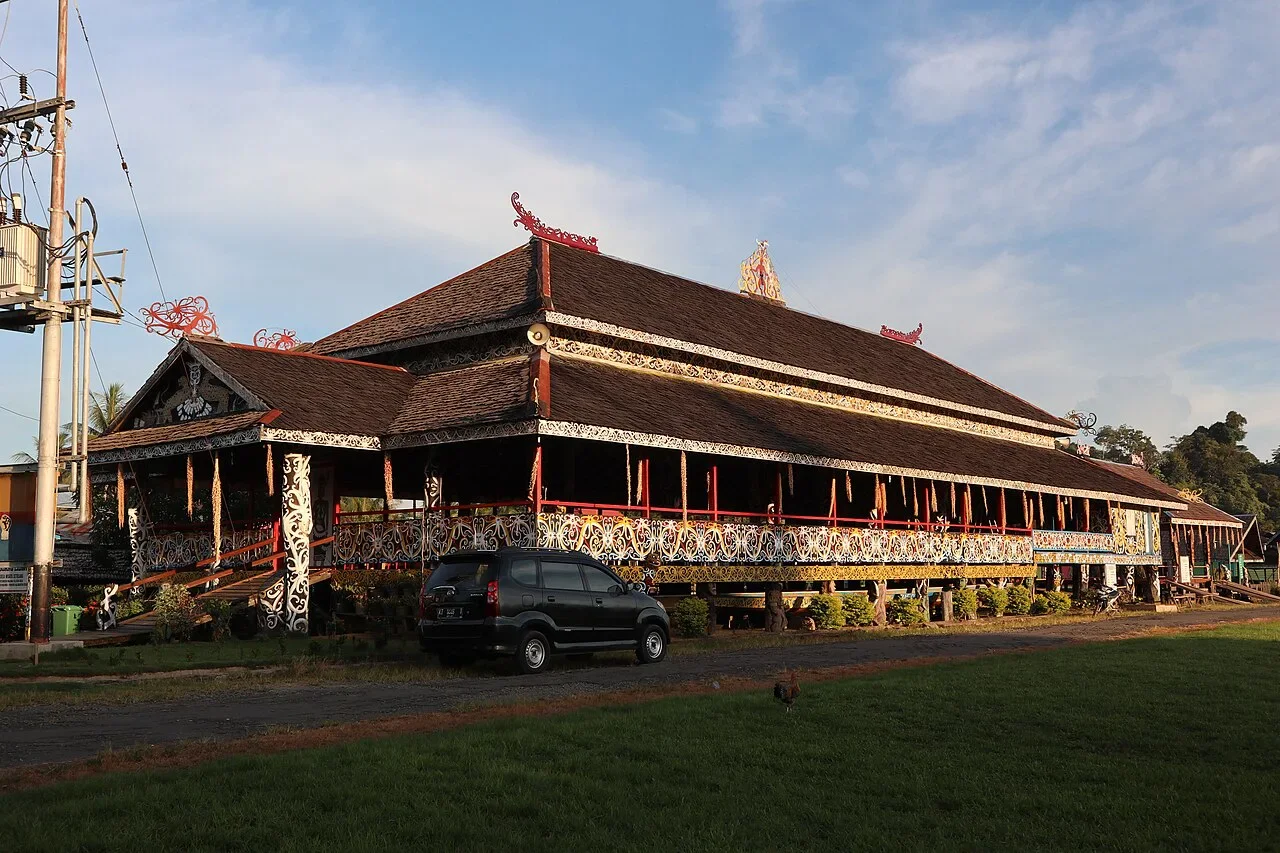
Staying with hosts in Sungai Utik gives the longhouse time to become more than a photograph. Shared spaces, conversations and the rhythm of a lived-in building are the centre of this experience. It belongs to a specific Iban community in West Kalimantan, not a generic cultural performance.
Kedang Ipil gives a waterfall outing a village base. The local tourism group lists Kandua Raya and the walk towards Putang, with homestays and community contacts to help organise a visit. Choose a specific route with a local guide rather than arriving with an assumed circuit connecting every waterfall.
Explore Ketapang through the relationship between its Pawan setting and the Malay royal heritage of Mulia Kerta. This is a suggested cultural route with short visits and separately arranged transport, not a claim that every site forms one continuous walking circuit. It suits travellers who want a meaningful town day before an onward journey, with time for local interpretation rather than a rushed collection of photographs.
Visit a named community honey-learning programme near Palangka Raya, with harvesting demonstrations, tasting and an introduction to the plants that support the bees.
Meet the craft behind the sape through an arranged visit in Cipta Karya, focusing on wood selection, shaping, carved decoration and the relationship between an instrument and its sound.
Krayan offers a highland journey shaped by rice fields, villages and local knowledge rather than a concentration of ticketed attractions. With a host around Long Bawan, a visit can follow agricultural paths, explore village surroundings and introduce the relationships between rice cultivation, water and daily life. The landscape is rewarding for travellers who enjoy slower rural travel and conversation, and who can leave flexibility in their transport plans. A locally arranged stay gives more context than a brief arrival-and-departure visit. Come with an interest in what is happening at the time: field work, household availability and suitable paths change, so the experience should grow from the host's actual programme rather than a promise of ceremonies or demonstrations on demand.
Explore Martapura through its gem shops, public space and Banjar food traditions. This independent visit centres on Cahaya Bumi Selamat, with time to look carefully and talk respectfully rather than follow a compulsory shopping programme.
Visit the dodol-producing neighbourhood of Telaga Bidadari near Kandangan to see how a familiar South Kalimantan sweet is made. Arrange an introduction to a producer, allow time for questions and tasting by invitation, and buy directly if you find something you would like to take home.
A host-arranged craft visit in Kedang Ipil brings attention to materials and everyday skills. The village lists palm-sugar production and weaving among its activities. The value is watching or learning a process with the person who practises it, rather than expecting every craft and ceremony in one standard tour.

Maratua also has a landscape above the reef. Around Payung-Payung, a locally arranged visit can connect village surroundings with the karst hollow of Goa Halo Tabung. It is an alternative for an island day ashore, with attention to the place where people live rather than another offshore boat circuit.

Pulau Sapi offers an introduction to Lundayeh craft through local makers rather than a staged overview of all Dayak cultures. Its village tourism programme lists batik and rattan-bag activities. Choose a hosted session around the craft that interests you.
Join the community’s Riam Parangek rafting programme on the Tanggi River, with a guided river session and the option to add a tented night rather than rush the return journey.
Walk with a local host through Kalong in Cipta Karya, where fruit trees mark an earlier Bakati settlement and the forest connects ecology with community memory.

Birdwatching in Central Kalimantan is as much about choosing a habitat and observing method as it is about a list of names. A boat moving slowly along a forest river opens views into bank-side trees, while a peat-forest path asks you to listen and look through denser vegetation. Sebangau and the Sekonyer–Tanjung Puting setting provide established visitor approaches with different logistics. This guide compares those options for beginners, wildlife travellers adding a birding focus and more experienced observers seeking a suitable local guide. The reward comes from slowing down: watching a perch, listening to calls and returning to a promising stretch in different light. Build time for observation into the booking, because a general sightseeing or orangutan programme may move at a different pace from a bird-focused visit.

Travelling by river can mean a small open boat into peat forest, an overnight boat along the Sekonyer, a village journey on the Mahakam or wildlife cruises from a lodge in Sabah. These experiences share a water-level view of Borneo, but differ greatly in departure point, comfort, time and purpose. This guide compares established river settings already covered in Discover Borneo so you can choose a journey that fits the rest of your trip. A day based in Palangka Raya calls for different planning from several nights around Tanjung Puting or the Kinabatangan. Start with what you want to experience—forest walking, life beside the river, sleeping aboard or wildlife observation—then select the gateway and the boat arrangement. The river name alone rarely tells you what a particular outing includes.

Forest wildlife watching in Central Kalimantan can begin with a small boat from a city-edge jetty or become a multi-day journey along a forest river. The choice affects much more than your hotel: it changes how you observe animals, how much walking is involved and how long you spend within the landscape. Sebangau and Tanjung Puting offer two established visitor settings, each reached through a different gateway. This guide helps you choose between them rather than presenting wildlife watching as one fixed excursion. Both are rewarding when you enjoy looking closely, listening and learning about habitat as well as finding mammals. Come prepared for moments when the forest seems quiet. A guide's interpretation and the time spent understanding the place can matter as much as any single sighting.

The Kapuas can be experienced as an urban riverfront in Pontianak, a working waterway around inland settlements or part of a much wider wetland journey in Kapuas Hulu. Those settings share a river system but require very different amounts of time. A short city cruise gives a view of waterfront life and bridges; an inland journey asks for another travel leg, local arrangements and often several nights. This guide helps you choose the scale of the experience before booking transport. It suits travellers interested in how rivers connect settlements and landscapes, whether you have a spare evening in the provincial capital or time for a more substantial inland trip. The key is to decide which stretch you actually want to understand, rather than assuming the name Kapuas describes one standard boat tour.

The Mahakam is both a working river and a route into East Kalimantan's inland landscapes. Near Samarinda, boats, waterfront buildings and the scale of the river create an urban experience. Farther inland, a village-based visit around Pela brings a different pace and a closer relationship with local livelihoods and river ecology. These are distinct choices, not stages automatically included in one sightseeing ticket. This guide helps you decide whether you want a short city outing, a cultural stop in the wider river region or time with a locally organised inland programme. The most useful first question is where the boat actually goes. Once the stretch is clear, the transfer, accommodation and amount of time you need become much easier to judge.