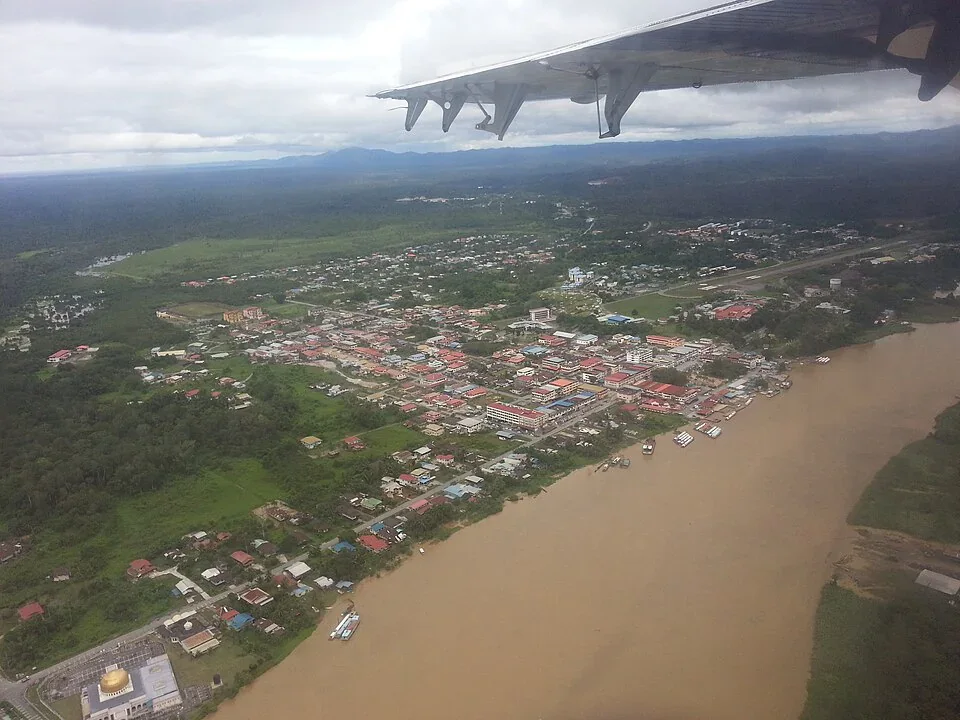
Lahad Datu Airport and forest transfers
SabahLahad Datu is an air and road gateway for organised forest stays. Danum access requires separate permission and a coordinated onward vehicle.

705 discoveries

Lahad Datu is an air and road gateway for organised forest stays. Danum access requires separate permission and a coordinated onward vehicle.

Match the mainland departure to the island operator or resort you booked.

Miri Airport, code MYY, connects the Miri portion of a Sarawak journey with onward local planning.

Use the Miri–Sibu coach corridor to connect northern Sarawak with a Sibu stay, checking the named terminal rather than relying on a city-only search.

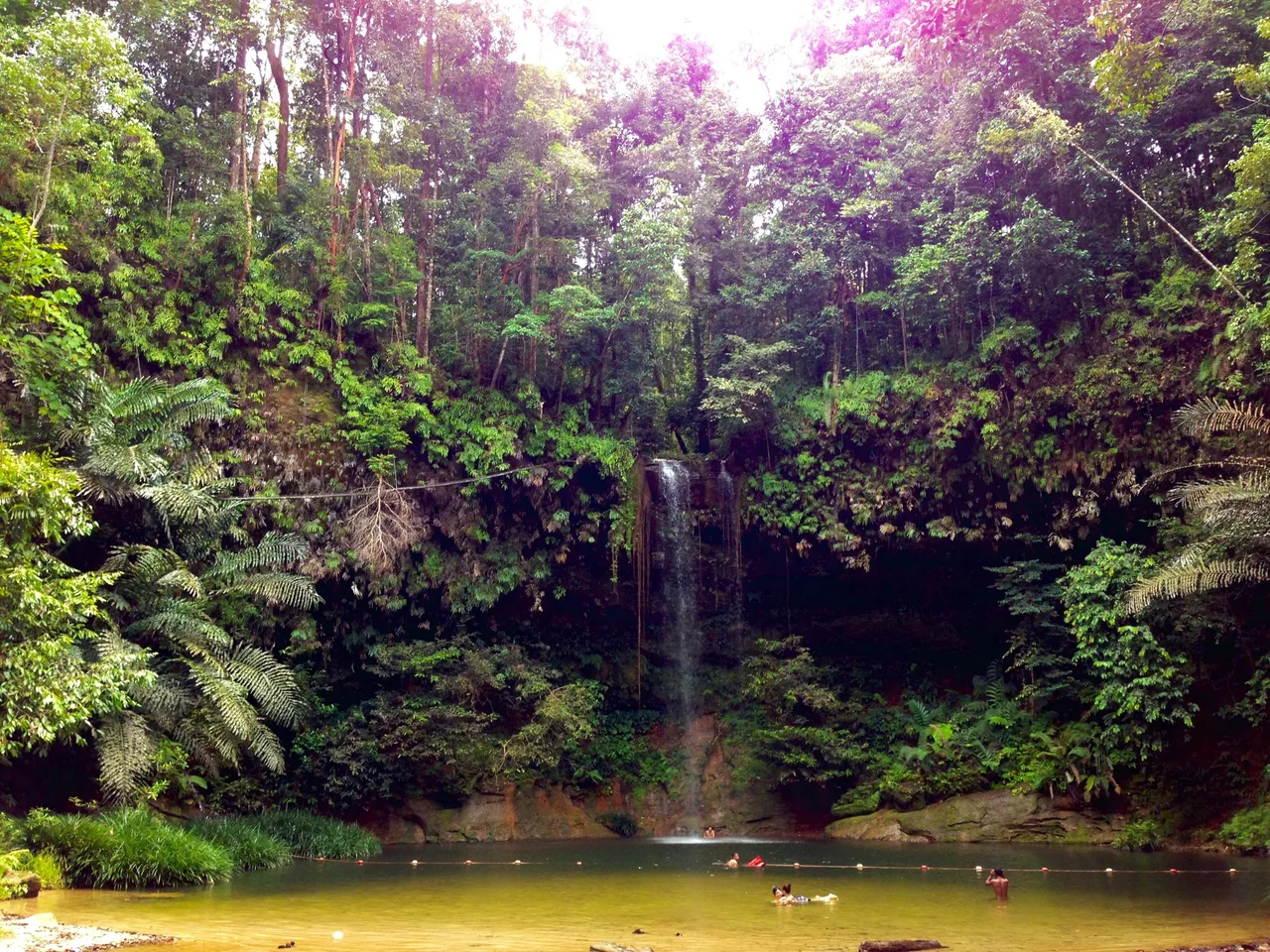
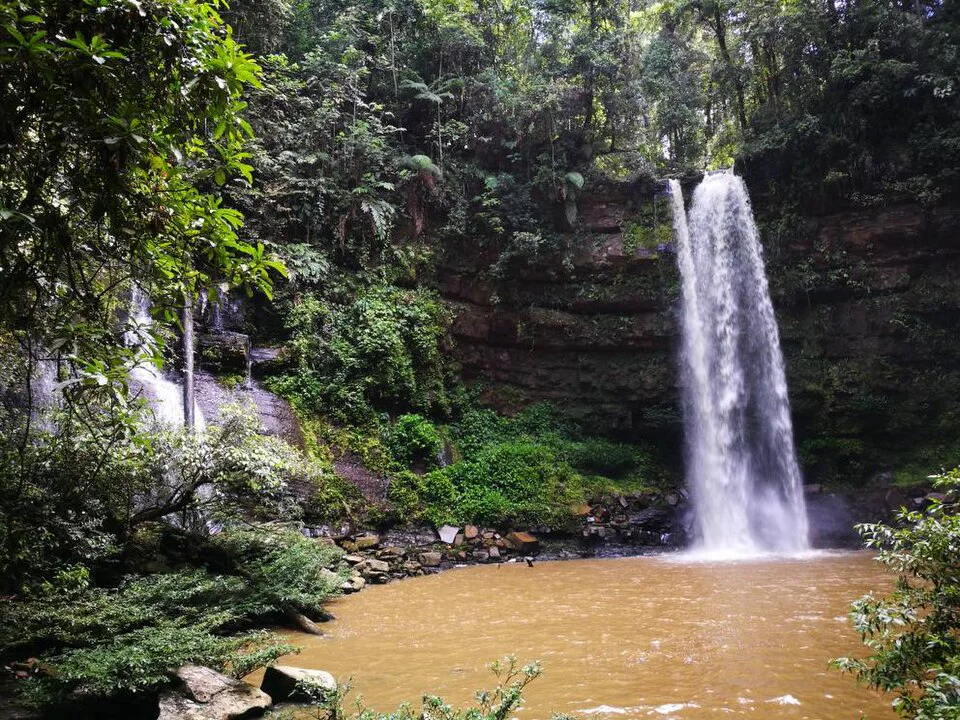
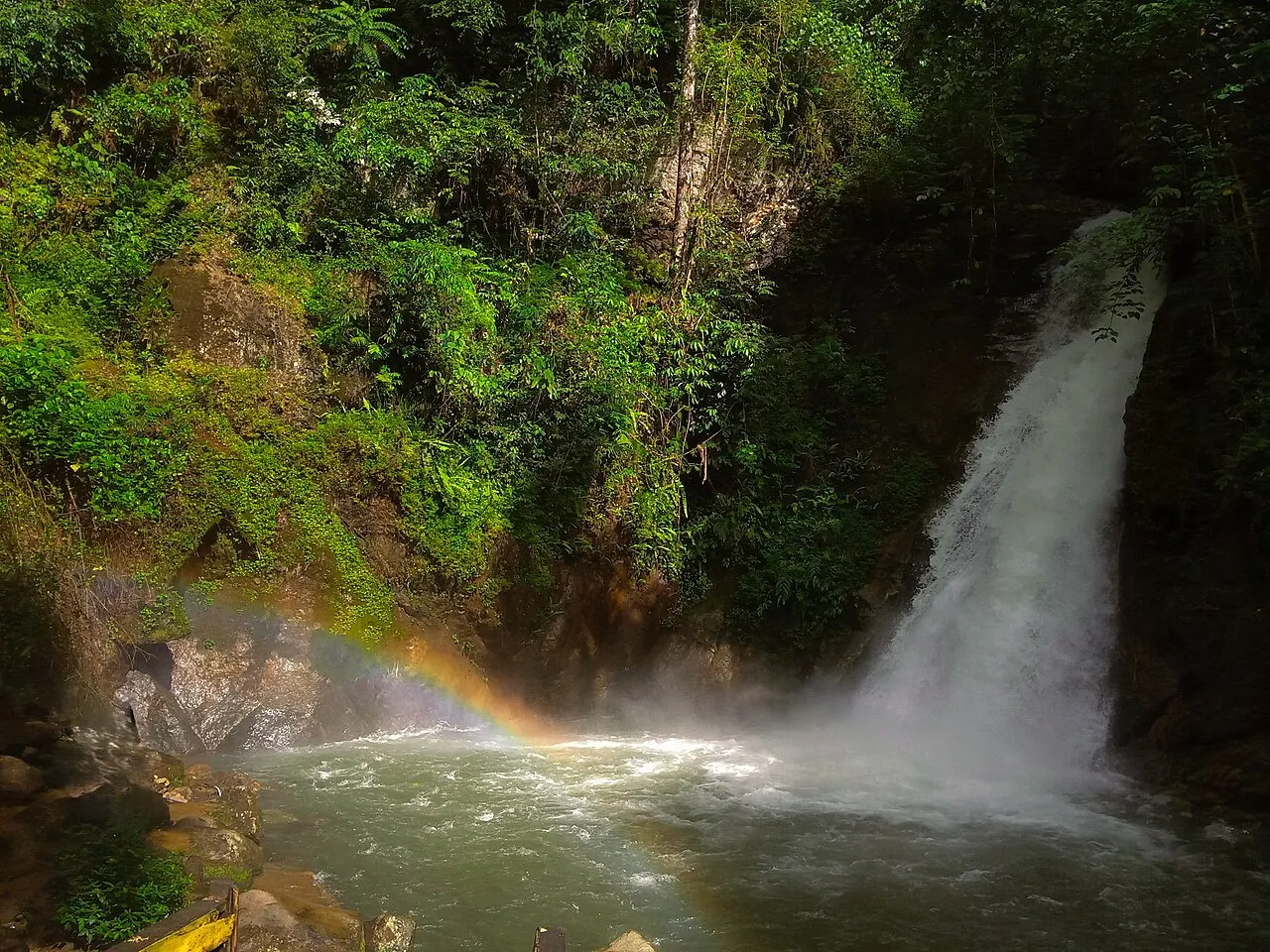
Lambir Hills National Park brings a richly varied lowland forest within reach of Miri. Waterfall walks provide a visitor route into the landscape, while long-term tree research reveals why this relatively compact forest matters far beyond its trails.

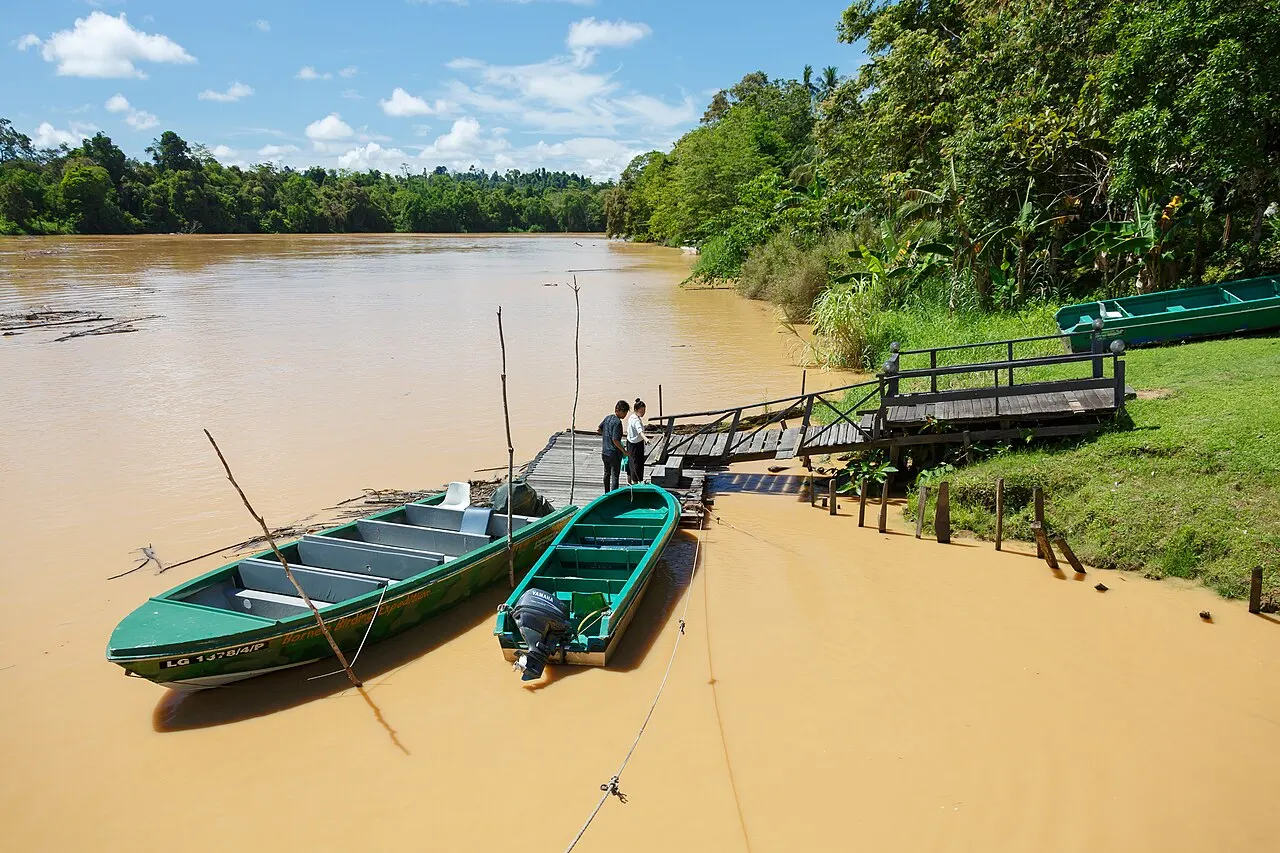
The Lower Kinabatangan Wildlife Sanctuary protects parts of the forested floodplain along eastern Sabah’s best-known wildlife river. Here the visitor experience is shaped by water: boats follow forest edges, tributaries and river bends while guides look for movement in the canopy and along the banks. Proboscis monkeys are strongly associated with the landscape; orangutans, elephants and many birds also occur, without any sighting being guaranteed. This is not one enclosed park with a single entrance. Lodges and village bases around Sukau, Bilit and Abai serve different stretches of the river, usually with transfers arranged through Sandakan. Choose the base and programme together rather than booking a boat trip against a generic map pin. Two nights give useful space for both morning and evening outings. The sanctuary is also part of a lived-in landscape where river communities, agriculture and wildlife conservation meet.

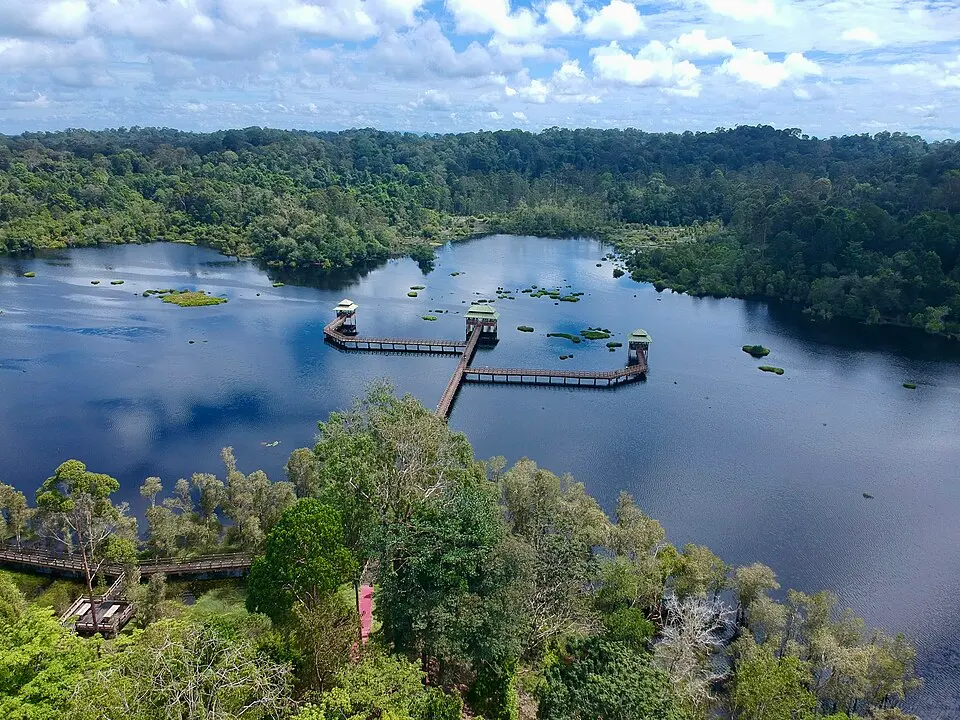
Explore Luagan Lalak’s seasonal freshwater wetland in Belait. Plan a daytime visit to open paths and viewpoints, with road transport arranged in advance.

The Mahakam is a working river landscape in East Kalimantan, connecting urban waterfronts, settlements and inland wetlands. It is not one protected area or a single wildlife cruise. Samarinda and Tenggarong reveal its transport and cultural roles, while inland journeys require a more specific route and local host. The river is also important for the threatened Mahakam population of Irrawaddy dolphins, but that does not make an urban boat trip a dolphin-viewing trip. Choose between a city river experience and a longer community or conservation journey before deciding where to stay. There is no single Mahakam entrance, park ticket or visit duration.

Maliau Basin is a protected rainforest catchment in south-central Sabah. A stay around its Studies Centre and a multiday trek into the basin are different journeys, both requiring advance arrangements rather than a spontaneous arrival at a forest gate.

Understand Maludam’s protected peat-swamp forest, river and primates. This conservation guide does not present an unconfirmed boat trip as a ready-to-book visit.

The Meratus Mountains form a landscape of hills, river valleys and inhabited territories in South Kalimantan. Geology is central to their identity: the wider Meratus UNESCO Global Geopark received recognition in 2025, linking earth heritage with education and local livelihoods. That designation does not turn the entire mountain range into one national park. For visitors, a named local base such as Loksado is more useful than a pin in the mountains. Guided walking and river landscapes can introduce one part of Meratus, while other geosites require separate journeys. Start with a chosen route and community host, not a promise to see the whole geopark in one outing.

Explore Lambir’s lowland rainforest from Miri, choosing an open route that fits your ability rather than a promised wildlife checklist.
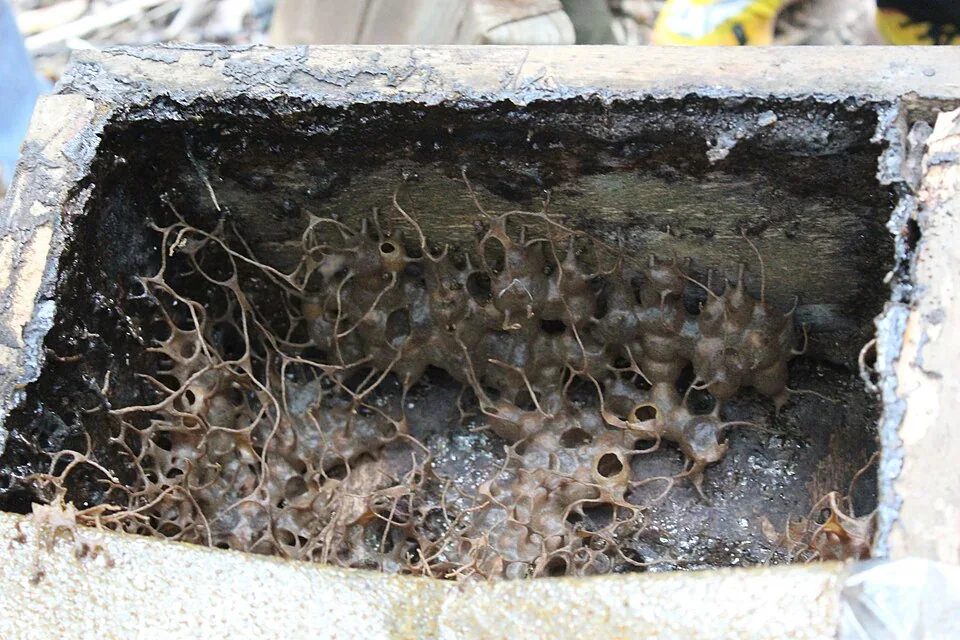
Visit a named community honey-learning programme near Palangka Raya, with harvesting demonstrations, tasting and an introduction to the plants that support the bees.
Meet the craft behind the sape through an arranged visit in Cipta Karya, focusing on wood selection, shaping, carved decoration and the relationship between an instrument and its sound.
Explore a changing lake landscape from Miri, with boat travel when water levels allow and interpretation of Berawan fishing traditions.
Krayan offers a highland journey shaped by rice fields, villages and local knowledge rather than a concentration of ticketed attractions. With a host around Long Bawan, a visit can follow agricultural paths, explore village surroundings and introduce the relationships between rice cultivation, water and daily life. The landscape is rewarding for travellers who enjoy slower rural travel and conversation, and who can leave flexibility in their transport plans. A locally arranged stay gives more context than a brief arrival-and-departure visit. Come with an interest in what is happening at the time: field work, household availability and suitable paths change, so the experience should grow from the host's actual programme rather than a promise of ceremonies or demonstrations on demand.
Spend two nights beside the Lalang River after an introduction at Nanga Sumpa. Guided forest walks, Iban-hosted meals and a basic jungle camp make this a dedicated inland journey from Kuching.

Explore reef stops around Mabul and Kapalai on a snorkelling-focused boat day, with clear arrangements for equipment, guidance and return travel.

Explore Mabul’s smaller marine life with an appropriate dive operator, keeping this experience separate from Sipadan’s offshore wall diving.

The Mahakam is both a working river and a route into East Kalimantan's inland landscapes. Near Samarinda, boats, waterfront buildings and the scale of the river create an urban experience. Farther inland, a village-based visit around Pela brings a different pace and a closer relationship with local livelihoods and river ecology. These are distinct choices, not stages automatically included in one sightseeing ticket. This guide helps you decide whether you want a short city outing, a cultural stop in the wider river region or time with a locally organised inland programme. The most useful first question is where the boat actually goes. Once the stretch is clear, the transfer, accommodation and amount of time you need become much easier to judge.
Arrange a craft and heritage visit at Lamin Kampung in Kampong Penapar, Tutong. Its Pangkalan Waris programme connects everyday objects with practical activities and stories about village life.

Explore Mantanani’s reefs on a planned day trip, allowing for the road journey from Kota Kinabalu and the weather-dependent sea crossing.

Join a hosted introduction to Sabah’s cultural traditions near Kota Kinabalu, with demonstrations and interpretation rather than an uninvited village visit.
Shop for ingredients, cook with a local instructor and eat the meal you have prepared. Bumbu’s four-hour classes bring a practical food experience into a Kuching city stay.
Explore Martapura through its gem shops, public space and Banjar food traditions. This independent visit centres on Cahaya Bumi Selamat, with time to look carefully and talk respectfully rather than follow a compulsory shopping programme.

Travel inland from Miri for Fort Hose, Baram river-town history and a taste of Marudi's everyday food.

Make a hosted village stop to learn about honey production in the Matunggong area of northern Sabah.
Visit the dodol-producing neighbourhood of Telaga Bidadari near Kandangan to see how a familiar South Kalimantan sweet is made. Arrange an introduction to a producer, allow time for questions and tasting by invitation, and buy directly if you find something you would like to take home.

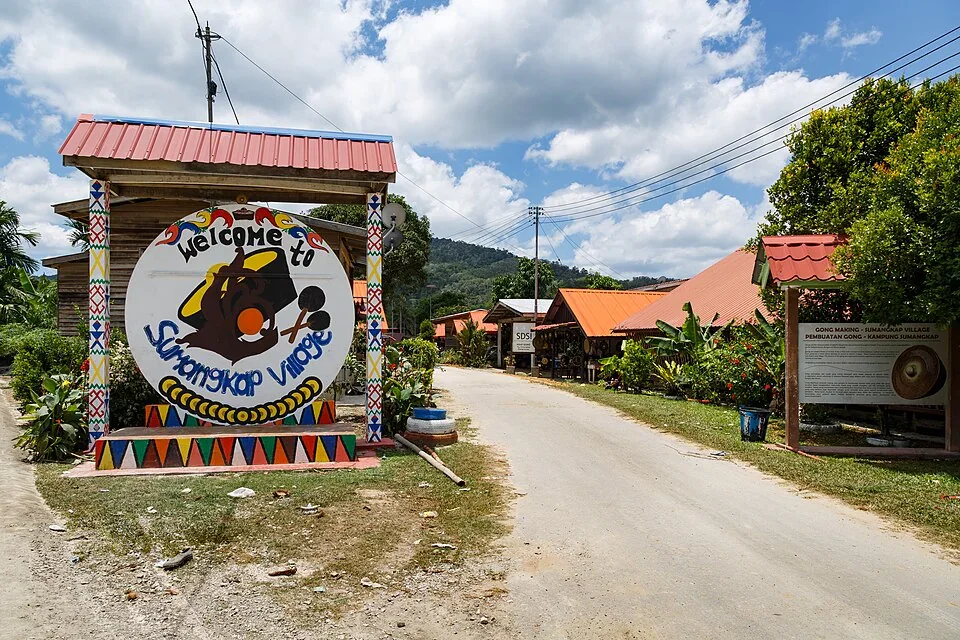
Arrange a focused craft visit in the Kudat region to learn how gongs are made and how their sound connects with local cultural life.

Connect Canada Hill's petroleum story with Miri's markets and craft traditions on a short guided city outing.

Explore Kadazan heritage through a focused visit to Monsopiad Heritage Village, within reach of Kota Kinabalu.

Banjarbaru’s civic square is a place to observe the public life of the city, from informal recreation to organised gatherings when events are scheduled.

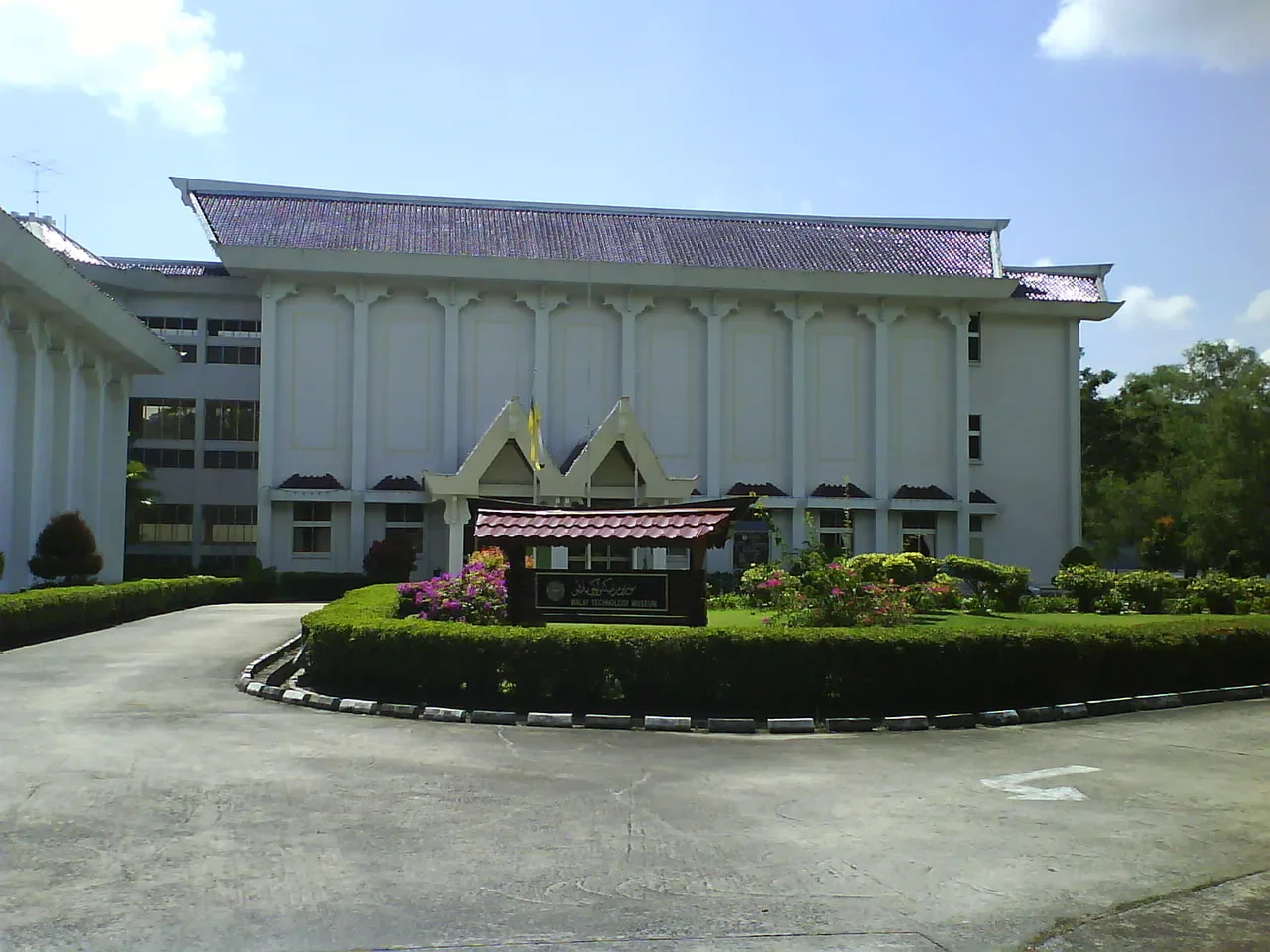
The Malay Technology Museum in Kota Batu explores the practical knowledge behind traditional houses, fishing, hunting and crafts in Brunei. Its models and objects offer an indoor introduction to ways of making and building, with a useful connection to the living water village of Kampong Ayer.

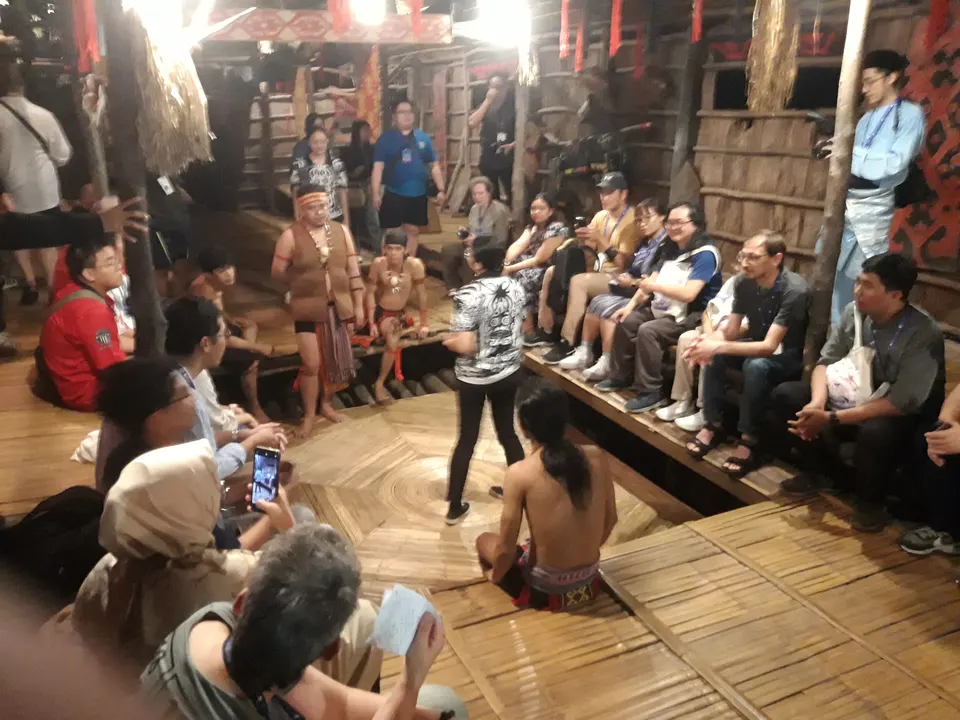
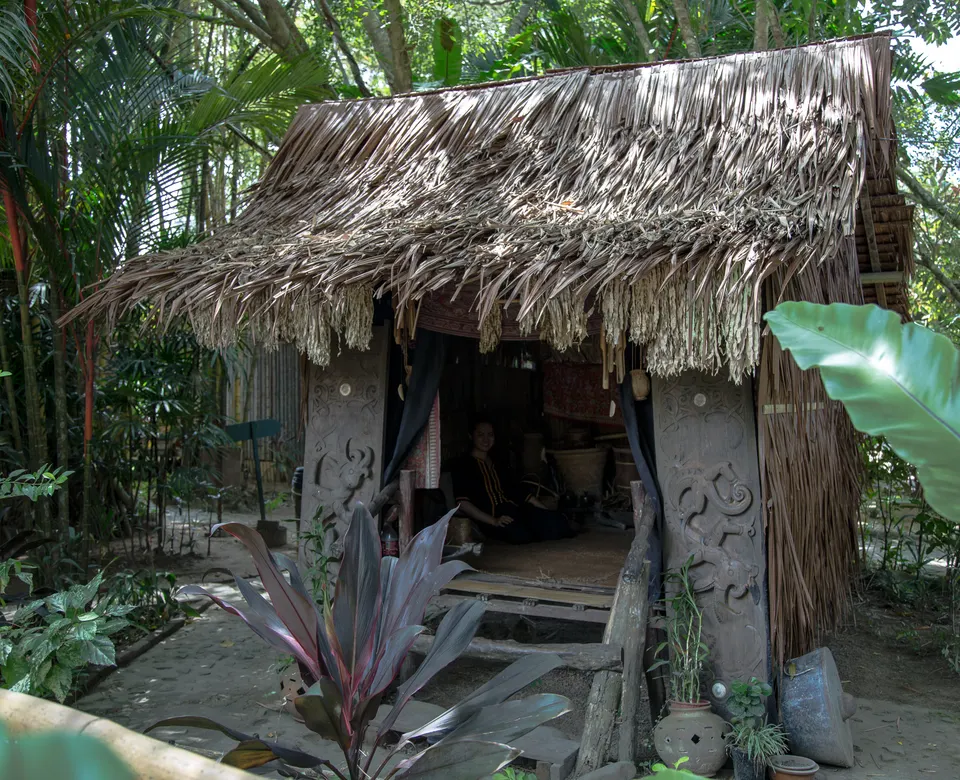
A guided cultural presentation near Kota Kinabalu, with traditional houses, demonstrations and performances. Book a session and arrange return transport.
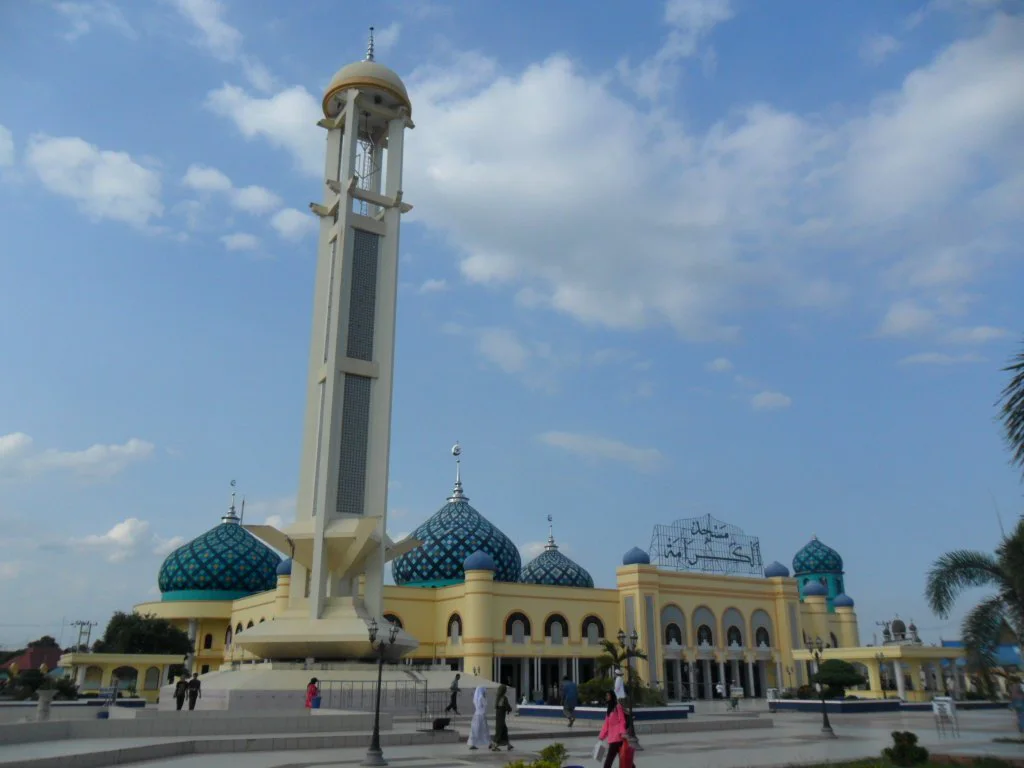
Visit Sangatta’s Al Faruq mosque in Bukit Pelangi as an active religious place, not simply an architectural backdrop.
A historic timber mosque in Tenggarong’s palace neighbourhood, where Kutai religious heritage remains part of daily life.
Explore a living religious landmark in Samarinda Seberang, where architectural heritage remains part of neighbourhood worship.

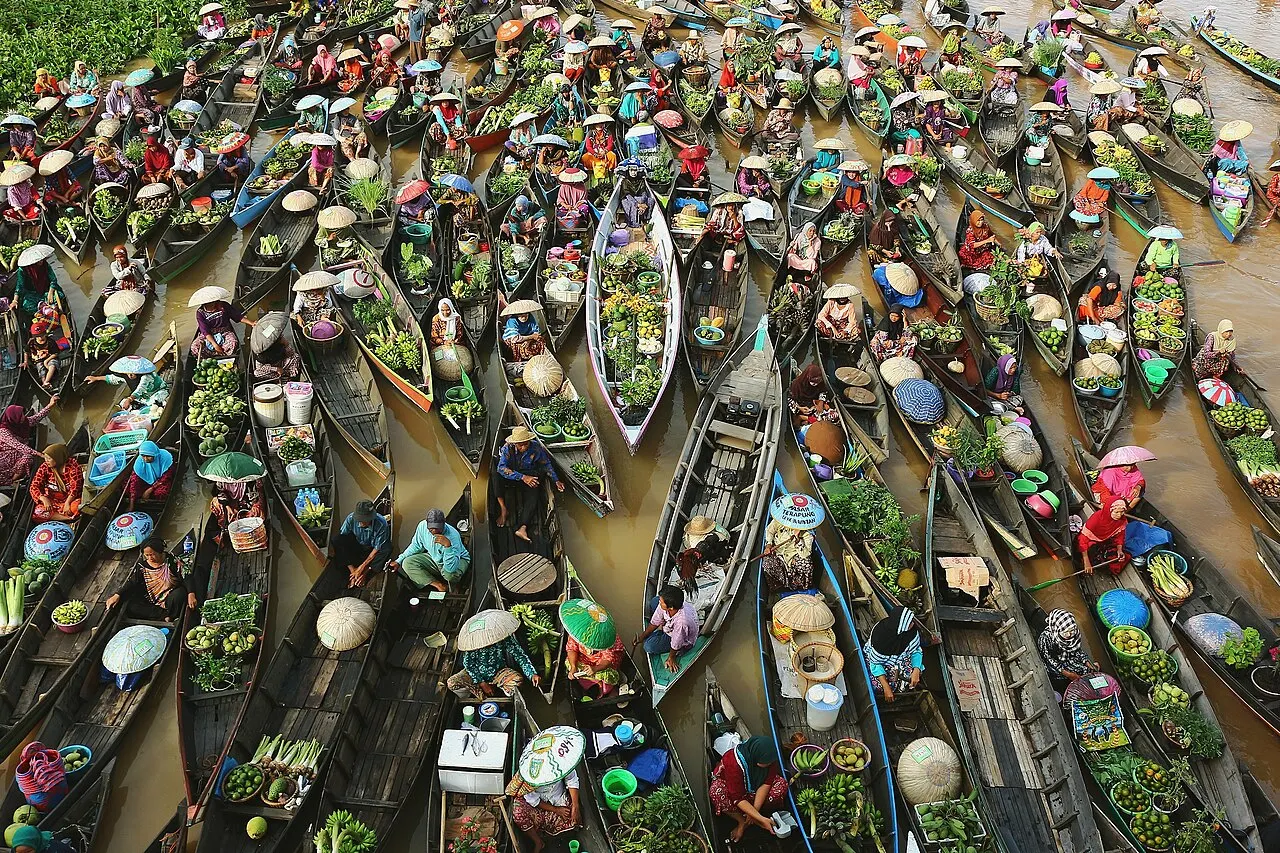
Lok Baintan is a working floating market on the Martapura River, where traders sell from small jukung boats. Its value is the living river economy of Banjar, best approached as an early-morning visit that respects people at work.
Lemang is glutinous rice cooked with coconut milk in a leaf-lined bamboo tube. The firm, sliceable rice carries a gentle coconut richness and a cooking tradition shared across Kalimantan and the wider Malay world.
Linopot is a compact leaf-wrapped rice preparation from Sabah. Some versions combine rice with yam or sweet potato, making a soft staple that is opened and eaten with contrasting fish, vegetables and condiments.
Explore mantau as part of Balikpapan’s everyday food scene, including the local pairing with black-pepper beef.
Midin is Sarawak’s crisp fern vegetable, often stir-fried with garlic or belacan. The young shoots bring a juicy bite to a rice meal; shrimp paste changes both flavour and dietary suitability.

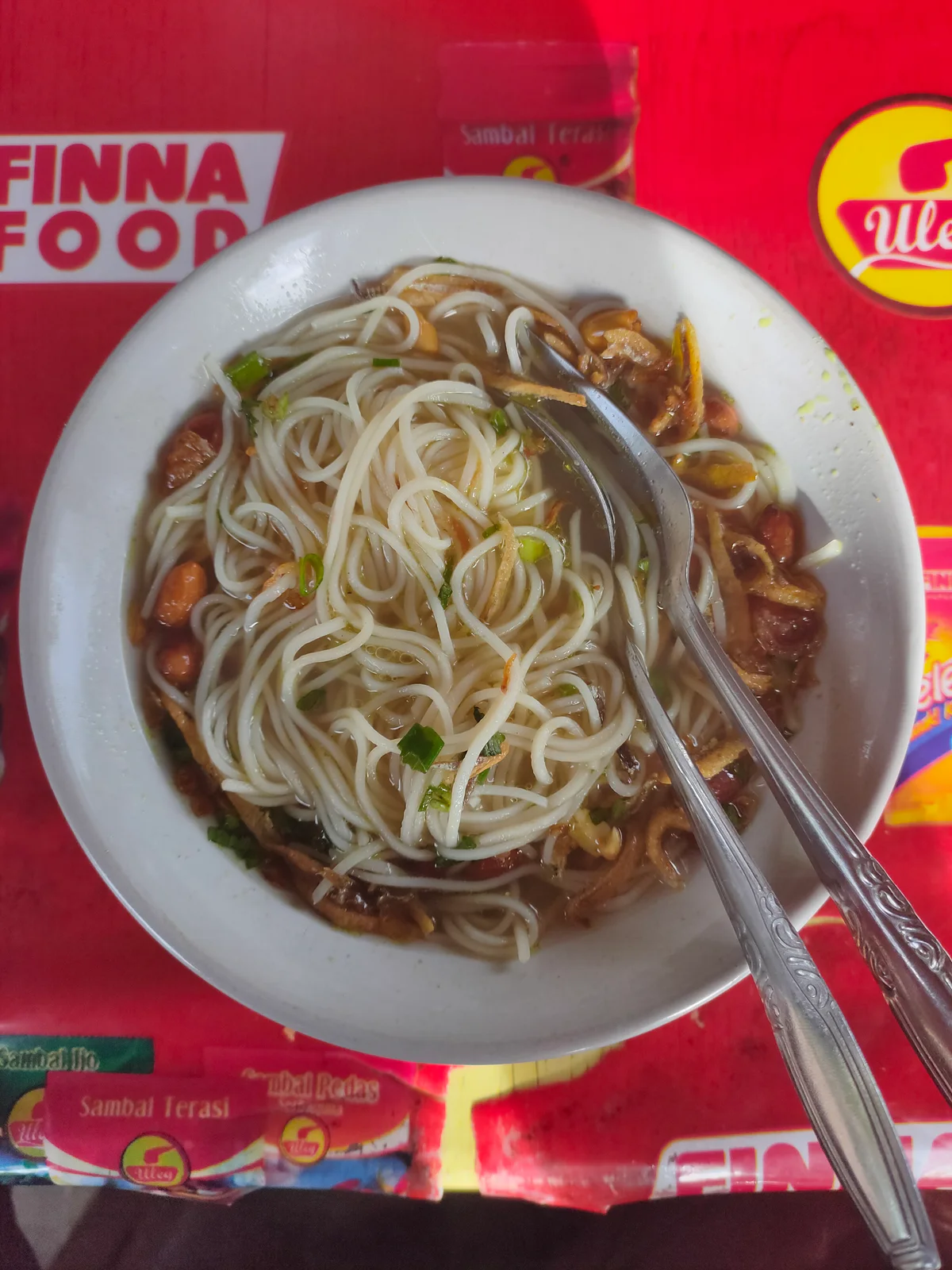
Fine noodles, a warm bowl and a story of longevity: discover Singkawang’s mie asin and ask each cook about the broth and toppings.

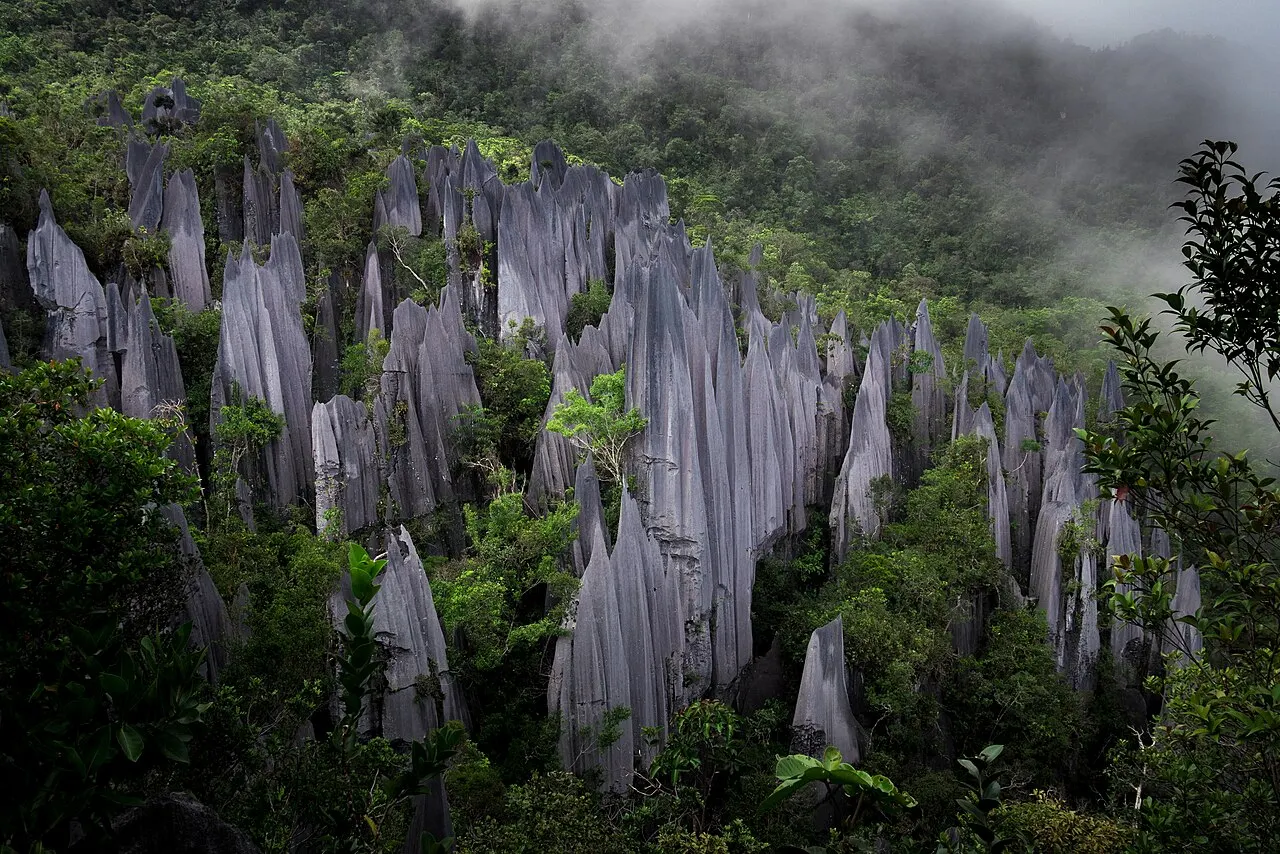
Karst connects rock, water and living communities. Sarawak’s Mulu landscape shows how limestone ridges, pinnacles and underground drainage belong to one landscape while supporting different ecological settings.

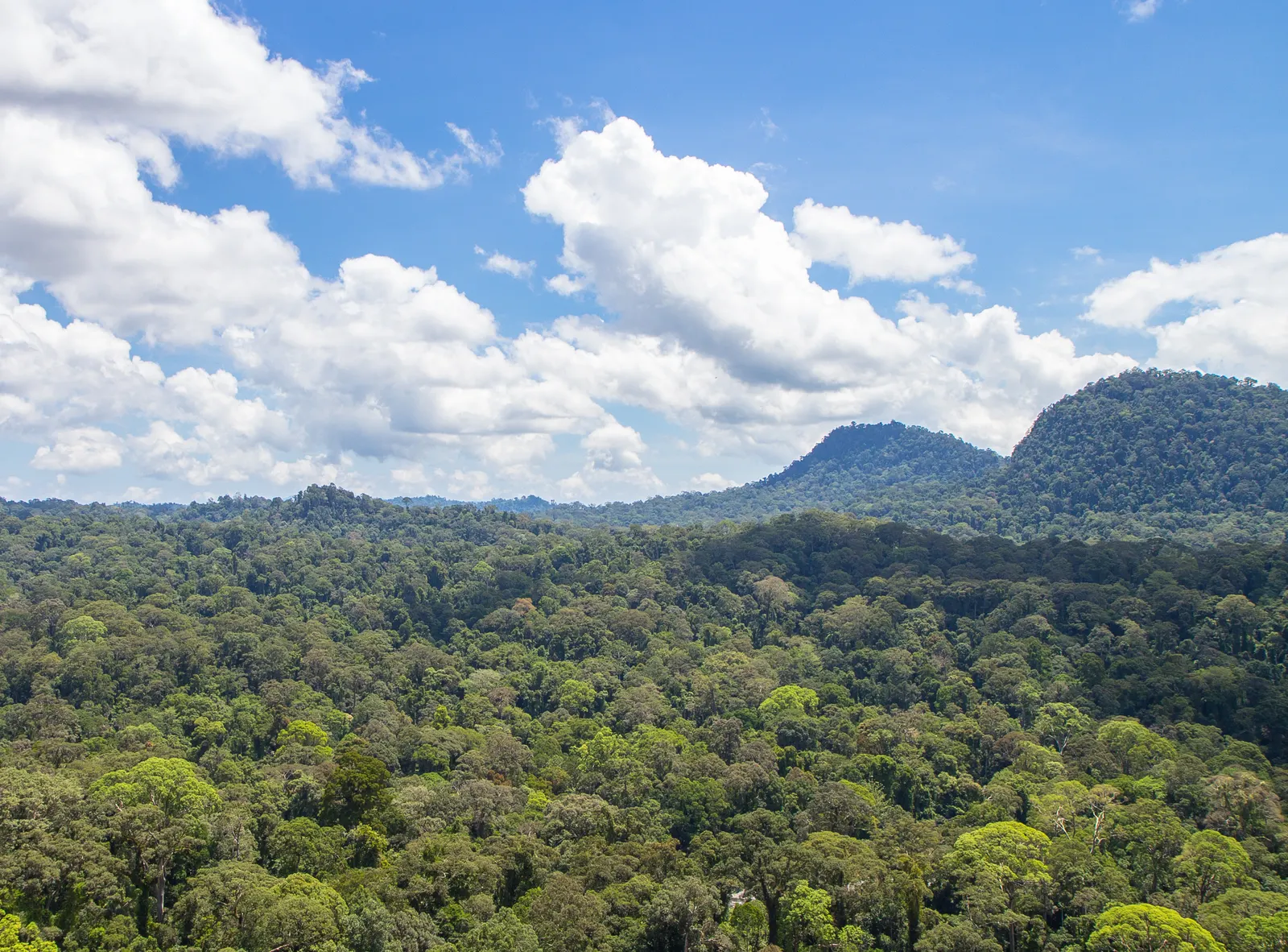
Lowland forest is one part of Tanjung Puting’s wider ecological mosaic, distinct from its waterlogged and coastal habitats.

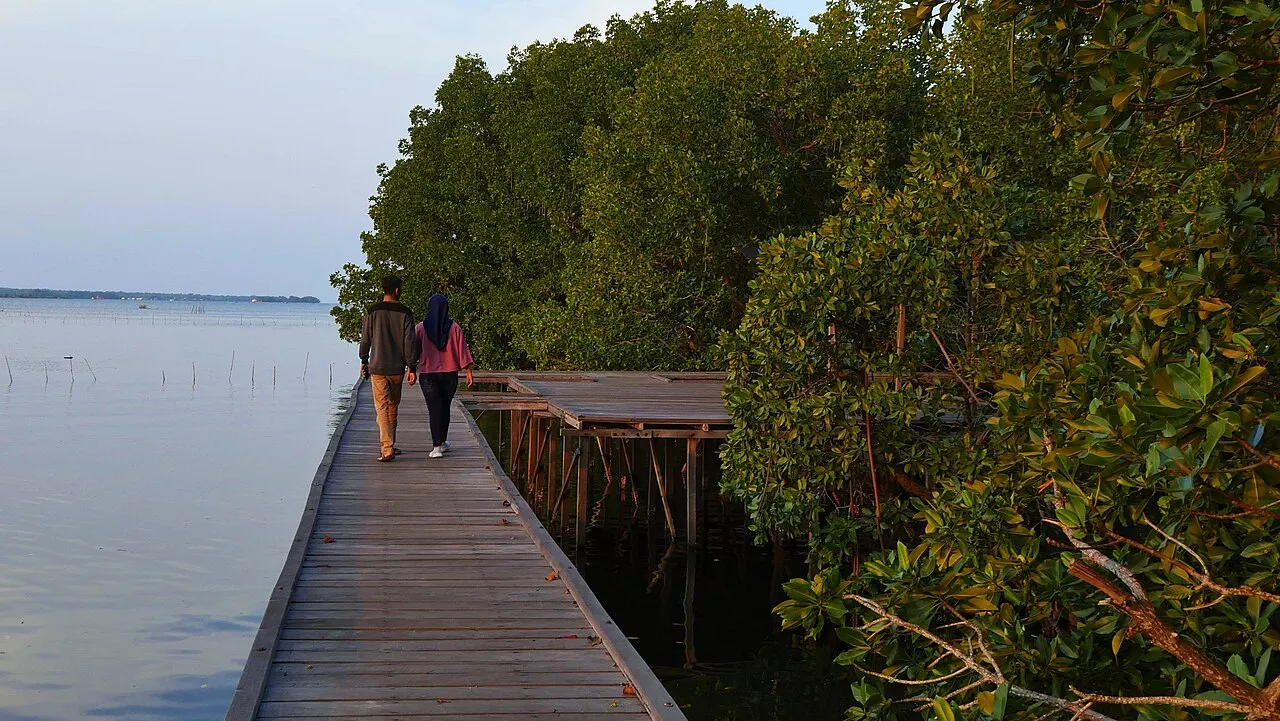
A coastal forest habitat documented in Tanjung Puting, rather than an assumed feature of every inland destination.

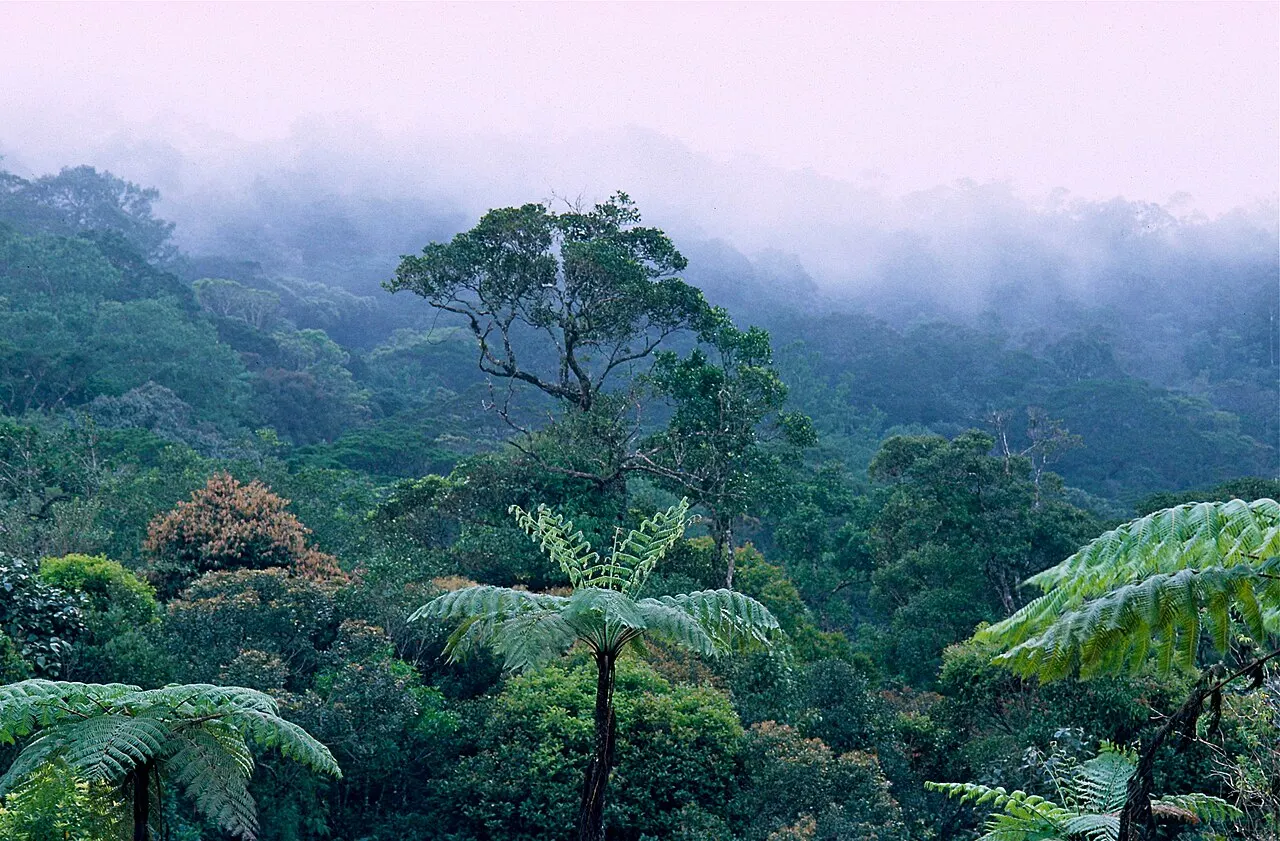
Mountain forest connects Borneo’s uplands with distinctive plant communities. Kayan Mentarang in North Kalimantan and Kinabalu in Sabah provide documented protected landscapes.

A Meratus foothill destination shaped by the Amandit River and Dayak Meratus communities. Loksado rewards travellers who give the hills their own part of the trip. Two or three nights let you separate arrival, a guided walk and time on the Amandit. Use Guided walking around Loksado in the Meratus Mountains to choose a route suited to your experience, with Haratai or another agreed local objective rather than a vague promise of “jungle trekking”. A shorter walk with time to understand farms, forest edges and community life can be more rewarding than an overambitious distance.

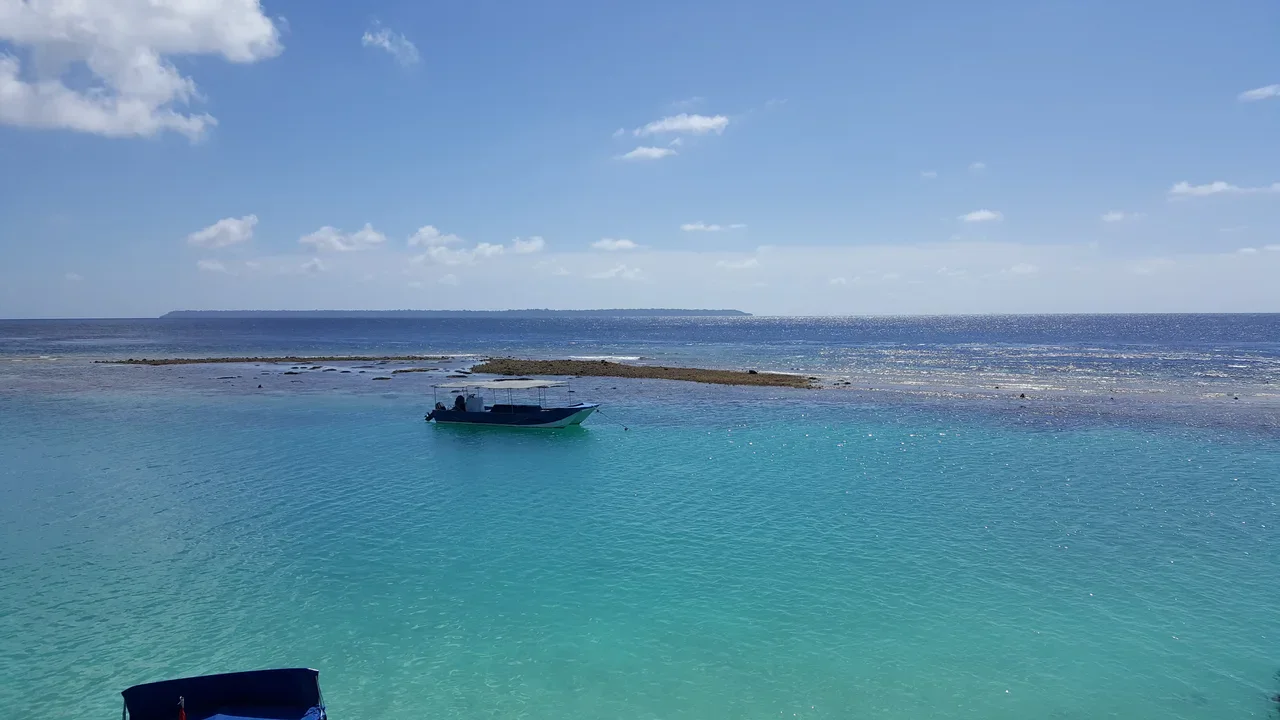
Mabul is a small inhabited island reached from Semporna, appealing to travellers who want several days around a reef rather than repeated departures from the mainland. Its underwater interest includes small, closely observed marine life, while the village and accommodation occupy a lived island landscape. Choose Mabul for an island-based diving or snorkelling stay, with time between outings to slow down. It is different from Sipadan: staying on Mabul does not by itself include a permit to visit the offshore marine park. Your main decisions are the operator, the actual location and facilities of the stay, the boat connection and which marine activities suit your experience.

Malaysian Borneo consists of Sabah and Sarawak. Together they offer mountain landscapes, wildlife journeys, river cities, caves and stays with local hosts, but they work best as distinct regions rather than one uninterrupted sightseeing circuit. Kota Kinabalu and Kuching are useful starting points for different first trips; Sandakan, Semporna and Miri open more specific routes. Choose this part of Borneo when you want to connect established urban bases with carefully selected nature and cultural experiences. A first visit can comfortably concentrate on one state. Travellers combining both should choose their flight connection before reserving every excursion. This page helps with that first decision; the state pages explain where to spend your days.

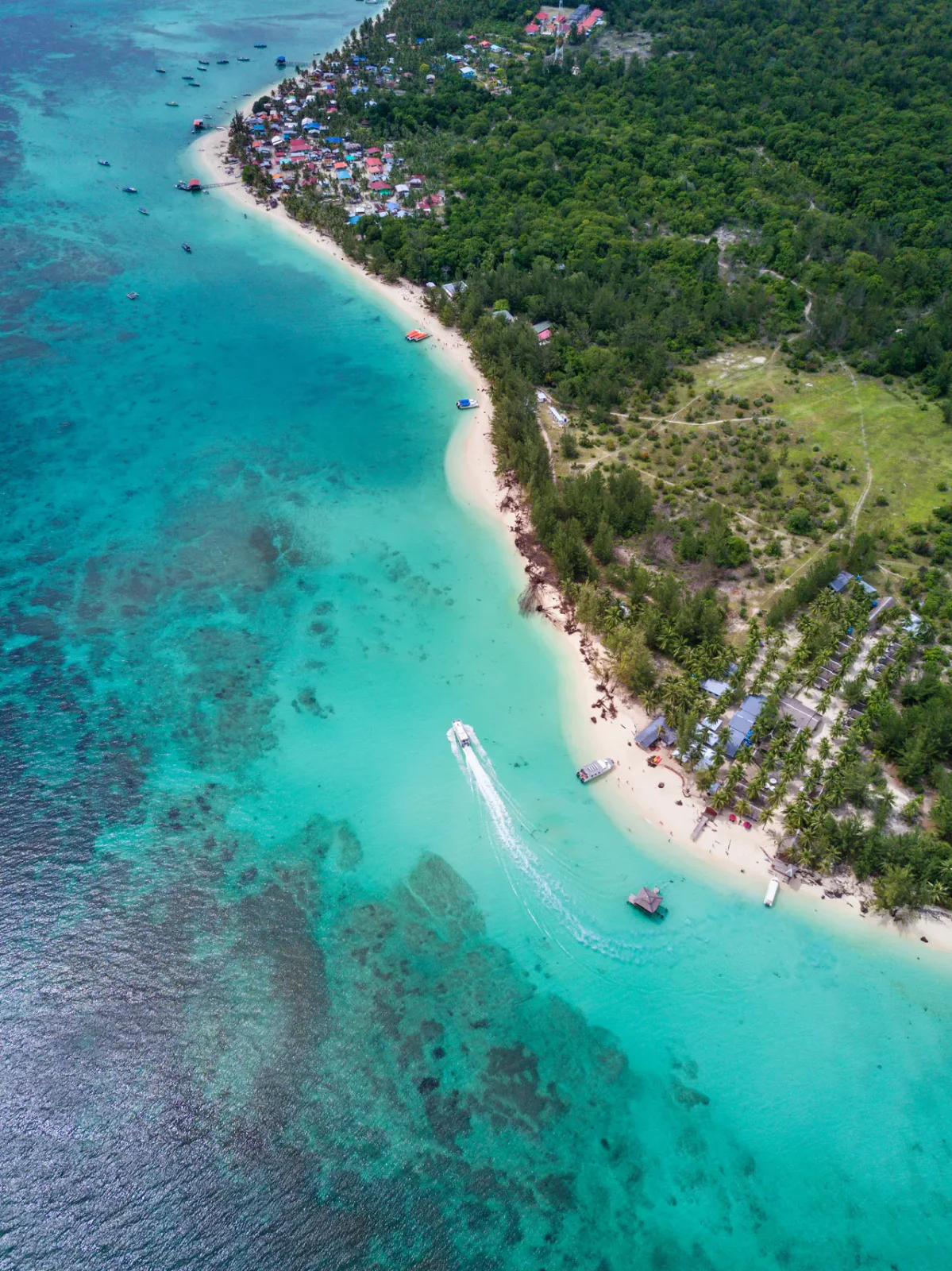
Mantanani is a small island group off Kota Belud on Sabah’s west coast. Stays on Mantanani Besar combine a boat journey, beach time and organised reef outings, with the mainland transfer forming an essential part of the trip.

Maratua is an inhabited island destination in Berau's Derawan archipelago, off East Kalimantan. Reefs, turtles and time by the sea are its main draws, but the best visit begins with a realistic transfer plan and a marine programme matched to your experience.

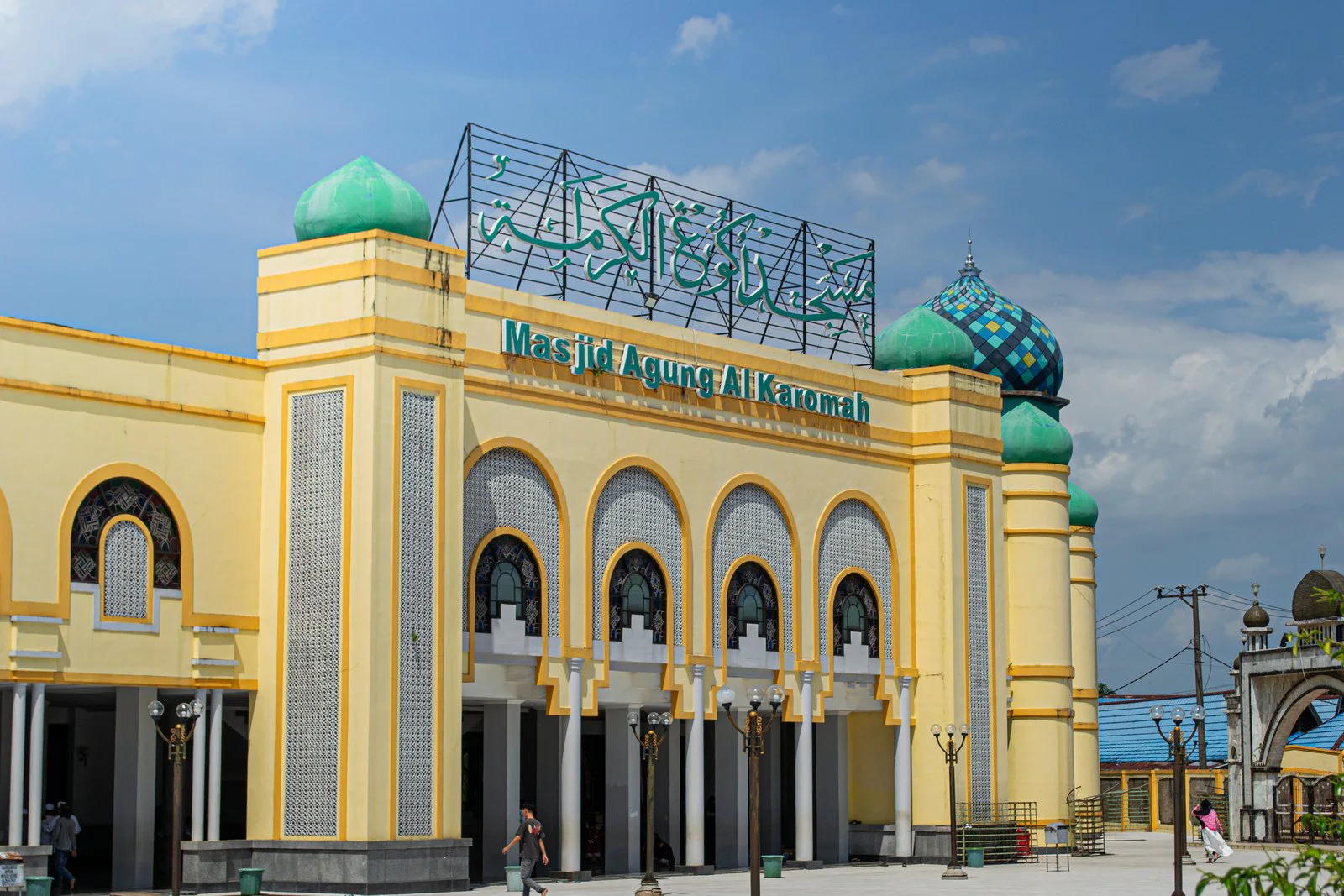
Martapura brings gemstone shops, Banjar food and a deeply rooted religious life into a compact town visit. Slow down around Cahaya Bumi Selamat, the Al-Karomah mosque and its public squares, with time to understand the living traditions behind the landmarks.
Rice knowledge in Krayan connects food with water, fields, buffalo and Lundayeh community life. A visit should centre named farmers and their current work.

Brunei’s national philosophy connects Malay culture, Islam and monarchy, while its communities maintain distinct languages, traditions and ways of expressing identity.

Martapura’s principal mosque connects the town’s religious identity with a long building history. Approach it as an active place of worship, not simply a monument.

Sago production connects Melanau knowledge with Sarawak’s coastal wetlands and rivers. The Mukah context makes this a specific relationship between landscape, processing and food, rather than a tradition attributed to every Bornean community.