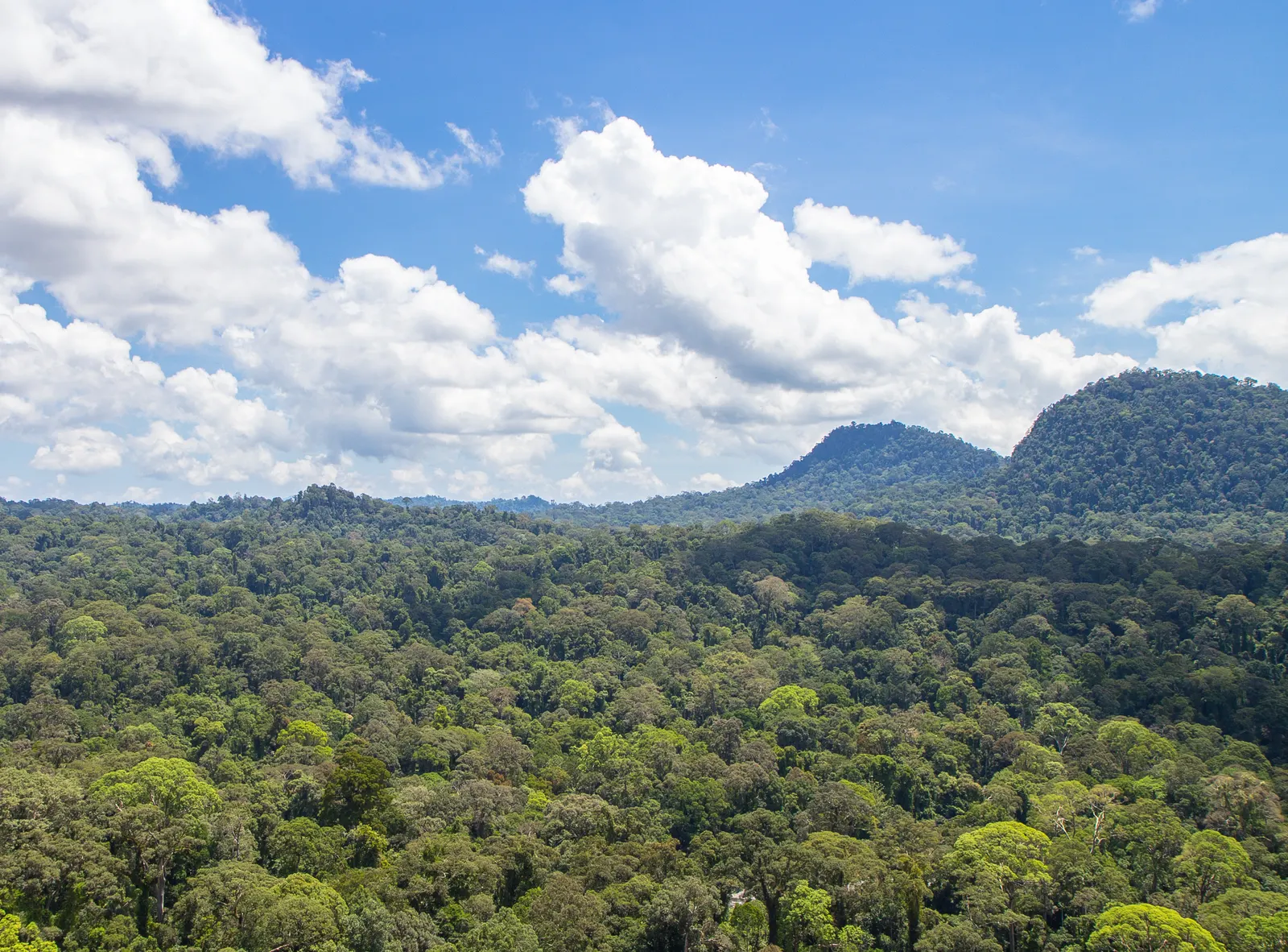
Beyond the canopy: smaller lives in the Sebangau landscape
Central KalimantanPitcher plants, frogs, freshwater fish and a dragonfly broaden the wildlife story beyond its best-known primates.

705 discoveries

Pitcher plants, frogs, freshwater fish and a dragonfly broaden the wildlife story beyond its best-known primates.

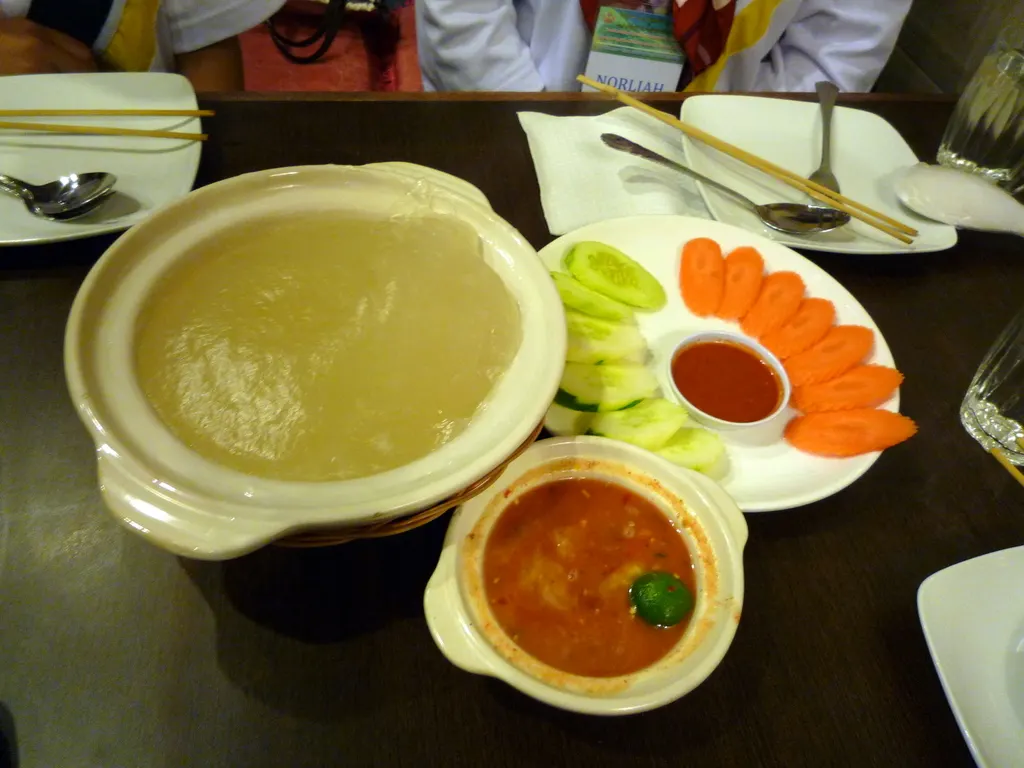
Two familiar dishes offer different ways into Brunei’s food culture: ambuyat asks you to learn a movement, while nasi katok invites attention to a simple combination.
Visit farms near Kuching, learn about seasonal ingredients and prepare a meal with Bidayuh hosts.
Binusan combines forest paths and waterfalls close to Nunukan. The village's community-managed visitor programme offers several routes, making a guided walk a more useful choice than trying to reach every waterfall in a single outing.

Birdwatching in Central Kalimantan is as much about choosing a habitat and observing method as it is about a list of names. A boat moving slowly along a forest river opens views into bank-side trees, while a peat-forest path asks you to listen and look through denser vegetation. Sebangau and the Sekonyer–Tanjung Puting setting provide established visitor approaches with different logistics. This guide compares those options for beginners, wildlife travellers adding a birding focus and more experienced observers seeking a suitable local guide. The reward comes from slowing down: watching a perch, listening to calls and returning to a promising stretch in different light. Build time for observation into the booking, because a general sightseeing or orangutan programme may move at a different pace from a bird-focused visit.

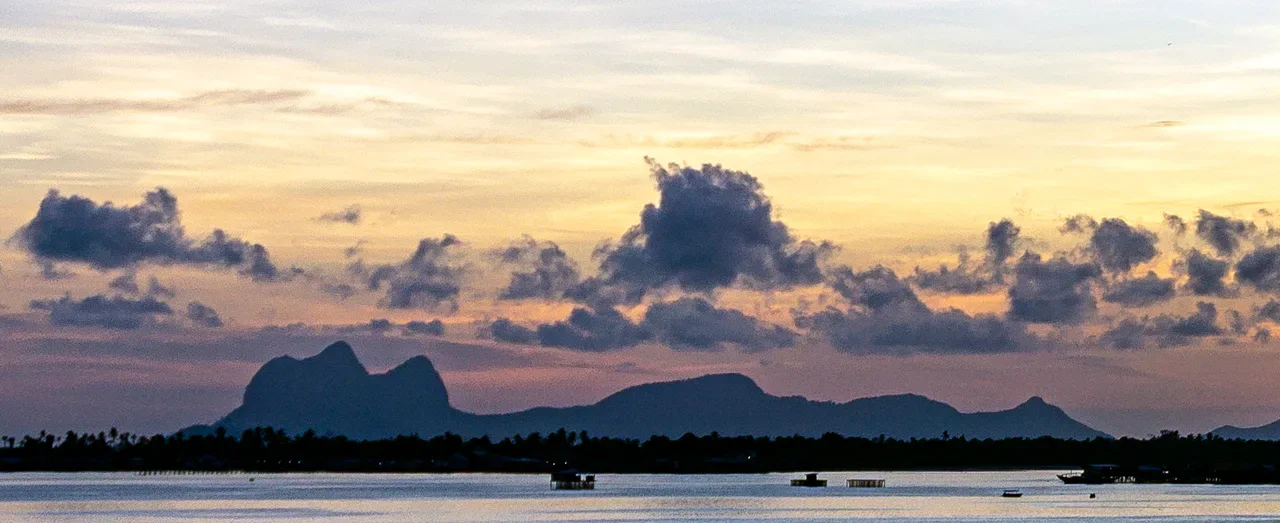
Combine a guided island climb with reef stops in Tun Sakaran Marine Park, using Semporna as the mainland base.
Explore the inhabited coastal quarter of Bontang Kuala through public walkways and a meal. The appeal is its relationship with the sea and everyday neighbourhood life, not a staged cultural performance. This is an independent visit idea, with access checked locally.

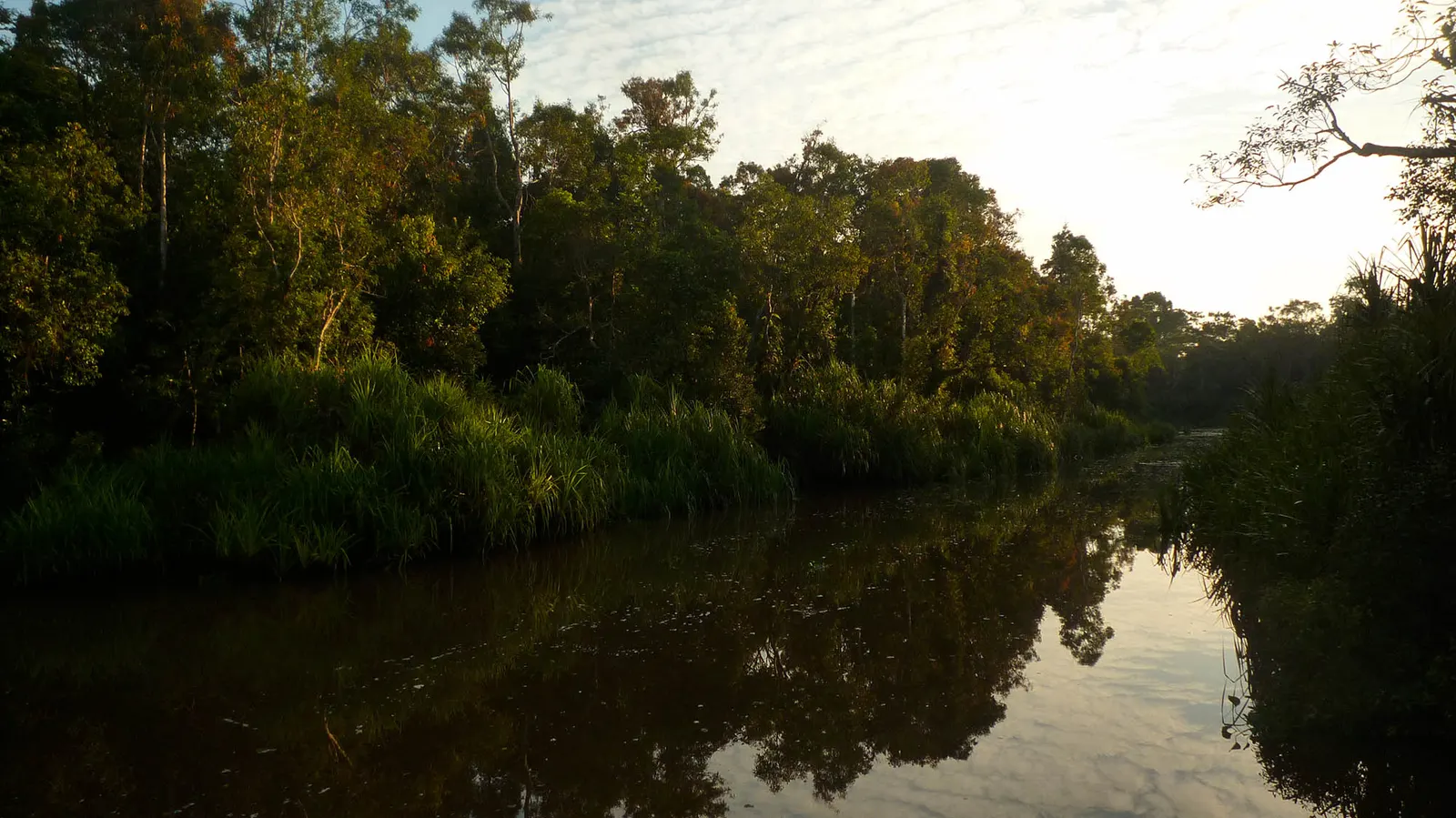
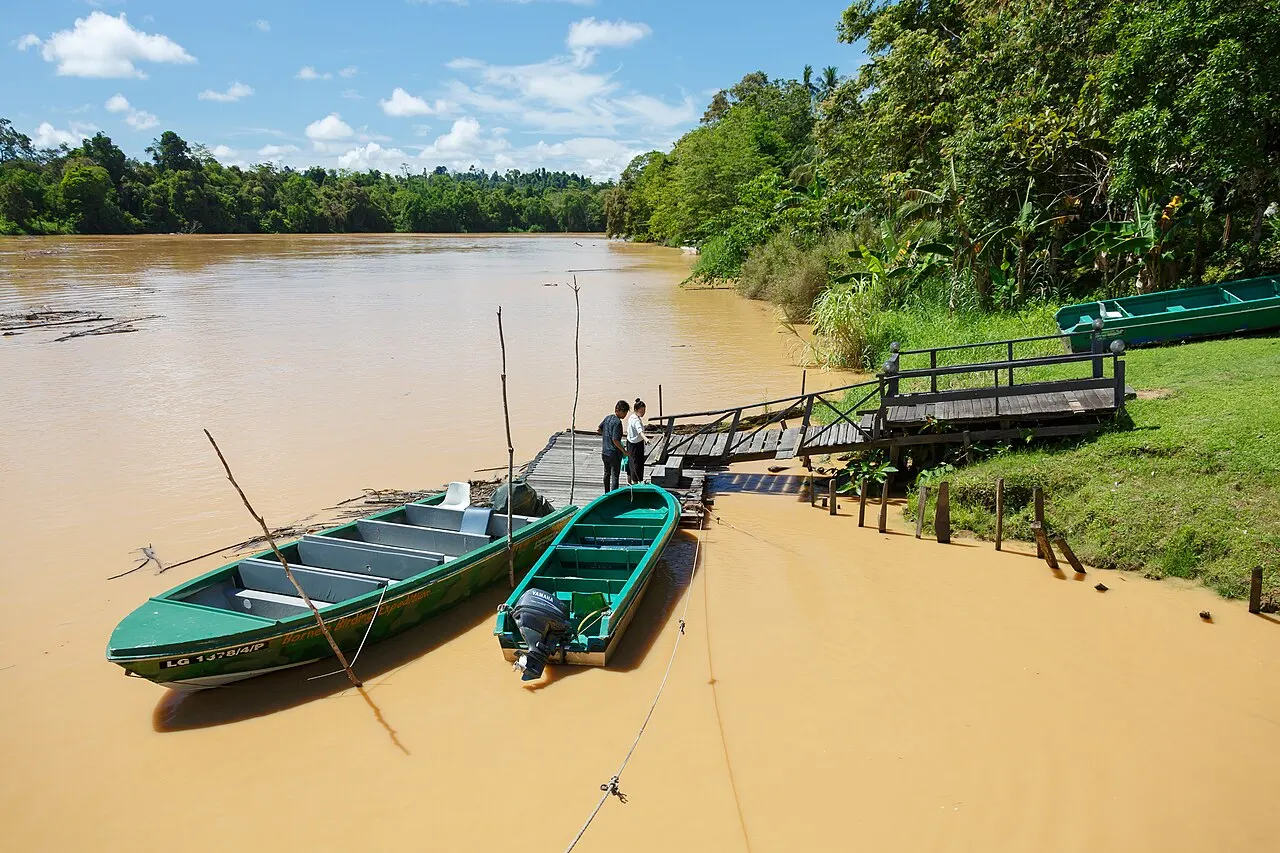
Travelling by river can mean a small open boat into peat forest, an overnight boat along the Sekonyer, a village journey on the Mahakam or wildlife cruises from a lodge in Sabah. These experiences share a water-level view of Borneo, but differ greatly in departure point, comfort, time and purpose. This guide compares established river settings already covered in Discover Borneo so you can choose a journey that fits the rest of your trip. A day based in Palangka Raya calls for different planning from several nights around Tanjung Puting or the Kinabatangan. Start with what you want to experience—forest walking, life beside the river, sleeping aboard or wildlife observation—then select the gateway and the boat arrangement. The river name alone rarely tells you what a particular outing includes.
Explore a shallow reef setting off Brunei with an operator-led boat outing, keeping sea conditions and swimming ability central to the plan.
Explore Brunei’s mangrove waterways from Bandar Seri Begawan, with wildlife observation kept separate from guaranteed encounters.
Join a boat-diving day from the Serasa area, with sites chosen for your qualifications and conditions. Brunei offers reef and wreck options, but a named wreck is not a guaranteed stop.

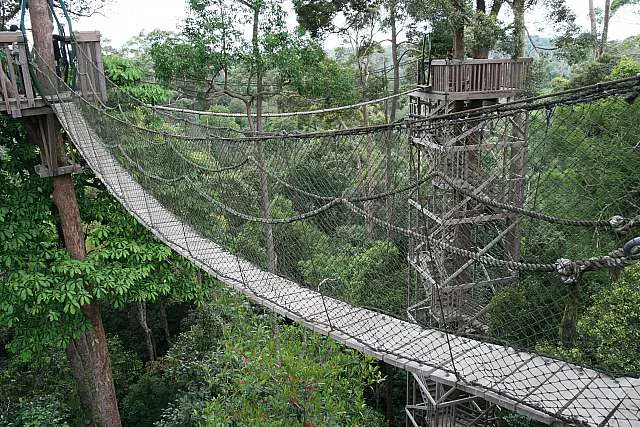
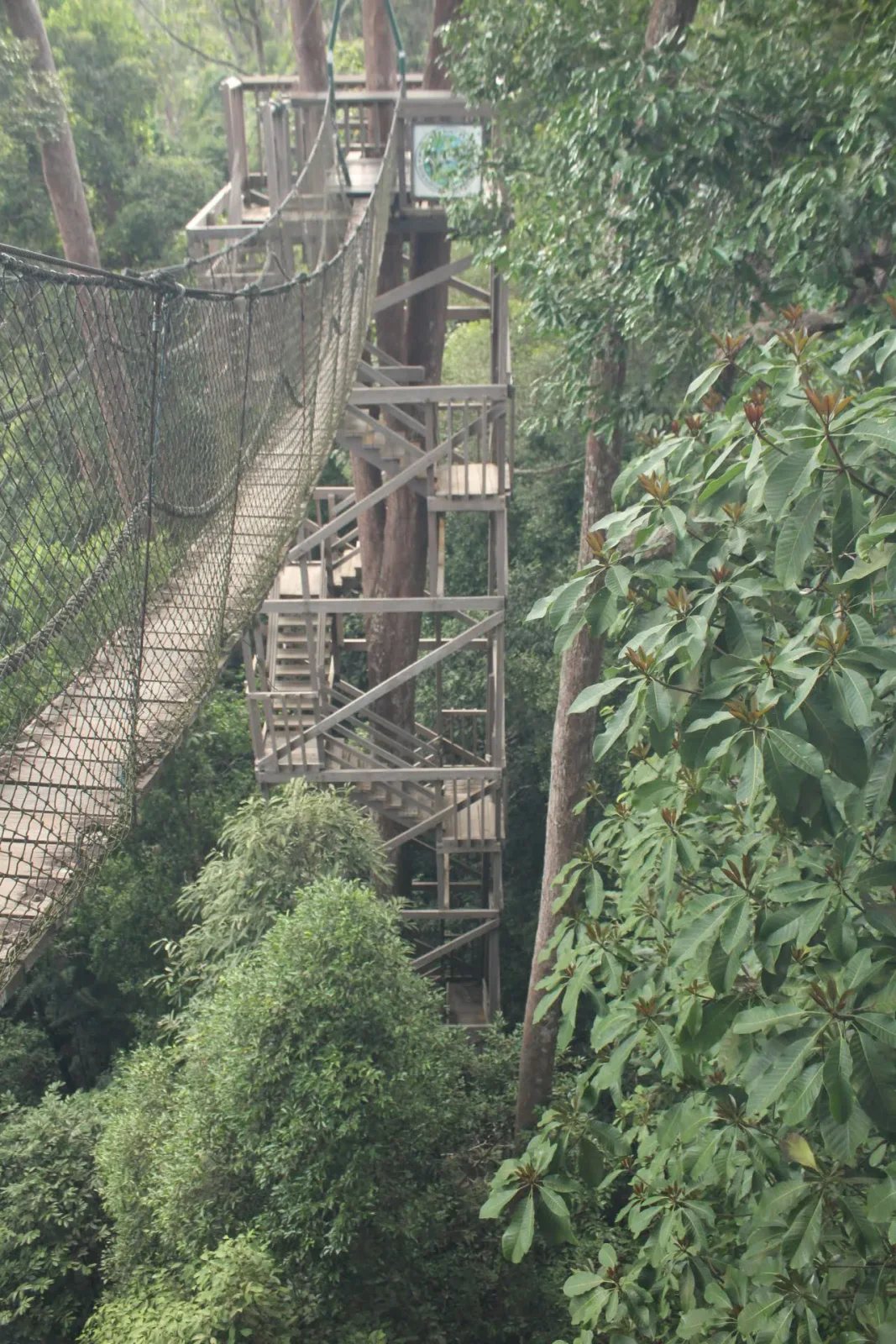
Bukit Bangkirai changes the perspective of a forest visit: a ground-level approach can lead to a suspended bridge among tall trees. The attraction is the structure of the rainforest and the experience of height, rather than a wildlife checklist. It is a distinct outing from Balikpapan's coastal or urban stops.
Choose a shorter or longer hill route near Bandar Seri Begawan and look across the Brunei River. Bukit Sipatir offers an outdoor break that can fit around a capital stay.

Maratua offers reef diving with a much wider range of conditions than an island photograph suggests. Walls, shallower reefs and current-exposed sites require different choices. Staying on the island lets a dive team match each outing to qualifications, recent experience and the conditions, rather than treating every famous site as compulsory.
Use Miri as a city base for boat dives on the reefs offshore. Choose a single dive day or a longer stay with several outings, with sites selected for conditions and your diving experience.

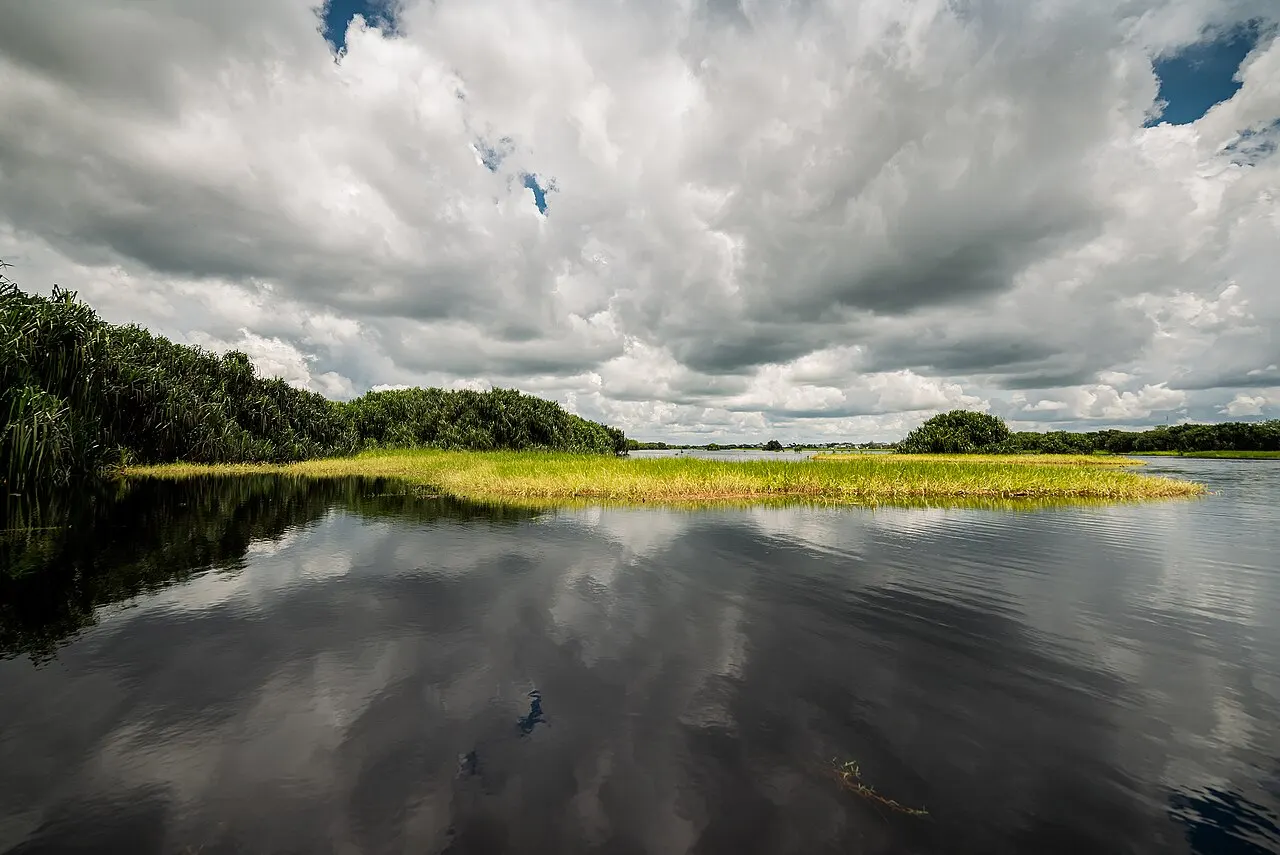
Forest wildlife watching in Central Kalimantan can begin with a small boat from a city-edge jetty or become a multi-day journey along a forest river. The choice affects much more than your hotel: it changes how you observe animals, how much walking is involved and how long you spend within the landscape. Sebangau and Tanjung Puting offer two established visitor settings, each reached through a different gateway. This guide helps you choose between them rather than presenting wildlife watching as one fixed excursion. Both are rewarding when you enjoy looking closely, listening and learning about habitat as well as finding mammals. Come prepared for moments when the forest seems quiet. A guide's interpretation and the time spent understanding the place can matter as much as any single sighting.

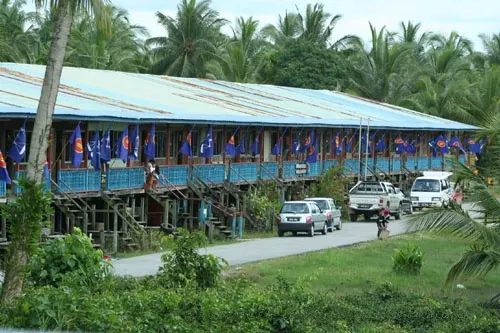
A hosted Iban visit is most rewarding when it begins with a real invitation and a clear relationship between the visitor, organiser and community. It can involve time in a longhouse's shared spaces, conversation about everyday life, a meal or a walk in the surrounding landscape. The experience varies with the place and host: a multi-day journey around Batang Ai is very different from a locally arranged visit near Sibu. This guide helps you choose a setting and understand what to ask before booking. It suits travellers interested in living culture, architecture and rural landscapes, especially those willing to listen and adapt to a host's availability. A good visit gives people time to introduce their own home and community rather than treating the longhouse as a standard attraction with a fixed performance.

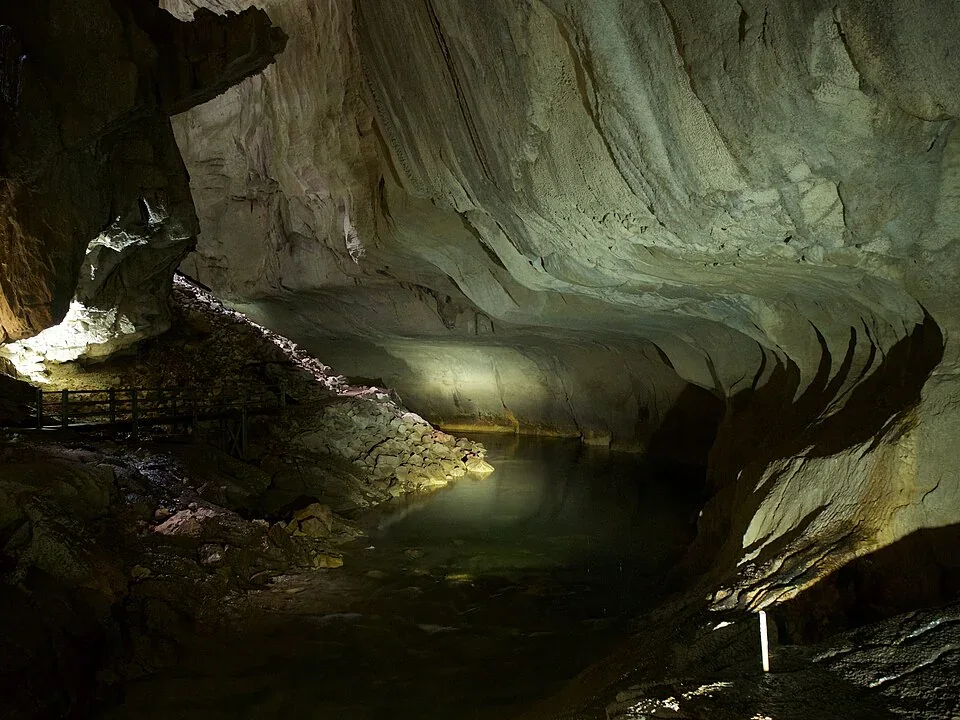
Follow a demanding guided passage from Wind Cave into the Clearwater system, leaving constructed visitor paths for rock, mud and underground water. This is a full-day caving commitment for suitable participants, with access dependent on the river and the guide's assessment.

Paddle from Poni’s Serasa Beach watersports base in a session of about an hour. Single and double kayaks offer a straightforward way to add time on the water to a Brunei-Muara stay.
Join a practical cooking session at Outreach Borneo Camp and share the meal you help prepare.

Spend an evening aboard North Borneo Cruises, combining coastal views, a buffet and live music.

Sipadan is a marine diving destination where reef structure and deeper water meet close to an oceanic island. For trained divers, the attraction is time underwater along reef edges and walls, watching how fish and larger marine animals use a changing three-dimensional environment. A visit is normally organised through an authorised dive operator, with accommodation elsewhere in the Semporna island area or on the mainland. That makes the permit allocation and dive arrangements the starting point of planning, rather than simply travelling to the island and expecting to buy a dive. This activity suits divers who want a focused marine day within a longer Sabah itinerary and who are prepared to match their experience to the operator's assessment of the sites and current conditions.
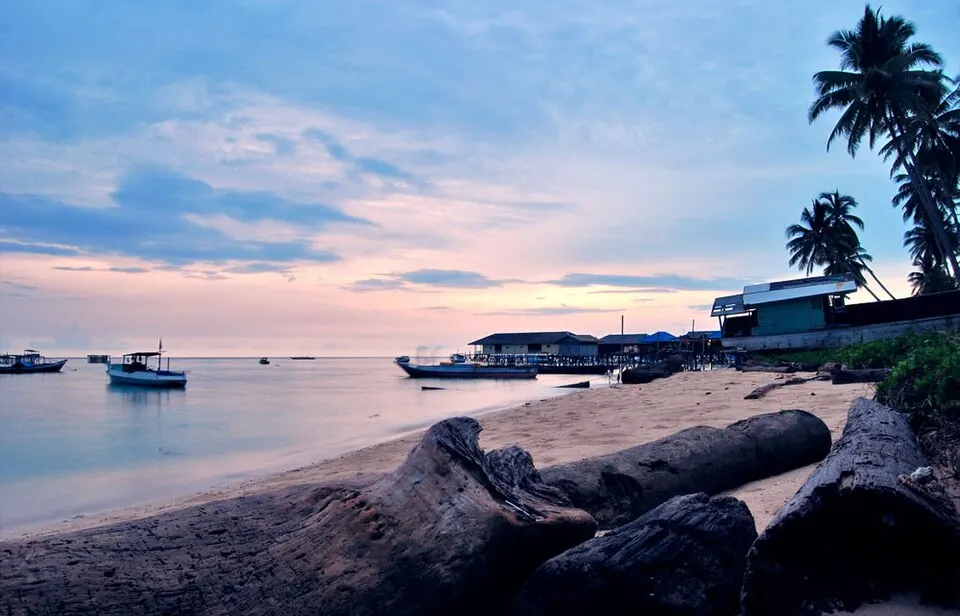
Bontang faces the sea through inhabited boardwalk neighbourhoods, mangroves and small offshore visits. Take time in Bontang Kuala, taste gami bawis and plan any boat journey around the weather and its hosts. Two or three days reveal a coastal city beyond its industrial skyline.

Borneo rewards a journey built around a few contrasting places: a river city, a forest stay, a highland community or an island coast. Indonesia, Malaysia and Brunei share the island, but each part has its own gateways, languages and travel arrangements. Start by choosing the landscapes and experiences that matter most to you; the country and regional guides below turn that choice into a workable route. Sabah combines mountain, forest and sea journeys, Sarawak connects river towns with caves and living heritage, Kalimantan opens five very different provinces, and Brunei offers a compact capital-and-rainforest combination. You can enjoy a substantial first trip within just one of these regions. Seeing the whole island is a much larger undertaking.

A sovereign country on Borneo’s northwestern coast, Brunei connects the river capital Bandar Seri Begawan with coastal towns, blackwater wetlands and Temburong’s protected rainforest.

Brunei-Muara brings the capital’s river heritage, museums and mosques together with beaches and forest recreation.

Central Kalimantan is best explored through its rivers, forest habitats and distinct local communities. Palangka Raya opens the Kahayan and Sebangau landscapes; Pangkalan Bun and Kumai connect visitors with Tanjung Puting.

An inhabited island off Berau, Derawan is a visitor base within a much wider reef-and-island seascape. Its documented green-turtle nesting makes respectful coastal visits especially important. Three nights is a useful starting point for arrival, one or two sea days and time in the inhabited island setting. Longer stays give more flexibility for sea conditions and a less hurried pace. Choose Guided snorkelling around Derawan around your swimming or diving ability and the actual site proposed, rather than buying a list of island names. A short snorkelling outing and an all-day boat circuit ask different things of the weather, equipment and traveller.

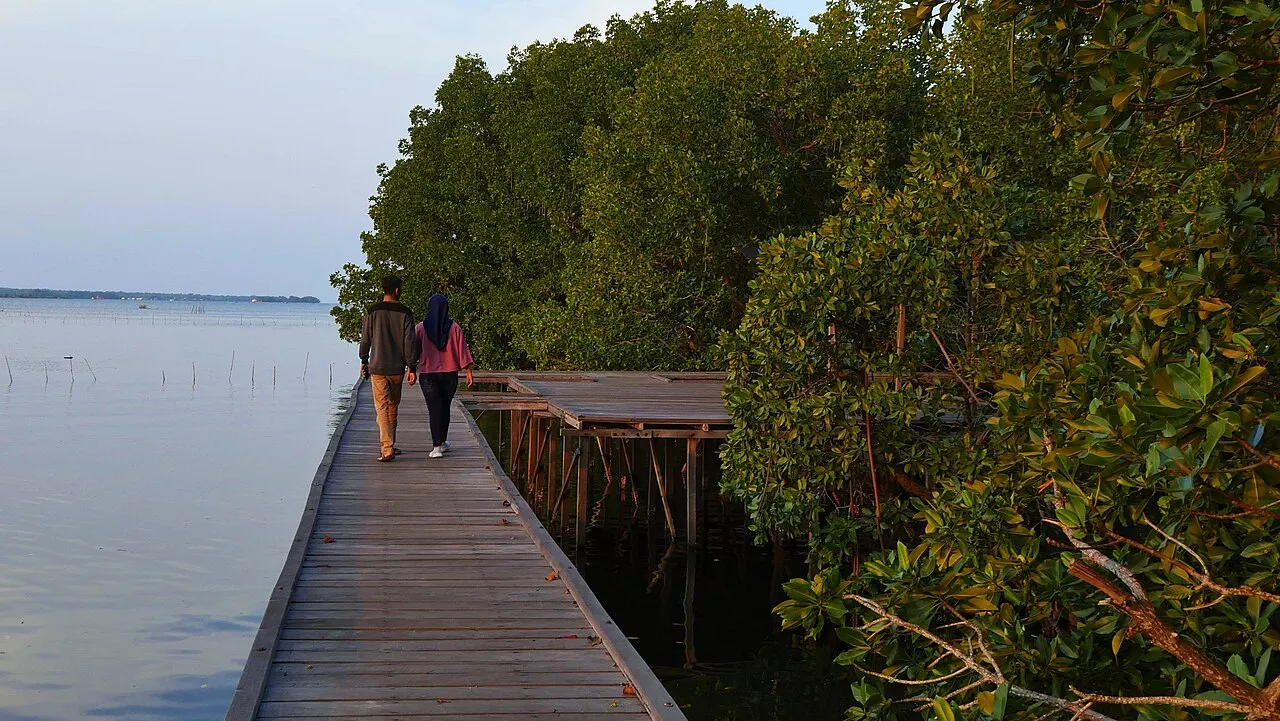
Bontang Mangrove Park offers a managed boardwalk through the coastal mangroves of Kutai National Park. Its setting within Bontang makes it a practical introduction to tidal forest, mangrove vegetation and waterbirds. Use the national park’s information: other mangrove attractions in the city have different entrances and management.
The Bornean Sun Bear Conservation Centre in Sepilok explains rescue, rehabilitation and long-term care through a managed visitor experience beside forest enclosures.

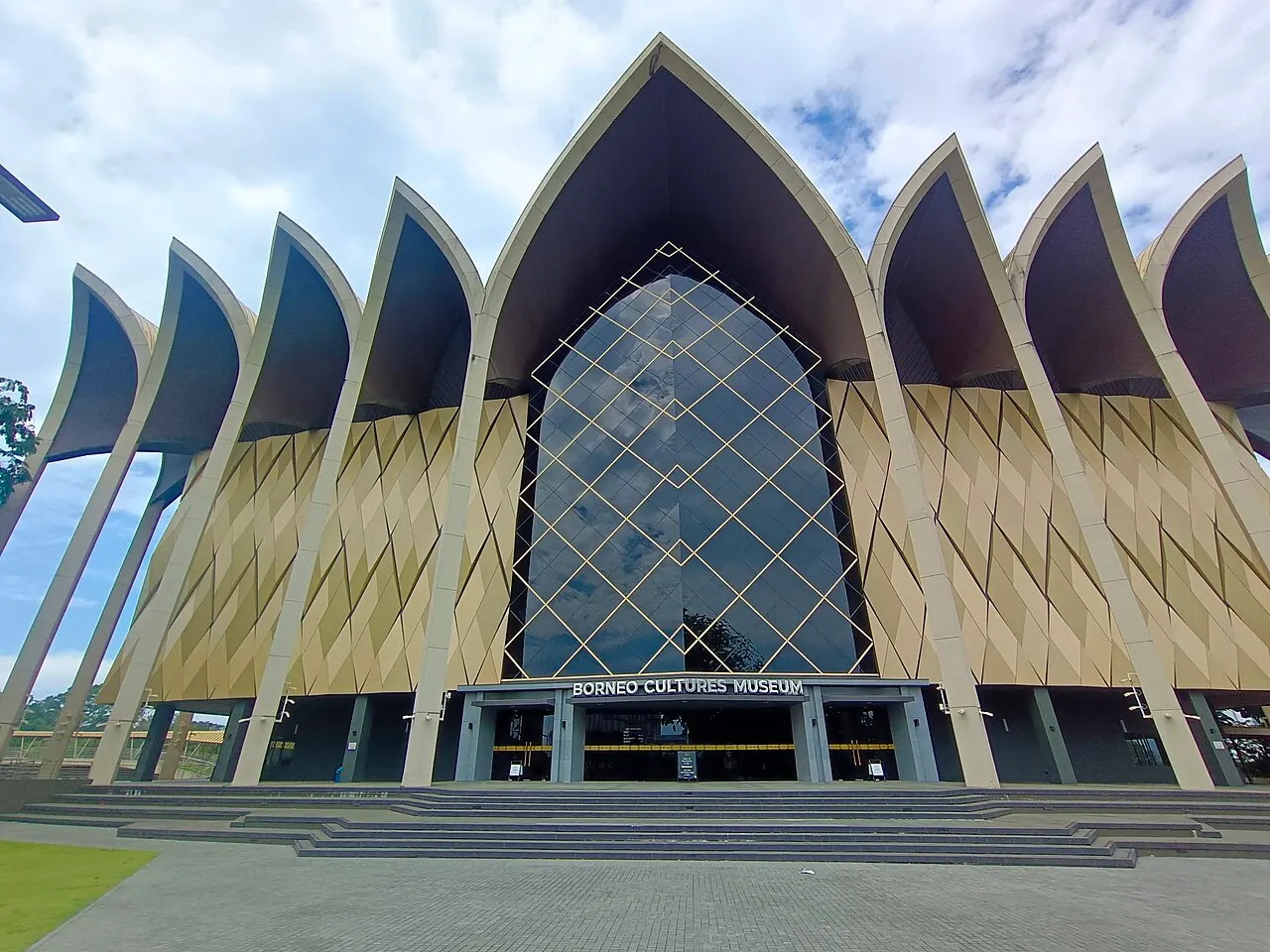
Borneo Cultures Museum is an indoor introduction to Sarawak’s landscapes, histories and communities in central Kuching. Its five-storey building brings together collections, interpretation and interactive displays, with galleries moving from rivers and relationships with nature to historical change and the significance of objects. It suits visitors who want context before travelling farther into Borneo, as well as families who prefer a focused city visit. Give yourself time to read, compare and revisit displays rather than simply walking through each floor. This is a museum of interpretation and collections: the communities represented continue to change beyond its walls. A visit offers useful questions for later journeys, rather than a complete account of every culture on the island.
Brunei’s Arts and Handicraft Training Centre connects displays and craft sales with the teaching of traditional skills. Visit the working institution on Jalan Residency with realistic expectations about demonstrations.

Bukit Bangkirai is a managed forest attraction in the Samboja area, known for its canopy bridge and tall rainforest trees. It offers a focused forest outing from Balikpapan, with walking and birdwatching shaped by weather and the manager’s current guidance.

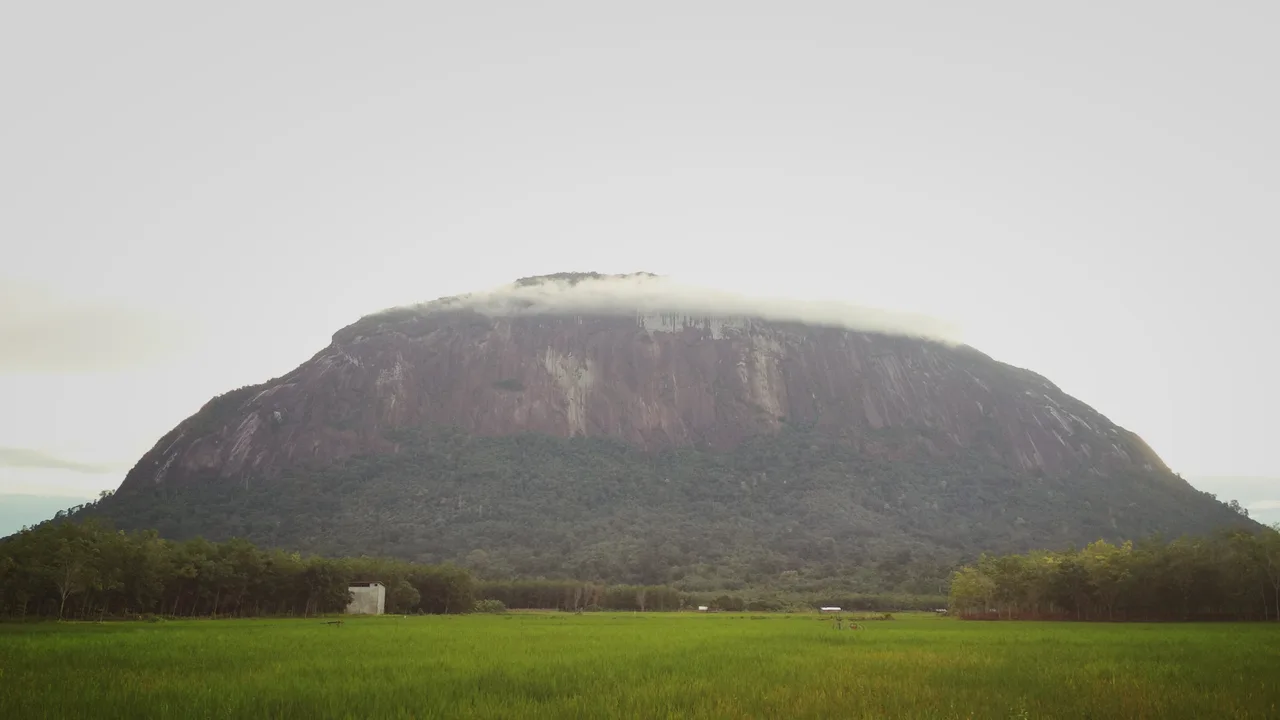
Bukit Batu near Kasongan combines a striking rock landscape with the memory of Tjilik Riwut and living Kaharingan spiritual traditions. Visit as a cultural place with ongoing religious meaning, not simply a backdrop for climbing and photographs.

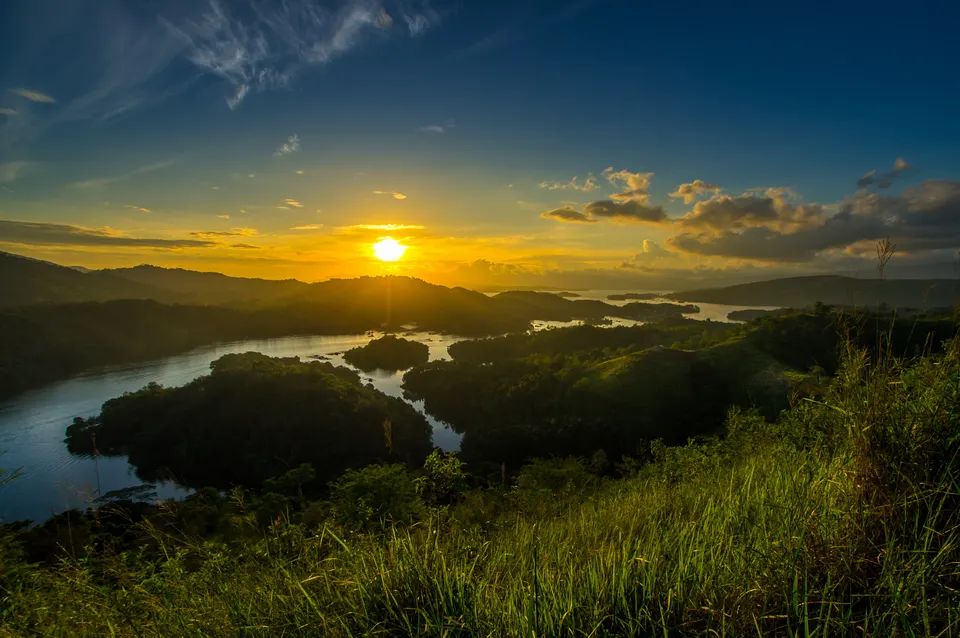
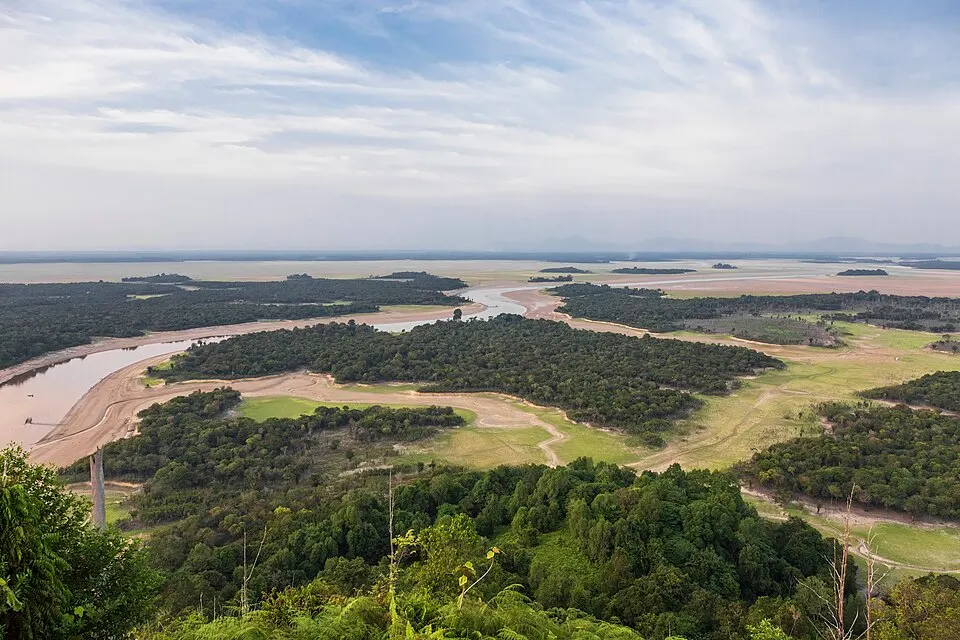
A steep hill walk above Riam Kanan reservoir at Tiwingan Lama. Visit for the island-studded freshwater panorama, with current path conditions checked locally.
Explore the public Bukit Pandang setting in Bukit Pelangi, with a mining-machine display that connects leisure space and Sangatta’s working identity.
Bukit Tangkiling offers rocky hills and forest walks on the northwestern side of Palangka Raya. Plan a visit to an authorised recreation route, while recognising that the wider landscape also includes a separately protected nature reserve.
Cahaya Bumi Selamat, usually shortened to CBS, brings Martapura’s gemstone trade together with a central public space. Come to browse jewellery and craftwork, understand the town’s trading identity and take time to compare before buying.

Plan the documents for each country, understand arrival declarations and allow for immigration checks when combining regions.

Use realistic overnight frameworks for Sabah, Sarawak, Central Kalimantan and Brunei, with separate transfer days and room for delays.

Choose your travel period by region and activity, then prepare for rain, heat and changing conditions rather than one island-wide dry season.

Choose accommodation by location, access and the experience you want, from city hotels to forest lodges and boat stays.

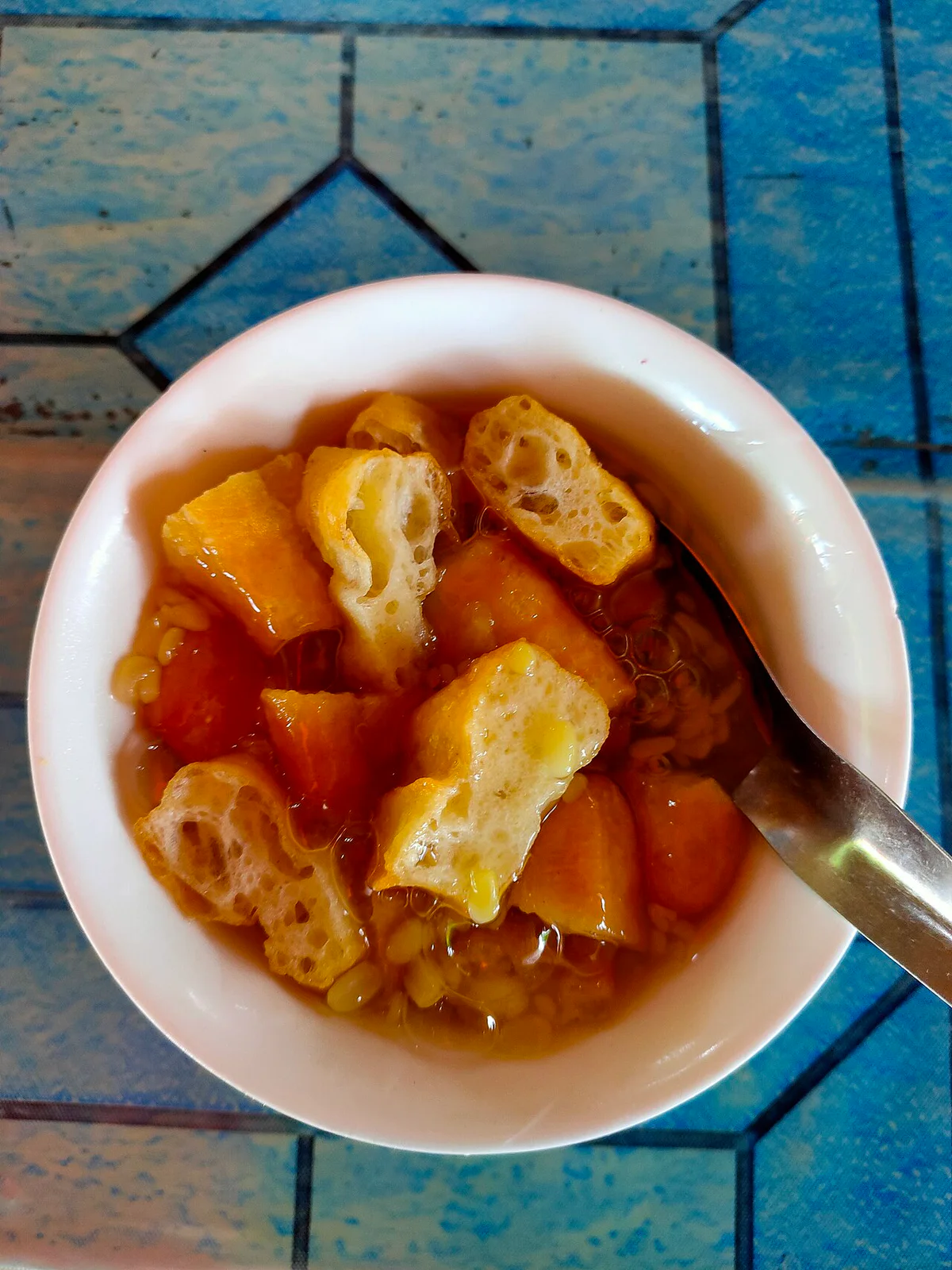
In Singkawang, bubur gunting brings together a sweet mung-bean base and pieces of cakwe, the fried dough cut over the bowl. Try this local comfort food as a small meal or snack, with time to notice how the textures change.

Bubur pedas is a savoury rice porridge associated with Sambas Malay food in West Kalimantan. Ground roasted rice, vegetables and aromatic seasoning make it more layered than its name, “spicy porridge”, first suggests.

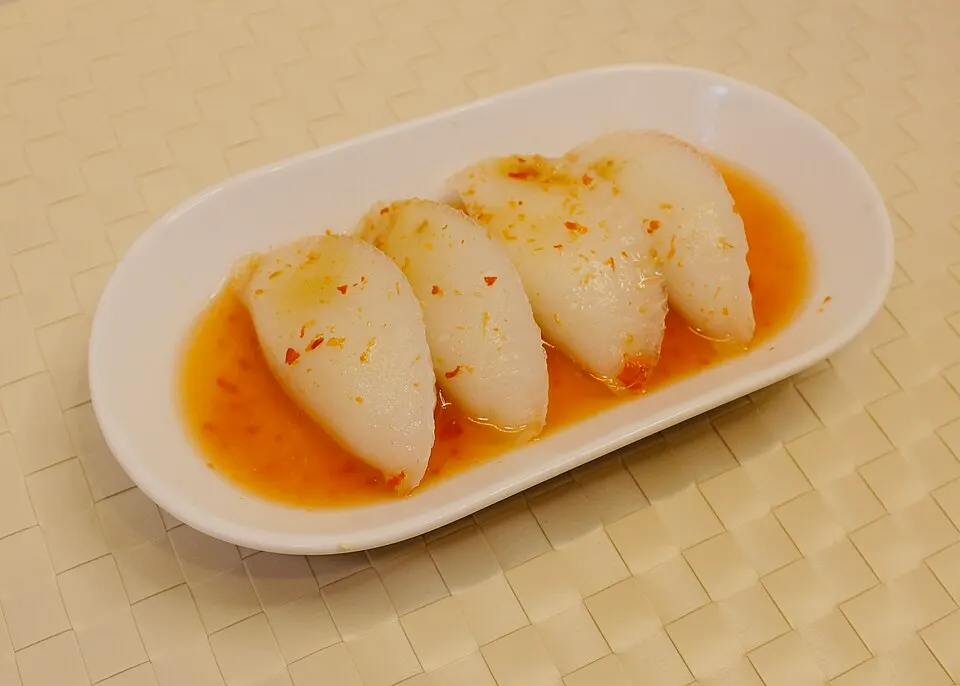
Choi pan, also written chai kwe, is a soft filled dumpling closely associated with Pontianak. Rice-flour and tapioca wrappers, savoury vegetables, fried garlic and chilli sauce give this West Kalimantan snack its character.
Contemporary cafés give the developing government quarter a place to pause.
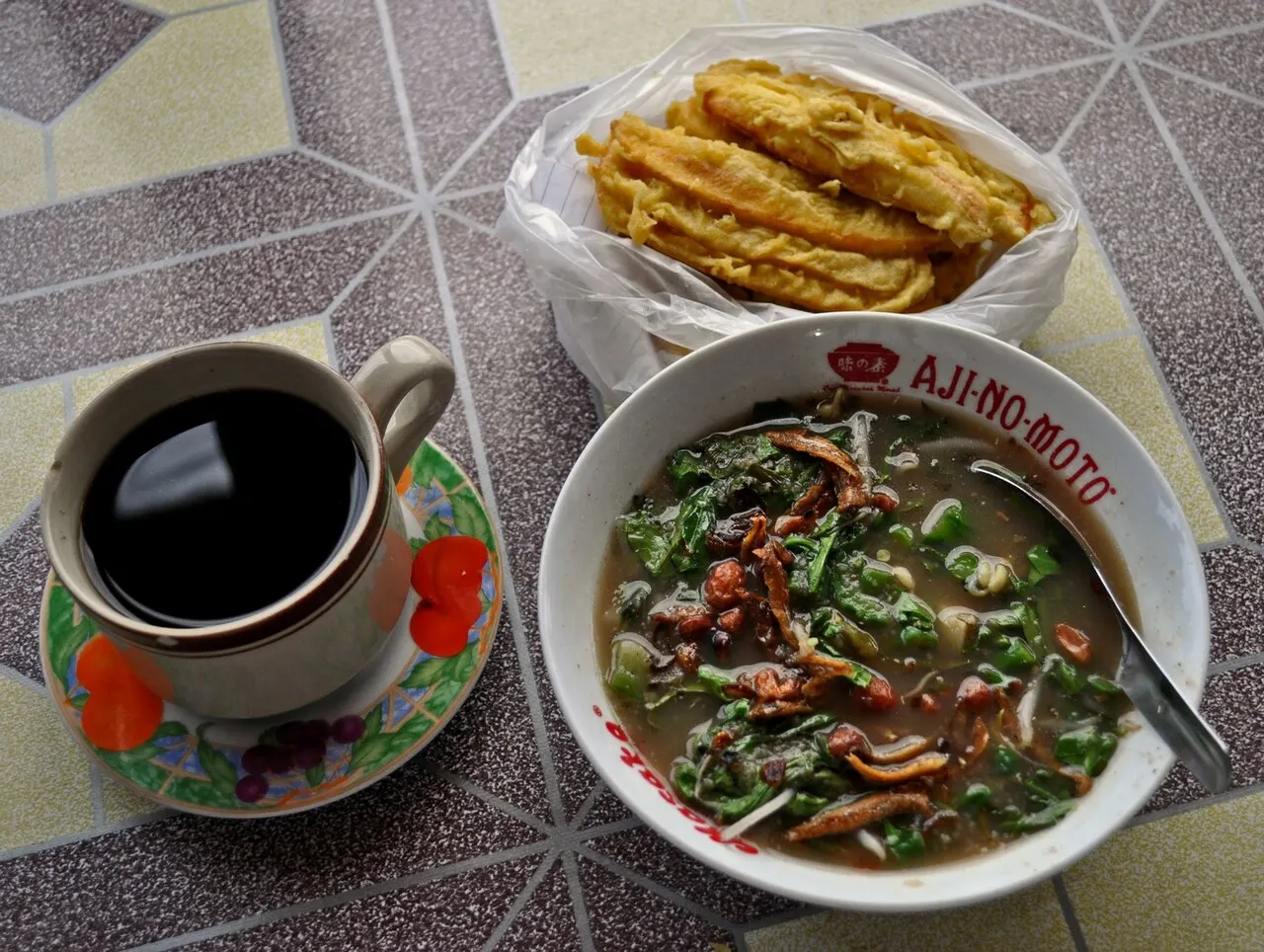
Cassava gives Coto Menggala its name and substance: a distinctive Pangkalan Bun soup with chicken and accompaniments that vary between cooks.

Bukit Kelam is a protected rock-and-forest landscape in the Sintang area of West Kalimantan. This guide explains its conservation and cultural significance. It is not a confirmed summit itinerary: current climbing access, route condition and permission must be established with the responsible manager.

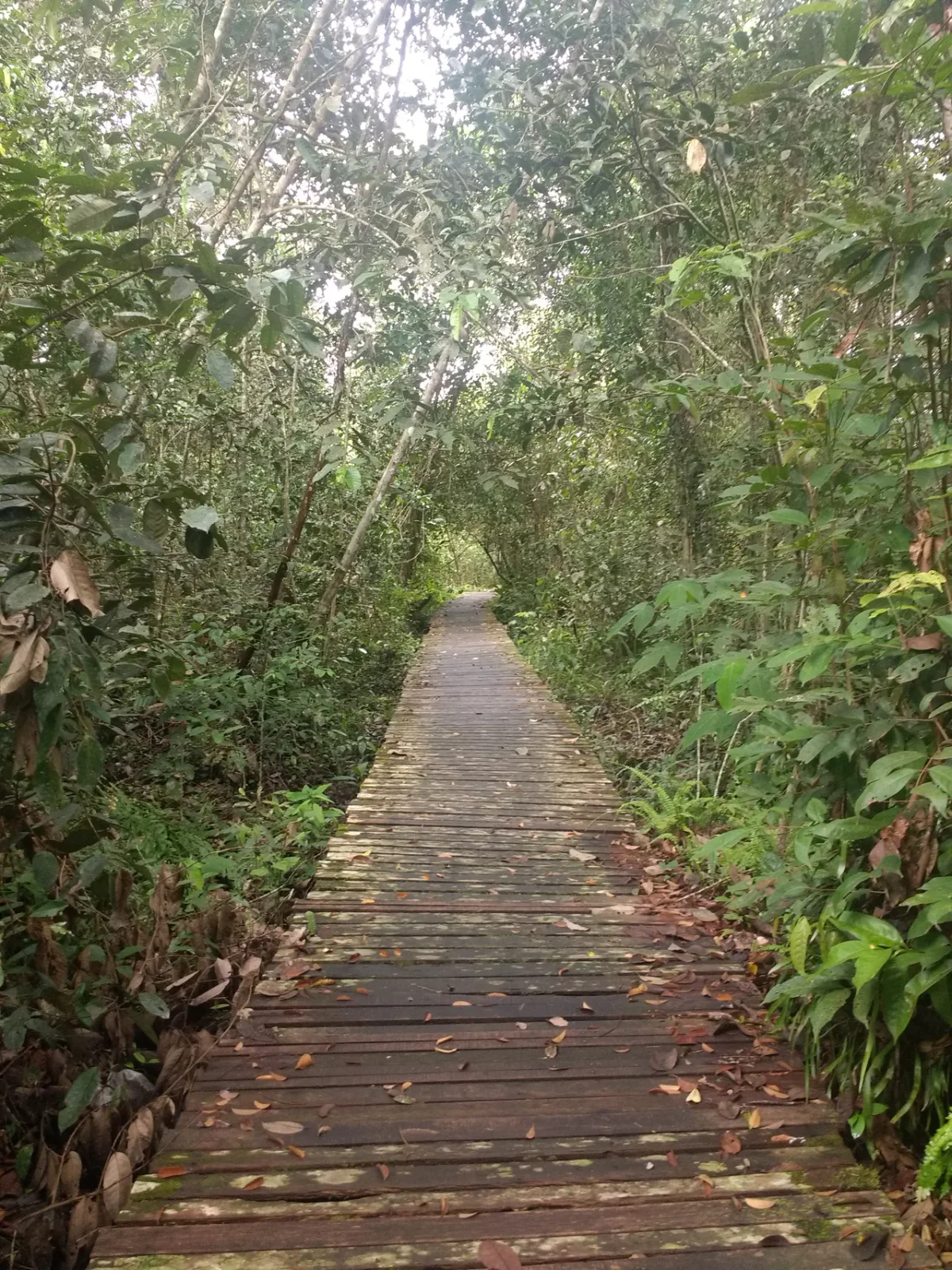
Bukit Lima Nature Reserve brings protected peat-swamp forest close to Sibu’s everyday city life. Explore a suitable section of the managed boardwalk network, with current access confirmed locally.
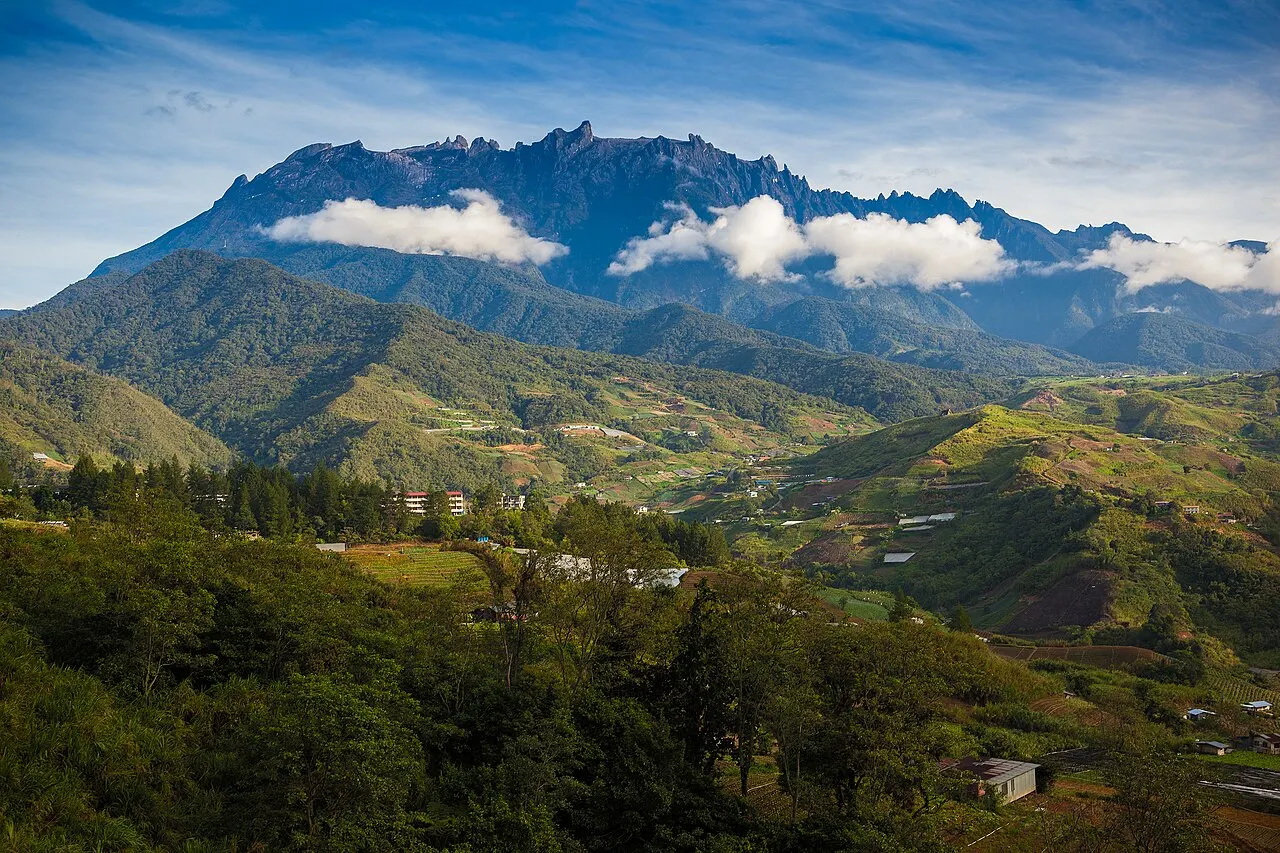
Crocker Range Park protects a long belt of mountain forest in western Sabah. Its headquarters and several managed visitor areas offer different ways into a landscape whose importance reaches beyond walking trails to rivers, communities and forest conservation.

Danau Sentarum is a national park and Ramsar wetland in the upper Kapuas basin of West Kalimantan. Lakes, connecting channels and seasonally flooded forest form a changing landscape rather than one permanent sheet of water. Its distinctive experience is seeing how rainfall and river levels reshape the boundary between land and water. Communities use this wetland as a living landscape, so boats and local knowledge are central to understanding it. Visits are possible, but a current boat route and overnight base need confirmation. Plan through the Kapuas Hulu region and Putussibau, then agree on the actual lakeside departure point; the city and the wetland are not interchangeable locations.
Danau Siran is a blackwater lake within the peatland landscape of Muara Siran in East Kalimantan. Its importance lies in the connection between water, forest, carbon and village livelihoods. This is a conservation-context guide: regular visitor transfers and receiving arrangements have not been sufficiently confirmed to present a ready-to-book lake itinerary.

Danum Valley Conservation Area is a protected lowland rainforest landscape in eastern Sabah, reached through Lahad Datu. Its appeal lies in the forest itself: tall dipterocarp trees, shaded trails and the possibility of observing wild animals in a living forest rather than at a feeding platform. Conservation, scientific work and carefully arranged visitor stays share this landscape. For travellers, the practical starting point is a confirmed booking at the Danum Valley Studies Centre or Borneo Rainforest Lodge, with the appropriate transfer and guiding arrangements. These are distinct facilities, not two names for the same accommodation. A stay of several days gives time for forest walks at different hours without letting the access journey dominate the trip. Danum is best approached as a planned forest stay with flexible wildlife expectations, not as an unrestricted drive-in park or a guarantee of seeing its rarest mammals.
Deramakot combines working forest management with prearranged wildlife stays. Plan a guided 4WD visit from Telupid, with realistic expectations about animals and access.

The Derawan conservation seascape lies off Berau in East Kalimantan, linking island shores with reefs and coastal waters. It is larger than Derawan Island and is not a national park. Its value comes from connected marine habitats: an island beach, reef slope and surrounding waters are different parts of the same system. Visitors normally experience selected sites through an island base and a boat operator, rather than entering one bounded park gate. Choose the actual island and marine activity before arranging transfers. Some areas have conservation restrictions, and a tourism description of the archipelago does not establish unrestricted access to every reef, beach or turtle nesting site.

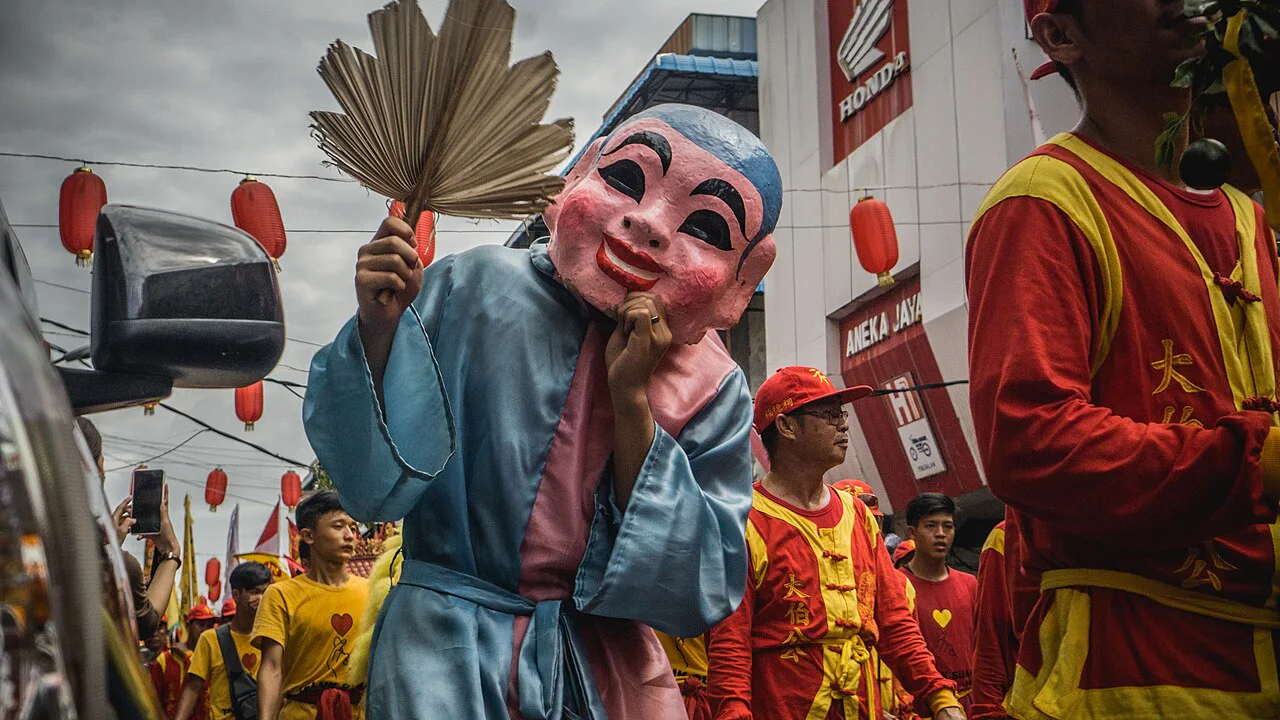
Cap Go Meh brings a different rhythm to Singkawang: processions, religious practice and a wider programme of community celebrations. Plan for the event itself, while leaving room to discover the city beyond its busiest streets.

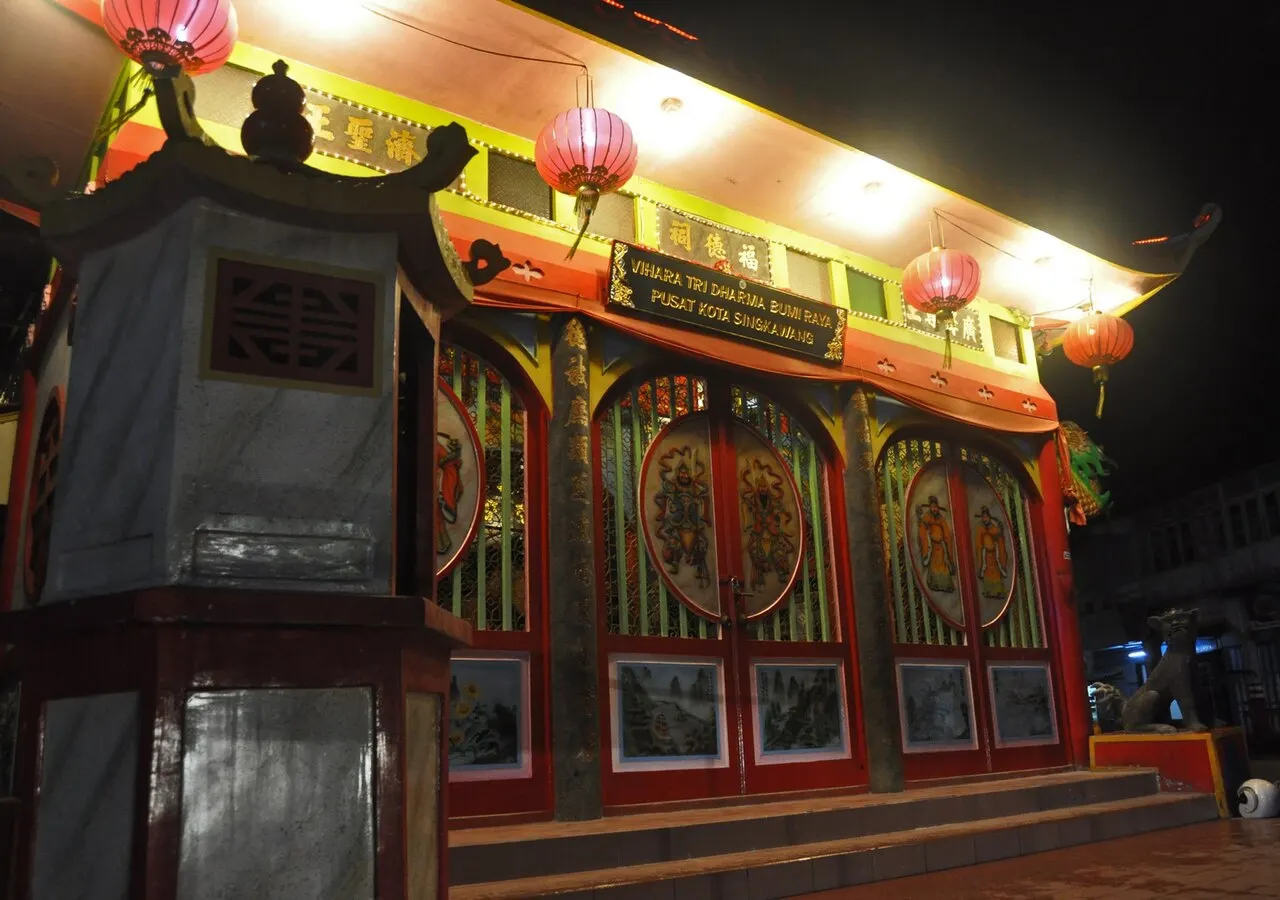
Temples, ceramics, coffee shops and food offer specific ways to encounter Singkawang's Chinese Indonesian heritage without reducing it to a single festival.

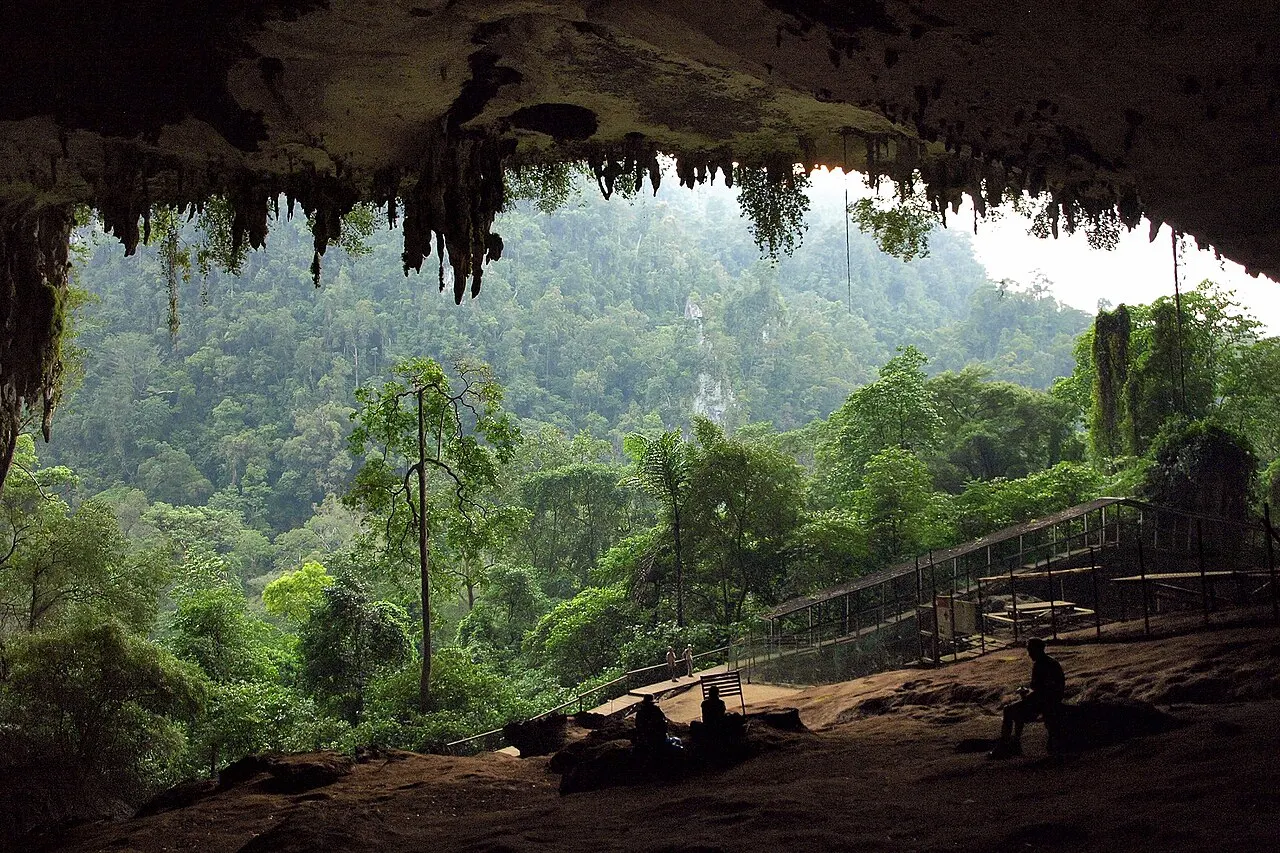
Borneo’s caves are living environments as well as geological spaces. Research at Mulu documents underground food webs linked to bats, swiftlets, microbial activity and water moving through limestone.

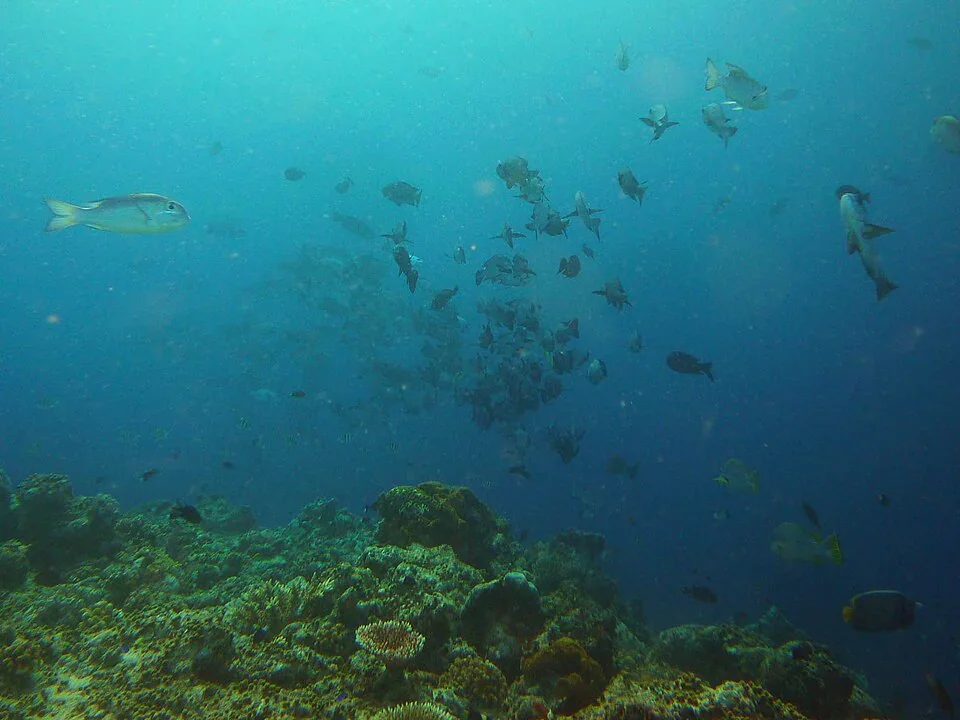
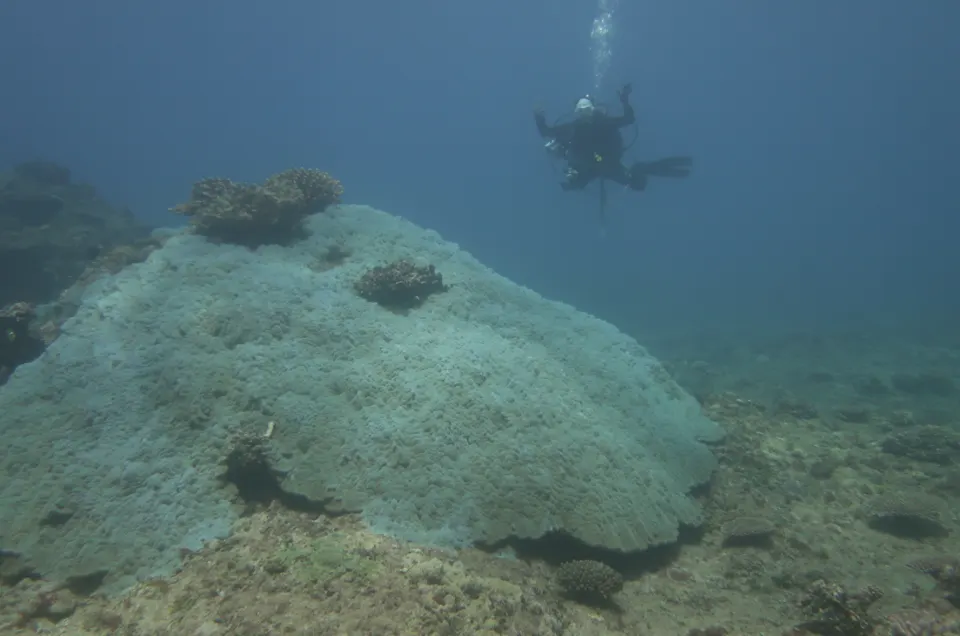
Living coral communities create marine structure across reef settings, including the distinct coastal and island seascapes documented in East and South Kalimantan.