Rafting the Tanggi River from Pisak
West KalimantanJoin the community’s Riam Parangek rafting programme on the Tanggi River, with a guided river session and the option to add a tented night rather than rush the return journey.

705 discoveries
Join the community’s Riam Parangek rafting programme on the Tanggi River, with a guided river session and the option to add a tented night rather than rush the return journey.
Walk with a local host through Kalong in Cipta Karya, where fruit trees mark an earlier Bakati settlement and the forest connects ecology with community memory.

Give Sabah’s landscapes and communities a wider historical context at the museum complex in Kota Kinabalu.
Connect Sampit’s timber-history museum with its working river setting. This independent town outing combines Museum Kayu, a meal and time beside the Mentaya around the Jelawat landmark. It is an editorial route idea, not a packaged tour or a wildlife cruise.

Explore the waterways around Santubong by boat, choosing a wildlife-focused cruise rather than a city sightseeing sailing.

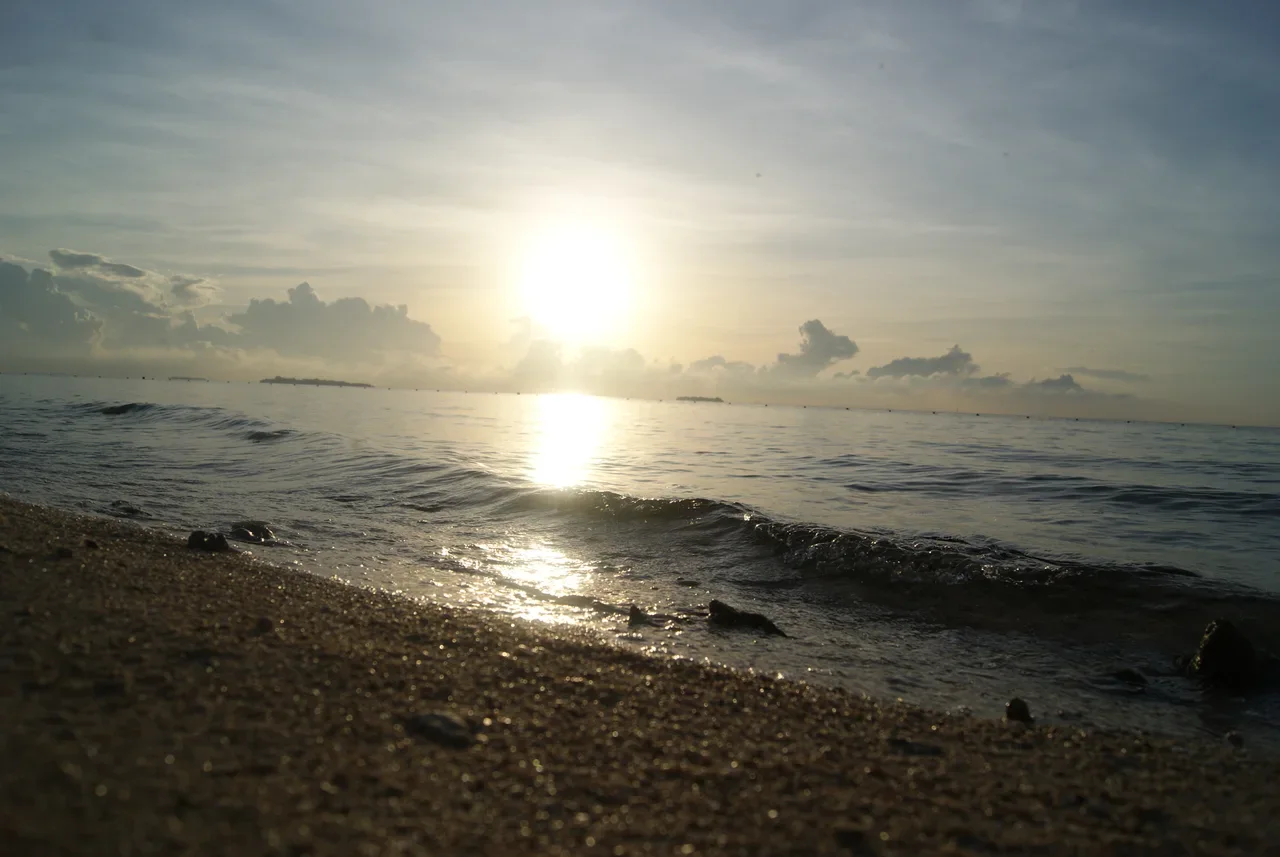
Travel beyond the Santubong estuary to Satang for island time, possible snorkelling and an introduction to turtle conservation.

A small boat from Kereng Bangkirai leads into a blackwater landscape before a guided walk introduces the peat-swamp forest. Camp Koran makes Sebangau possible as a day experience from Palangka Raya, without an overnight forest expedition. Choose it for the combination of water, vegetation and local interpretation rather than a promised orangutan sighting.

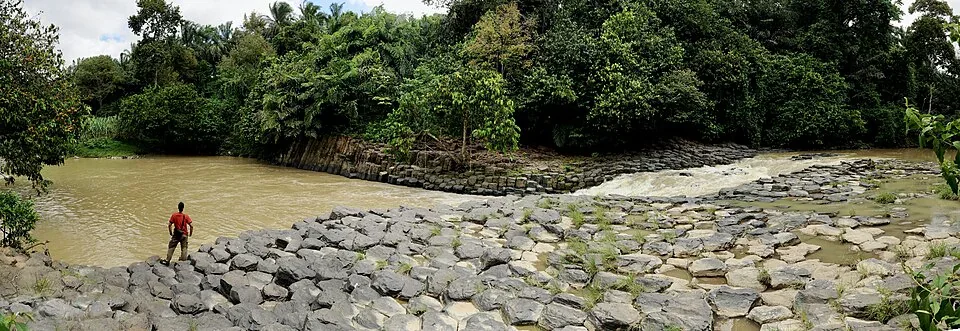
Make a focused geological stop near Tawau, looking closely at the column shapes and the landscape around them.
Sei Fatimah offers a water-level view of Binusan's mangroves. The community visitor programme describes small-boat observation of the coastal habitat, with proboscis monkeys among the animals that may be present. Wildlife remains unpredictable.

Travel from Sandakan for an overnight visit to Selingan, where park rangers manage access to a protected turtle nesting programme.

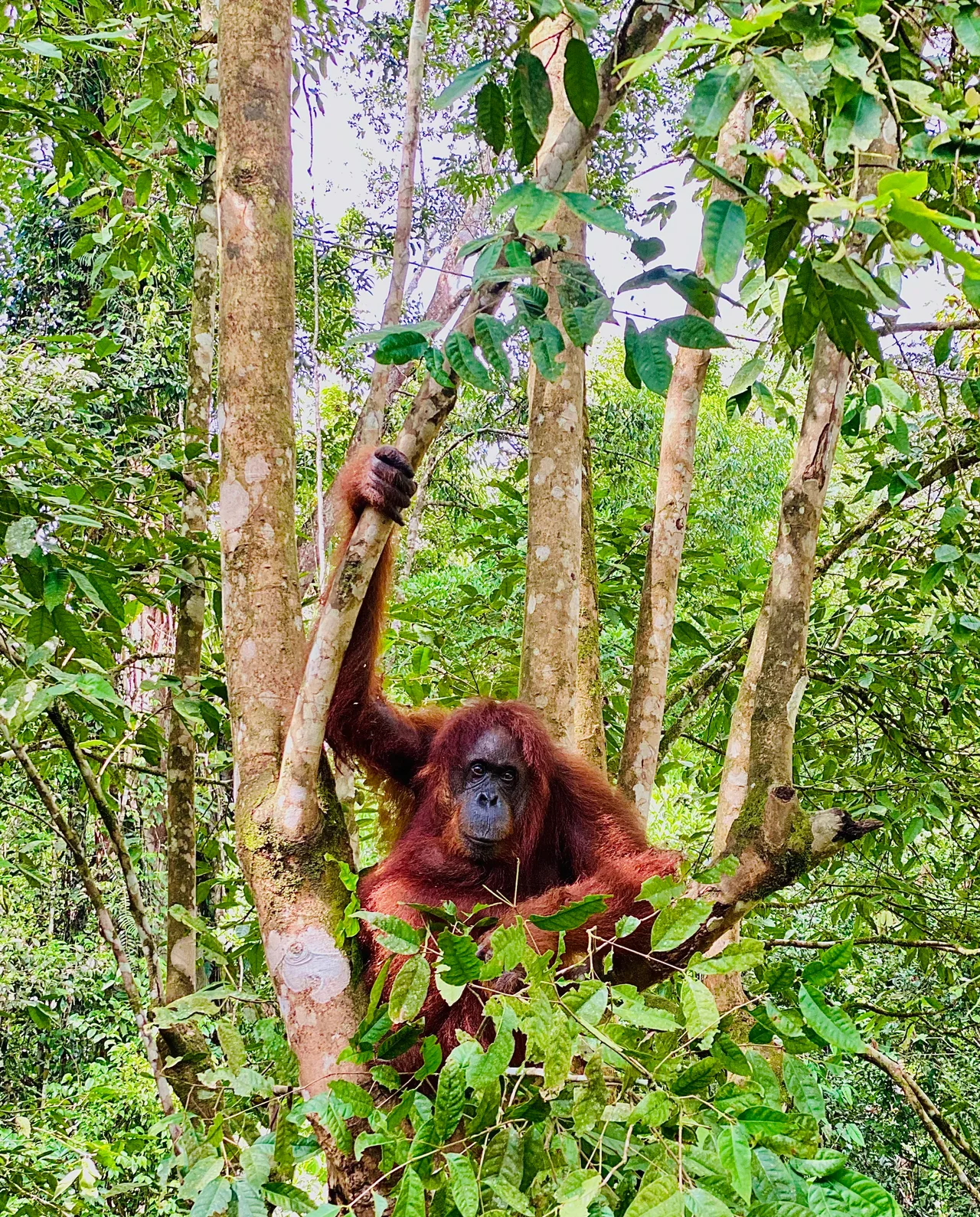
Visit Semenggoh for a reserve-led introduction to semi-wild orangutans, with their freedom to remain in the forest central to the experience.
Sepadang Hill is one of Cipta Karya's named walking attractions, giving a rural West Kalimantan stay a clear outdoor focus. The village lists both hiking and a dedicated hill package. Plan it as a local walk with a defined route, not a guarantee of sunrise colours or a sea of cloud.

Explore two separate conservation centres near Sandakan, with observation platforms, rehabilitation context and practical planning for a combined visit.

Explore the forest at different heights at Sepilok’s Rainforest Discovery Centre, with time for birds, trees and quiet observation.

Tane Olen is a forest governed through Dayak Kenyah customary rules. A visit from Setulang brings the forest and its community management together: the point is to understand a living protected resource, rather than enter an apparently empty wilderness.
Spend two to three hours colouring a prepared silk design at Indah House, with Sarawak wildlife and plants as inspiration. Reserve a studio appointment before visiting.
Rahadi Oesman is Ketapang’s domestic airport at Kali Nilam. It provides an air arrival option for the Pawan town, distinct from a long overland journey through West Kalimantan.

Road links connect the city bases while boat legs provide access to particular river and protected-area routes.

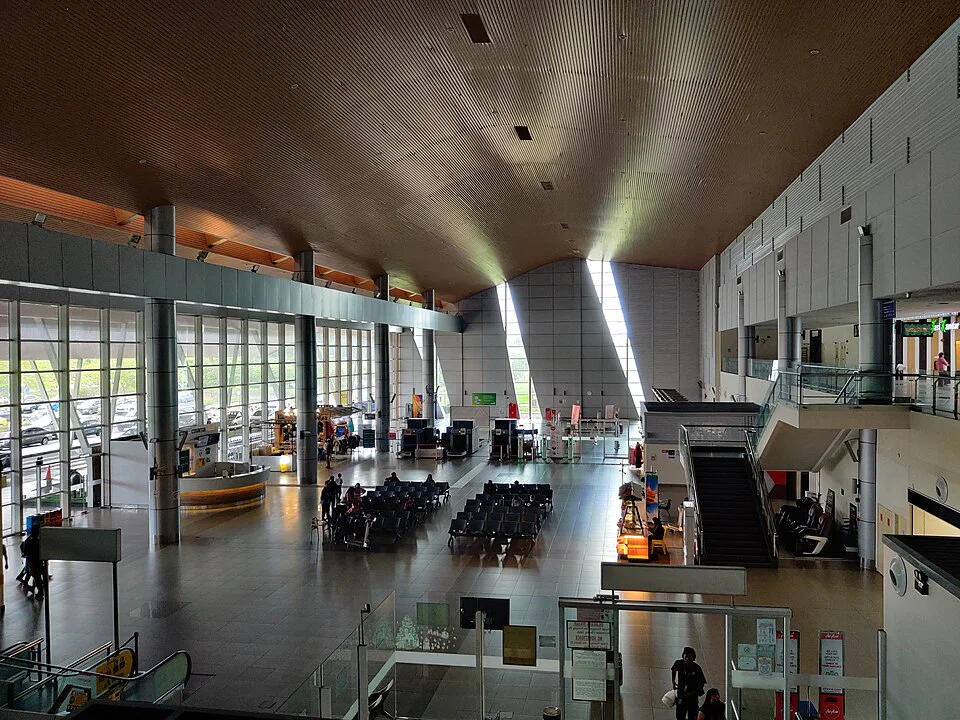
Use Sandakan Airport as an arrival point for Sandakan, Sepilok and pre-arranged wildlife journeys; coordinate onward road and boat transfers before flying.

Use Sibu Airport for a city stay or a separately arranged onward journey, allowing for the road transfer between the airport and your actual destination.

Connect a Sibu stay with Mukah by road, then arrange the separate final transfer to your town accommodation or a hosted stay in Tellian.

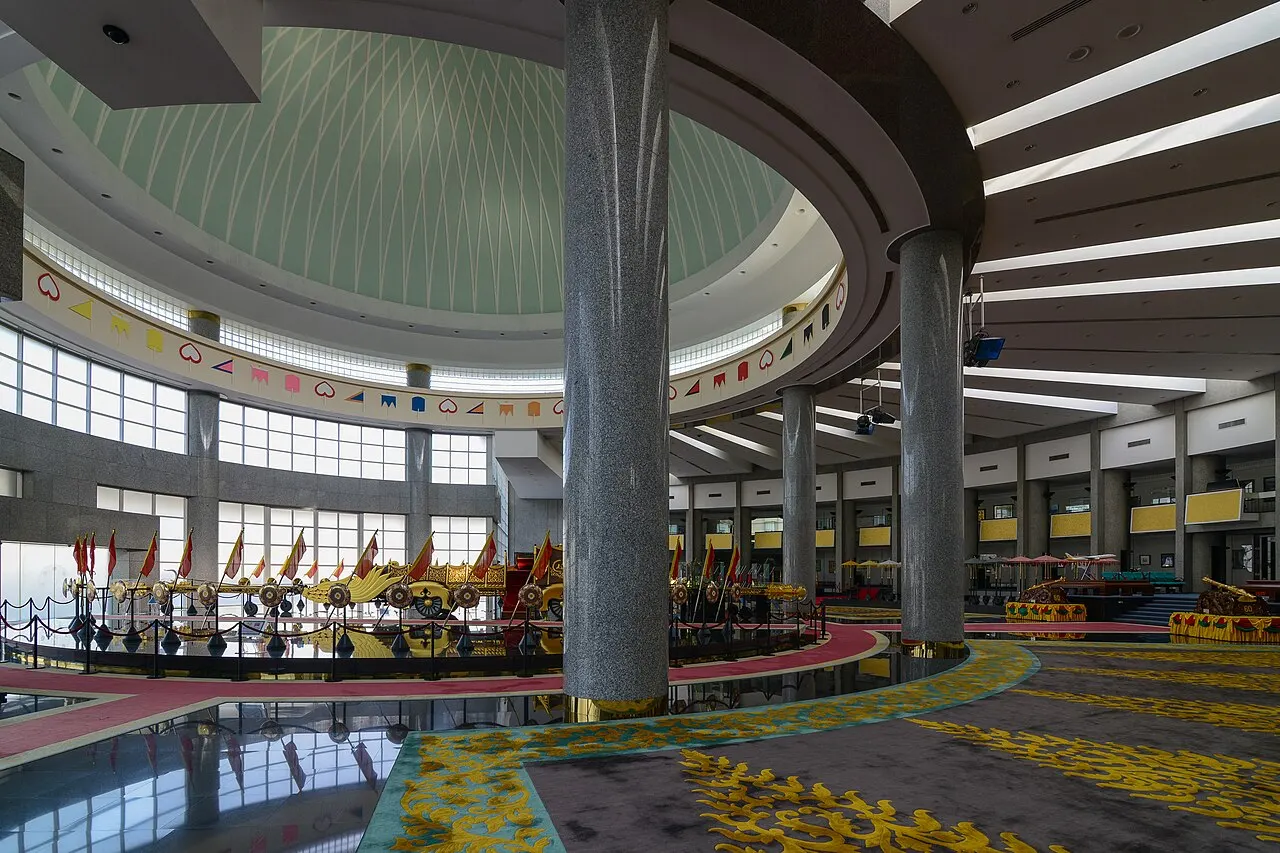
The Royal Regalia Museum in central Bandar Seri Begawan introduces Brunei’s monarchy through ceremonial objects and jubilee displays. A royal chariot, regalia and commemorative exhibits make it particularly useful for visitors interested in the material side of royal history. This is an indoor museum visit, easily considered alongside the capital’s mosque and waterfront heritage, with admission and opening arrangements to check before travelling.

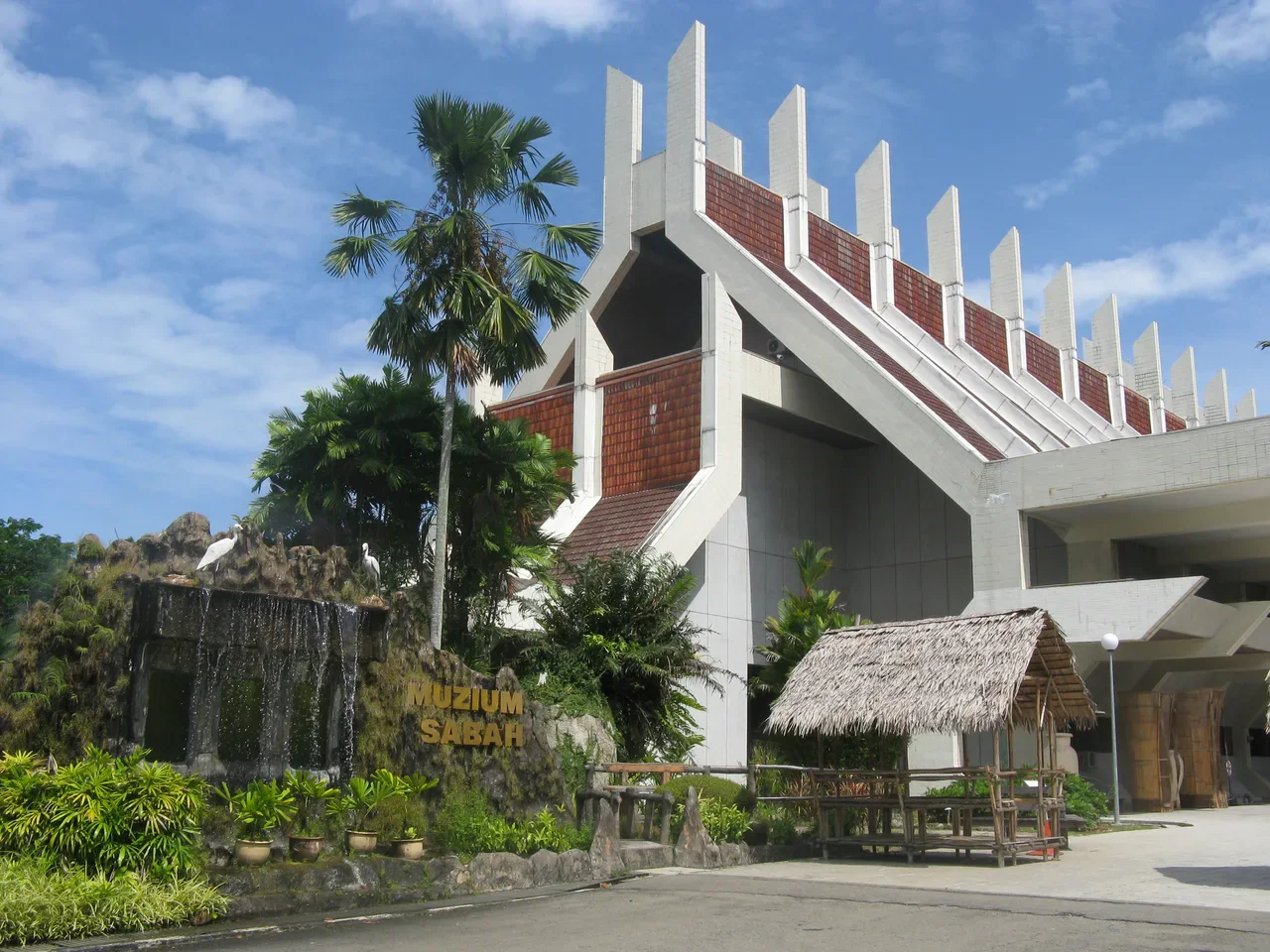
The Sabah Museum complex in Kota Kinabalu brings galleries, traditional house displays and an ethnobotanical garden together. It offers a useful introduction to the state’s cultural and natural history before travelling farther across Sabah.
Samboja Lestari offers a reserved introduction to forest restoration and wildlife care through BOS Foundation's visitor programme. The approach is from Balikpapan, and the distinction between a guided visit and access to rehabilitation facilities is essential.

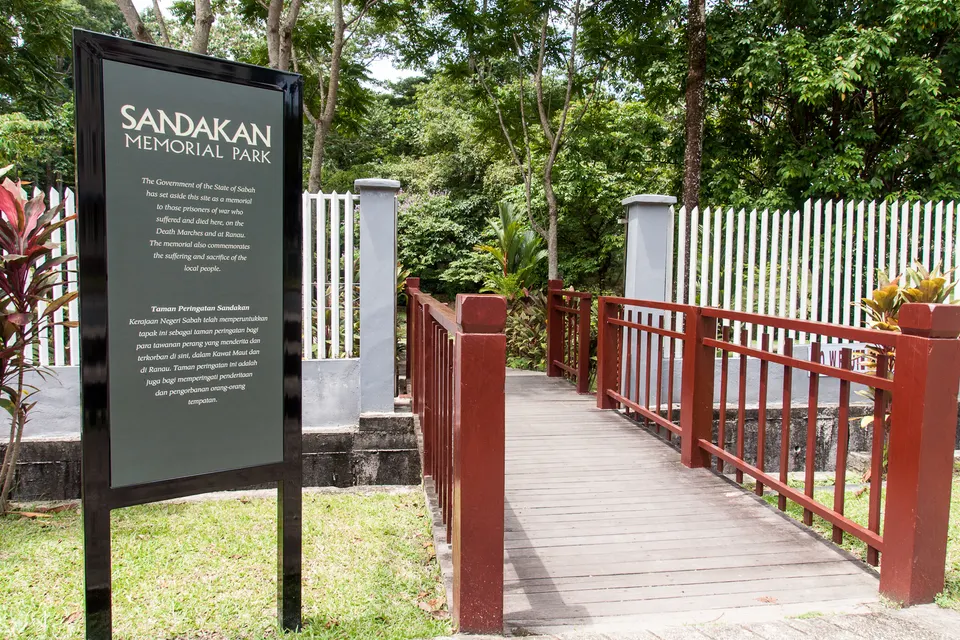
Sandakan Memorial Park remembers wartime prisoners and local people who helped them. Visit the interpretive pavilion and quiet grounds with time to reflect.

Selingan is the visitor island of Sabah's Turtle Islands Park, reached by boat from Sandakan. An overnight stay follows the rhythm of a protected nesting beach, with rangers deciding when visitors can observe turtles.

Semenggoh offers a managed conservation visit near Kuching, where semi-wild orangutans range through the surrounding forest. Plan around a visiting window and accept that the animals may find enough food in the forest to stay away.
A separate excursion into the water-infrastructure landscape of the wider IKN area.

Seria Energy Lab is a hands-on science centre in Seria, connecting energy and industry with interactive learning. Use the operator’s current visitor schedule when planning a family visit.

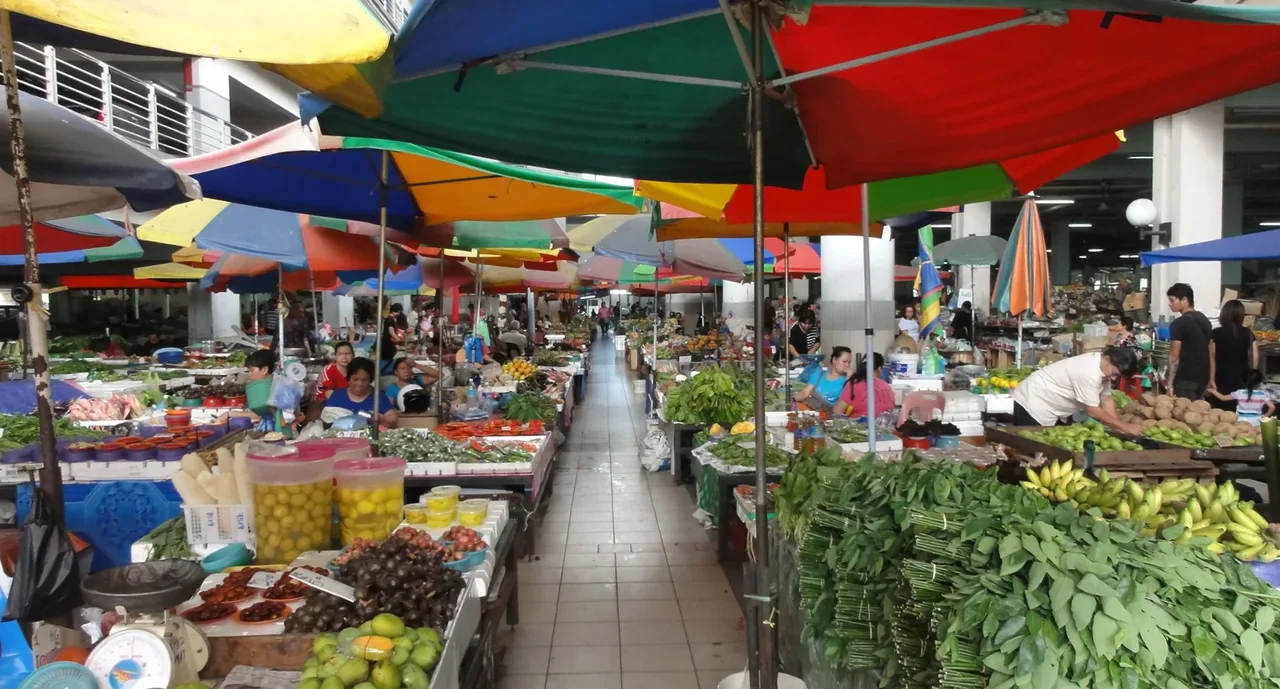
Sibu Central Market brings fresh produce, food stalls and everyday trade together on Jalan Channel. A morning visit gives this river city a particularly tangible sense of place.

Rainforest Discovery Centre offers a forest visit with an educational focus in the Sepilok area near Sandakan. Its elevated skywalk, ground-level trails, plant collection and exhibition spaces let visitors compare several layers of the rainforest without treating the experience as a guaranteed wildlife show. It is particularly rewarding for people who enjoy birds, trees and slow observation, while shorter routes and the garden can suit a more introductory visit. The centre is separate from Sepilok’s orangutan rehabilitation and sun-bear facilities, with its own admission and programme. Set aside several hours rather than squeezing it between timed encounters elsewhere. A guided night walk, when available and booked separately, offers another perspective on the same forest.

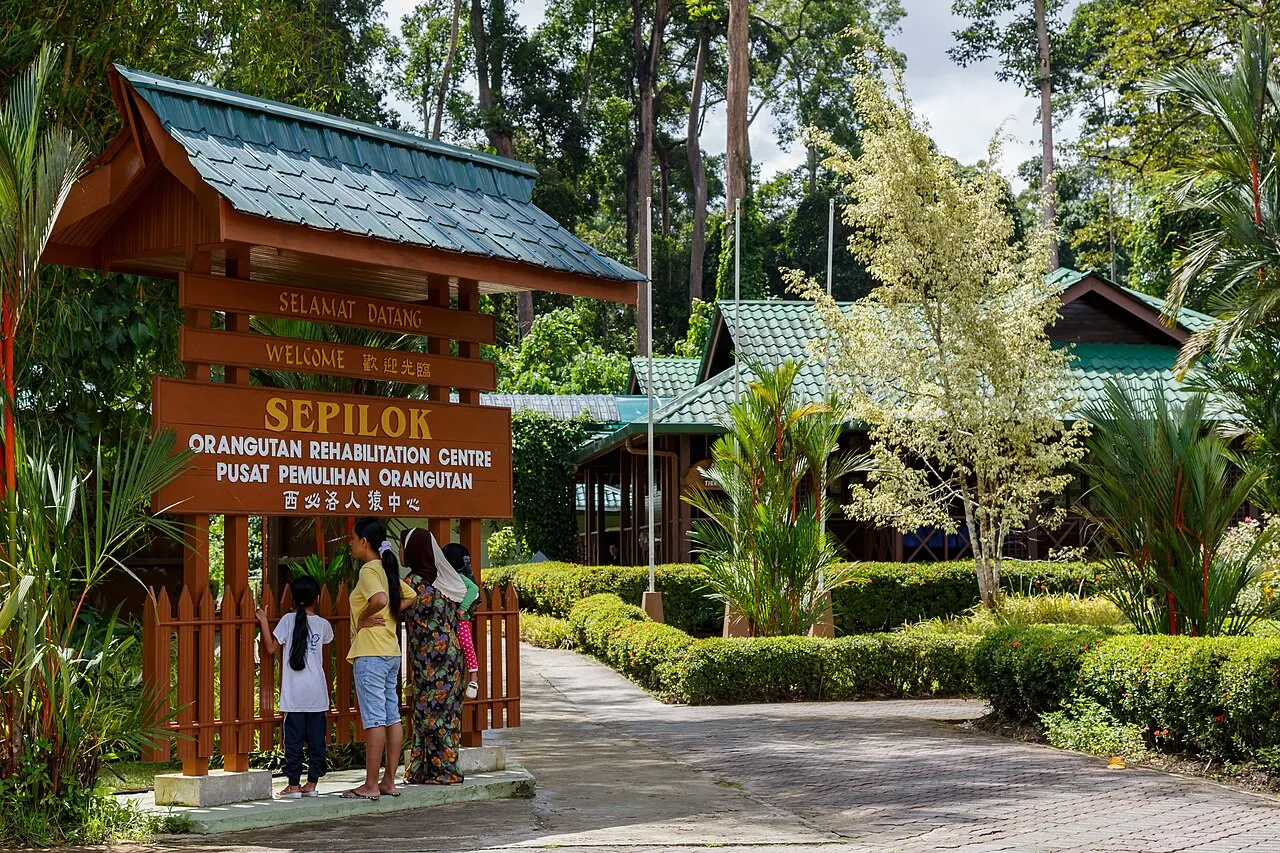
Sepilok Orangutan Rehabilitation Centre introduces visitors to the care and gradual independence of rescued orangutans in the forest near Sandakan. Viewing takes place within a managed conservation programme, rather than a performance with a guaranteed cast of animals. The outdoor nursery and feeding-platform context help explain different stages of rehabilitation, while the surrounding Kabili-Sepilok forest gives the work its setting. This is a worthwhile visit for travellers interested in conservation and families ready to observe quietly and follow staff guidance. Plan around the centre’s visiting sessions and allow time to understand what you see. An orangutan choosing food in the forest instead of appearing at feeding time can reflect the programme’s purpose, even if it disappoints a visitor’s hopes.

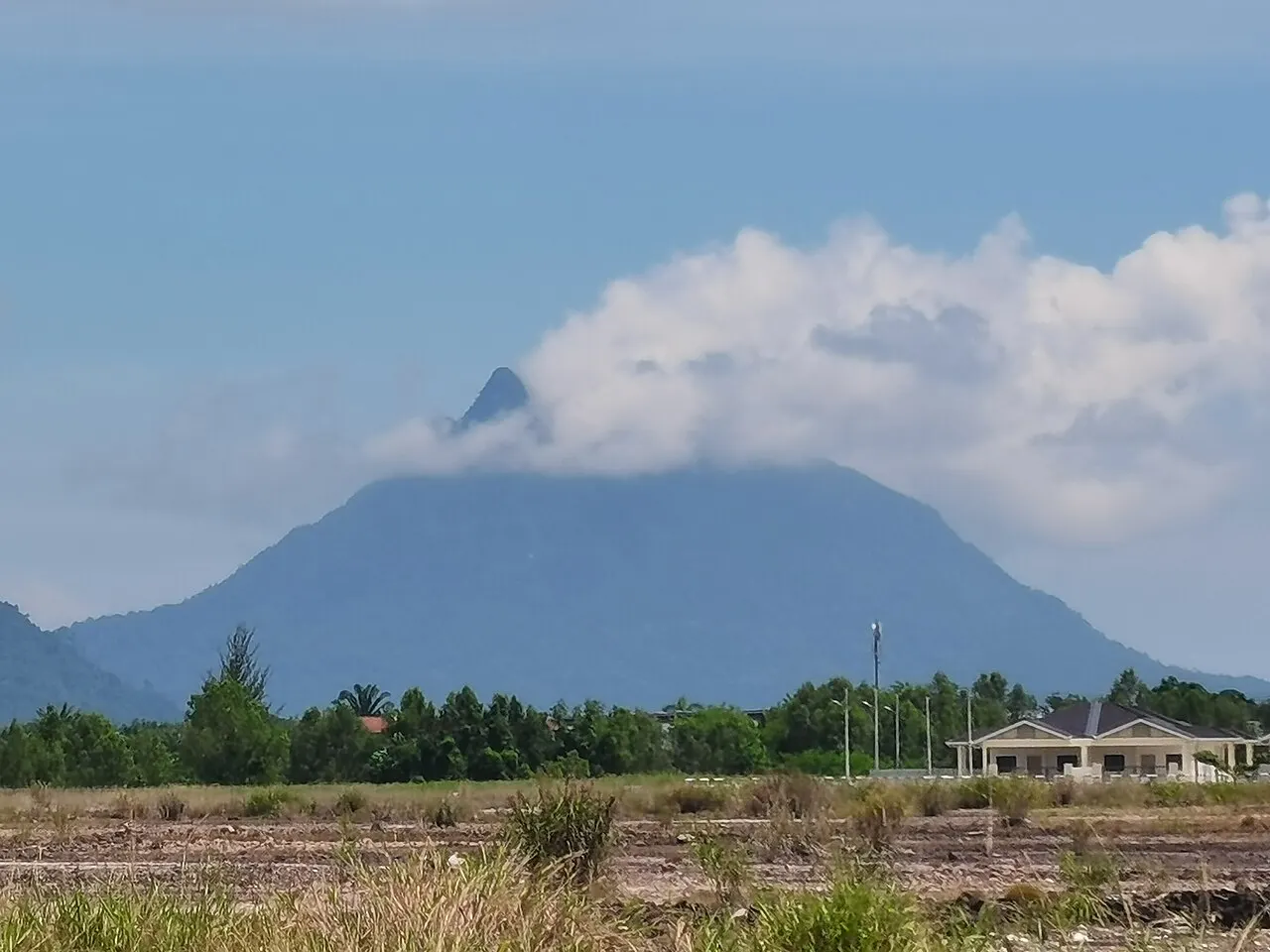
Sarawak Cultural Village brings representative houses, craft demonstrations and performances together in a purpose-built visitor setting near Damai. It is a useful introduction to the different architectural forms and cultural traditions of Sarawak, especially for a first visit or a family day outside Kuching. Walking between the houses gives the visit a different rhythm from an indoor museum: leave time to listen, watch and ask questions, as well as attend a performance. The setting beneath Mount Santubong is part of its appeal. Treat the village as a curated presentation by cultural practitioners, rather than a private longhouse community going about an unarranged visit. That distinction helps visitors appreciate the programme while respecting the separate arrangements needed for community-hosted travel.

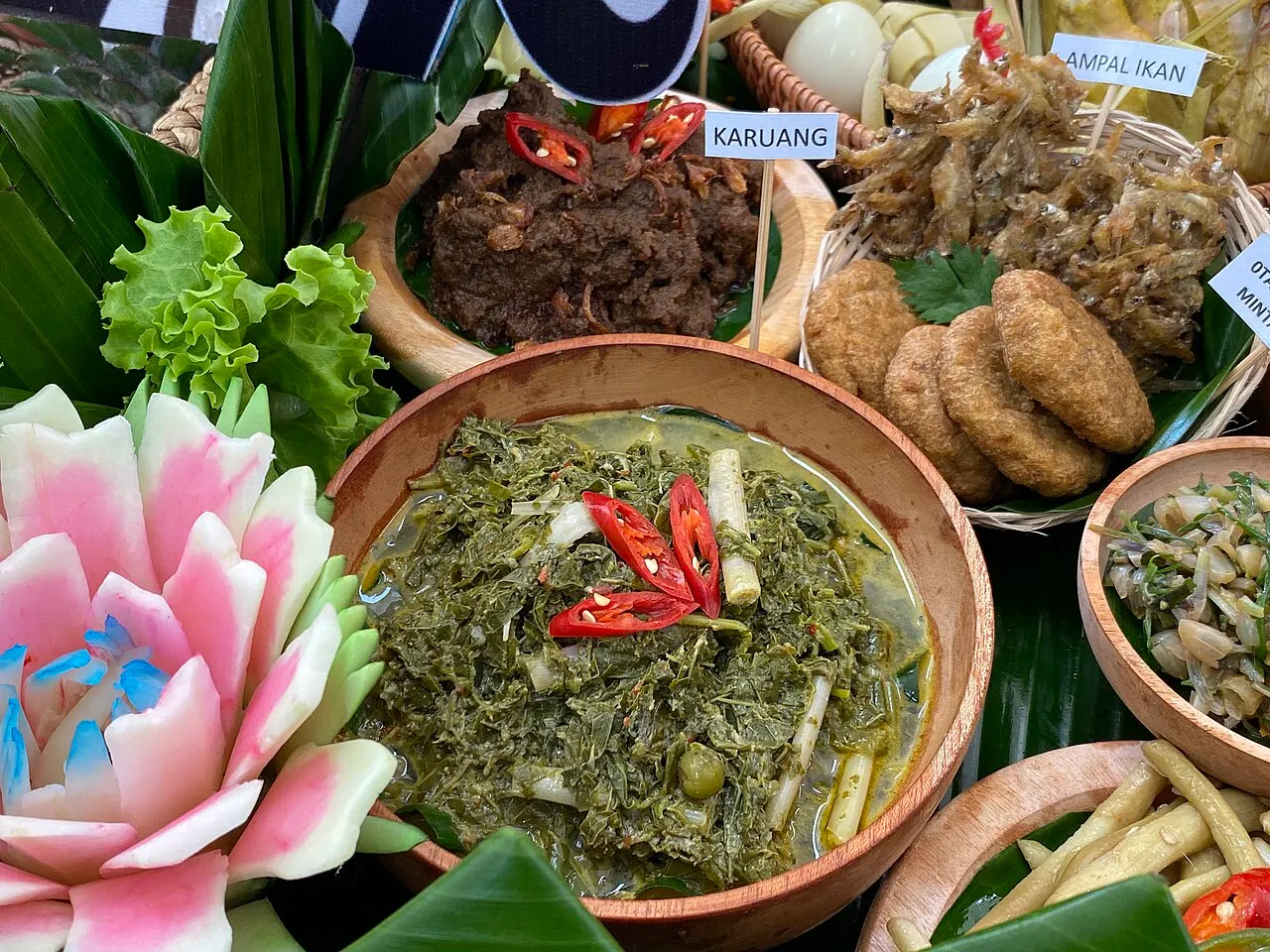
Regional ingredients and names reveal useful connections between food, forest products and distinct cultural contexts without proving an exclusive origin.

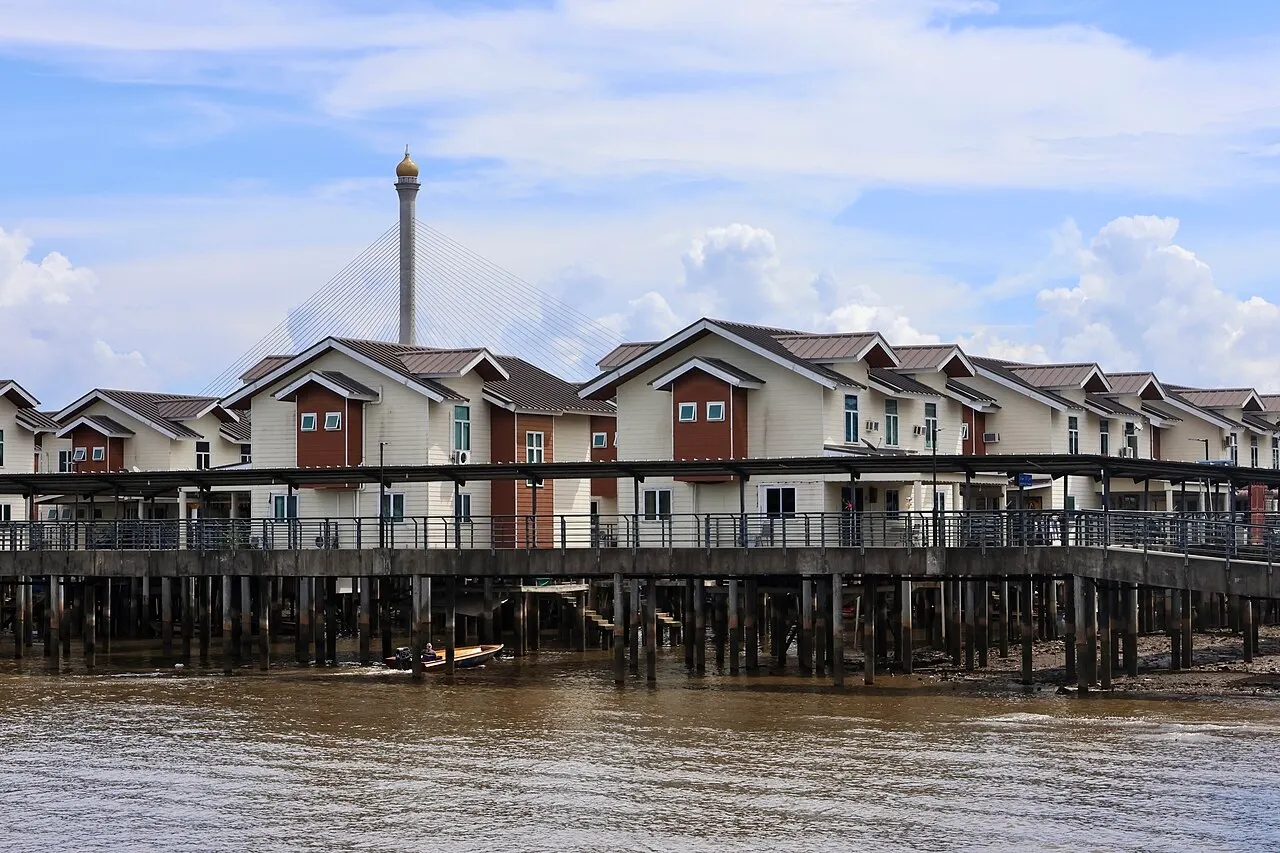
From the riverfront, Kampong Ayer invites a closer look at how homes, paths and water belong to the same inhabited urban landscape.

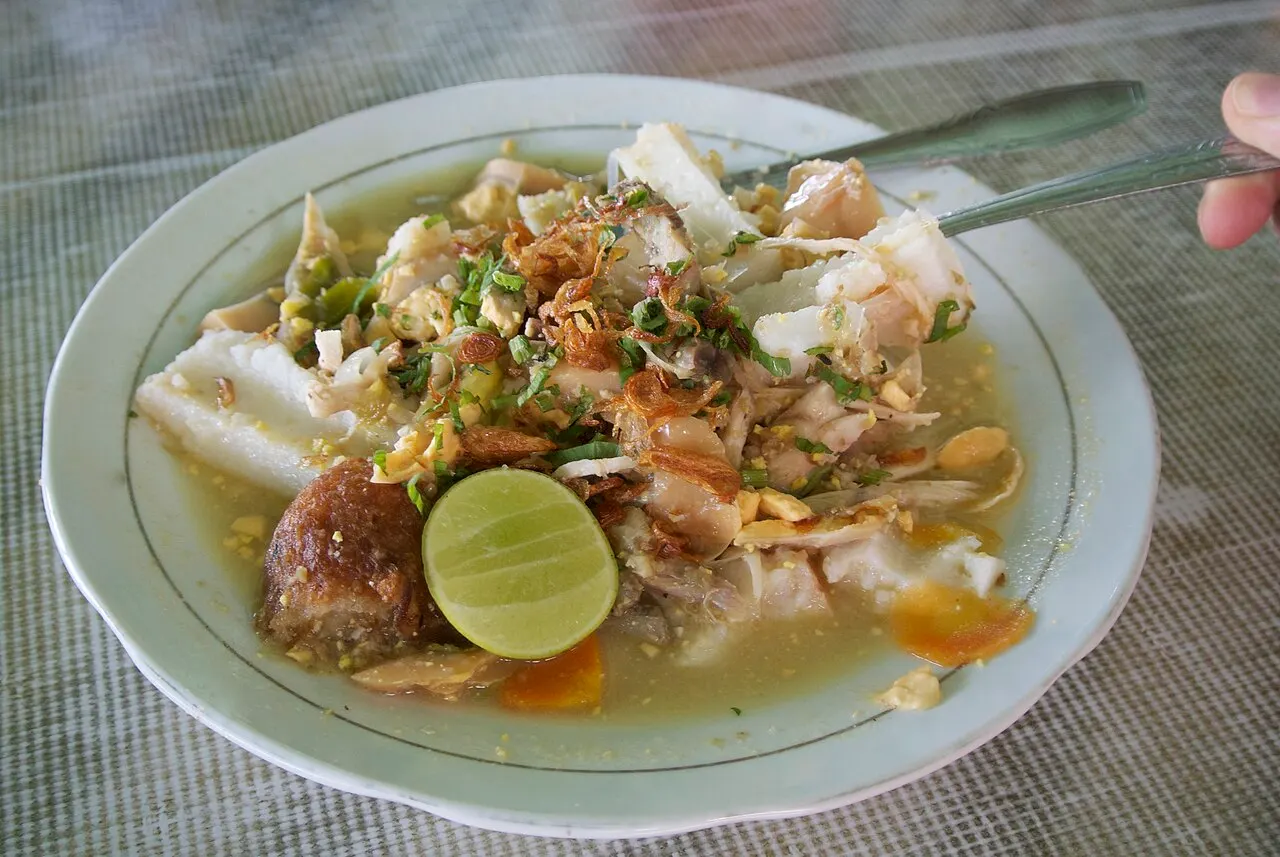
Follow a provincial journey from a working river market to two distinct dishes, keeping places and people in view.

River cities, longhouses and coastal food knowledge reveal different community histories. Sarawak becomes richer when those histories are explored together without making them interchangeable.

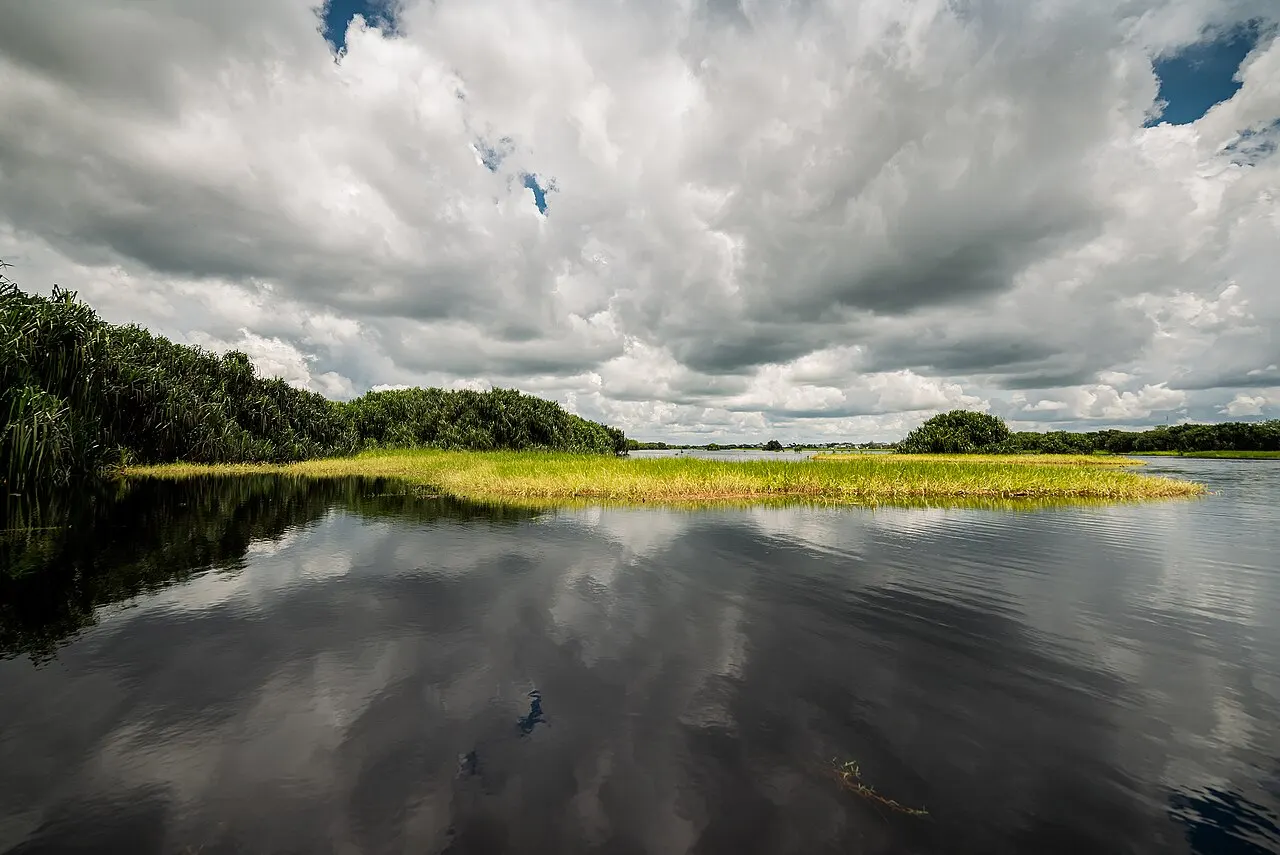
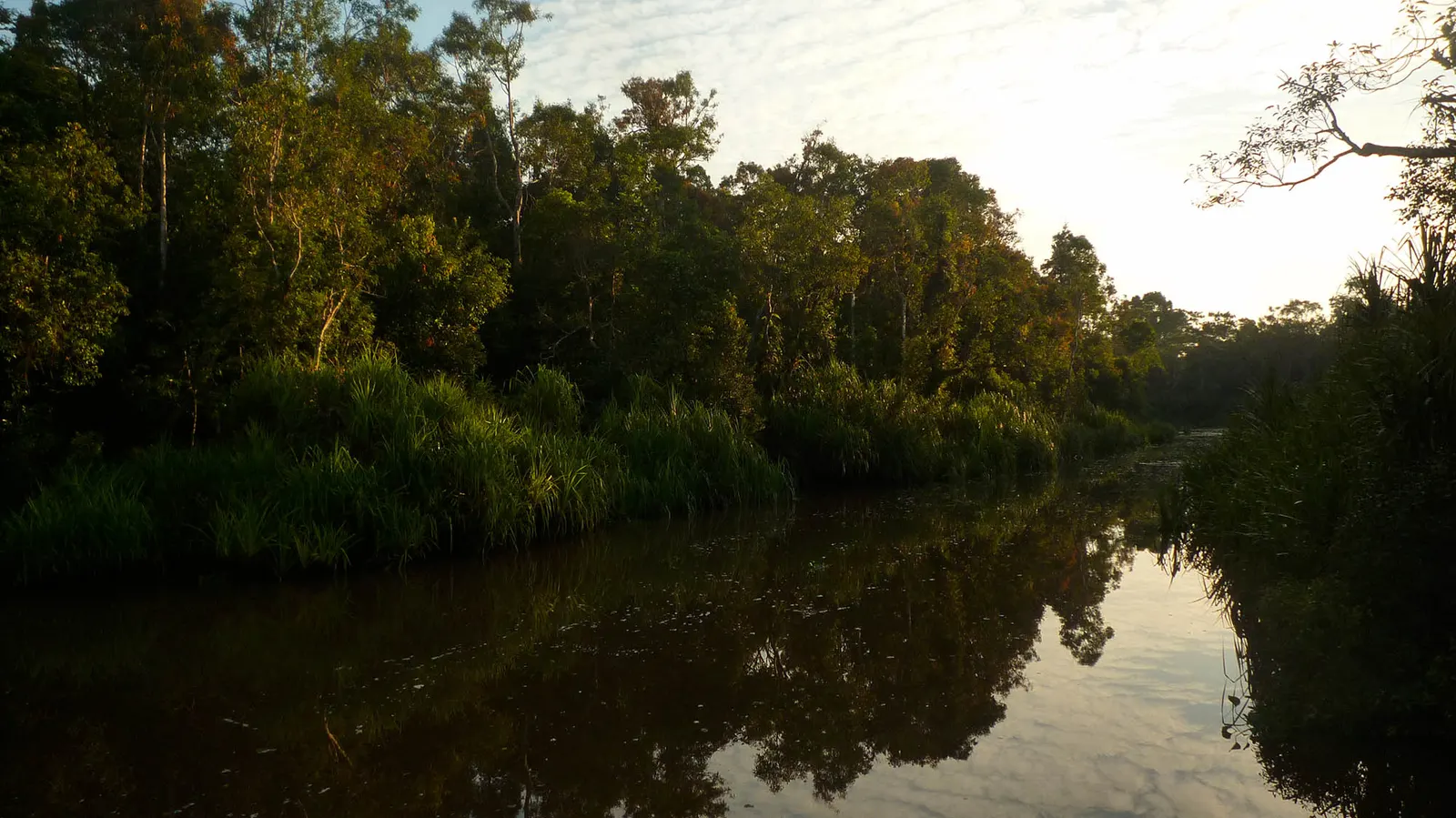
Rivers connect forest habitats, fish communities and travel routes in Central Kalimantan.

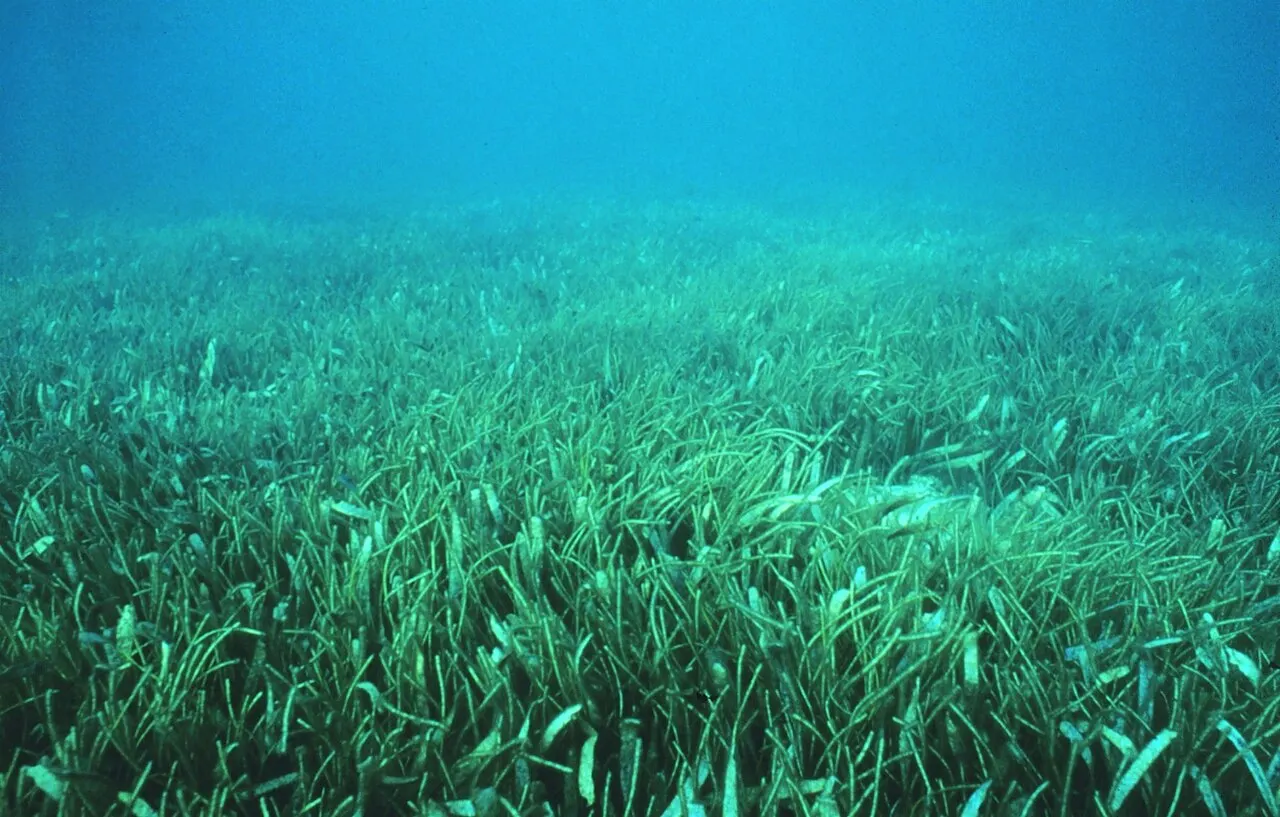
Submerged flowering plants form coastal meadows distinct from both algae and coral reefs; Berau research connects this habitat with blue carbon and turtle landscapes.
Meet roti gembong through Samarinda’s local bakery businesses, asking about the loaf, filling and version made by each producer.

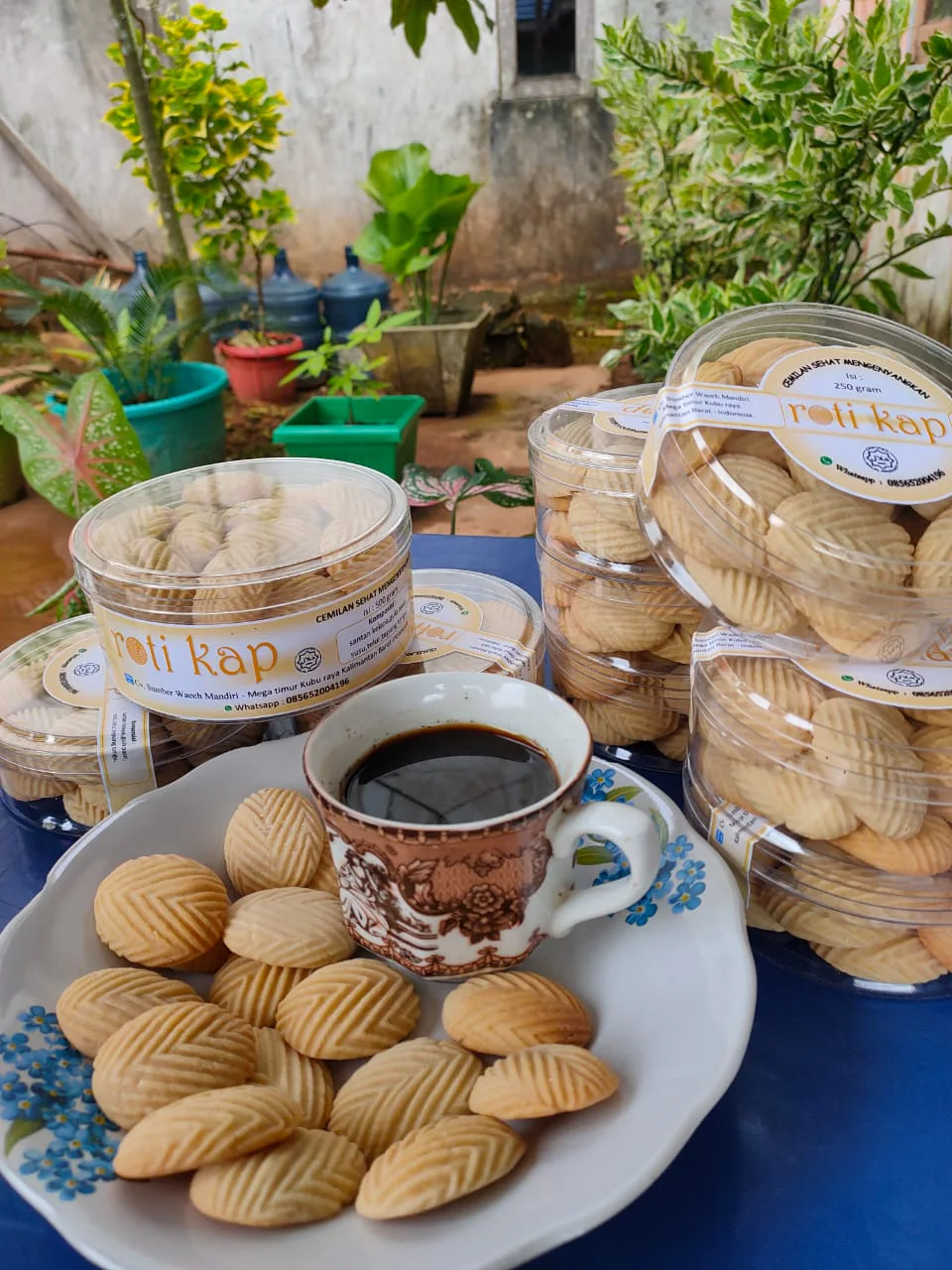
Roti kap is a small sweet bake associated with Pontianak's Malay food traditions. Its modest size suits a pause with tea or coffee. Look for a local maker rather than assuming every souvenir shop carries the same version.
A seasoned shellfish dish associated with Ketapang, often discussed alongside ketupat colet. Look for the actual local preparation and ask what is in the sambal rather than assuming every clam dish is ale-ale.

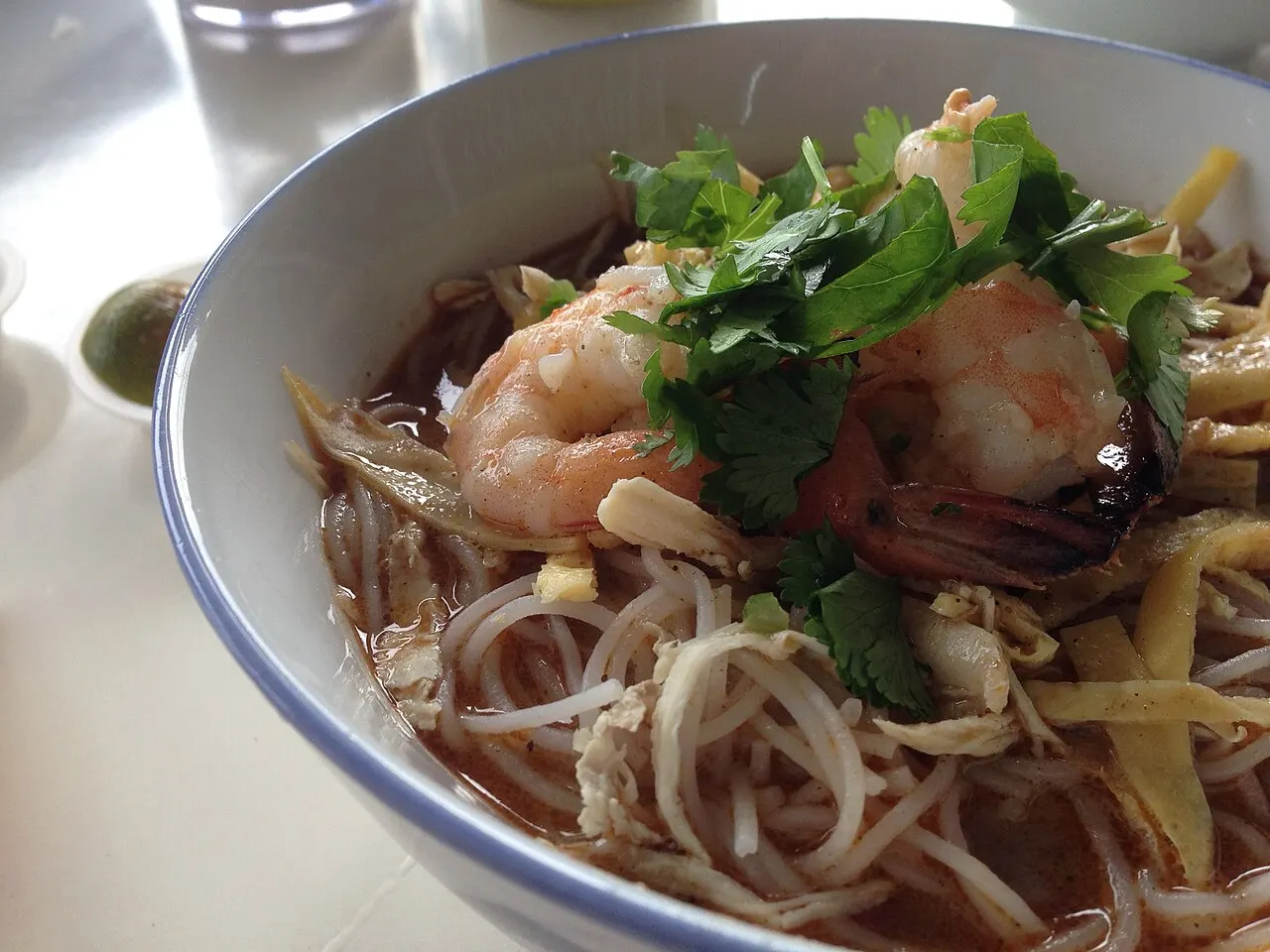
Sarawak laksa brings fine rice noodles, aromatic broth, prawns, chicken and egg together in a bowl closely associated with Kuching. Coconut milk, tamarind and a spiced paste give it richness and tang without making every bowl identical.

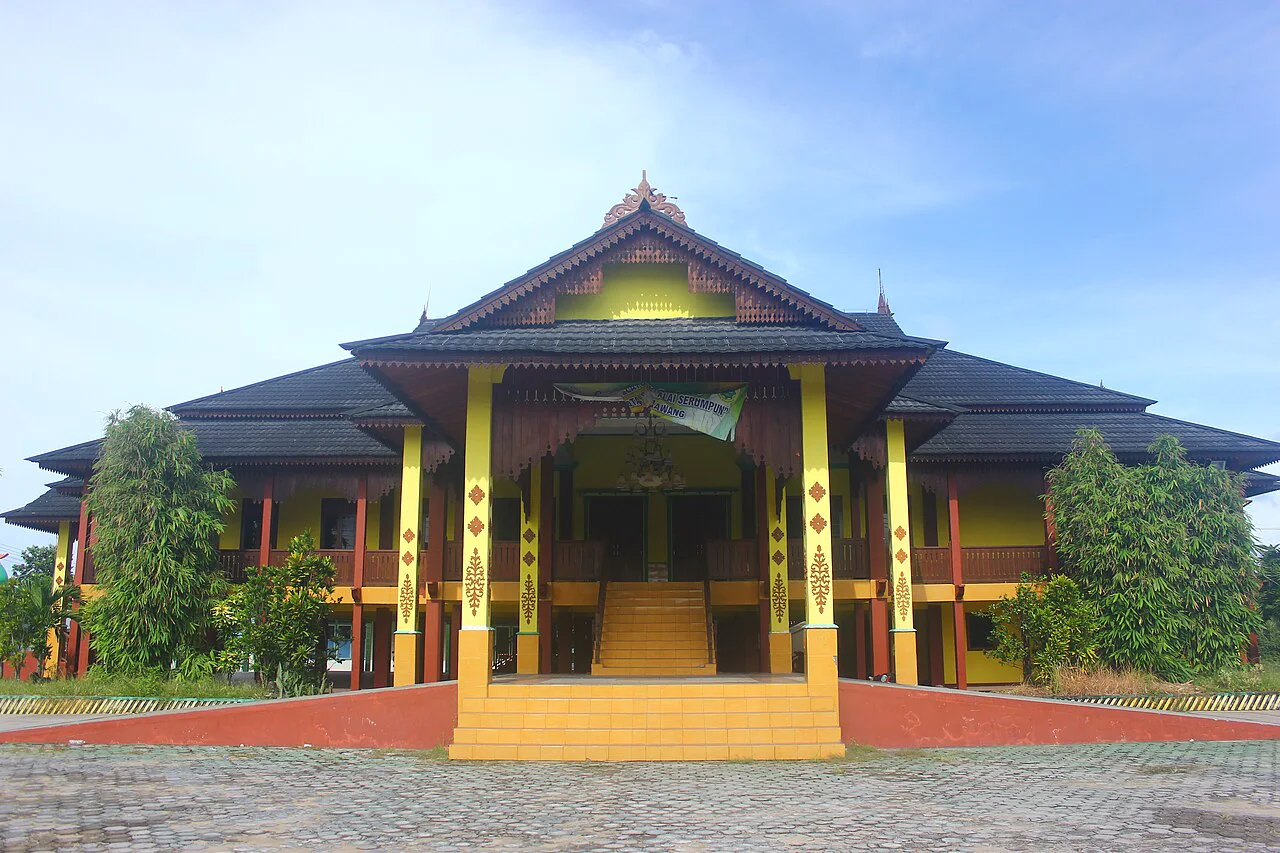
Rumah Adat Melayu Balai Serumpun offers a view of Malay cultural life in Singkawang through a contemporary community venue. Visit with interest in its architecture and activities, while checking whether the building is receiving visitors or being used for a gathering.

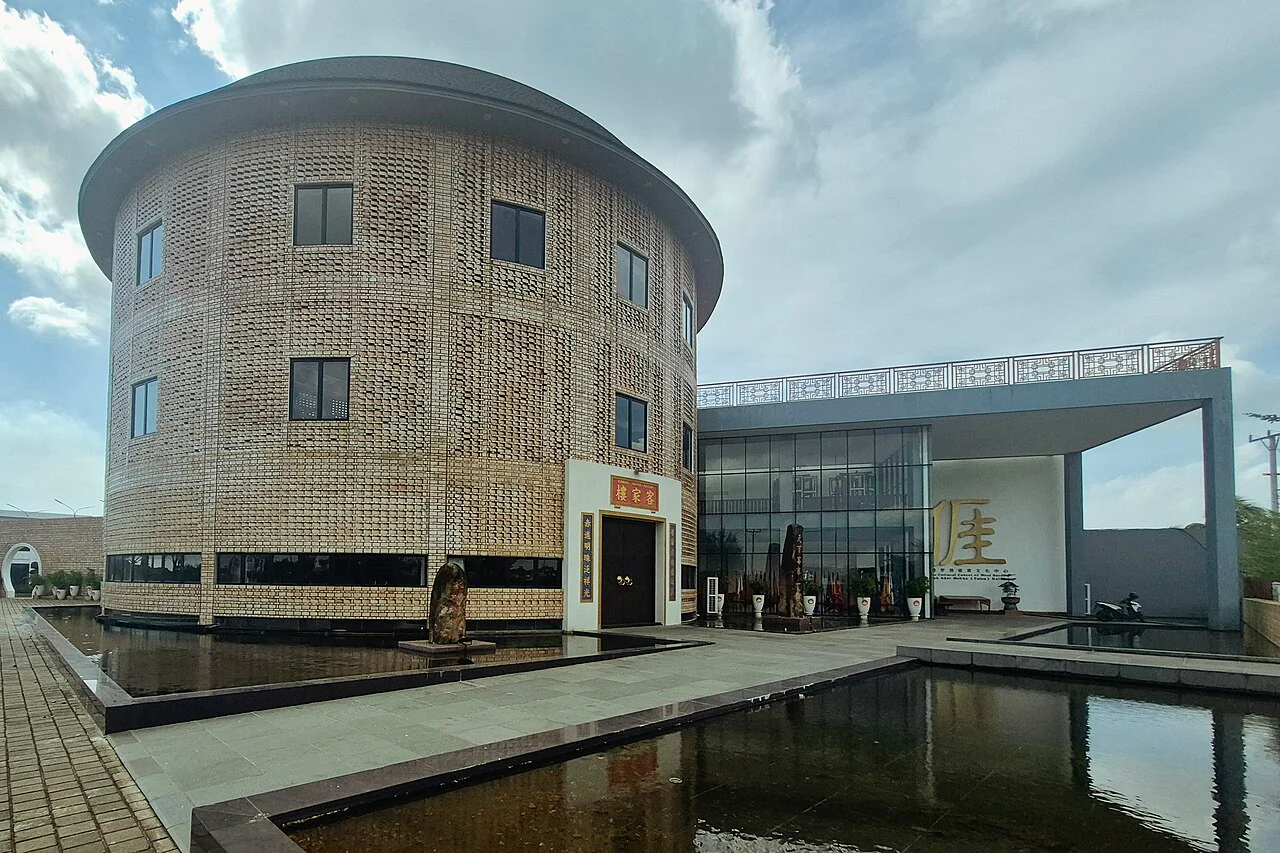
A contemporary cultural house in Sungai Raya, Kubu Raya. Its brick architecture introduces Hakka identity in West Kalimantan without pretending to be an ancient palace or an unchanged historic village.

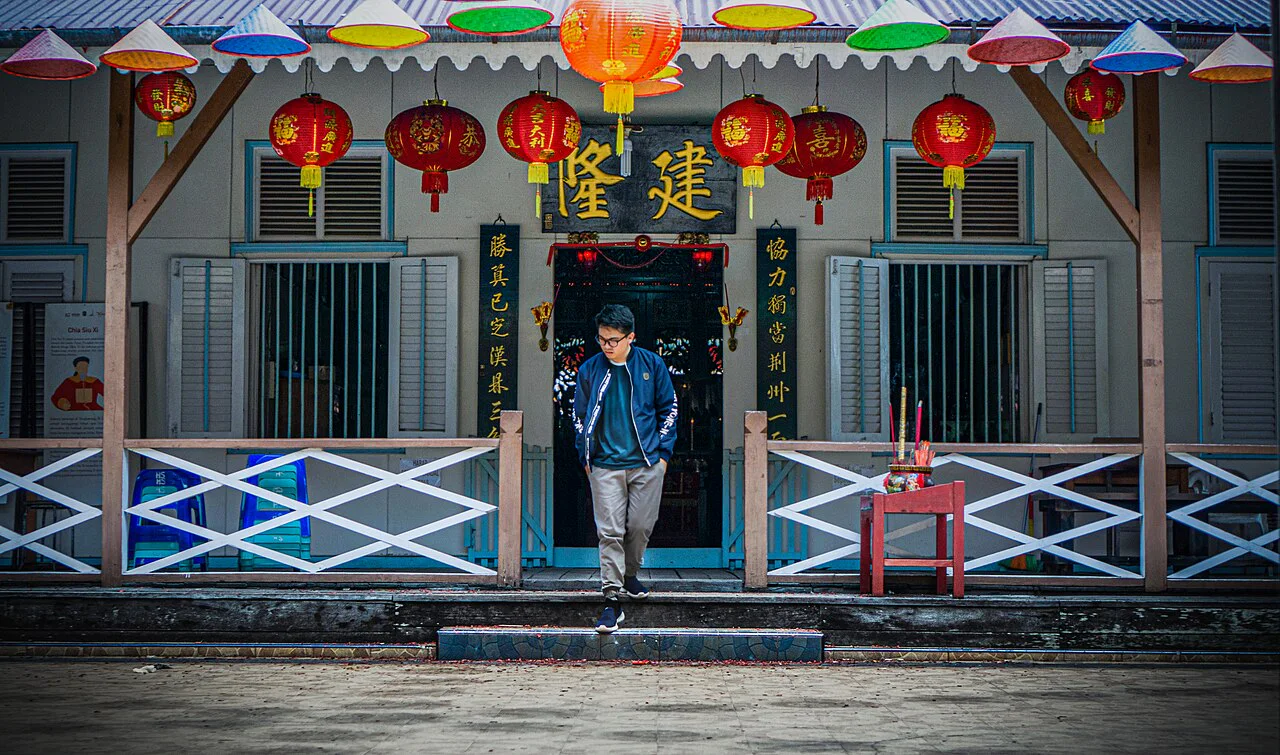
Rumah Marga Tjhia connects family life, built heritage and food in central Singkawang. The compound remains a lived-in place, so a rewarding visit begins by recognising the difference between welcoming visitor areas and the private spaces of a family home.

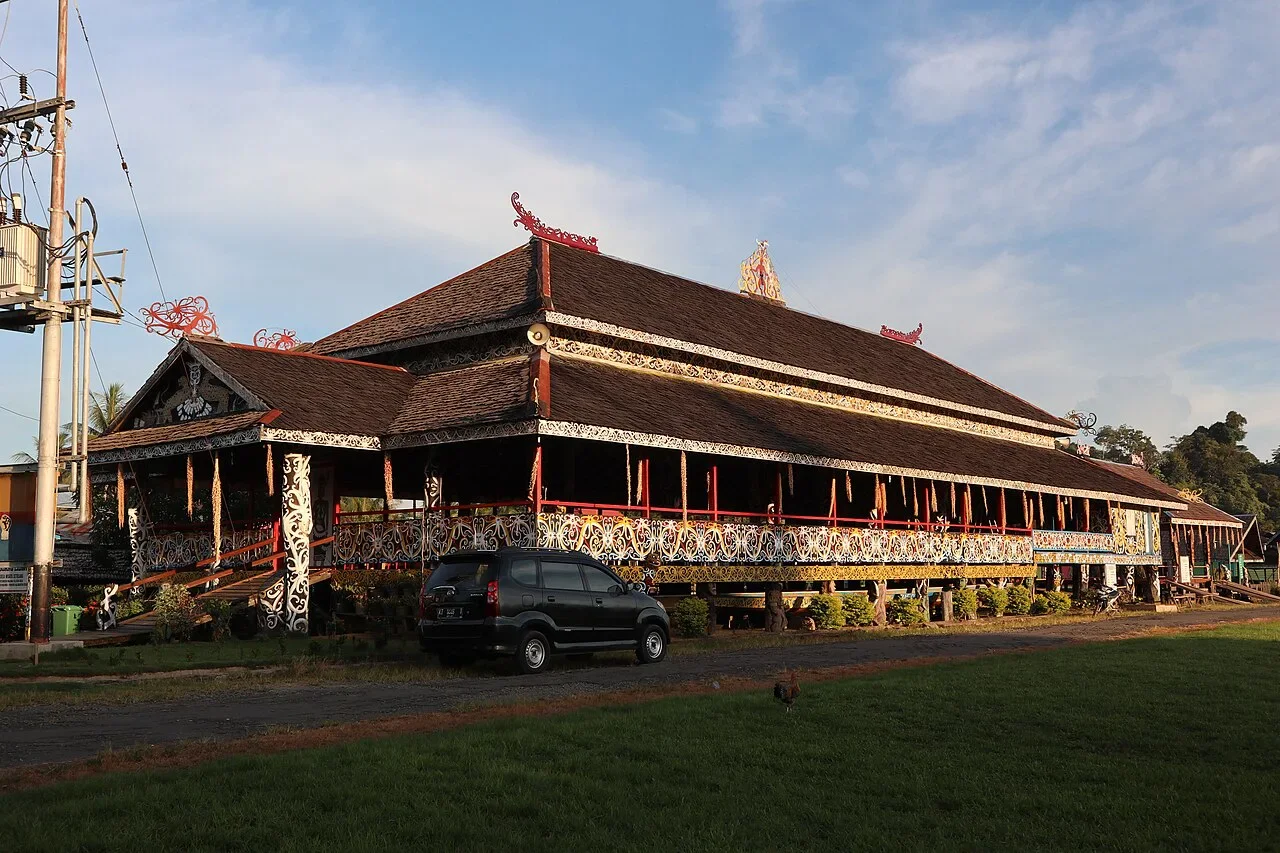
Rumah Radakng is Pontianak's modern longhouse replica and a public expression of local cultural identity.

Sama-Bajau heritage in Sabah includes maritime traditions alongside diverse community histories and contemporary cultural expression.

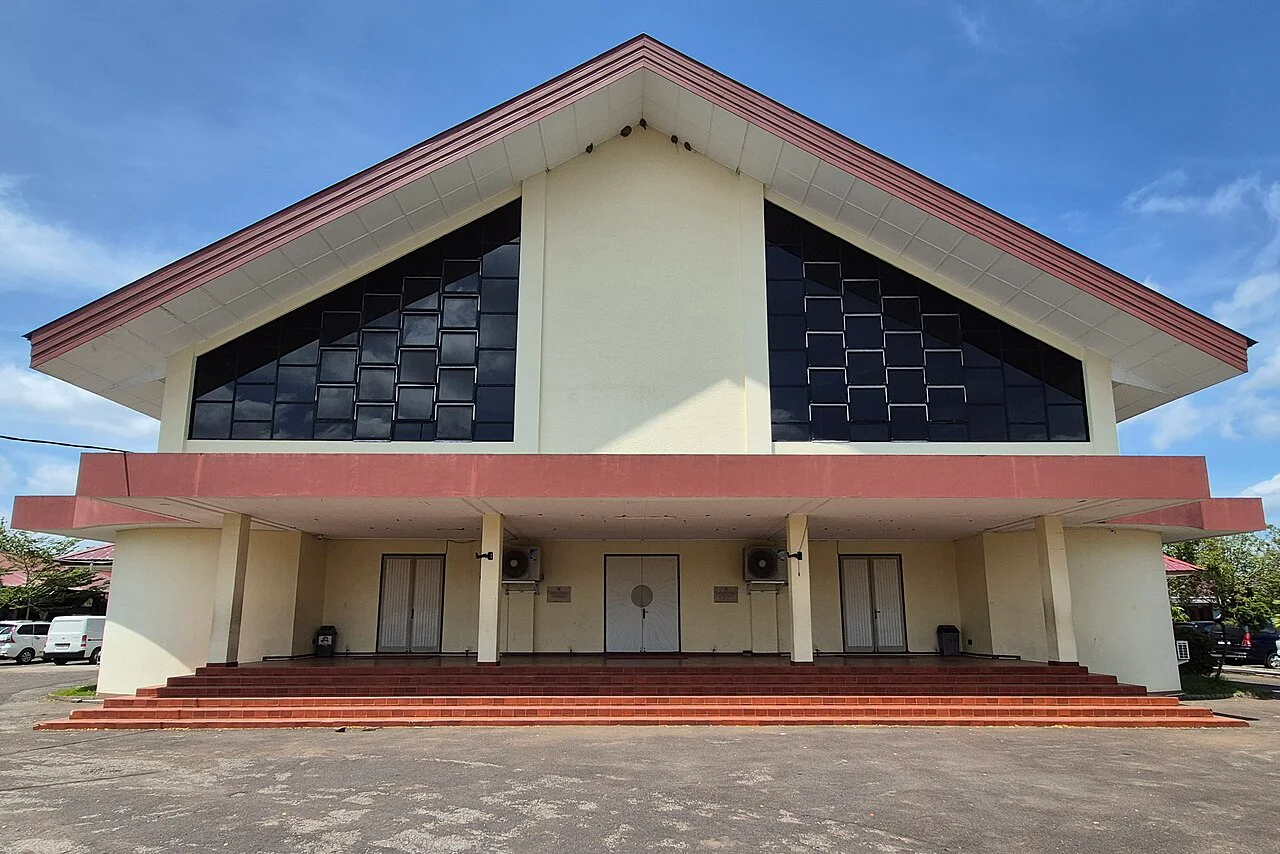
An active Catholic parish on the Adi Sucipto corridor in Sungai Raya. Visit for a respectful encounter with local community history and architecture, giving worship and parish activities priority.

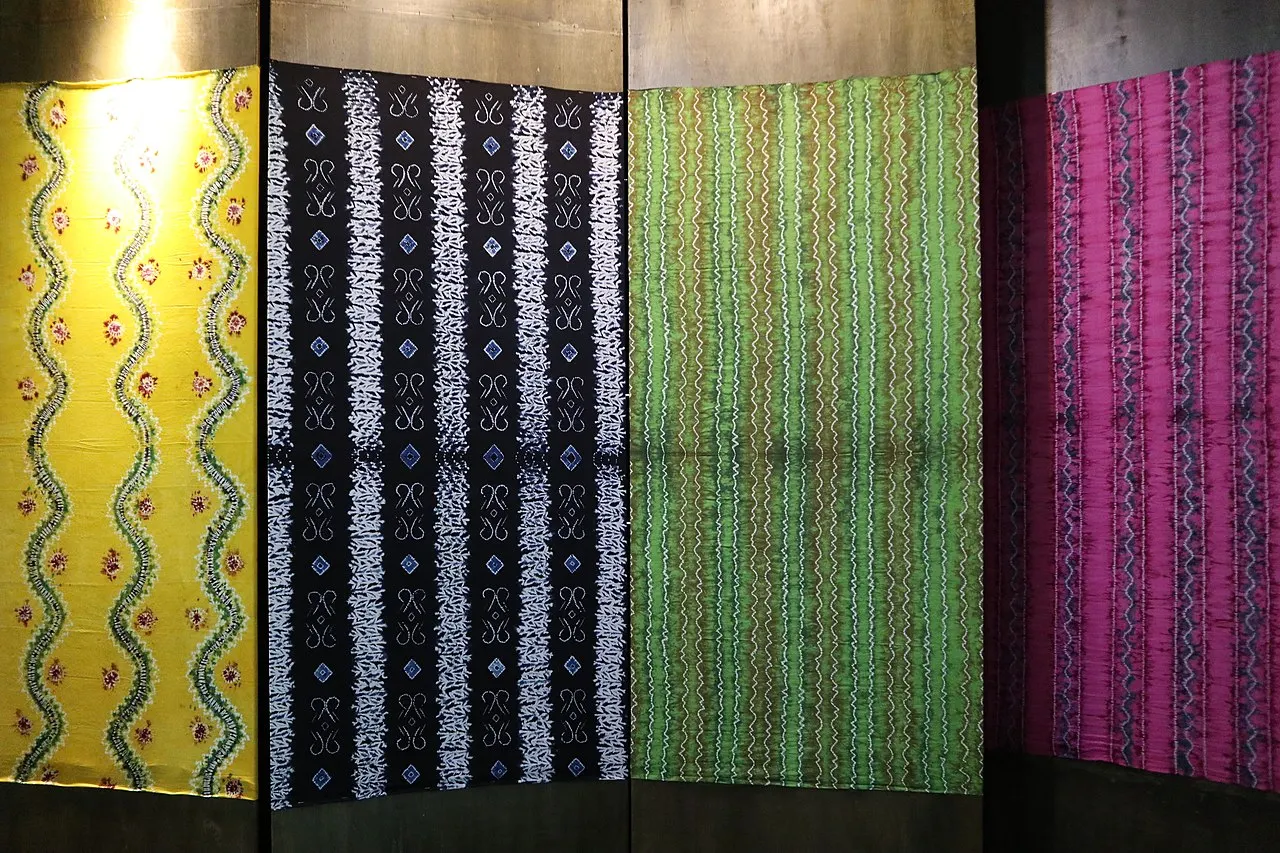
Banjar textile craft recognised in Indonesia's intangible cultural heritage register.

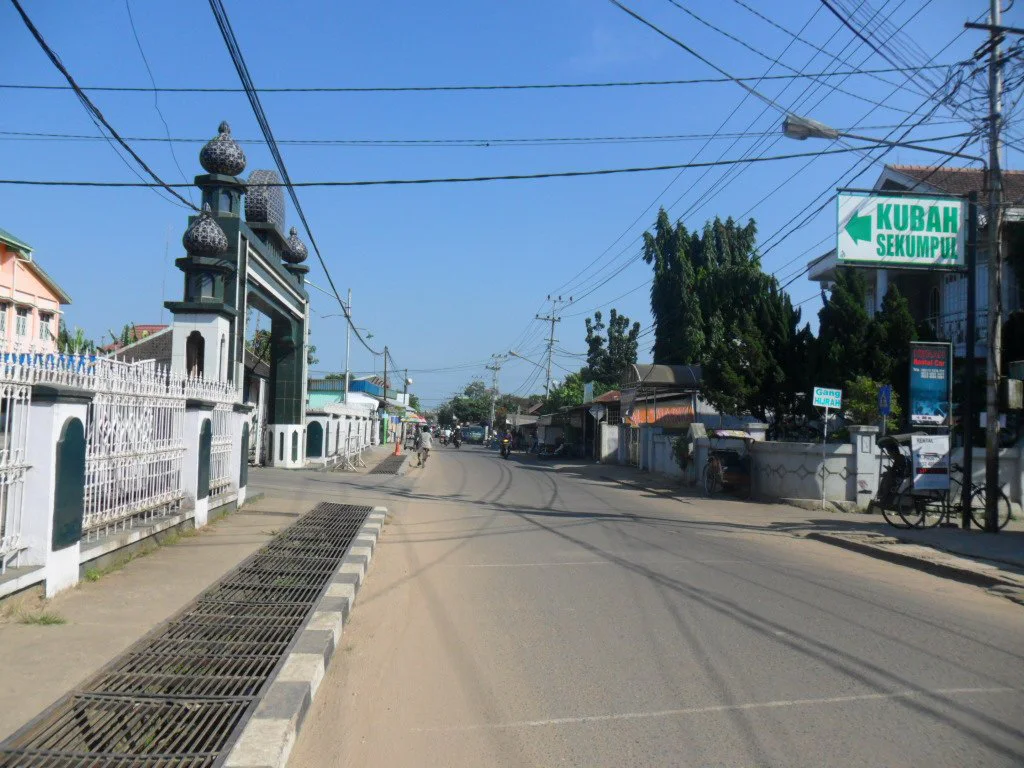
Sekumpul is a living place of pilgrimage in Martapura, centred on the memory of Guru Sekumpul and approached with respect for worshippers and residents.

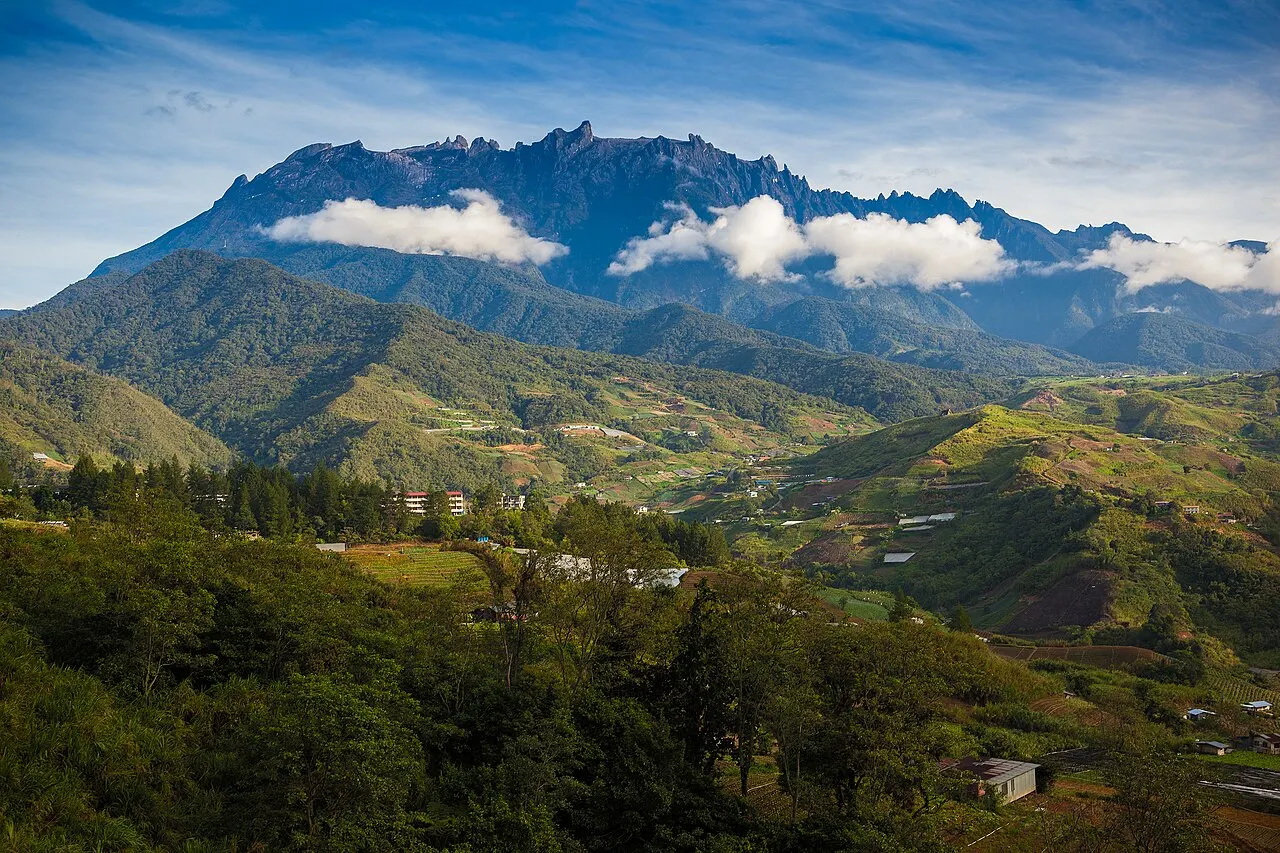
Sabah occupies northern Malaysian Borneo, joining Mount Kinabalu’s highlands with rainforest valleys, wildlife-rich rivers and the islands of the southeast coast. Kota Kinabalu, Sandakan and Semporna open different parts of this varied state.
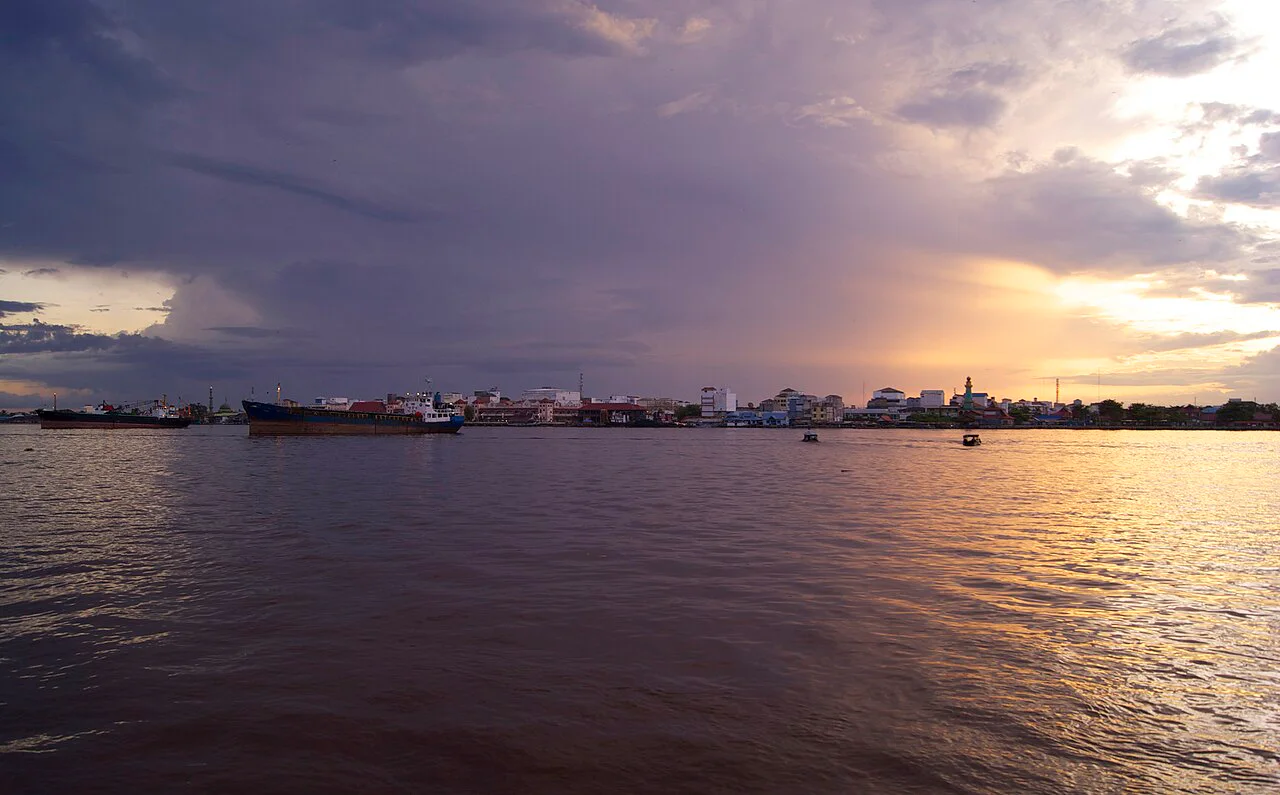
Samarinda follows the Mahakam: a working river beside city promenades, mosque silhouettes and neighbourhoods where weaving still belongs to everyday life. Give the city two or three days, with a separate, host-led visit to Pampang and time for the kitchens of Kampung Nasi Kuning.

Sampit is a working river town on the Mentaya, with a waterfront, a timber-history museum and the everyday services of Central Kalimantan's main southern overland corridor. It rewards a short, unhurried stay between Palangka Raya and Pangkalan Bun rather than a rushed search for a single headline attraction. Spend time beside the river, understand the town through Museum Kayu and decide whether a separate coastal excursion to Ujung Pandaran fits your route. The port, town hotels and H. Asan Airport make Sampit a practical base; distant forest and beach journeys still need their own arrangements.
Sangatta rewards a closer look at its everyday spaces: the mosque and public hilltop at Bukit Pelangi, a neighbourhood polder and the coastal edge at Kenyamukan. Spend two unhurried days in the town itself, with time for local food businesses rather than treating every attraction in Kutai Timur as a nearby stop.

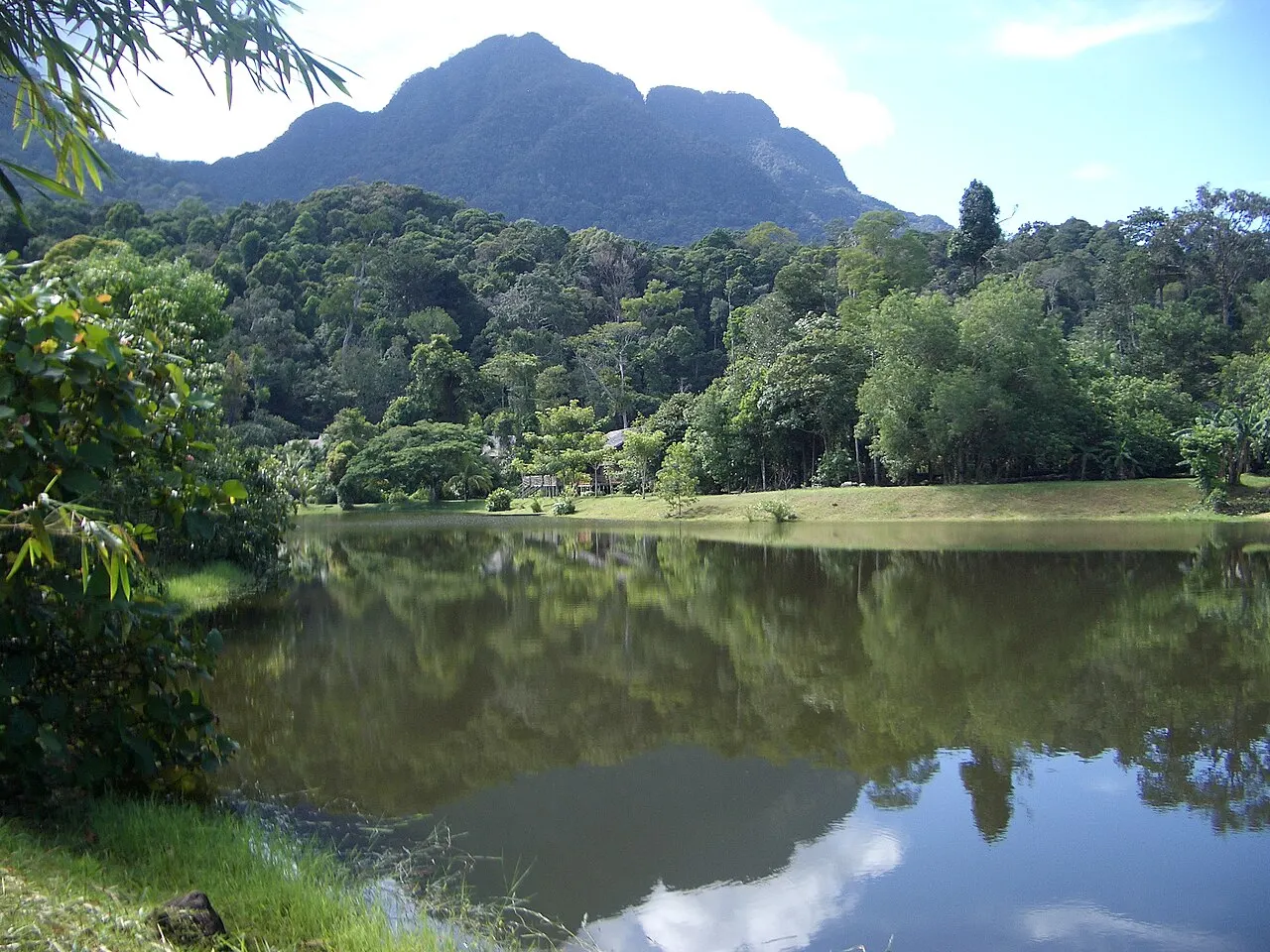
The Santubong peninsula and Damai coast introduce a seaside landscape outside Kuching. Coastal stays, mountain views and cultural interpretation share the area, but the destination is not itself a single national park. Santubong–Damai is the coastal choice near Kuching: a peninsula of villages, resort areas and the forested Santubong massif. Come for a change of pace after the city, or to spend longer around Sarawak Cultural Village. The cultural village interprets several Sarawak traditions in a visitor setting; allow time to look beyond a performance and read the displays. It is a different experience from an invitation to a living community home.

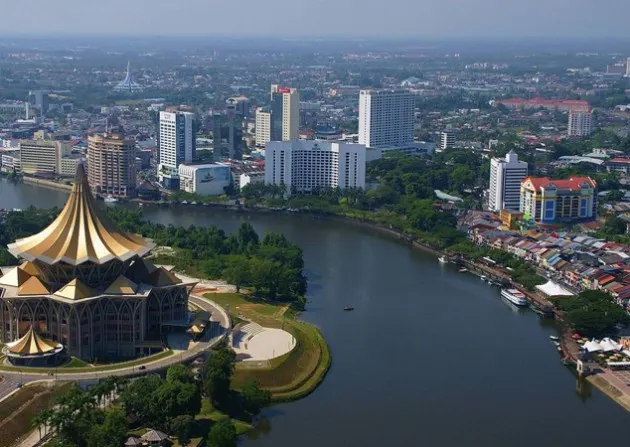
Sarawak stretches across northwestern Borneo, where river cities lead towards rainforest, limestone caves and coastal communities. Kuching, Miri and Sibu offer different starting points for exploring nature, living heritage and regional food.

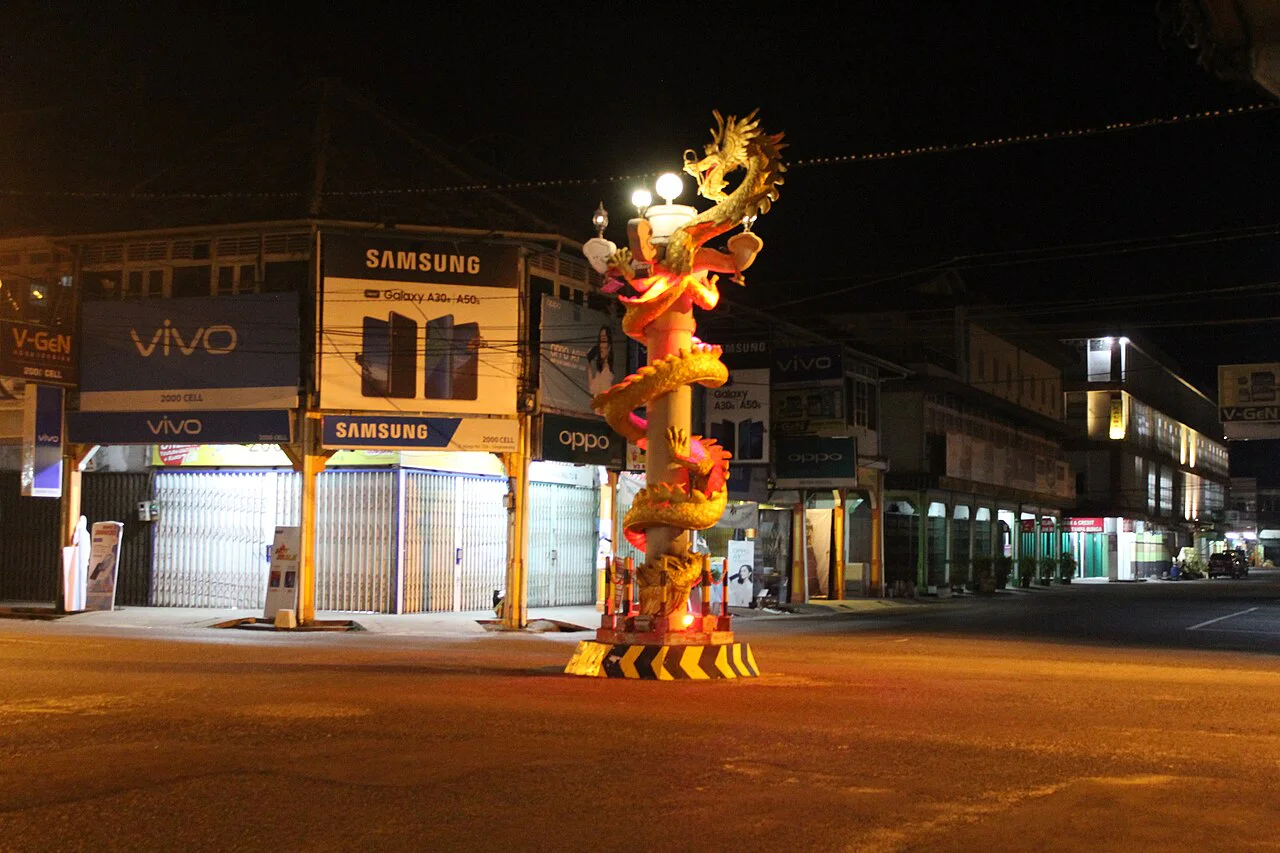
Temple streets, family houses and coffee shops give Singkawang its own rhythm. Spend two or three days exploring its living heritage, tasting choipan and heading south to the coast, with green hills never far from view.
Sangalaki is a protected island and marine area in the Derawan archipelago, where turtle habitat, coastal vegetation and shallow-water ecosystems belong to one conservation story. Understand that role first, then confirm any boat visit and permitted activities with the responsible manager.

Sebangau is a national park of peat-swamp forest in Central Kalimantan, where waterlogged organic soils, trees and river channels form a connected ecosystem. Orangutans are part of its conservation importance, but this is also a place to understand peat, forest restoration and small-scale biodiversity. Palangka Raya is a practical base for the documented Kereng Bangkirai–Camp Koran visitor route. That route combines a boat journey with a forest walk; it is one accessible part of a much larger park, not a circuit through all research areas. Arrange the trip with the responsible local tourism group and confirm conditions before departure. A day in this landscape can be worthwhile without a primate sighting.