Photograph not yet available
Nature areas
Imbak Canyon Conservation Area
SabahImbak Canyon protects forest and headwaters in Sabah’s interior. Visits use a prearranged Studies Centre programme with permission, transfers and ranger guidance.

221 discoveries
Imbak Canyon protects forest and headwaters in Sabah’s interior. Visits use a prearranged Studies Centre programme with permission, transfers and ranger guidance.
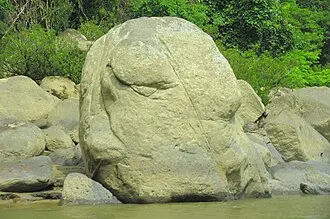
Kayan Mentarang protects extensive forested headwaters and mountain landscapes in North Kalimantan. Its ecological importance is inseparable from the customary territories and communities within the wider landscape. This is not an urban forest walk or a park that can be understood through one entrance. A visit requires a route-specific arrangement with the park and local hosts; a cultural journey in the Krayan highlands is not automatically entry to the national park. The authority provides visitor-booking and conservation-entry services, but the appropriate procedure depends on the purpose and location. Until those arrangements are confirmed, treat this page as conservation and expedition-planning context rather than a ready-to-book itinerary.
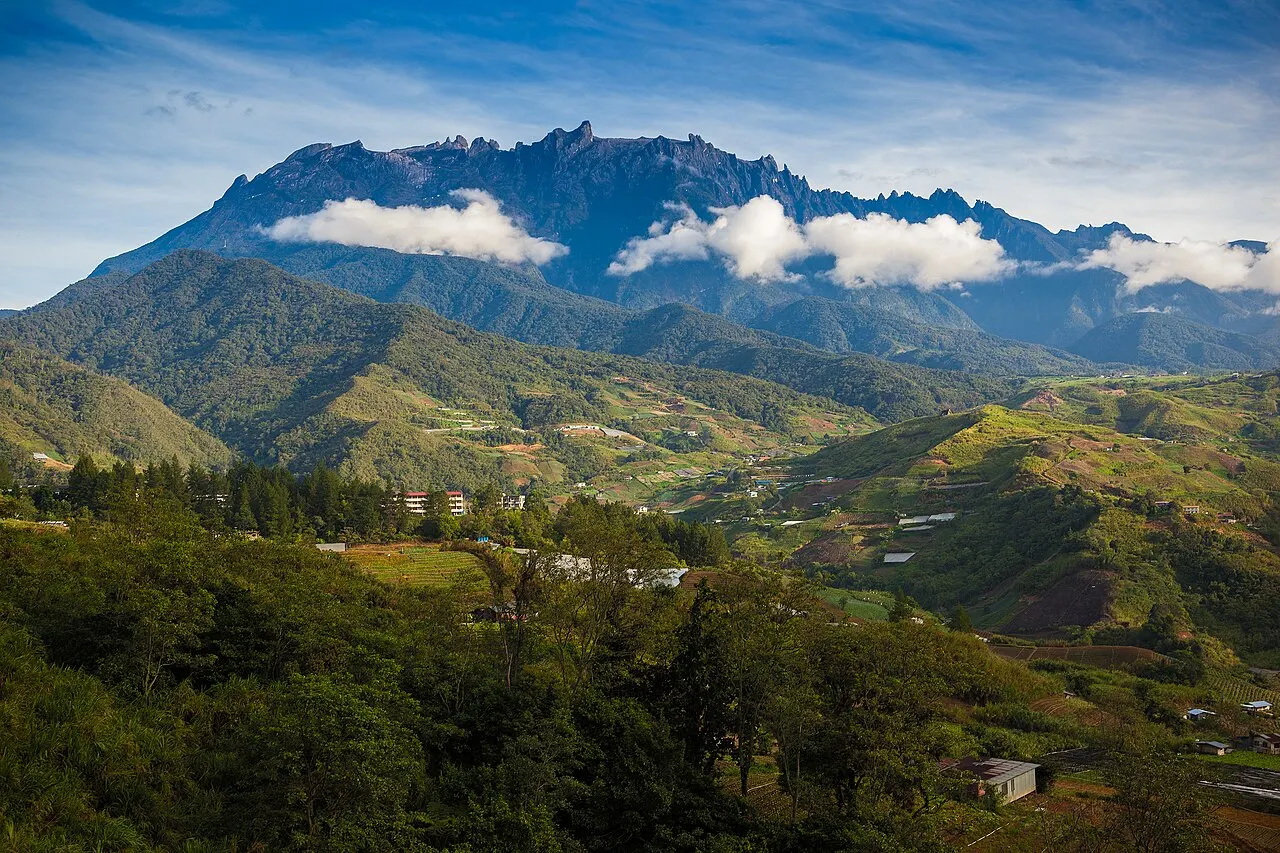
Kinabalu Park protects a striking vertical slice of northern Borneo: tropical forest on the lower slopes, cool mountain woodland and the exposed granite heights of Mount Kinabalu. In Sabah’s west-coast interior, this UNESCO World Heritage property rewards visitors who never attempt its summit. A botanical garden, forest paths and interpretation around park headquarters offer a gentler introduction to the mountain’s exceptional plant life. The important planning decision is which visit you want. A day among the headquarters trails, a separate outing to the warmer Poring sector and a booked mountain ascent are different experiences with different logistics. Kota Kinabalu is the main regional gateway; Kundasang and the park-headquarters area bring you closer to the forest. Choose your base and activity before arranging transport, and treat the entire protected mountain as much larger than the familiar climbing route.
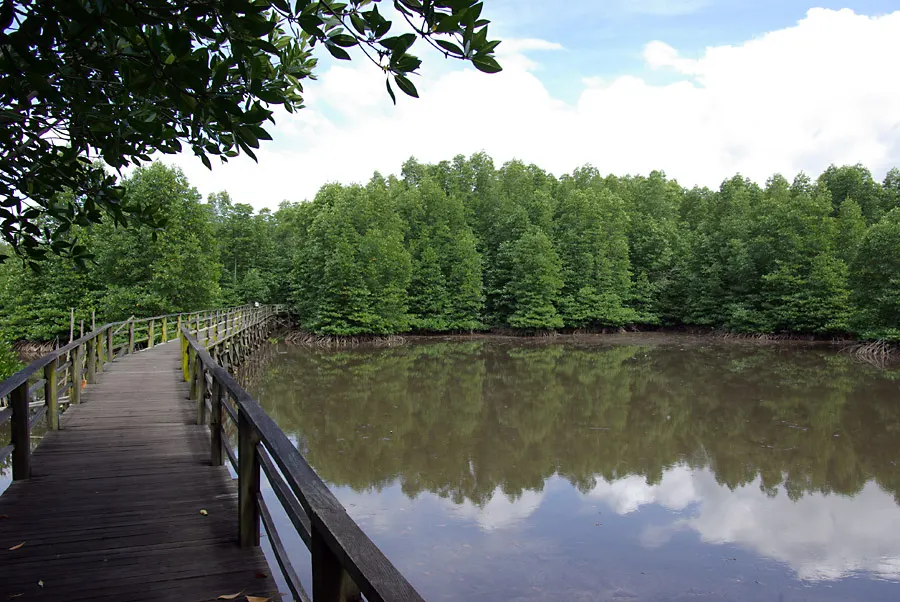
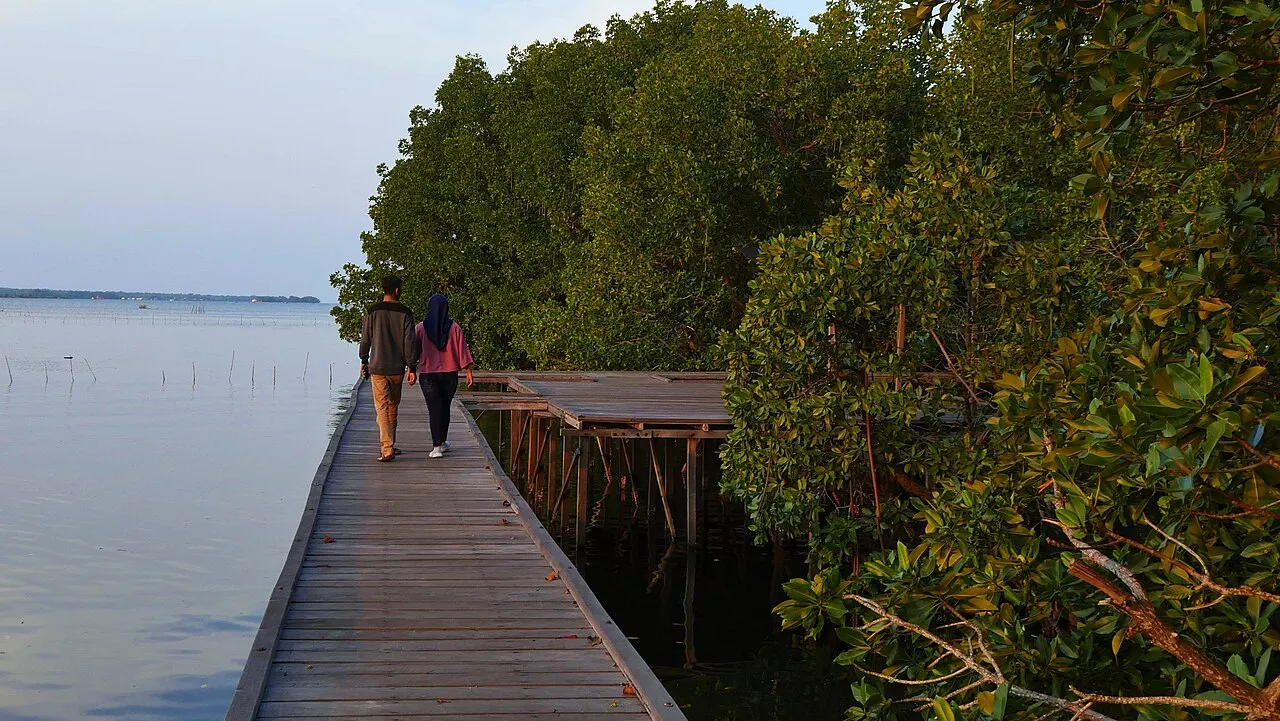
A 24-hectare urban mangrove wetland in Kota Kinabalu, with boardwalks, birdwatching and conservation education managed by Sabah Wetlands Conservation Society.
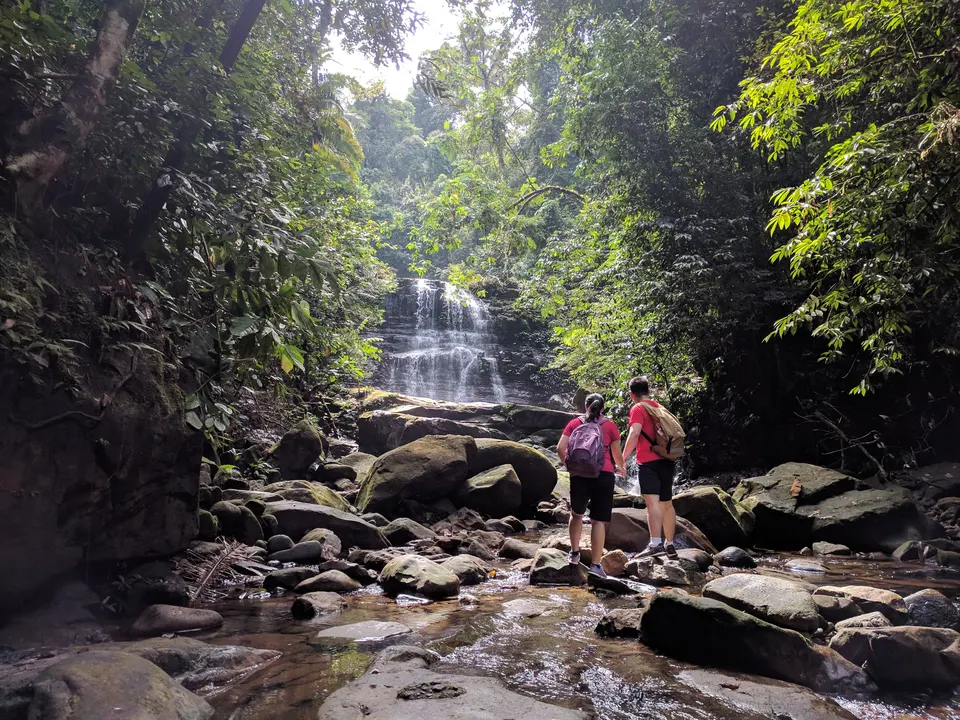
Explore Kubah’s palms, forest trails and amphibian habitats near Kuching. Plan a daytime visit and check individual trails and any night programme with the park.
Kutai National Park protects a mosaic of lowland rainforest, swamp, heath and coastal habitats in East Kalimantan. Orangutans and large ironwood trees are important parts of its identity, but neither represents every corner of the park. Visitors need to choose a named visitor sector: a river approach to Prevab is different from a forest walk at Sangkima. The park is not one attraction reached from a single central marker. Current park information describes guided facilities at Prevab, while route conditions and entry arrangements still need confirmation for your dates. Use nearby local access towns for the final approach rather than treating a hotel in Balikpapan or Samarinda as accommodation inside the forest.
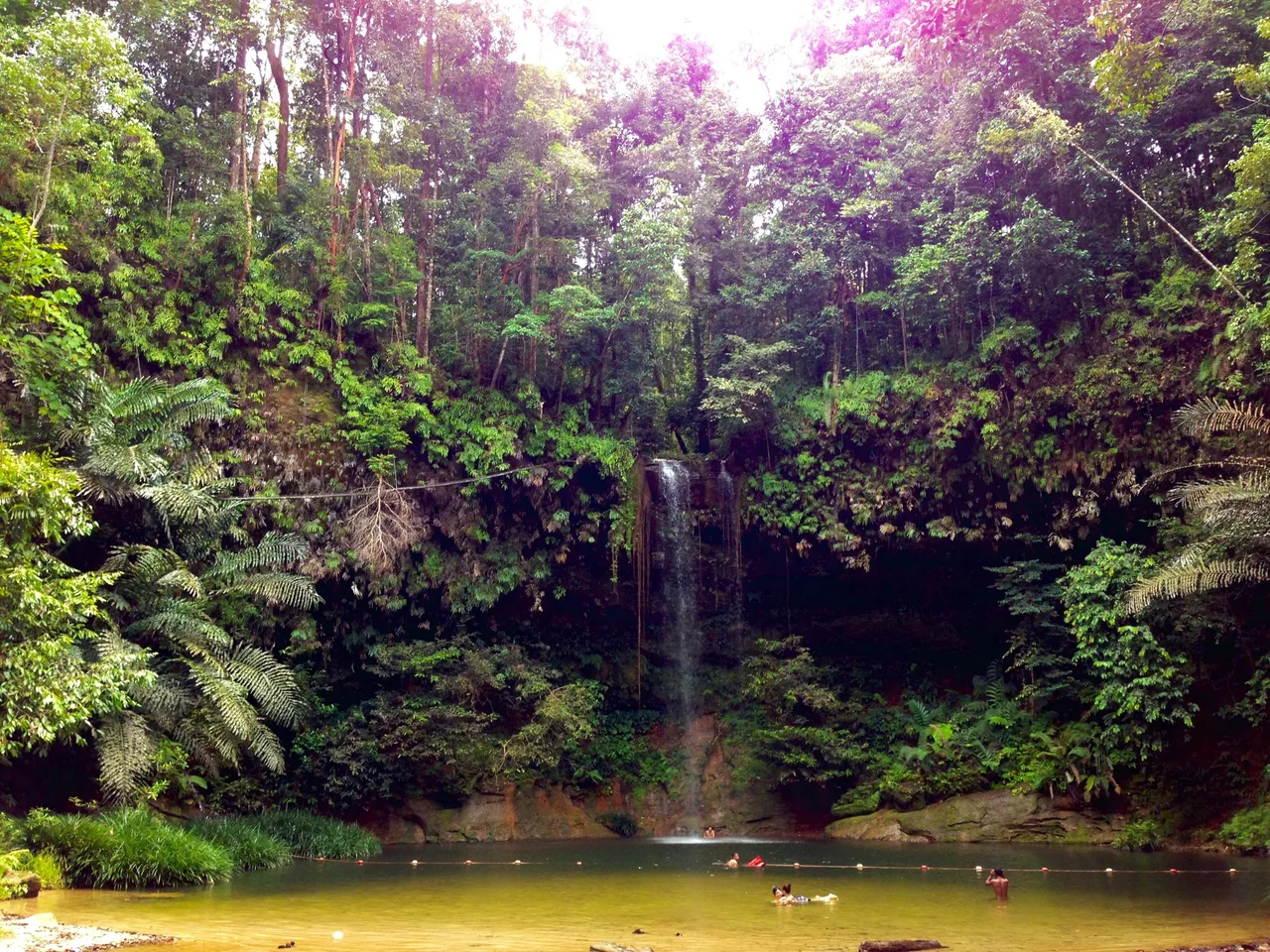
Lambir Hills National Park brings a richly varied lowland forest within reach of Miri. Waterfall walks provide a visitor route into the landscape, while long-term tree research reveals why this relatively compact forest matters far beyond its trails.
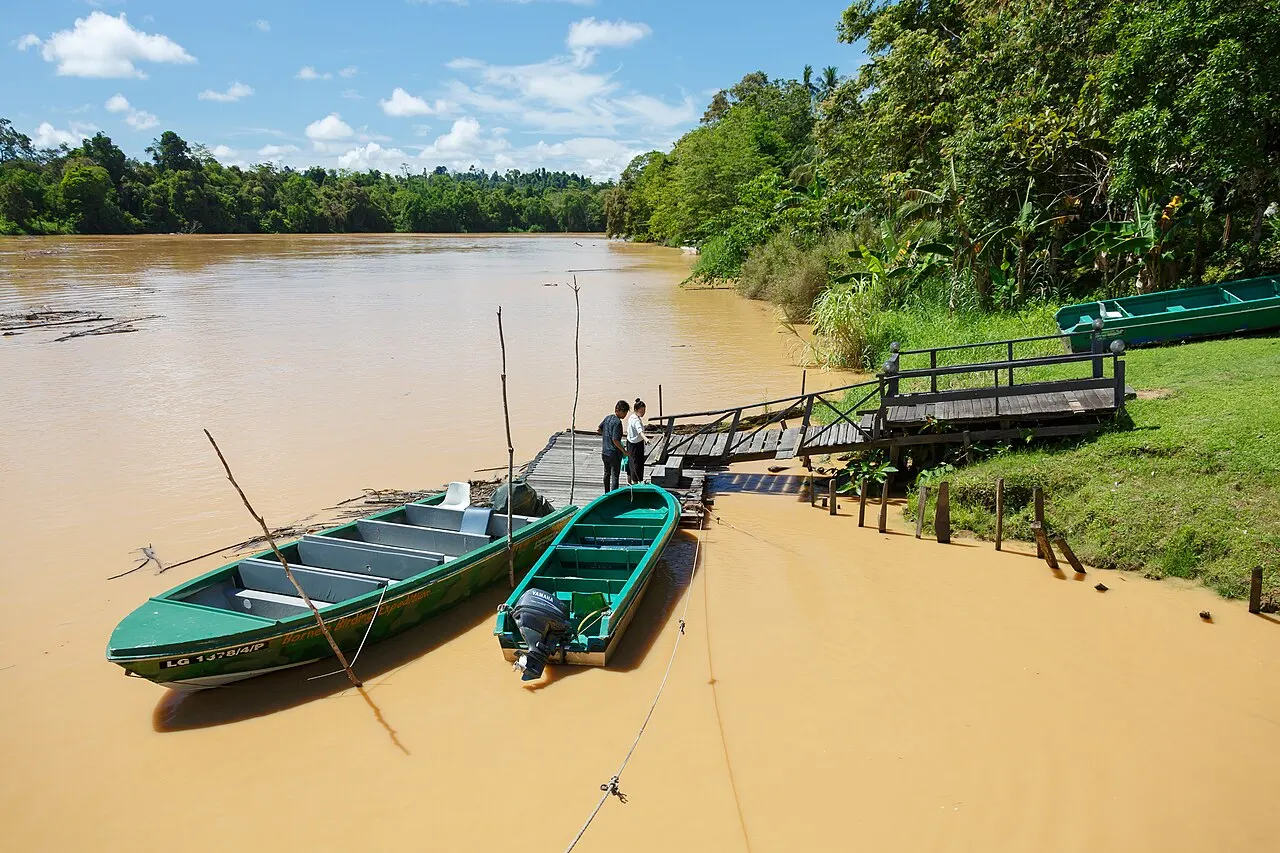
The Lower Kinabatangan Wildlife Sanctuary protects parts of the forested floodplain along eastern Sabah’s best-known wildlife river. Here the visitor experience is shaped by water: boats follow forest edges, tributaries and river bends while guides look for movement in the canopy and along the banks. Proboscis monkeys are strongly associated with the landscape; orangutans, elephants and many birds also occur, without any sighting being guaranteed. This is not one enclosed park with a single entrance. Lodges and village bases around Sukau, Bilit and Abai serve different stretches of the river, usually with transfers arranged through Sandakan. Choose the base and programme together rather than booking a boat trip against a generic map pin. Two nights give useful space for both morning and evening outings. The sanctuary is also part of a lived-in landscape where river communities, agriculture and wildlife conservation meet.
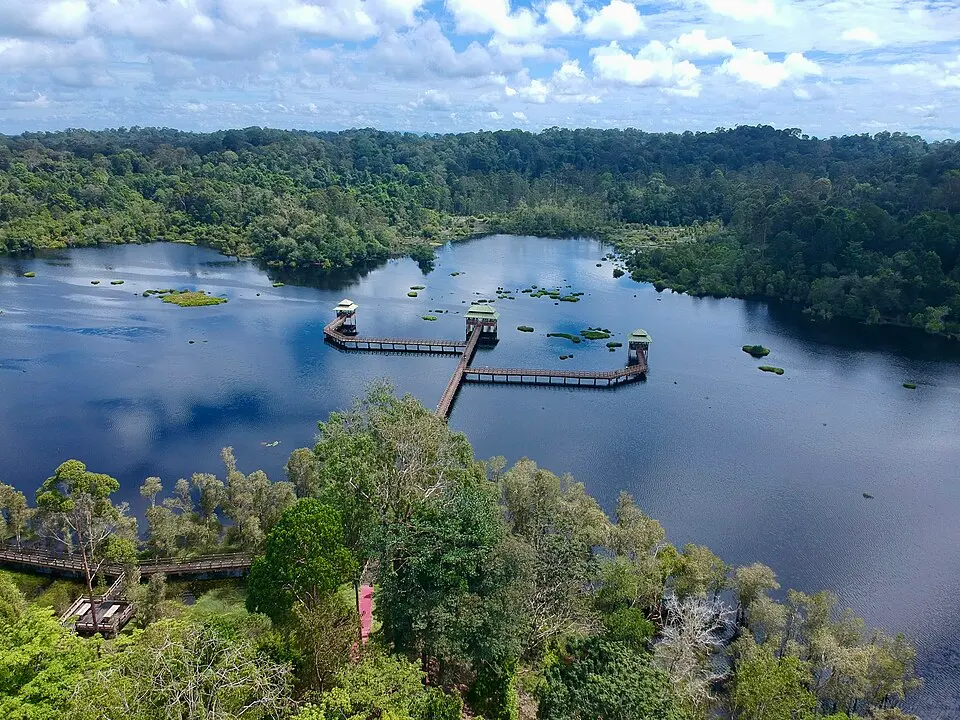
Explore Luagan Lalak’s seasonal freshwater wetland in Belait. Plan a daytime visit to open paths and viewpoints, with road transport arranged in advance.
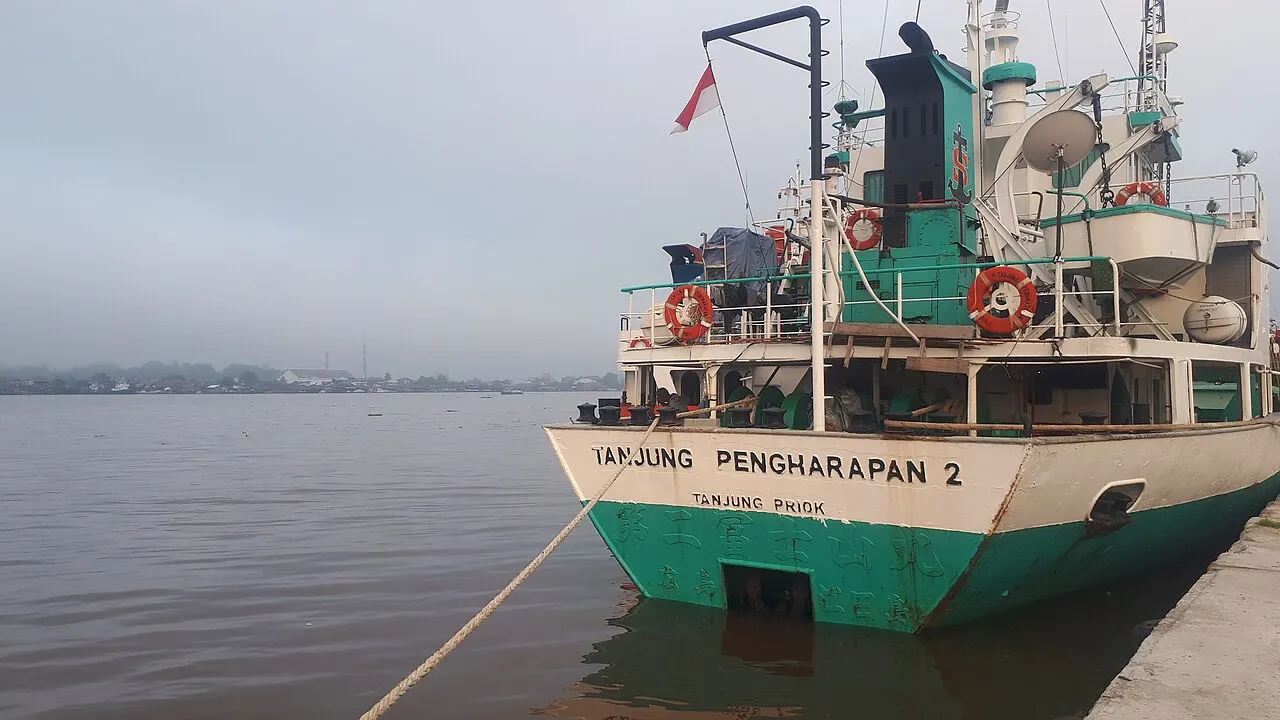
The Mahakam is a working river landscape in East Kalimantan, connecting urban waterfronts, settlements and inland wetlands. It is not one protected area or a single wildlife cruise. Samarinda and Tenggarong reveal its transport and cultural roles, while inland journeys require a more specific route and local host. The river is also important for the threatened Mahakam population of Irrawaddy dolphins, but that does not make an urban boat trip a dolphin-viewing trip. Choose between a city river experience and a longer community or conservation journey before deciding where to stay. There is no single Mahakam entrance, park ticket or visit duration.
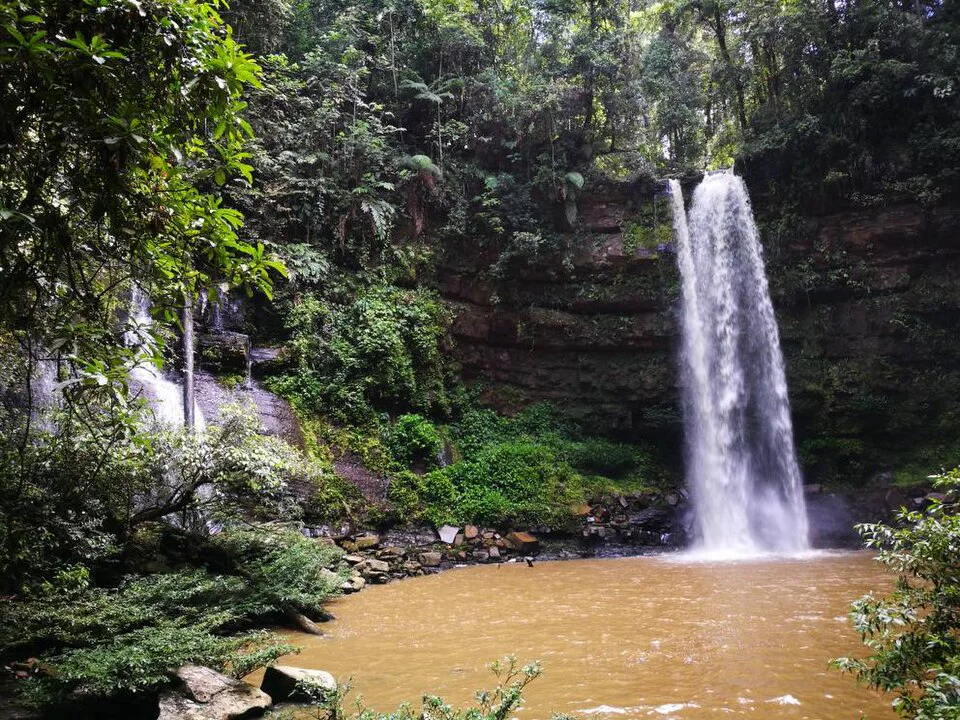
Maliau Basin is a protected rainforest catchment in south-central Sabah. A stay around its Studies Centre and a multiday trek into the basin are different journeys, both requiring advance arrangements rather than a spontaneous arrival at a forest gate.
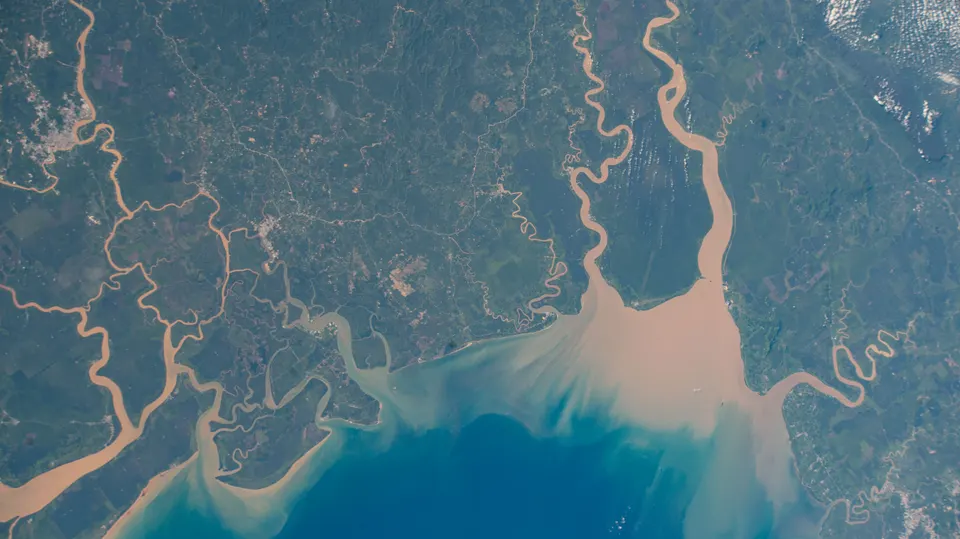
Understand Maludam’s protected peat-swamp forest, river and primates. This conservation guide does not present an unconfirmed boat trip as a ready-to-book visit.
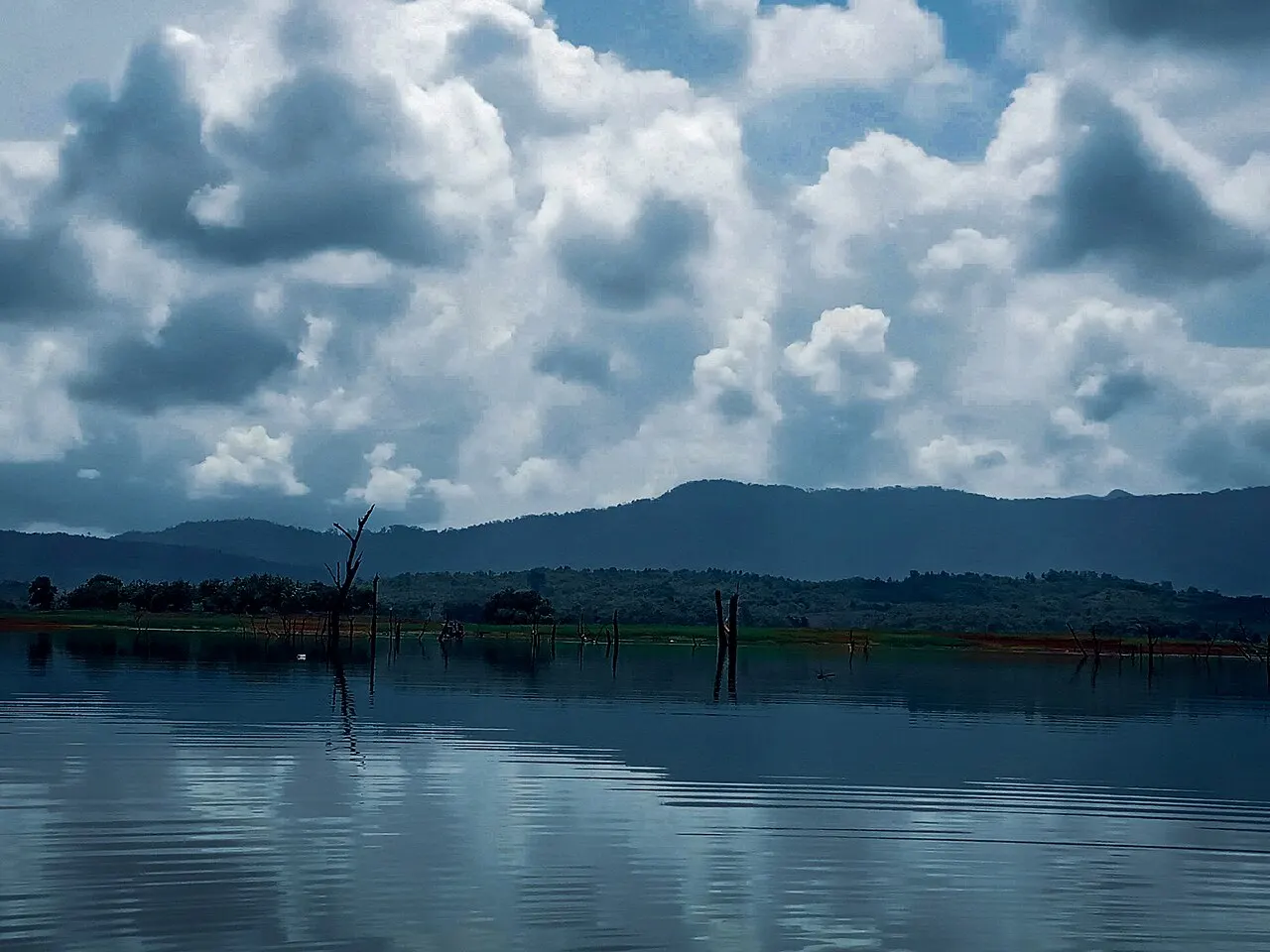
The Meratus Mountains form a landscape of hills, river valleys and inhabited territories in South Kalimantan. Geology is central to their identity: the wider Meratus UNESCO Global Geopark received recognition in 2025, linking earth heritage with education and local livelihoods. That designation does not turn the entire mountain range into one national park. For visitors, a named local base such as Loksado is more useful than a pin in the mountains. Guided walking and river landscapes can introduce one part of Meratus, while other geosites require separate journeys. Start with a chosen route and community host, not a promise to see the whole geopark in one outing.
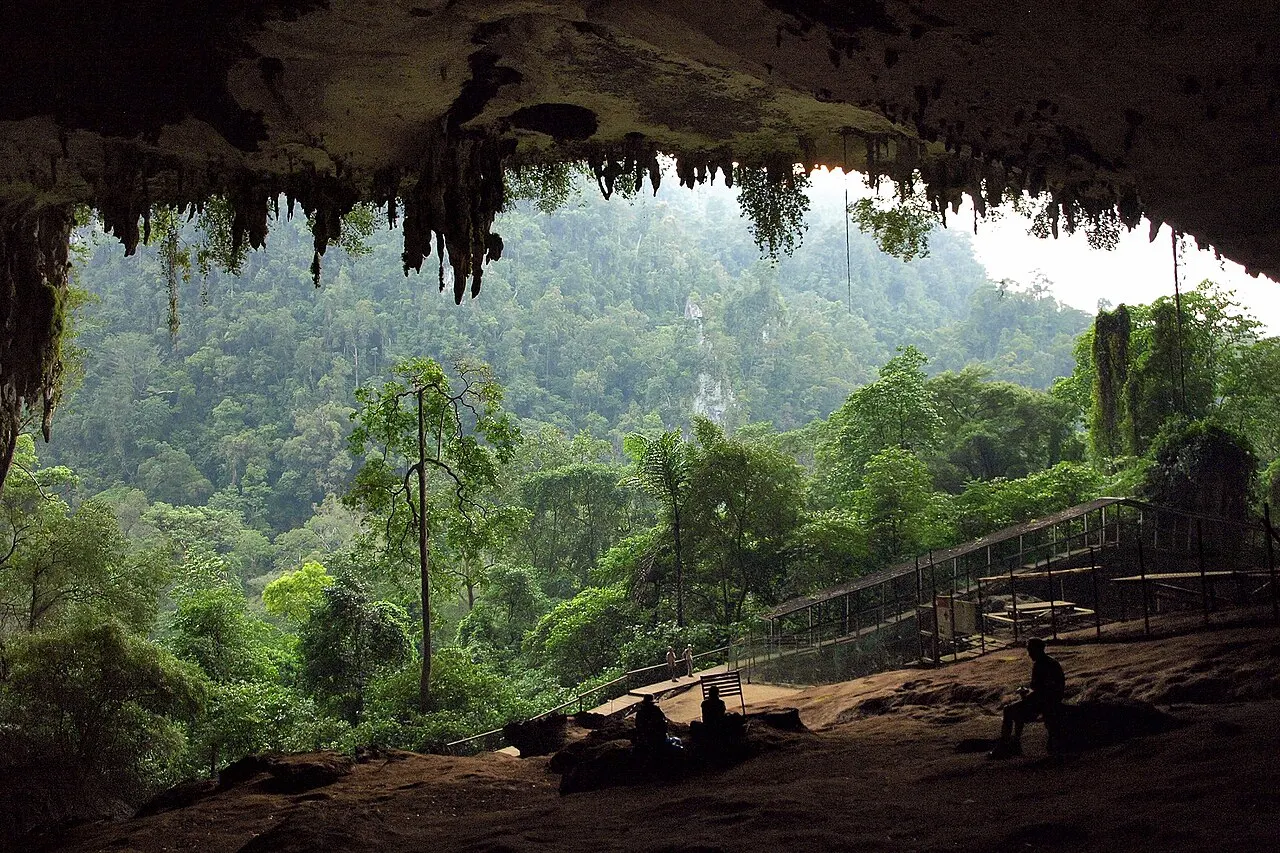
Niah National Park combines lowland rainforest, limestone caves and an exceptional record of people living with the tropical forest. It lies in northern Sarawak, with Miri serving as a useful travel base. The experience is more than looking into a large cave mouth: the approach through forest, darker passages and archaeological interpretation each need time. The caves complex received a cultural World Heritage inscription in 2024, distinct from the national park's protected-area boundary. For visitors, the practical starting point is the park headquarters and its current river-crossing arrangement, followed by the forest walkway. Plan a full day from Miri or consider confirmed local accommodation for a slower visit. Bring a reliable torch, take wet walking surfaces seriously and treat archaeological areas as protected heritage rather than places for unrestricted exploration.
Discover Piasau’s short forest walks, urban restoration and hornbill conservation in Miri. Check current trail and visitor-centre access with Sarawak Forestry.
Pulau Kaget is a wildlife sanctuary in South Kalimantan, important as documented proboscis monkey habitat. Its role in this guide is conservation context, not a ready-made island excursion. The conservation authority uses the designation Suaka Margasatwa and has reviewed the area's ecological function. Those facts establish a protected landscape and management concern; they do not establish a public landing, opening hours or a tourist boat service. Banjarmasin provides regional orientation, but a boat trip from the city should not be assumed to include lawful access. Read this page to understand the sanctuary and its limits, and obtain specific authority advice before considering any visit.
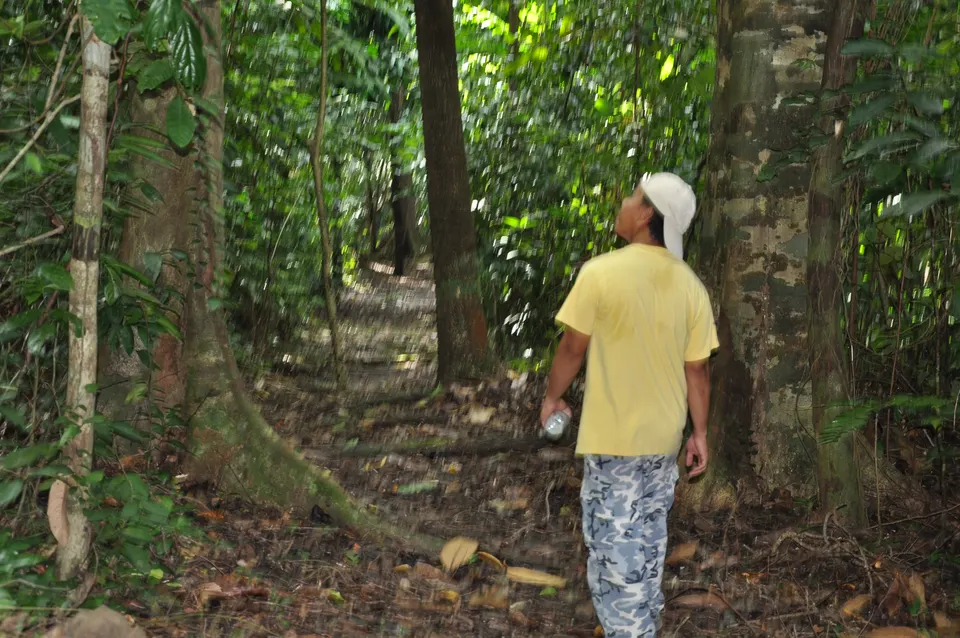
Pulau Tiga protects islands, forest and reefs off Sabah’s west coast. Arrange a return boat before exploring its trails and mud-volcano landscape.
Sangalaki is a protected island and marine area in the Derawan archipelago, where turtle habitat, coastal vegetation and shallow-water ecosystems belong to one conservation story. Understand that role first, then confirm any boat visit and permitted activities with the responsible manager.
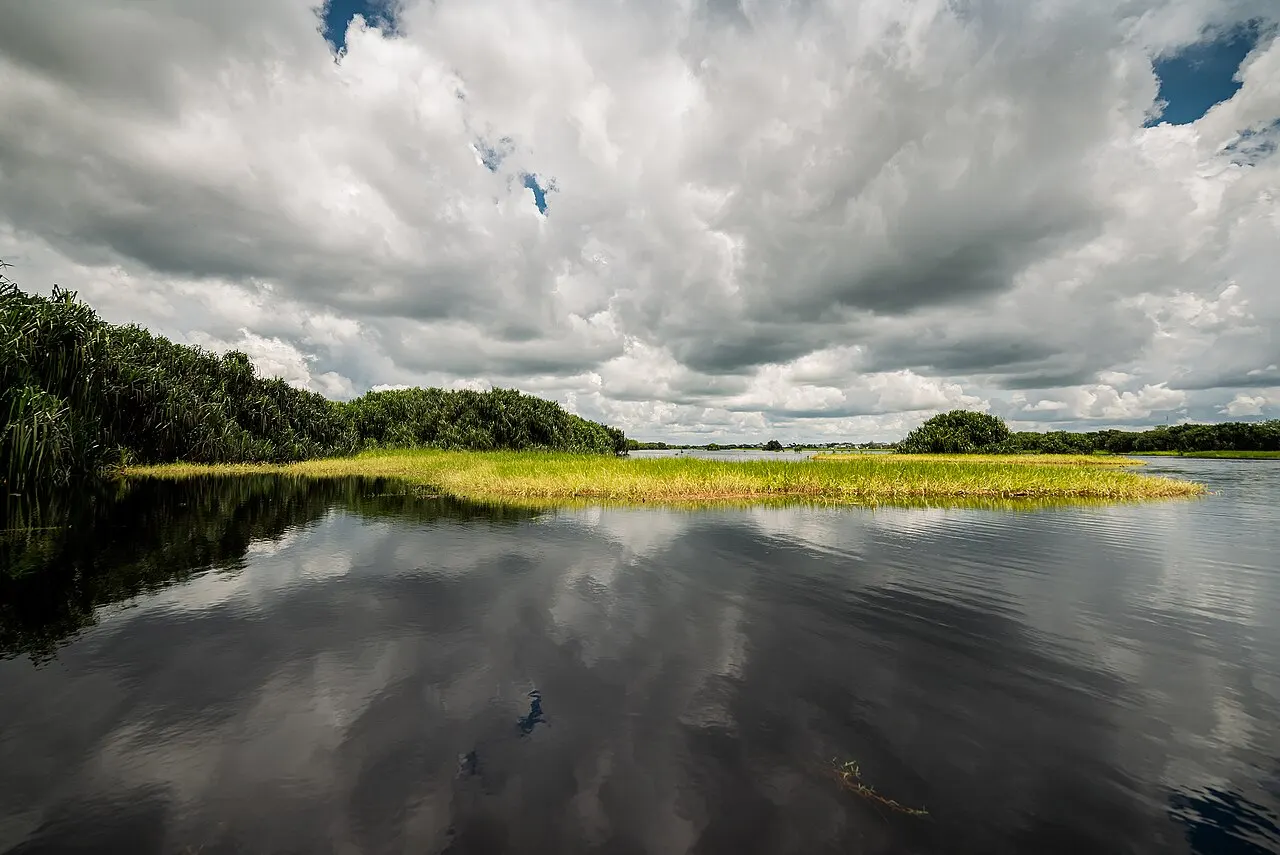
Sebangau is a national park of peat-swamp forest in Central Kalimantan, where waterlogged organic soils, trees and river channels form a connected ecosystem. Orangutans are part of its conservation importance, but this is also a place to understand peat, forest restoration and small-scale biodiversity. Palangka Raya is a practical base for the documented Kereng Bangkirai–Camp Koran visitor route. That route combines a boat journey with a forest walk; it is one accessible part of a much larger park, not a circuit through all research areas. Arrange the trip with the responsible local tourism group and confirm conditions before departure. A day in this landscape can be worthwhile without a primate sighting.
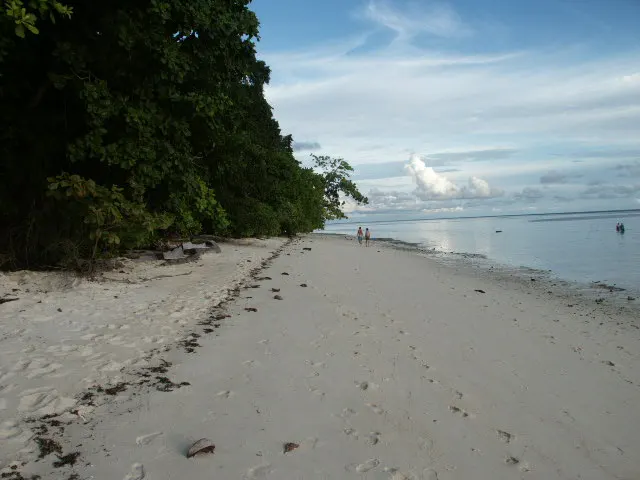
Sipadan Island Park protects an oceanic island and its surrounding reefs off the southeastern coast of Sabah. Its small land area gives little sense of the underwater landscape: reef edges fall towards deep water, while coral communities support turtles, reef fish and larger marine animals. For most visitors the meaningful experience is a carefully organised day on the water, especially diving, rather than an island holiday spent sleeping on Sipadan itself. Overnight tourist accommodation on the island has been closed; visitors stay in Semporna or at another confirmed island base and travel with an authorised operator. Access requires planning around park permission, the activity offered and sea conditions. A booking described as a Semporna island trip does not automatically include Sipadan. Confirm the actual park day before building the rest of your coastal itinerary around it.
Sungai Ingei is a conservation and research forest in southern Ulu Belait, in Brunei’s interior. Its value lies in the forest landscape and the knowledge gathered there, rather than in a documented circuit of visitor attractions. River catchments connect the area to wider forest conservation planning, and university work continues to investigate its biodiversity. This is a place to understand through habitat protection, field research and landscape connections. A research expedition is not evidence that travellers can book the same route, use its facilities or enter independently. Public visitor arrangements remain insufficiently documented here. Read this page as ecological context for Belait, not as directions to a trailhead: no entrance pin, overnight base or recommended touring duration is supplied without a reliable basis.
Sungai Wain protects forest and a vital water catchment close to Balikpapan. Its strongest story connects wildlife research, recovering woodland and the needs of a growing city; any forest visit requires separate confirmation with the management.
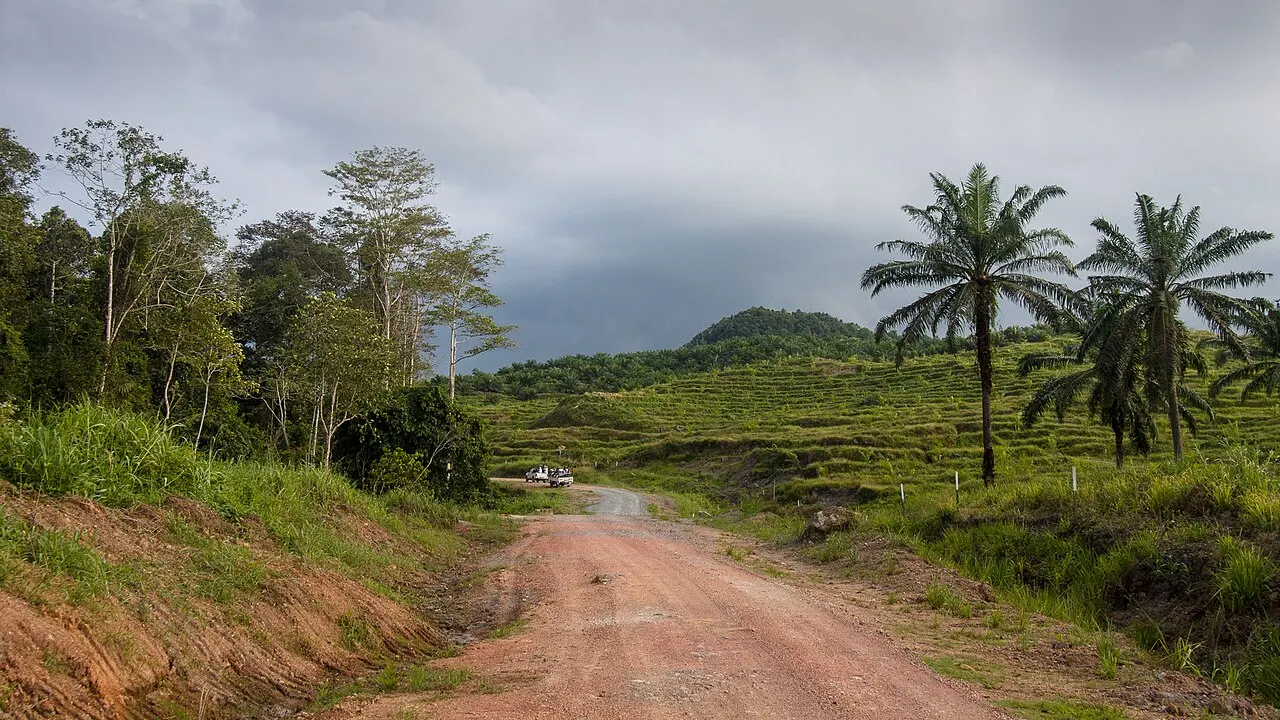
Tabin Wildlife Reserve is a protected lowland forest landscape near Lahad Datu in eastern Sabah, known for guided wildlife visits and its mineral-rich mud volcano. The mud is interesting because animals use the exposed mineral resource, not because it guarantees a gathering whenever a tour arrives. Forest walks, birdwatching and evening outings form the visitor experience, normally through an arranged stay at Tabin Wildlife Resort. The resort is a visitor facility within the wider reserve; its programme does not represent unrestricted access to every part of the protected forest. Plan the visit around a confirmed transfer from Lahad Datu and enough time for different observation periods. Two nights are a useful starting point, while a shorter visit offers fewer chances to explore. Tabin suits travellers who enjoy reading tracks, listening and waiting as much as seeing a large animal.
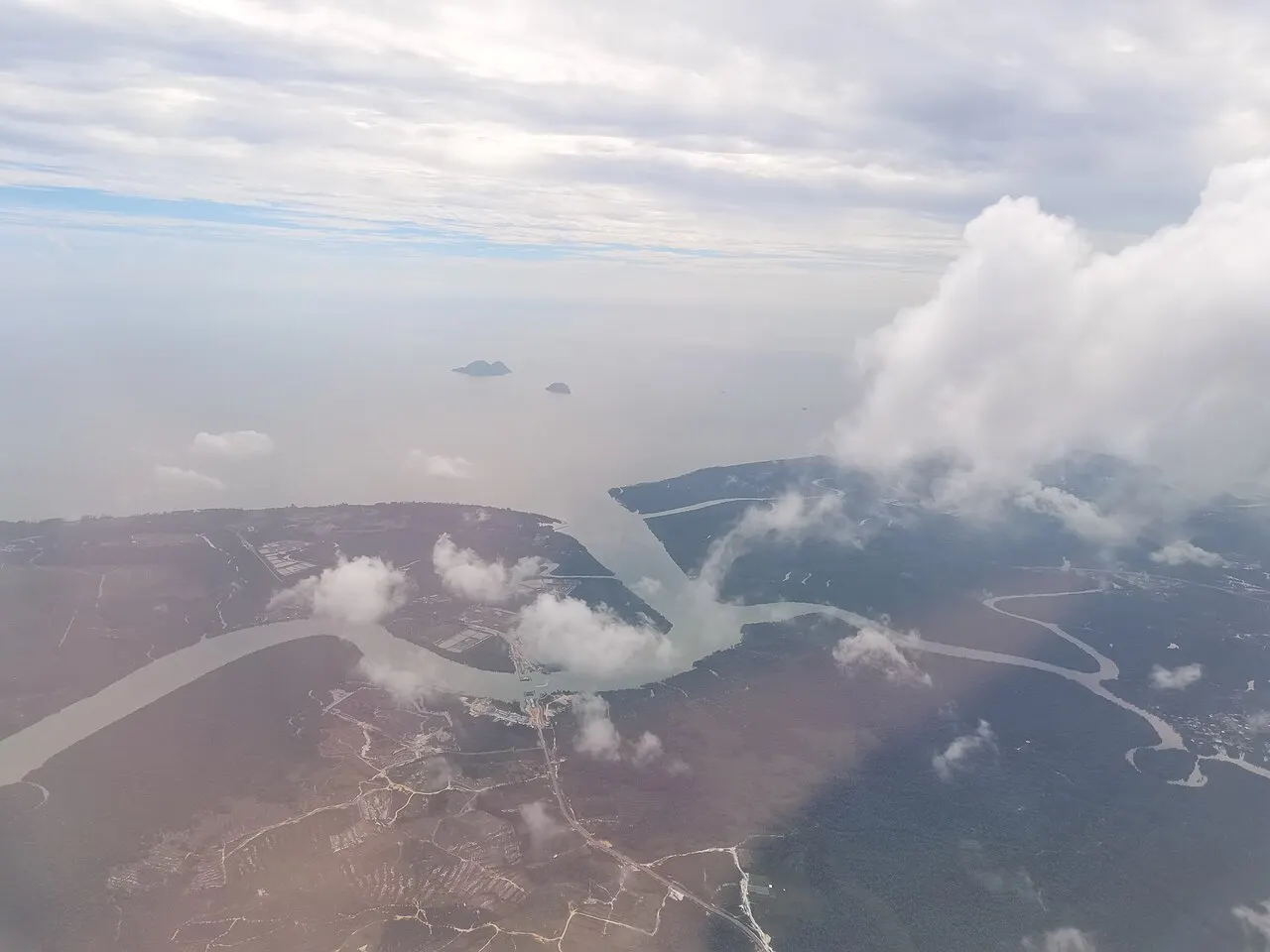
Talang-Satang National Park protects turtle nesting islands and surrounding marine habitats off western Sarawak. It is a conservation area with a limited visitor component, not a group of freely accessible holiday islands. The distinction between islands is essential: Sarawak Forestry allows ordinary day visits to the designated part of Pulau Satang Besar, while the Talang islands and other sensitive sites have separate restrictions. A visit can introduce the relationship between nesting beaches, coral communities and the wider sea, but it should not be sold as a guaranteed turtle encounter. Arrange the boat and permission context in advance, remain with the wardens where required and accept that marine conditions may change the programme. Mainland accommodation is the appropriate default for a normal day visit; specialist conservation participation is a different arrangement, not a way around visitor restrictions.
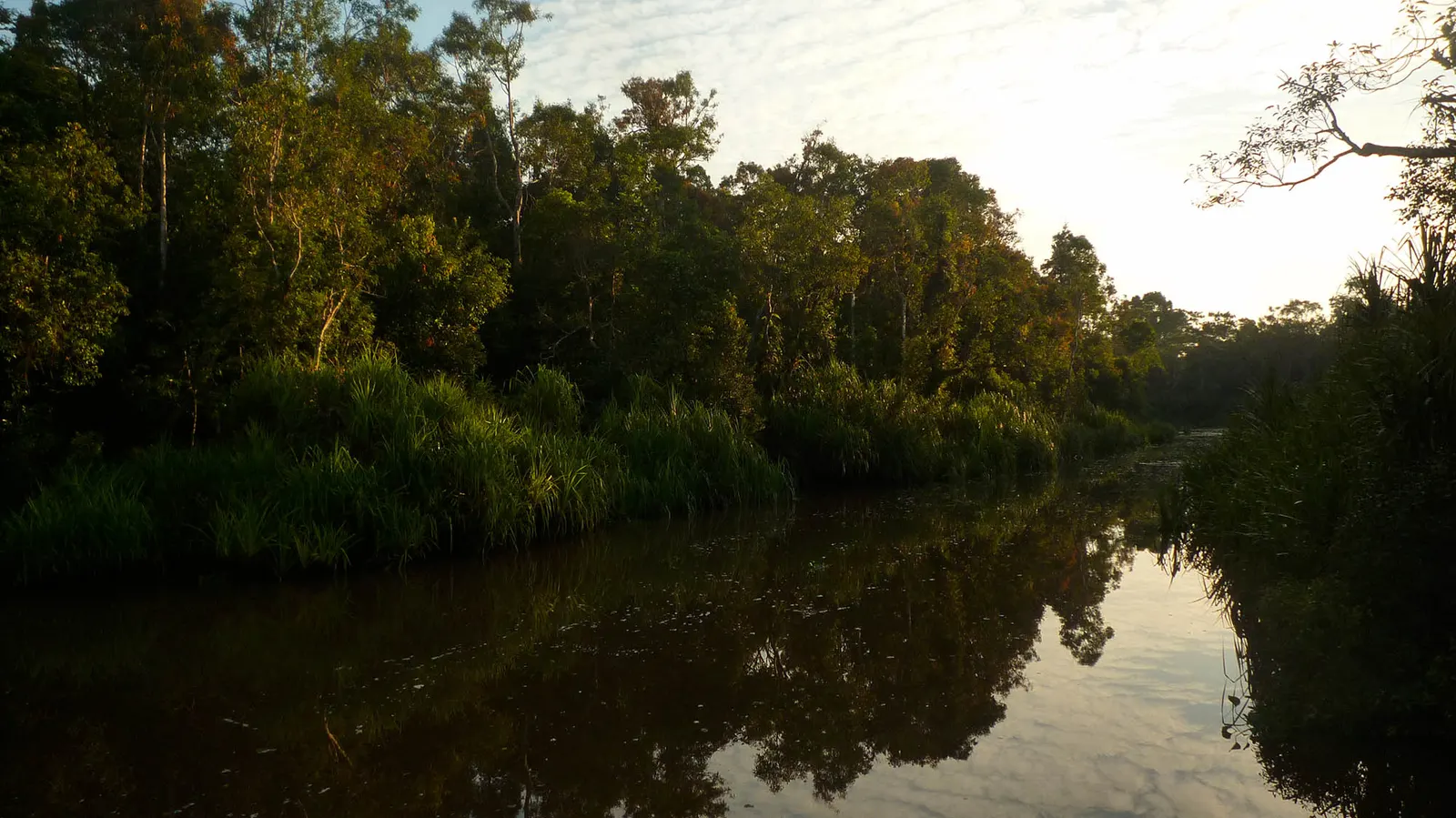
Tanjung Puting is a national park in western Central Kalimantan, where rivers lead into a mosaic of lowland, swamp, heath and coastal forest. Orangutan conservation is its best-known story, but the landscape also supports proboscis monkeys and distinctive wetland vegetation. Visitors normally plan through Pangkalan Bun and Kumai, then travel by boat along an agreed route. The park is larger than its familiar visitor corridor: a booking for particular sites does not open every research or rehabilitation facility. Choose the visit length, boat and overnight arrangement together, and confirm park reservations before departure. This is a guided river-and-forest experience, not a guarantee of close wildlife encounters.
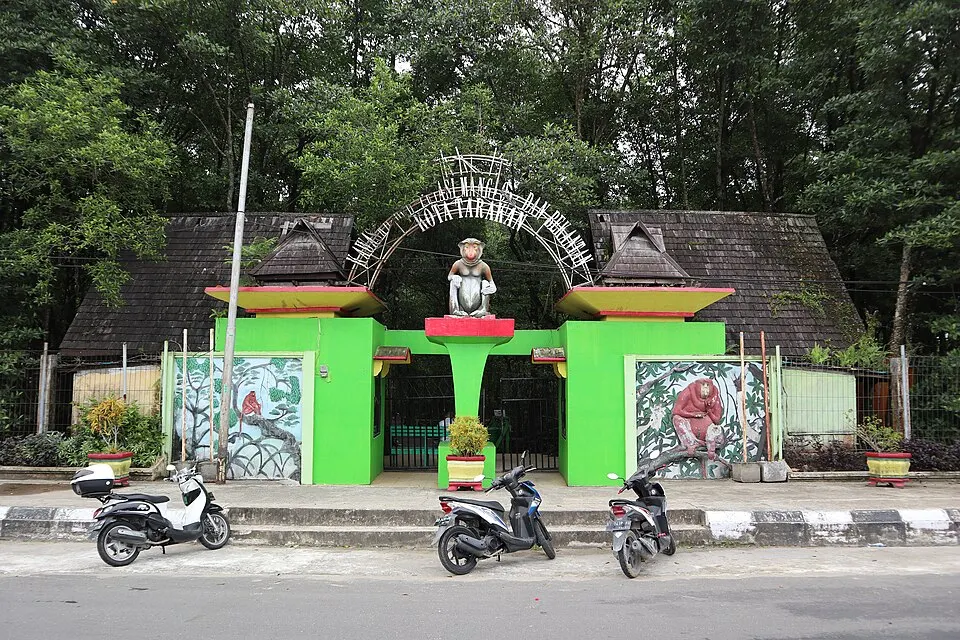
Tarakan's Mangrove and Proboscis Monkey Conservation Area, usually shortened to KKMB, brings coastal forest conservation into an urban setting in North Kalimantan. Its value is the close relationship between tidal habitat, city life and the bekantan, or proboscis monkey. This is a local conservation and education area, not a national park or a substitute for a remote forest expedition. A short walk can focus on roots, water and animal behaviour as much as on photographs. Tarakan is the practical base, but current opening and boardwalk conditions should be checked locally. A documented ministerial visit establishes conservation activity here; it does not supply a permanent opening schedule or guarantee wildlife sightings.
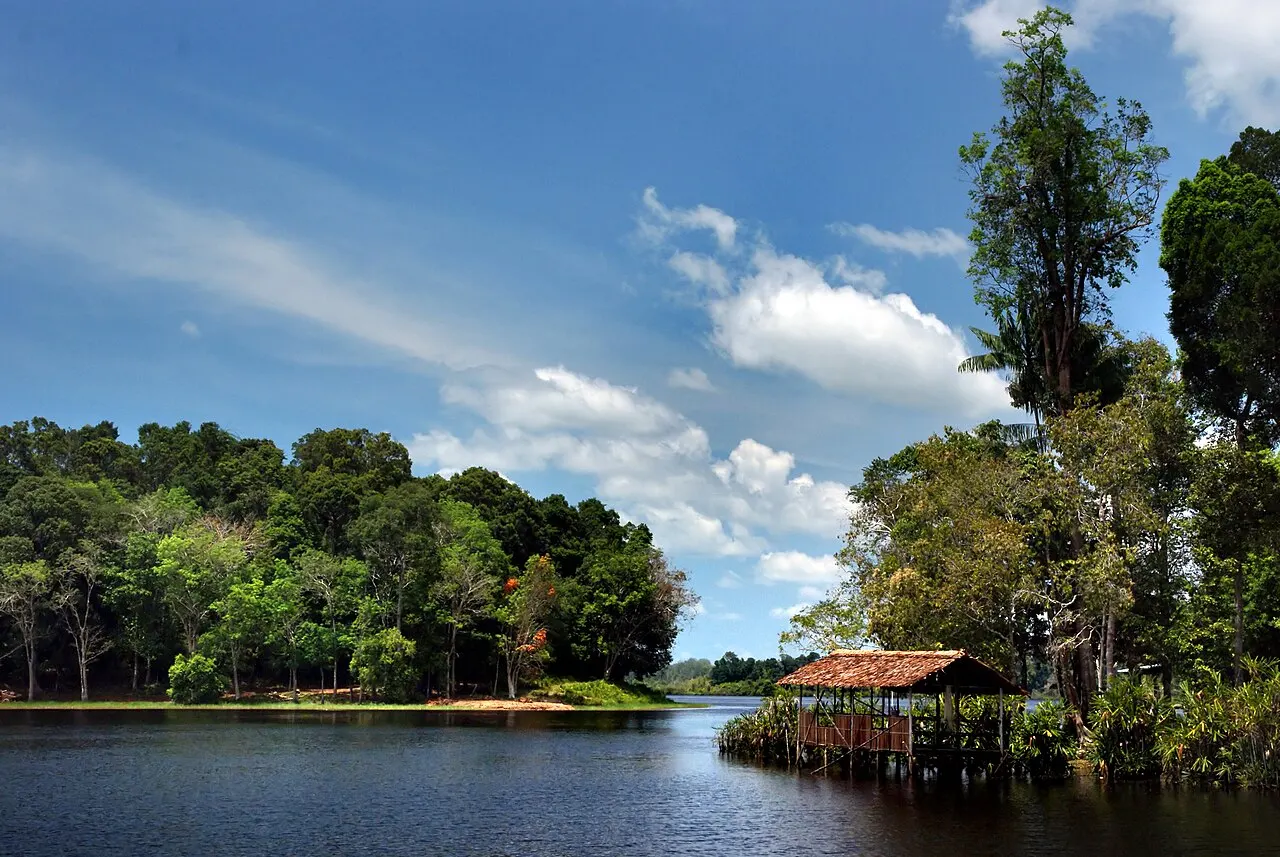
Tasek Merimbun is a blackwater lake and surrounding wetland forest in Brunei’s Tutong district. The lake, forest margins and Dusun heritage make it a different nature experience from a summit climb or an offshore excursion. Its ASEAN Heritage Park recognition concerns conservation and cultural value, not UNESCO World Heritage status. For visitors, the useful focus is the accessible lakeside and interpretation area, with walks or other activities depending on what is operating when you arrive. Do not assume that every path, boat service or facility described in an older park account is available today. Plan the road journey and return together, then confirm the sections open to visitors. A quiet lakeside visit can make sense even without a boat trip; wildlife records describe the broader habitat and are not a checklist of animals you should expect to see beside the boardwalk.
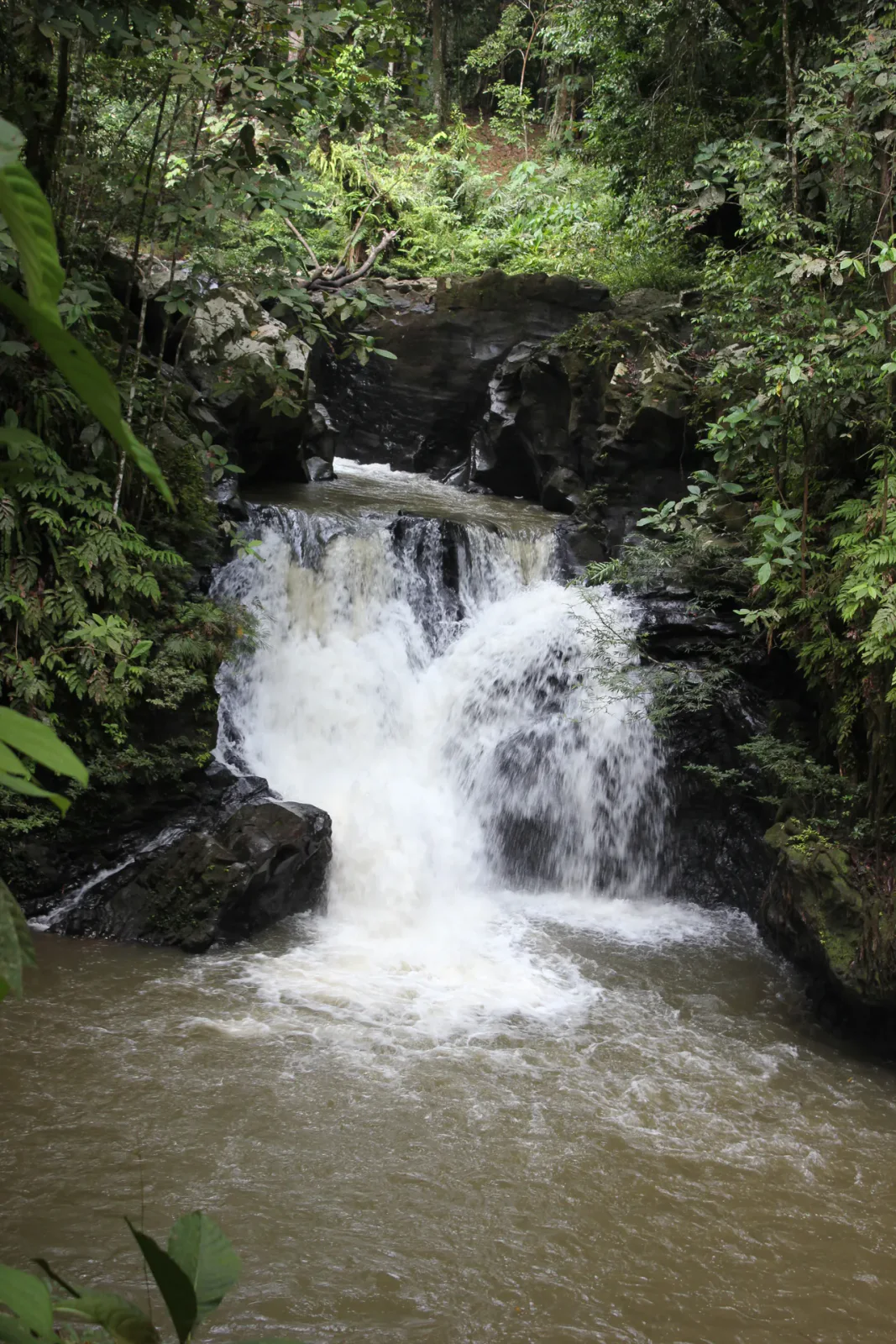
Tawau Hills Park protects rainforest and water catchments inland from Tawau. A headquarters-based visit offers forest walks and botanical interest, while mountain routes require separate planning and permission.
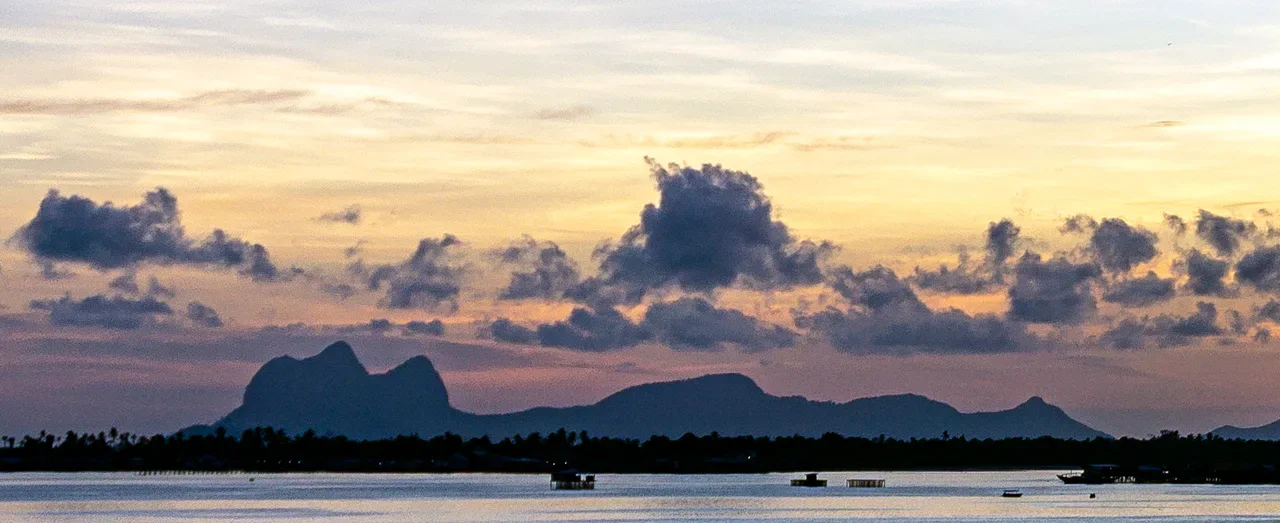
Tun Sakaran Marine Park protects islands, reefs and a volcanic seascape off Semporna. Visit through a confirmed boat programme, keeping reef activities, the Bohey Dulang trail and community privacy distinct.
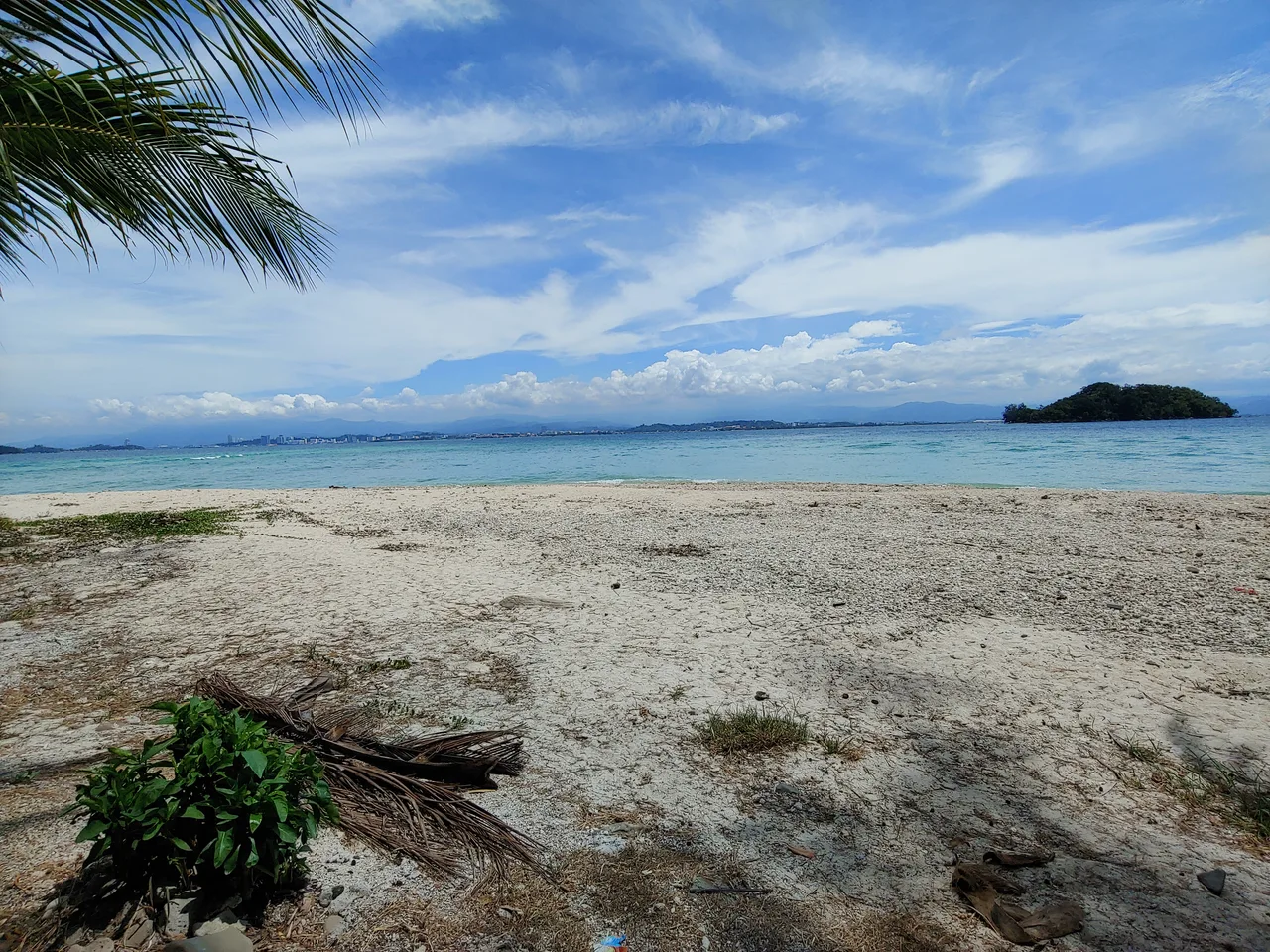
Five islands and their surrounding reefs form Tunku Abdul Rahman Park just offshore from Kota Kinabalu. It is a practical marine-park excursion from a city base, provided boat arrangements, shore time and sea conditions shape the plan.
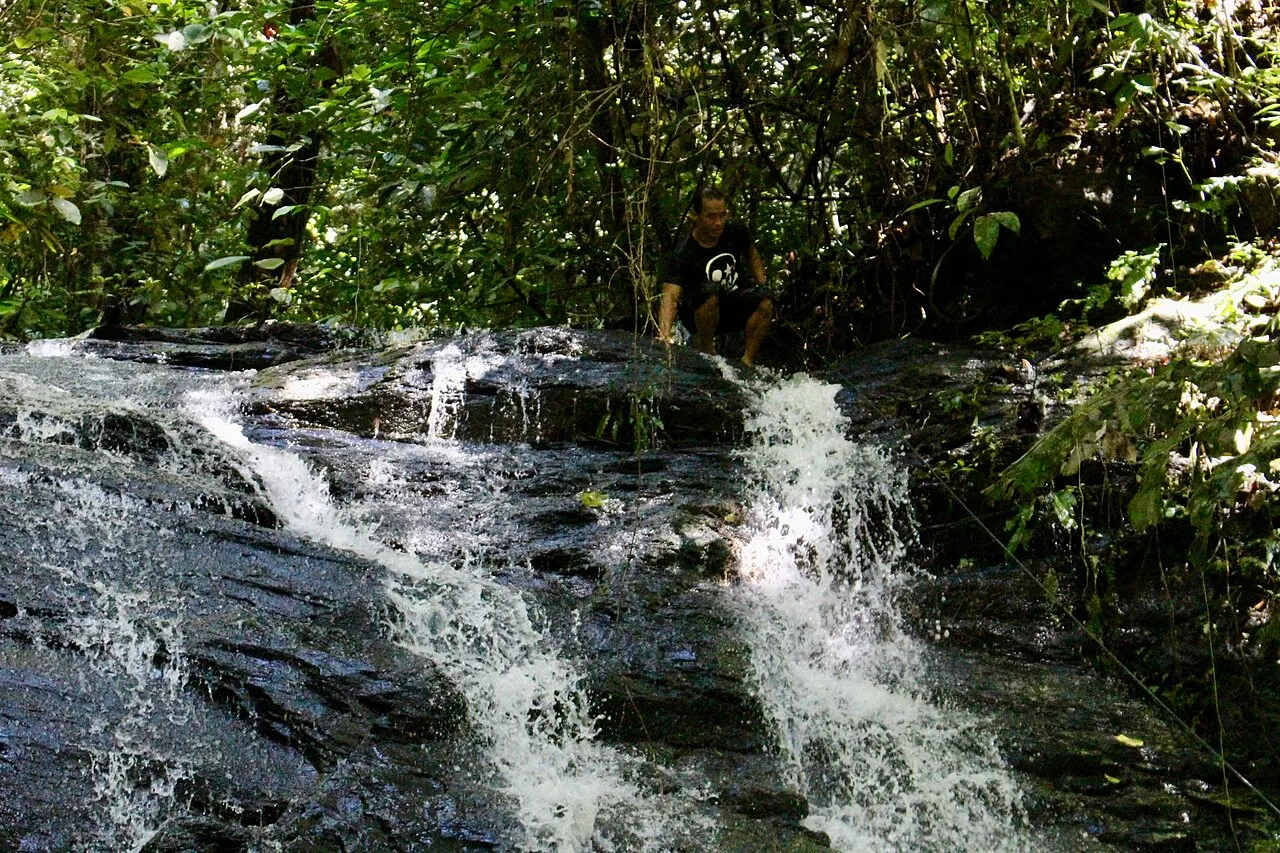
Ulu Temburong National Park protects rainforest in southern Temburong, Brunei’s eastern district. A visitor journey combines travel upriver with walking in the forest and, where operating, a canopy experience above it. That is only an introduction to a much larger protected landscape: lowland and upland forests, river systems and research areas cannot be reduced to one viewing platform. Come for forest structure, light and sound as well as the possibility of seeing wildlife. Plan an organised visit with confirmed transfers and guide arrangements, rather than driving toward the centre of the park on a map. Batang Duri is the important river-transfer reference; your city or district accommodation is a separate part of the journey. A full-day excursion and a longer stay have different rhythms, and neither gives automatic access to research facilities or unrestricted forest routes.
Wehea is a community-protected forest in East Kalimantan, shaped by Dayak Wehea stewardship and its place in a wider orangutan landscape. This guide explains that conservation role; it does not present an unconfirmed visitor route or promise a community tourism programme.
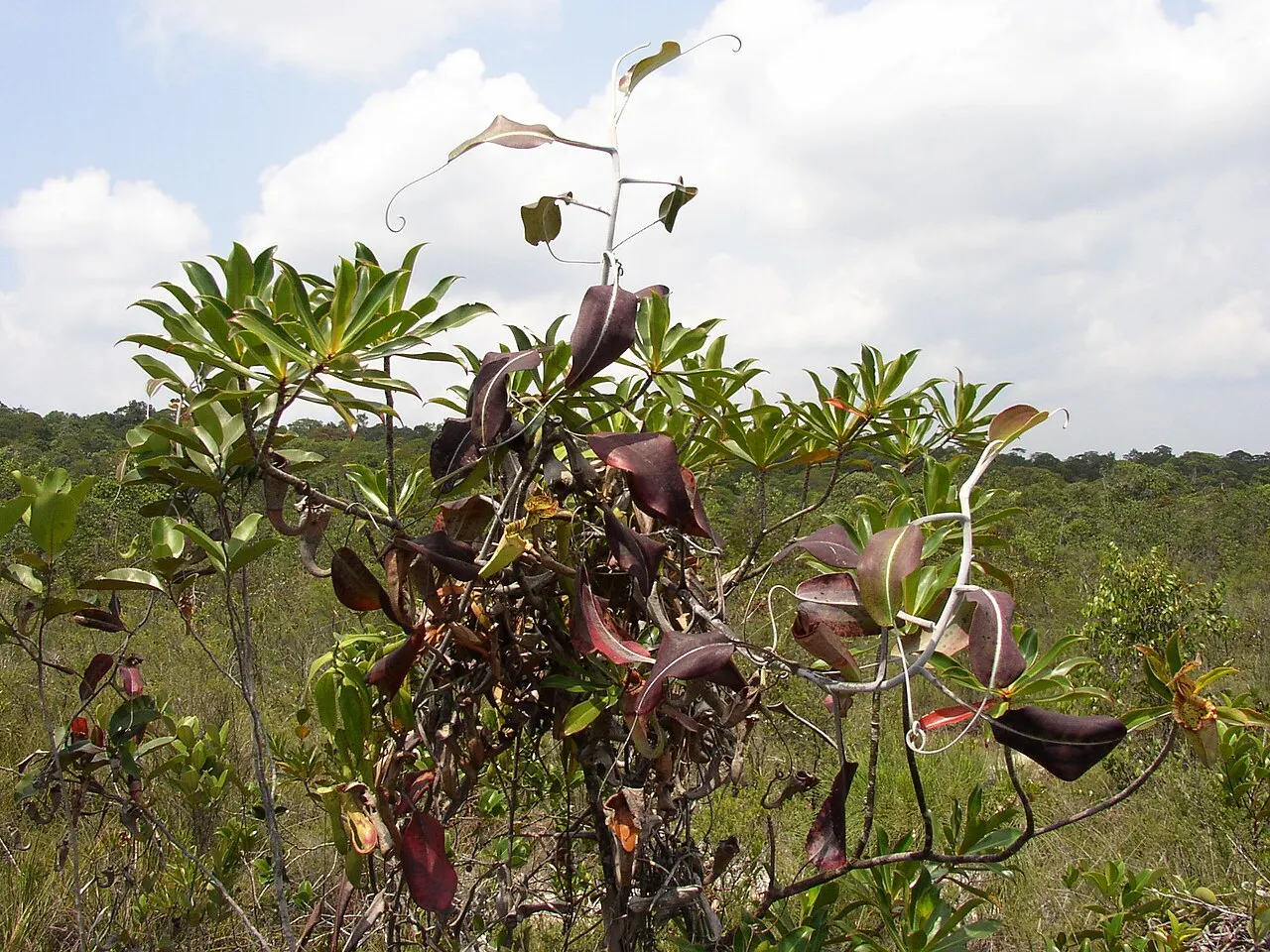
Tropical heath forest, locally called kerangas, forms part of Tanjung Puting’s habitat diversity.
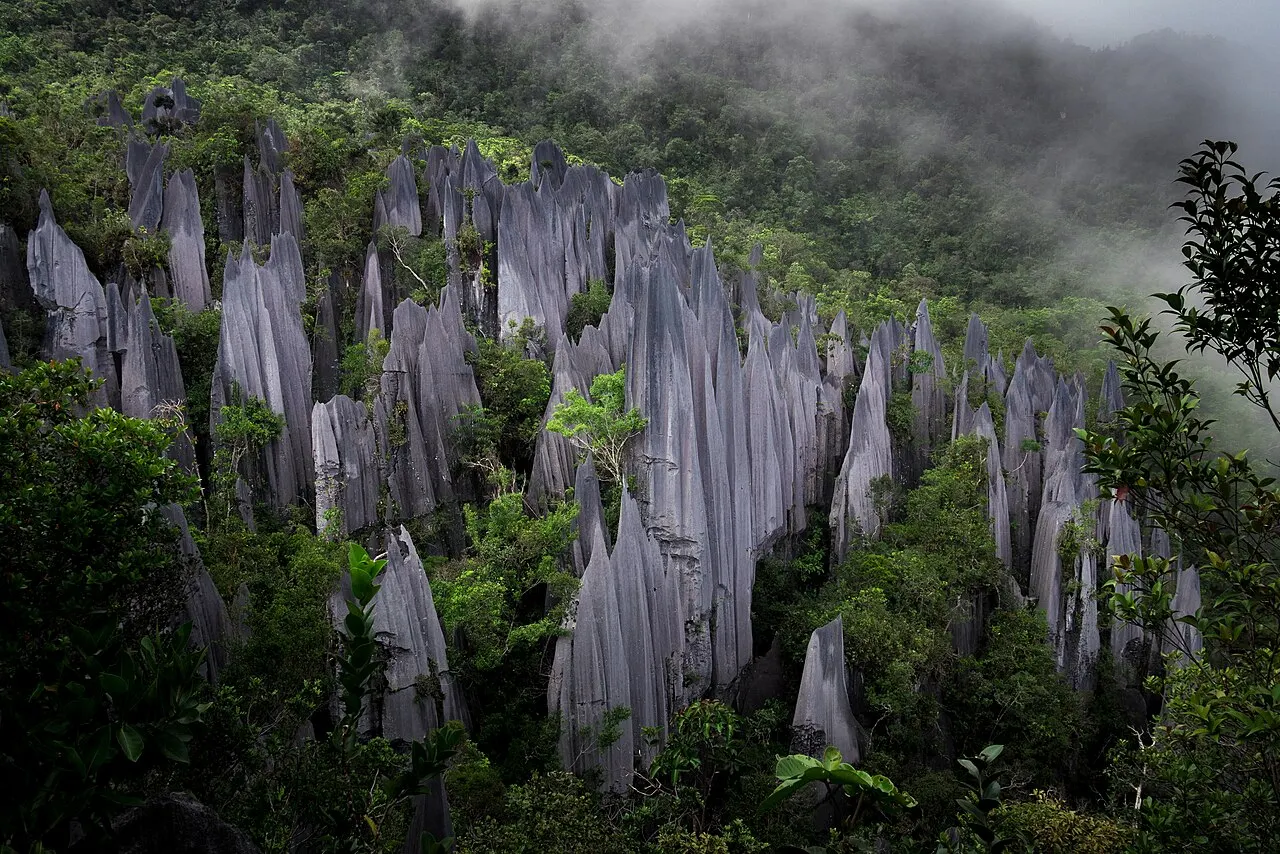
Karst connects rock, water and living communities. Sarawak’s Mulu landscape shows how limestone ridges, pinnacles and underground drainage belong to one landscape while supporting different ecological settings.
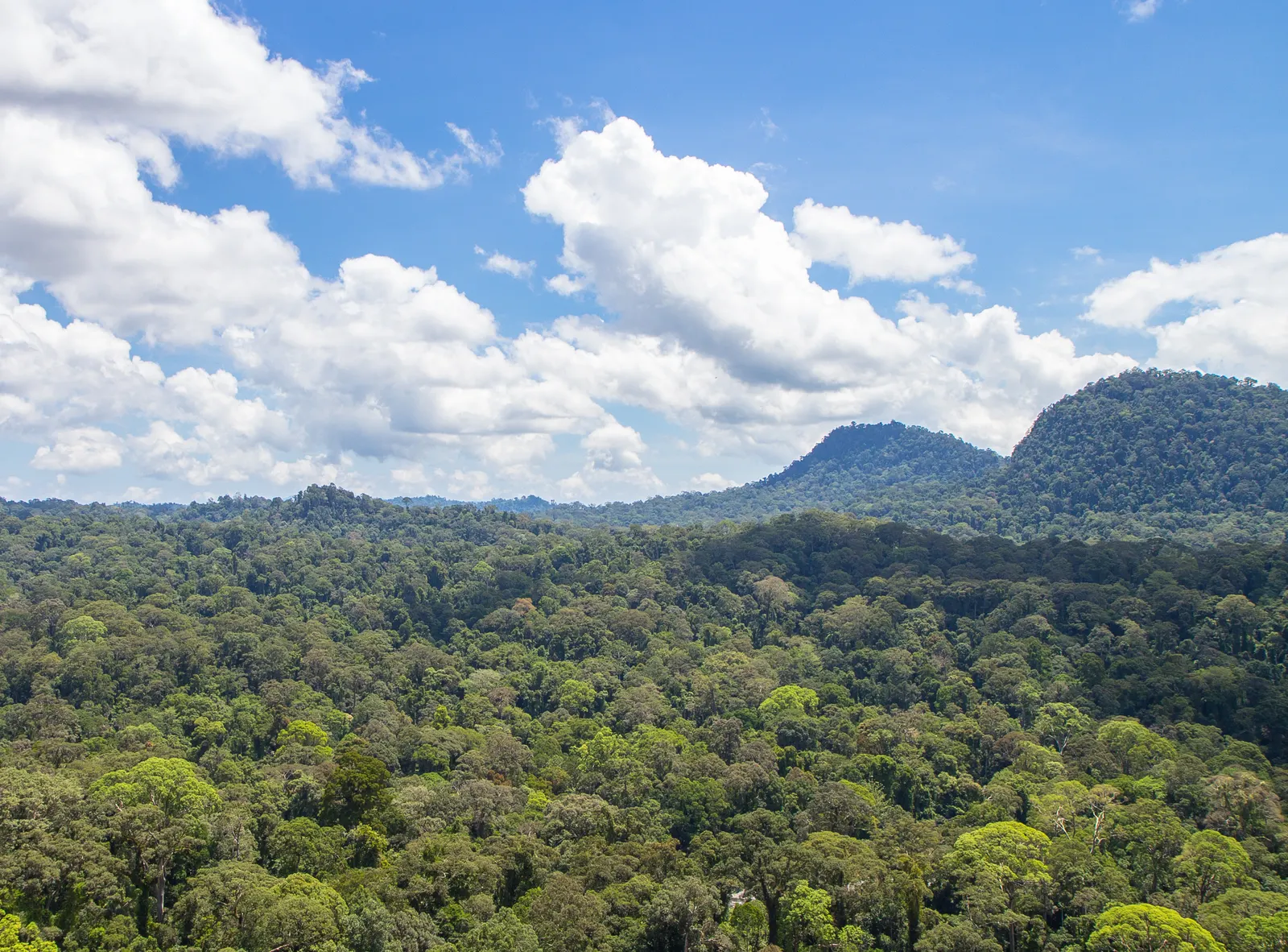
Lowland forest is one part of Tanjung Puting’s wider ecological mosaic, distinct from its waterlogged and coastal habitats.
A coastal forest habitat documented in Tanjung Puting, rather than an assumed feature of every inland destination.
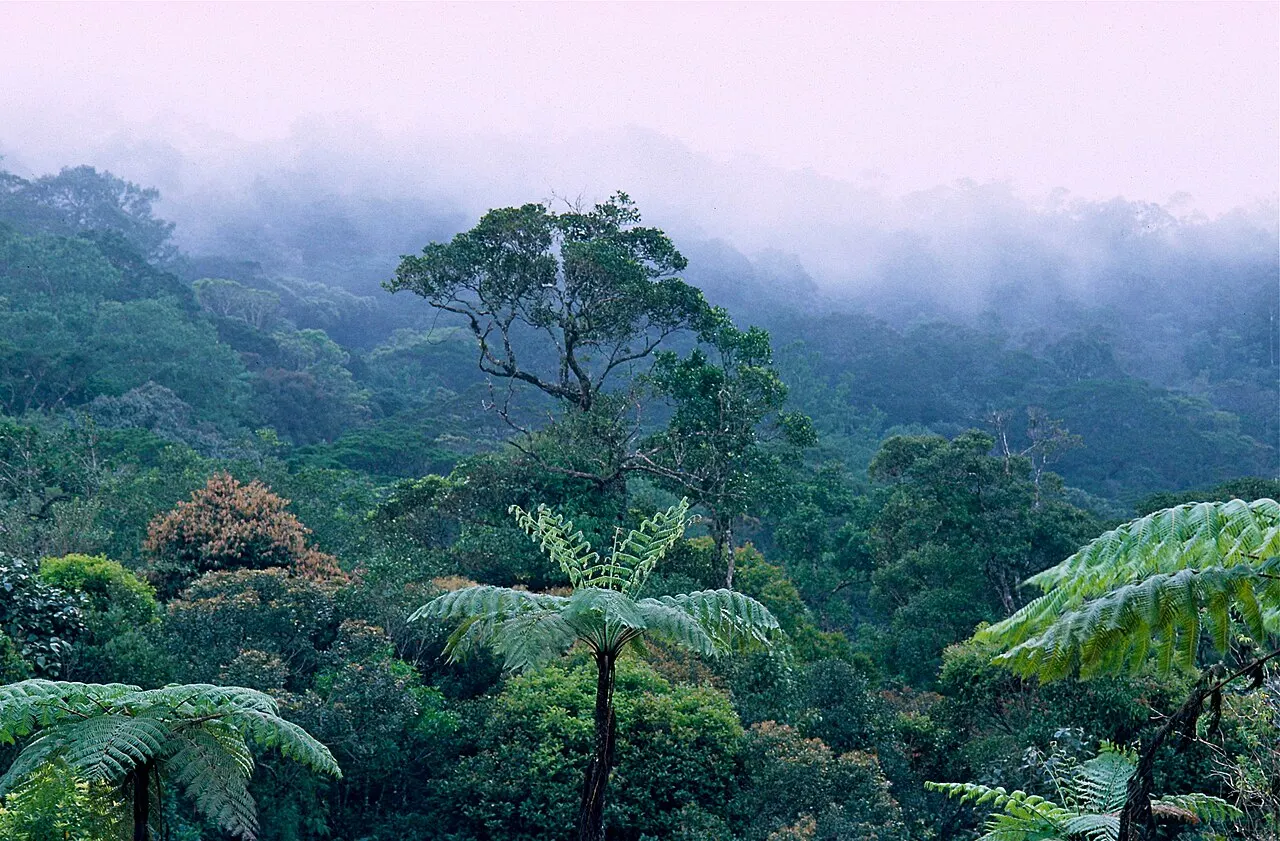
Mountain forest connects Borneo’s uplands with distinctive plant communities. Kayan Mentarang in North Kalimantan and Kinabalu in Sabah provide documented protected landscapes.
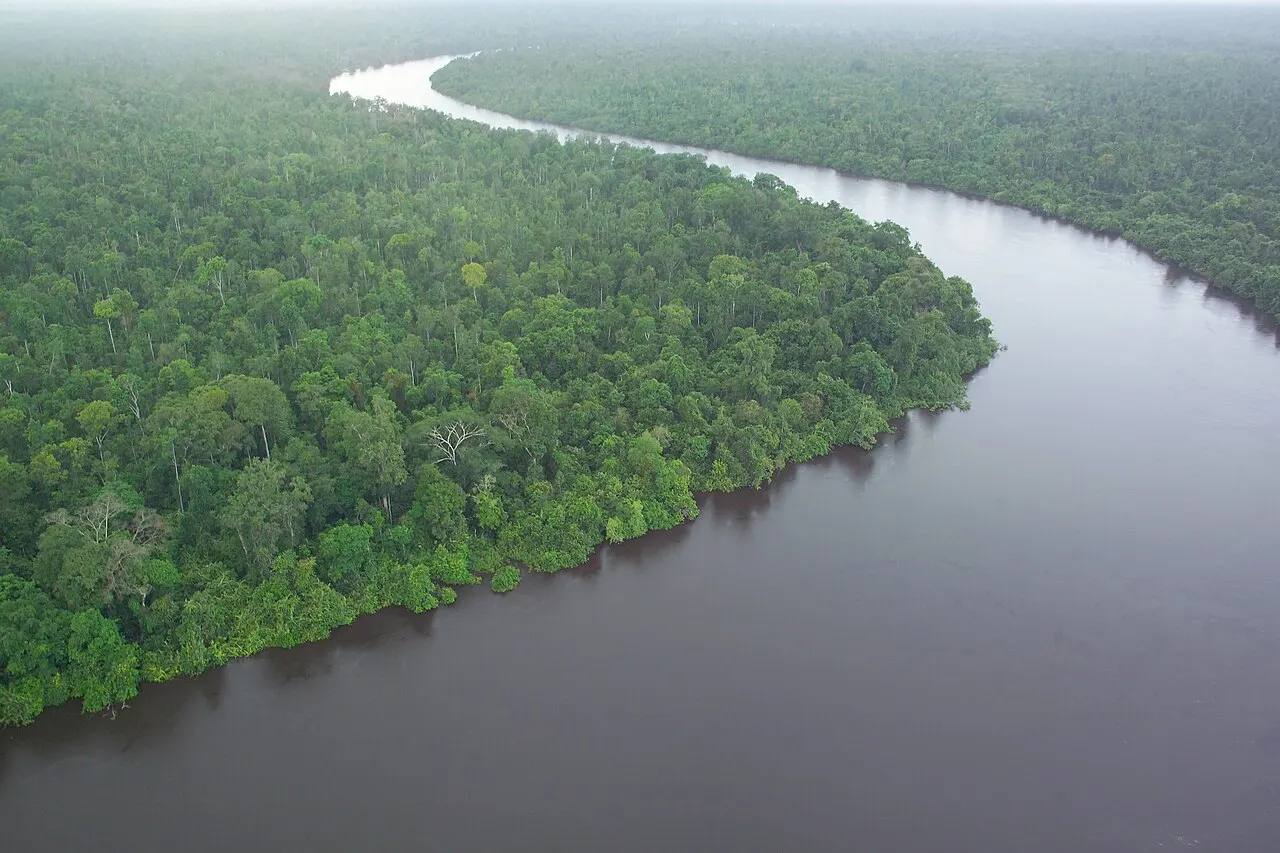
A forest rooted in waterlogged peat, where living trees and the saturated organic soil form one ecological system.
Rivers connect forest habitats, fish communities and travel routes in Central Kalimantan.
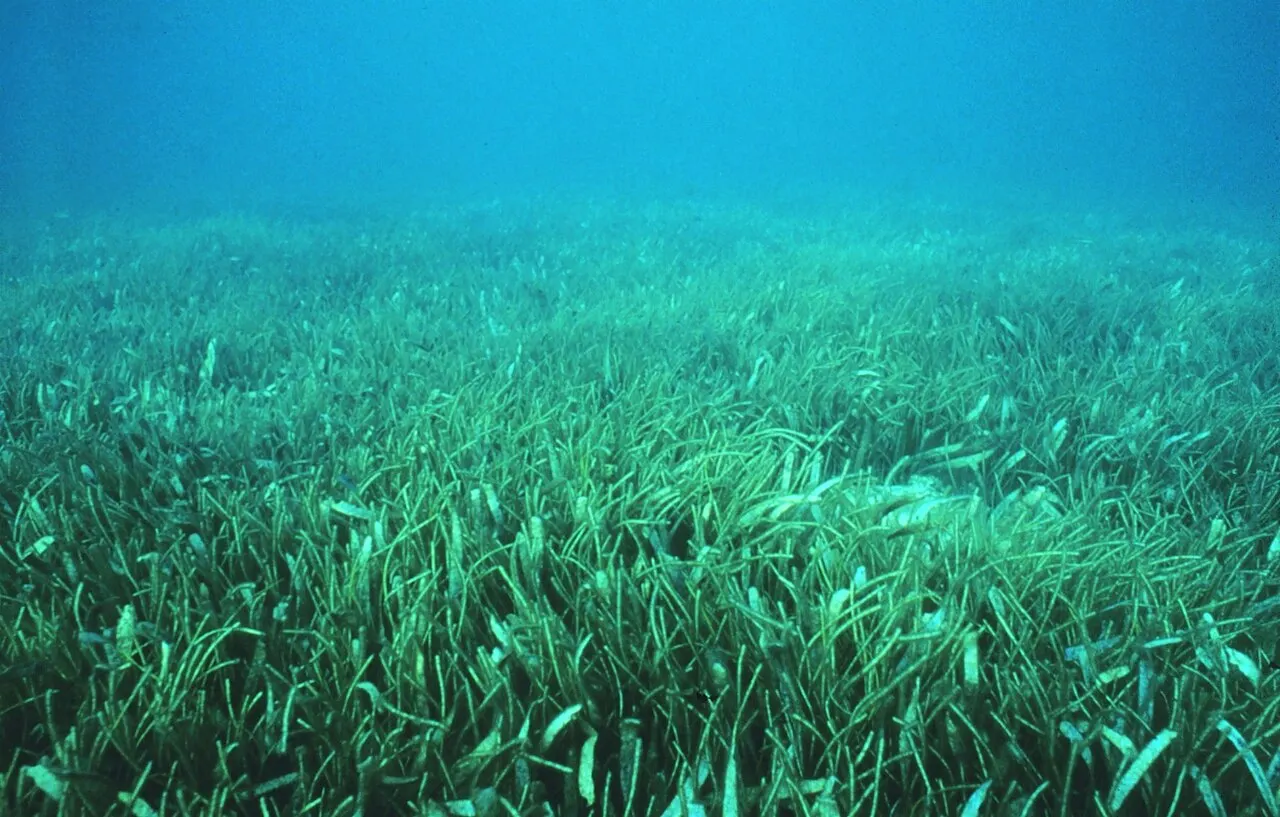
Submerged flowering plants form coastal meadows distinct from both algae and coral reefs; Berau research connects this habitat with blue carbon and turtle landscapes.
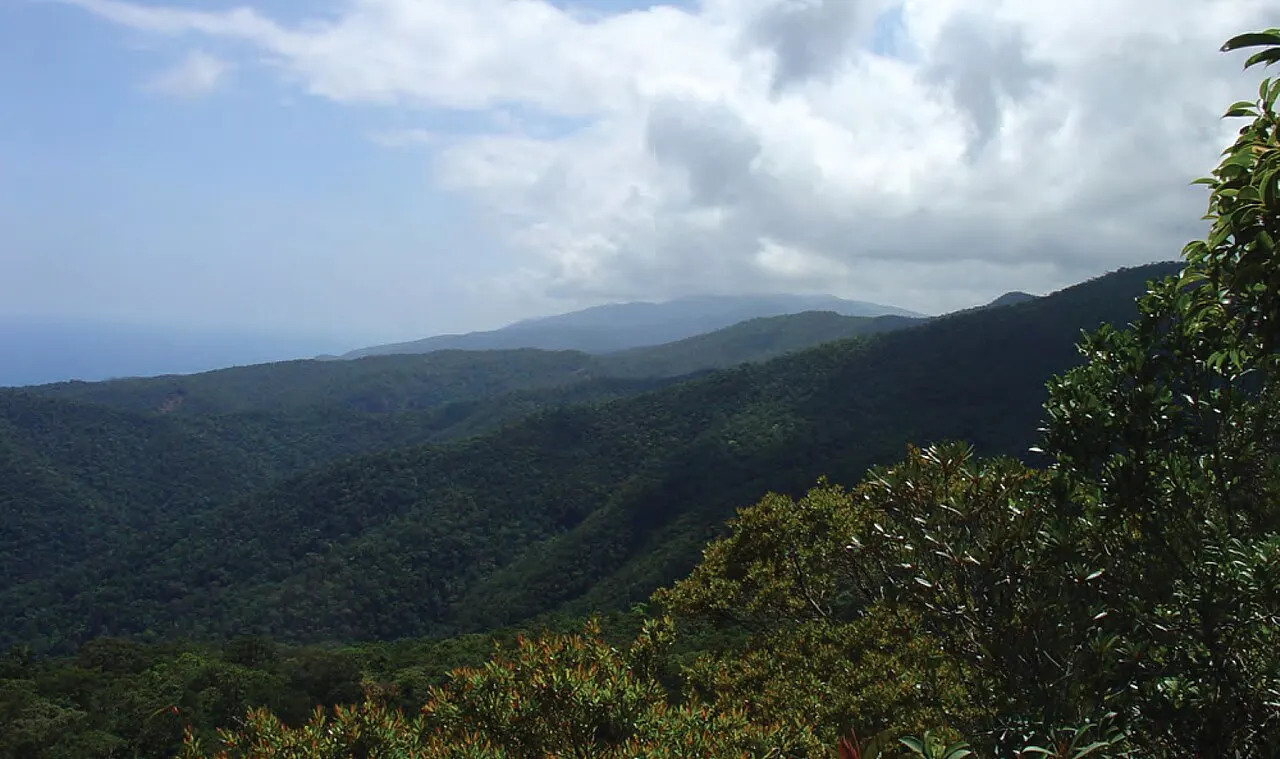
Vegetation growing on ultramafic substrates adds a geological dimension to Borneo’s habitats. In Kinabalu Park, researchers describe distinct plant communities shaped by both the substrate and elevation.