
Animals · Reptiles
Ilham.nurwansah · Wikimedia Commons · CC BY-SA 4.0 · Cropped · Original
221 discoveries
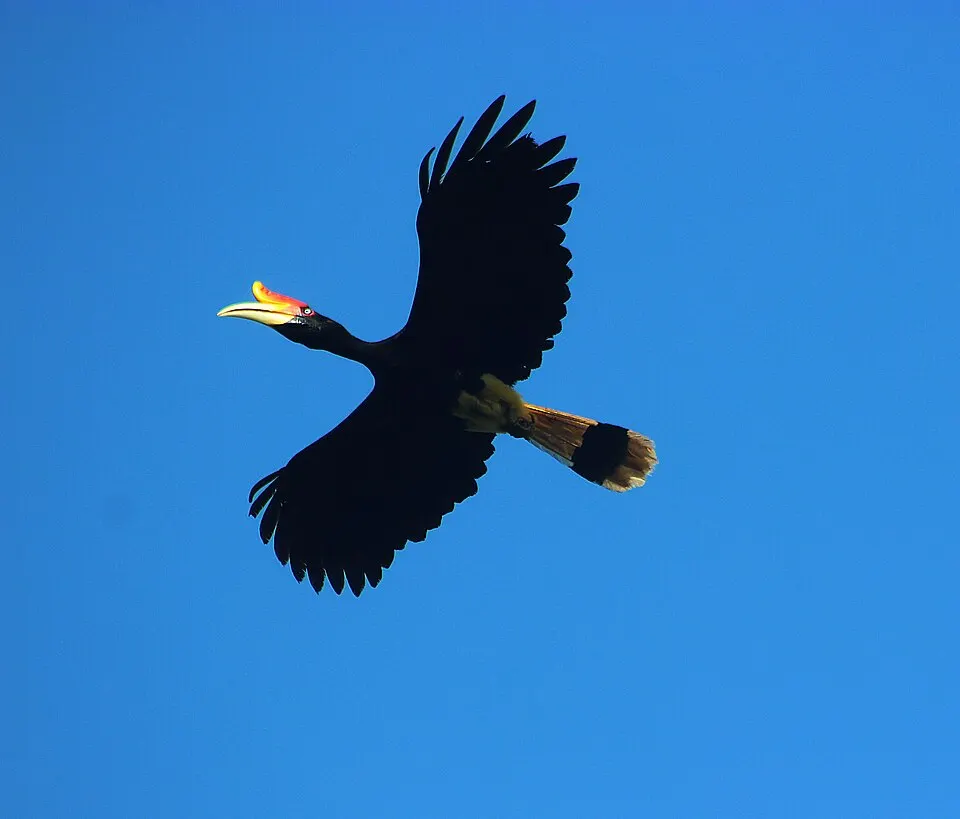
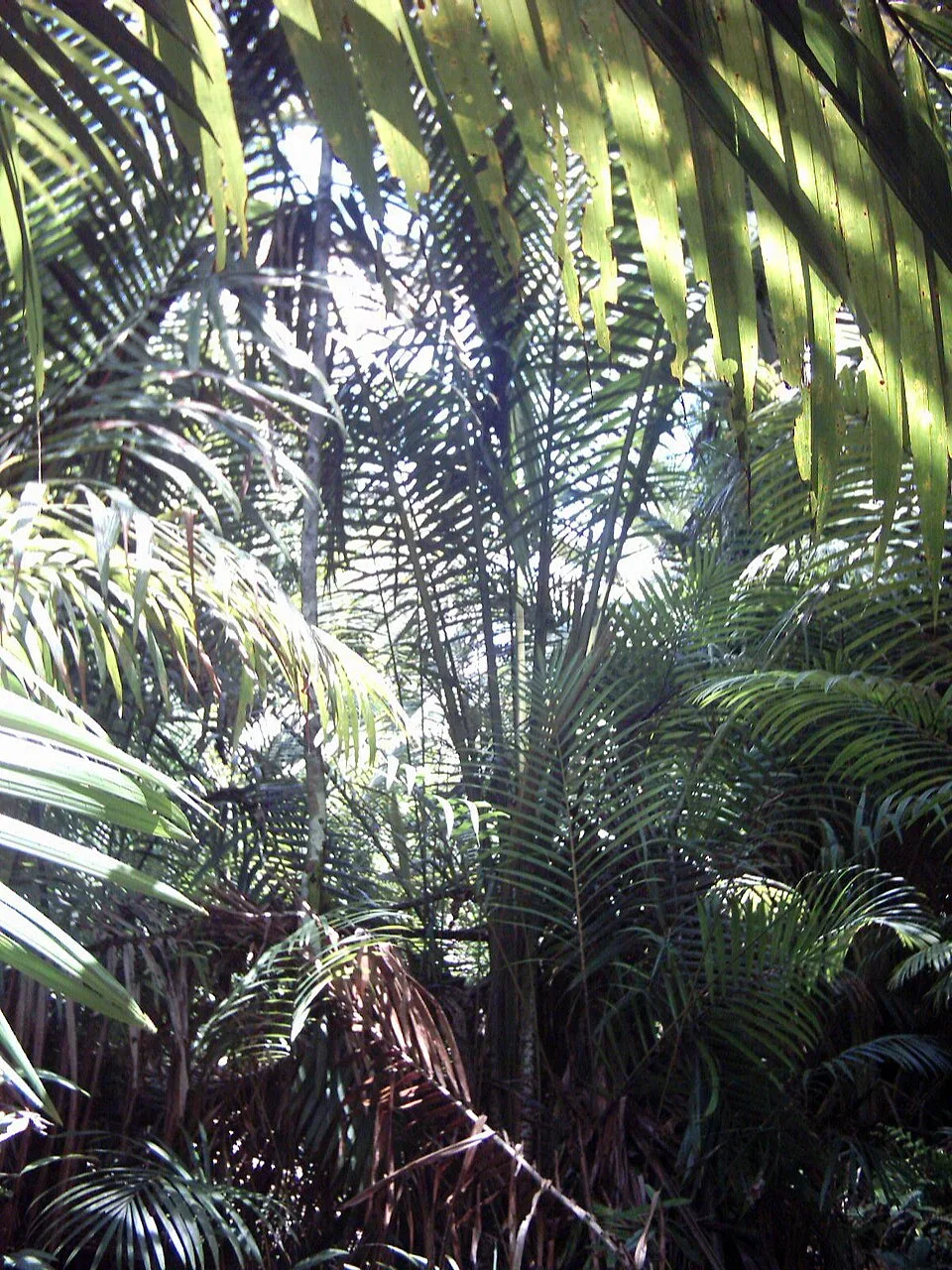
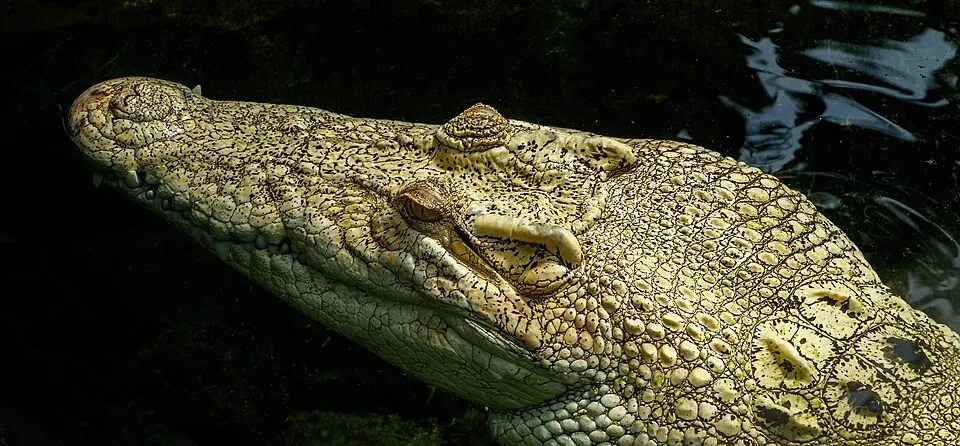
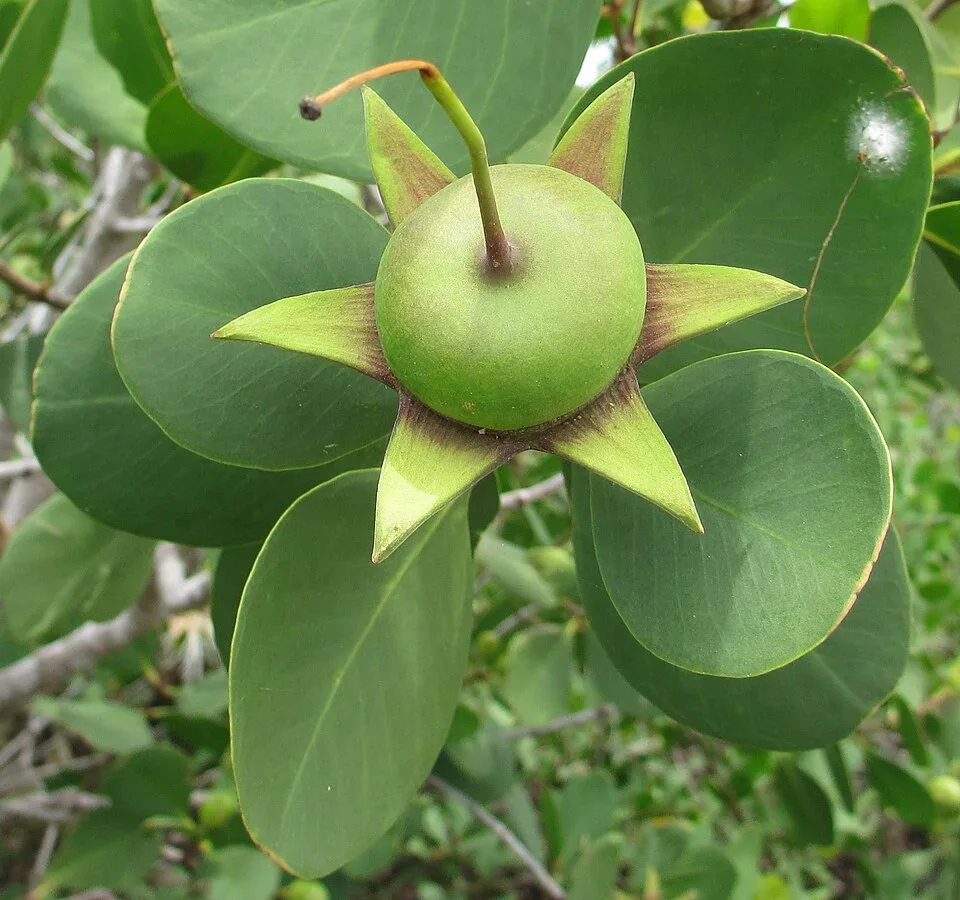
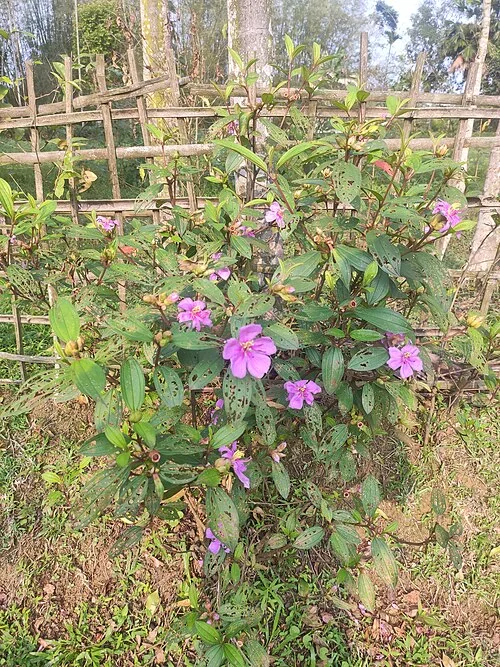
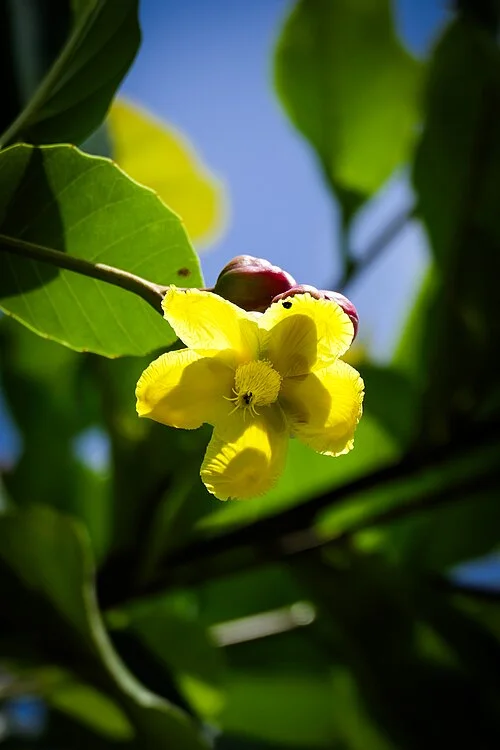
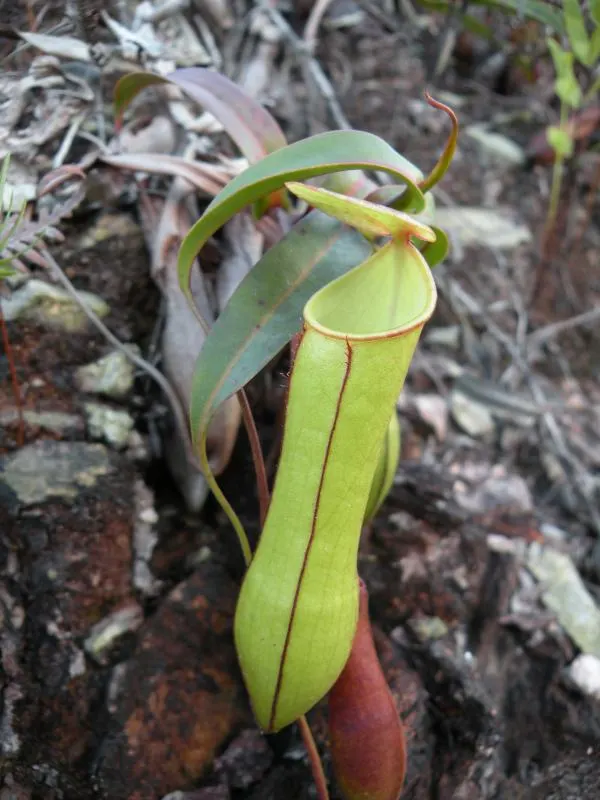
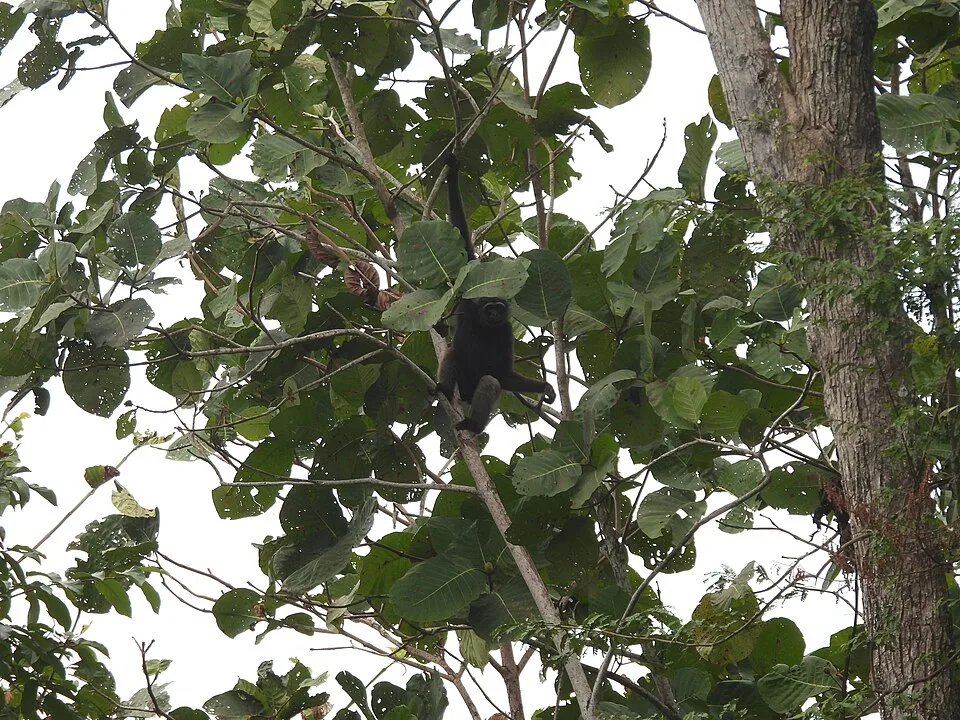
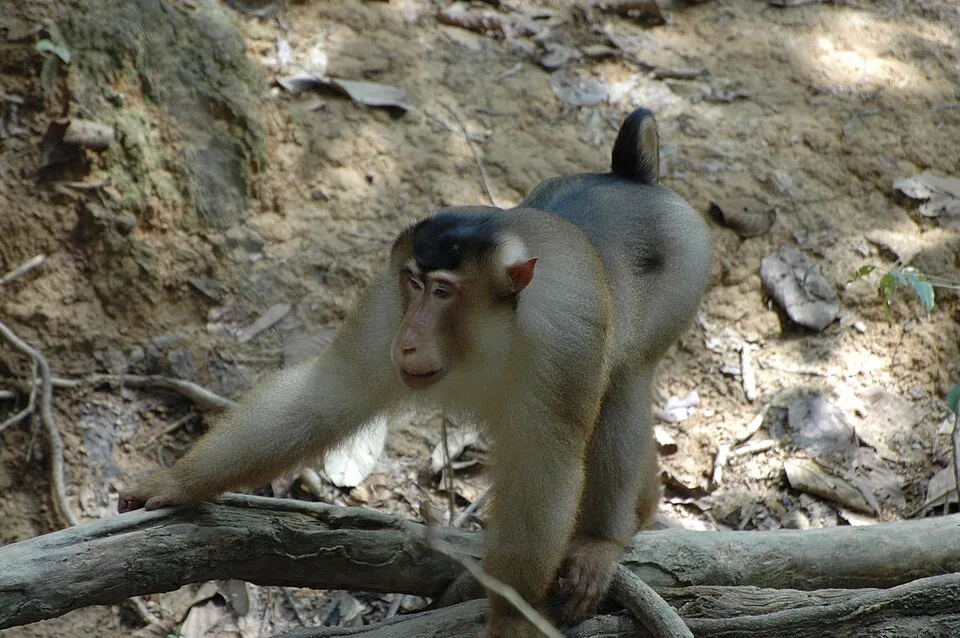

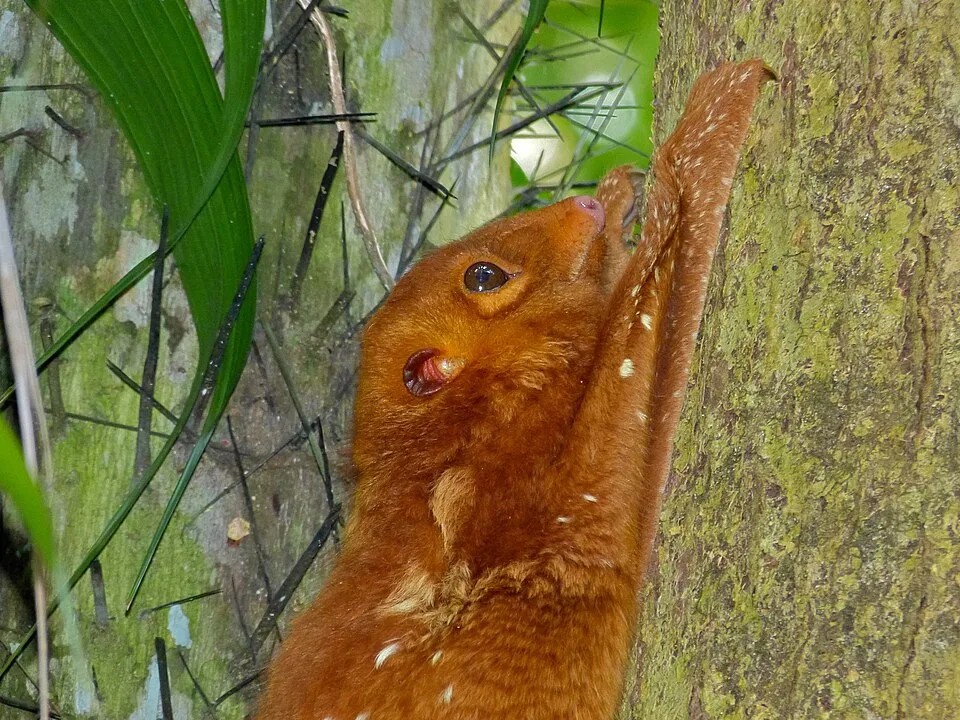
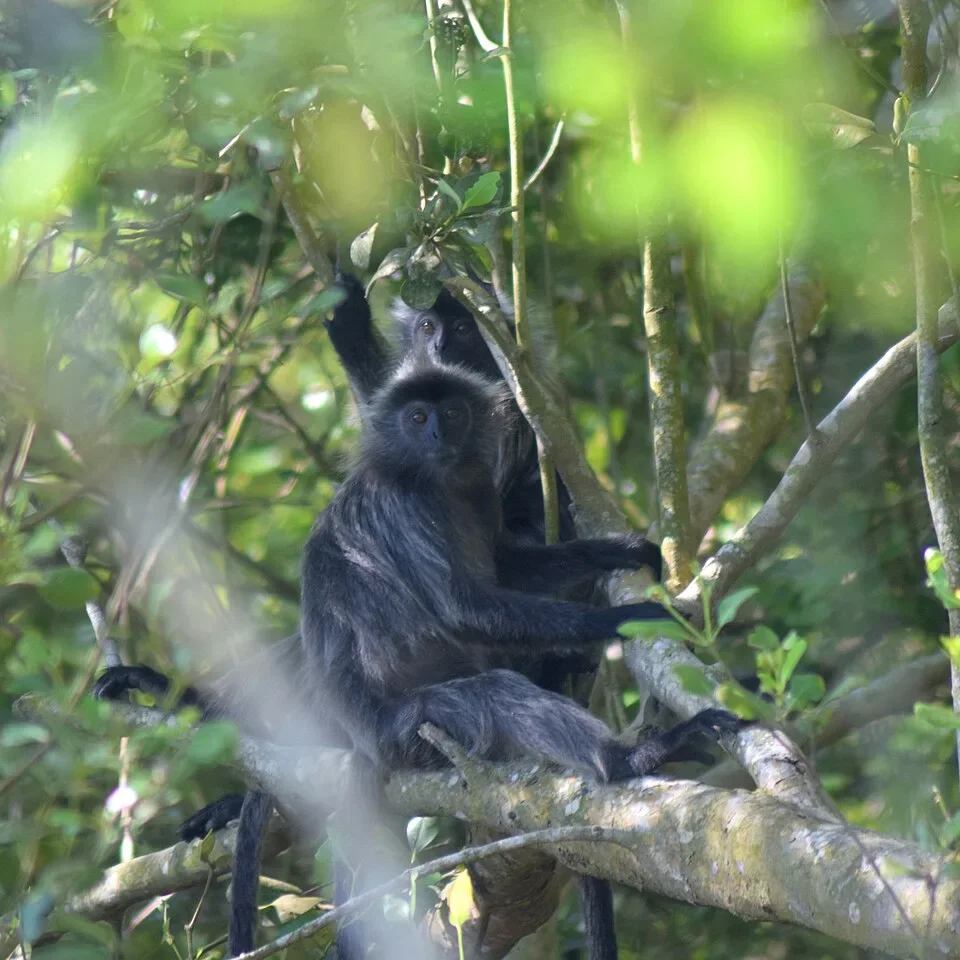
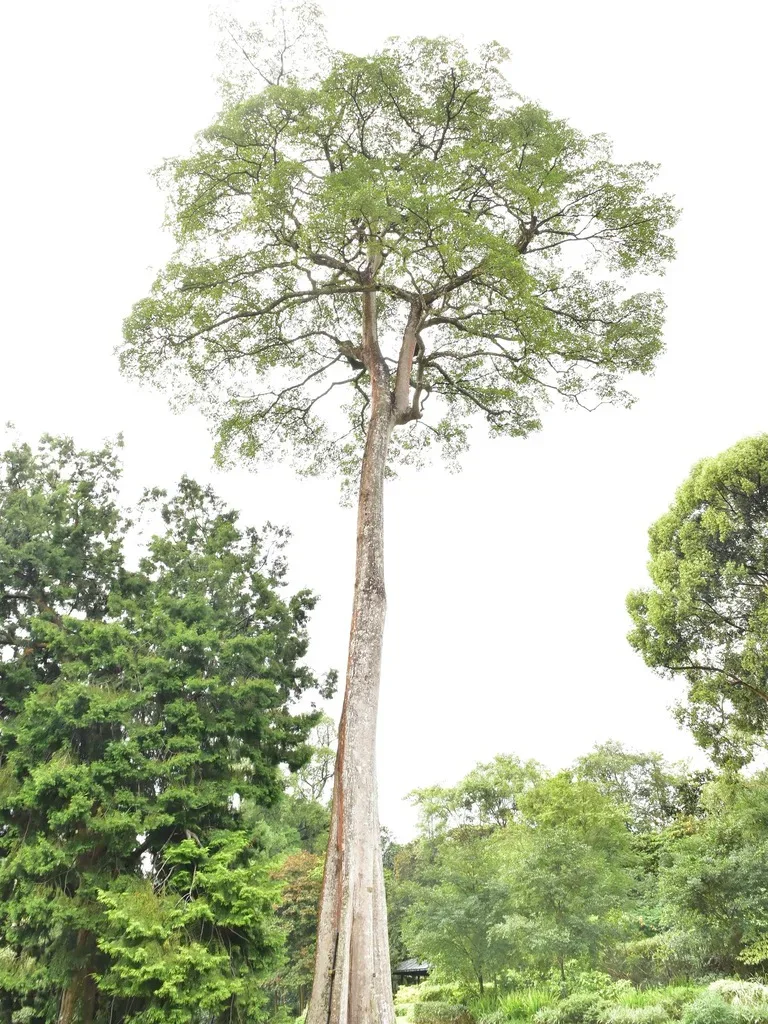
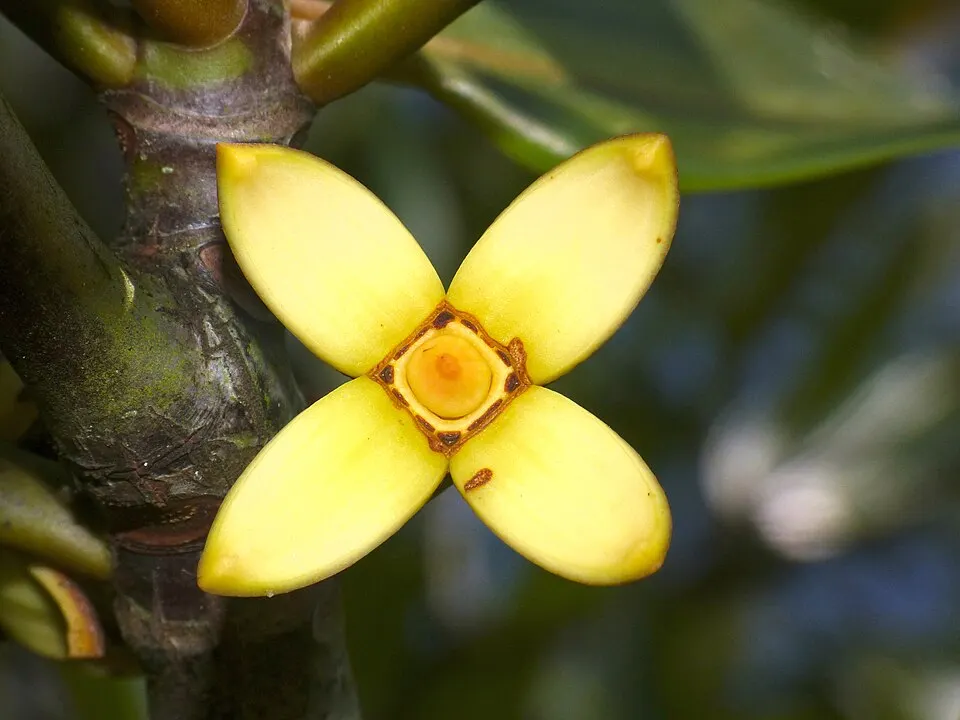


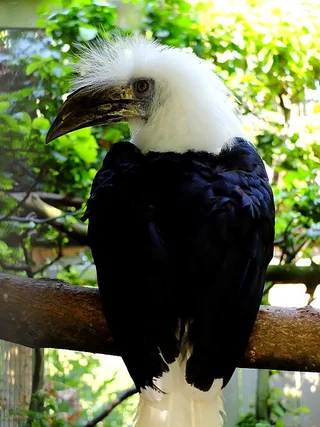
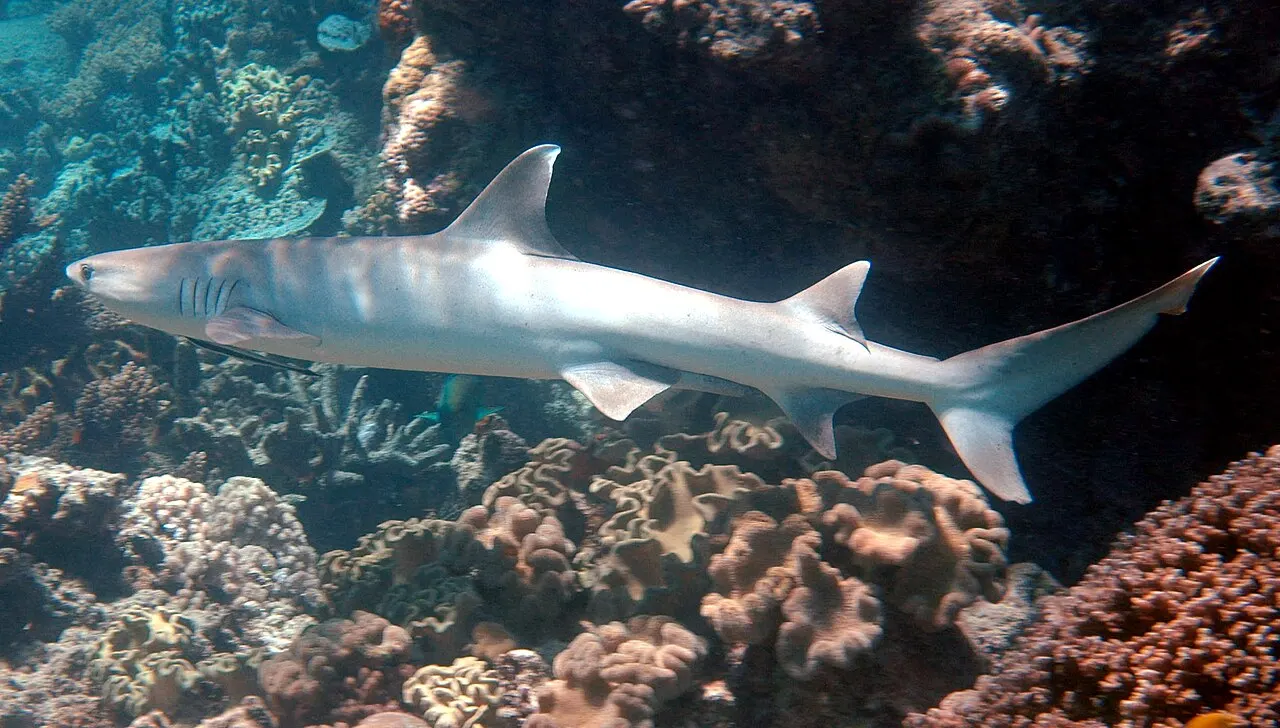
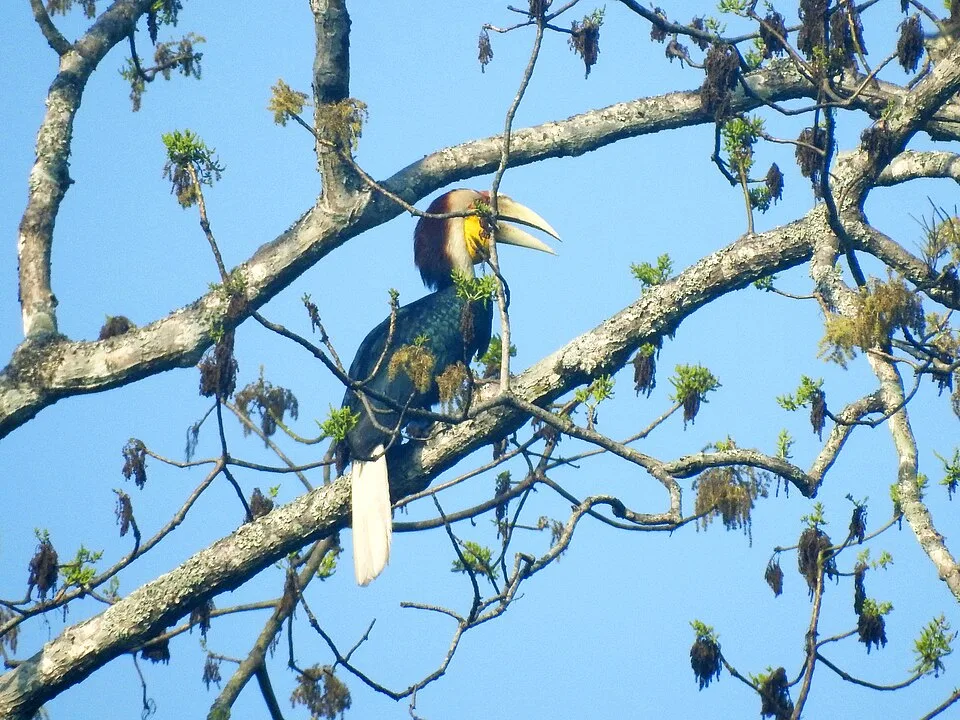
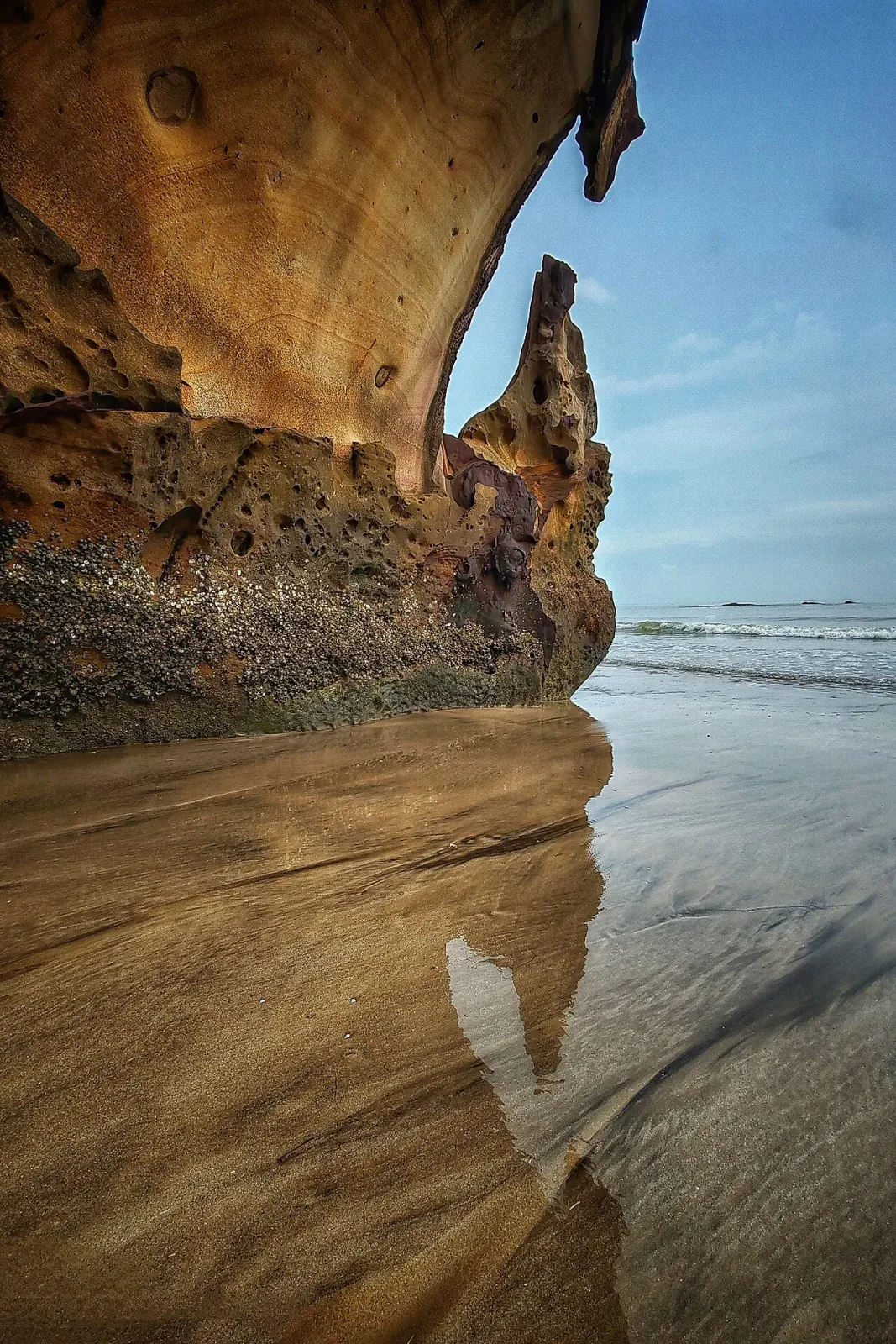
Bako National Park puts coastal rock, mangroves and several very different forests within reach of Kuching. Its appeal is the transition between them: a shaded trail can lead towards exposed sandstone and a tidal shore, while proboscis monkeys use forest edges without following a visitor timetable. This is a managed national park with a visitor headquarters, trails and bookable accommodation, rather than an unrestricted stretch of coastline. Getting there involves a road journey to Kampung Bako followed by a boat; sea conditions and the return arrangement are part of the day's planning. A full day allows a focused introduction, while a confirmed overnight stay gives more time for the forest. Choose routes with the park guide and staff, and leave space for weather, rest and observation instead of trying to complete every trail.
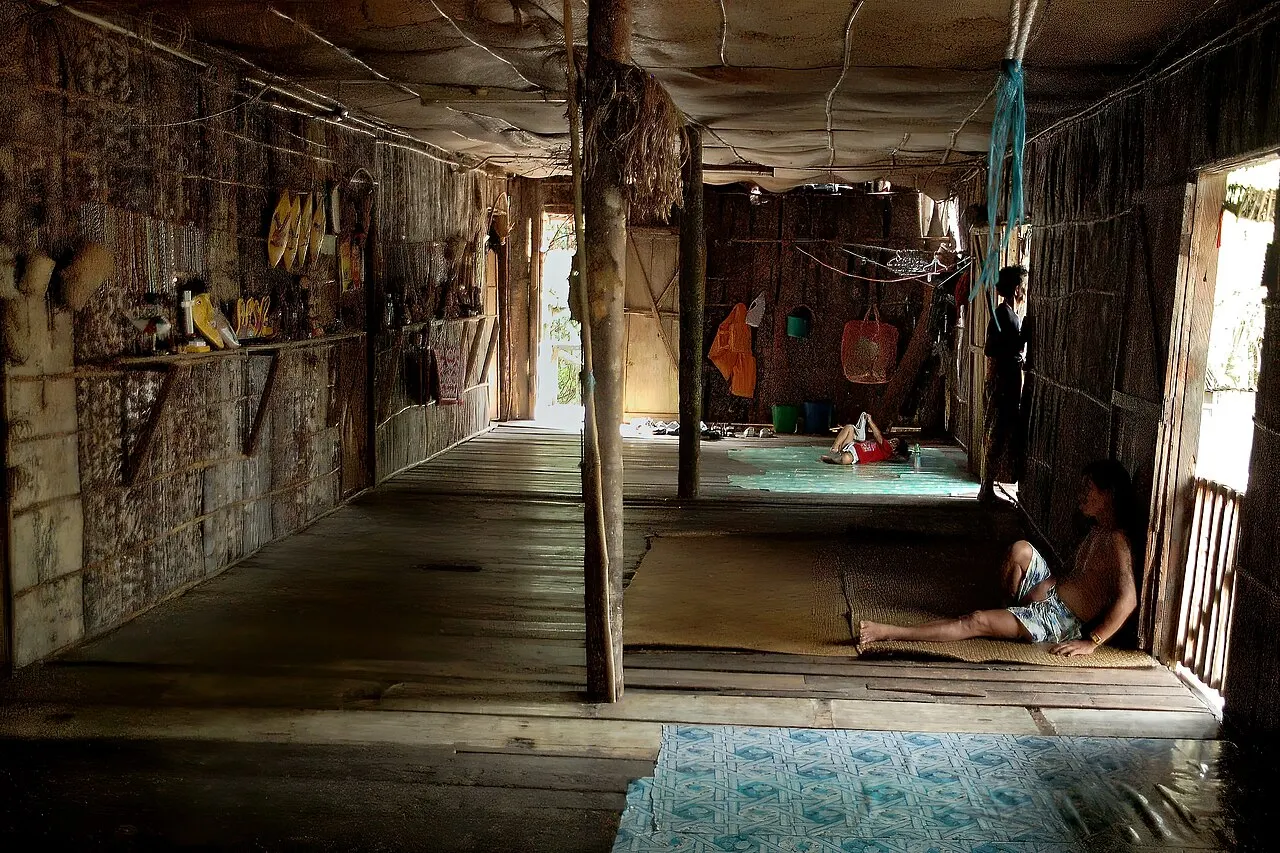
Batang Ai National Park protects rainforest in an inhabited river landscape in southern Sarawak. Wild orangutan habitat is the ecological attraction, while Iban communities, rivers and the hydroelectric lake shape how visitors reach the surrounding region. The distinction matters: an itinerary sold as Batang Ai may visit a lodge, longhouse and forest outside the national park rather than cross its legal boundary. This is not a park with a single confirmed walk-in visitor entrance. A useful trip starts with an agreed host and route, normally organised from Kuching, followed by road and boat travel. Treat it as a multiday forest and community journey, with wildlife as a possibility rather than an appointment. Public information confirms regional visits, but the current permissions for entry into the protected park itself should be confirmed for the specific itinerary.
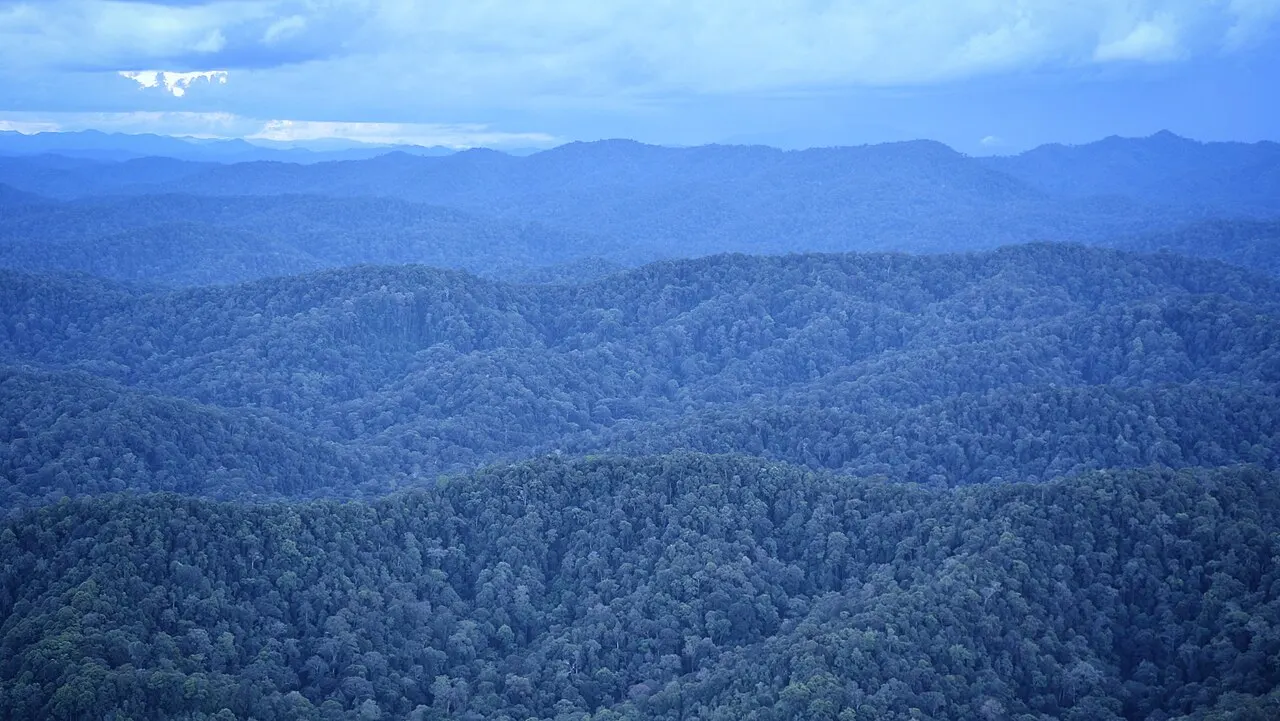
Betung Kerihun is a national park in the upper Kapuas region of West Kalimantan, where forested river catchments rise toward the Sarawak border. Its appeal is the transition from lowland forest to upland landscapes, rather than one easily reached viewpoint. Orangutans are documented here, but this is not a feeding-station excursion. For travellers, the essential decision is whether to organise a substantial, locally guided river and forest journey. Putussibau is a planning gateway, not a park entrance. Current route approval, boats, guides and overnight arrangements need to be settled before travelling into the interior; a road map or provincial itinerary cannot supply those details.
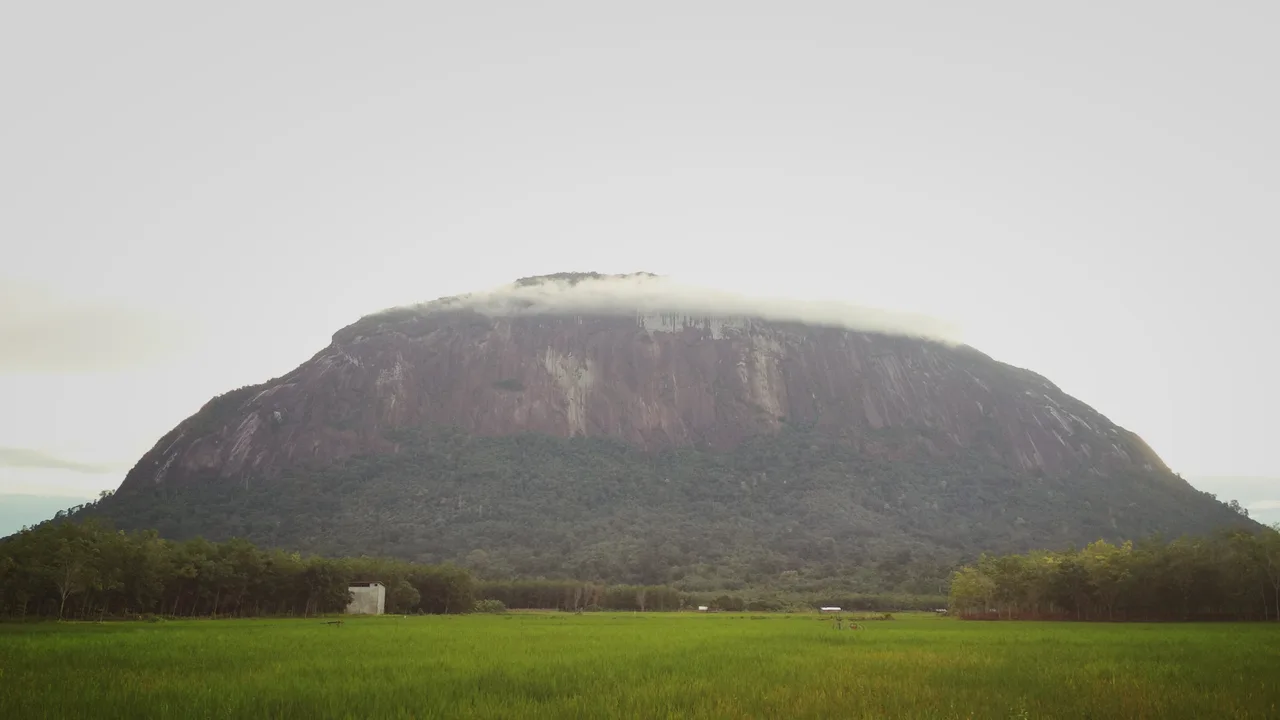
Bukit Kelam is a protected rock-and-forest landscape in the Sintang area of West Kalimantan. This guide explains its conservation and cultural significance. It is not a confirmed summit itinerary: current climbing access, route condition and permission must be established with the responsible manager.
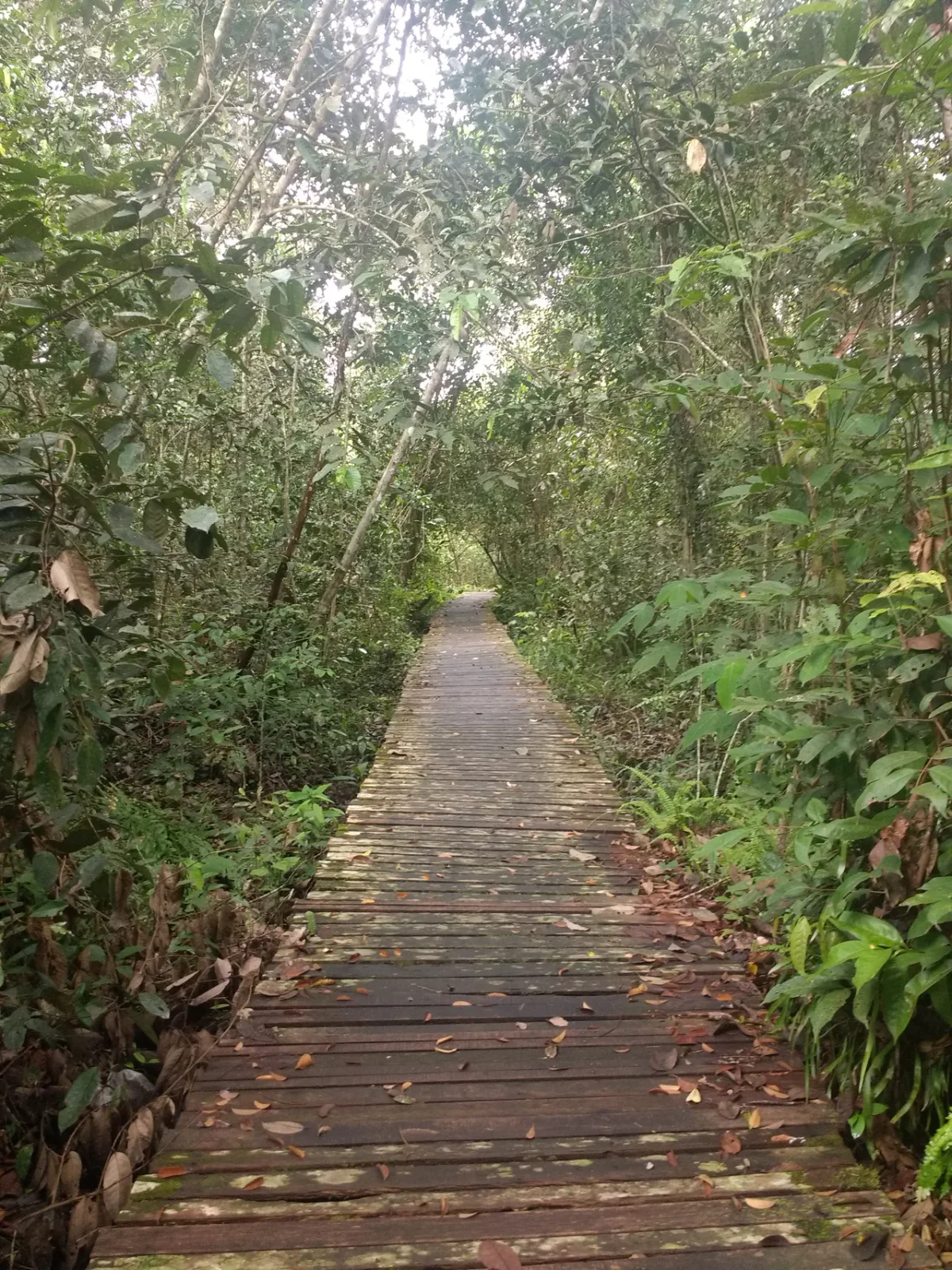
Bukit Lima Nature Reserve brings protected peat-swamp forest close to Sibu’s everyday city life. Explore a suitable section of the managed boardwalk network, with current access confirmed locally.
Crocker Range Park protects a long belt of mountain forest in western Sabah. Its headquarters and several managed visitor areas offer different ways into a landscape whose importance reaches beyond walking trails to rivers, communities and forest conservation.
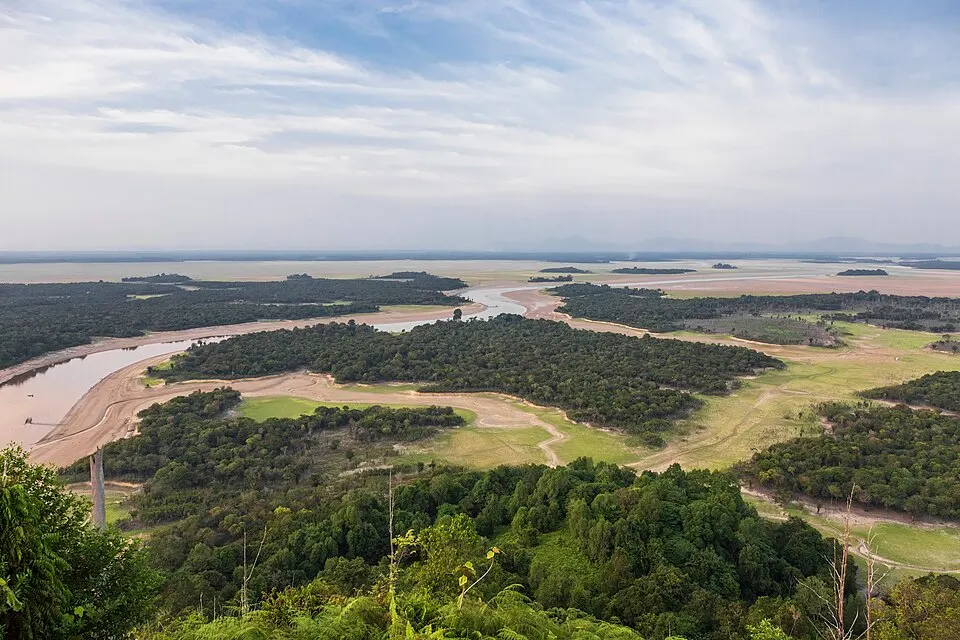
Danau Sentarum is a national park and Ramsar wetland in the upper Kapuas basin of West Kalimantan. Lakes, connecting channels and seasonally flooded forest form a changing landscape rather than one permanent sheet of water. Its distinctive experience is seeing how rainfall and river levels reshape the boundary between land and water. Communities use this wetland as a living landscape, so boats and local knowledge are central to understanding it. Visits are possible, but a current boat route and overnight base need confirmation. Plan through the Kapuas Hulu region and Putussibau, then agree on the actual lakeside departure point; the city and the wetland are not interchangeable locations.
Danau Siran is a blackwater lake within the peatland landscape of Muara Siran in East Kalimantan. Its importance lies in the connection between water, forest, carbon and village livelihoods. This is a conservation-context guide: regular visitor transfers and receiving arrangements have not been sufficiently confirmed to present a ready-to-book lake itinerary.
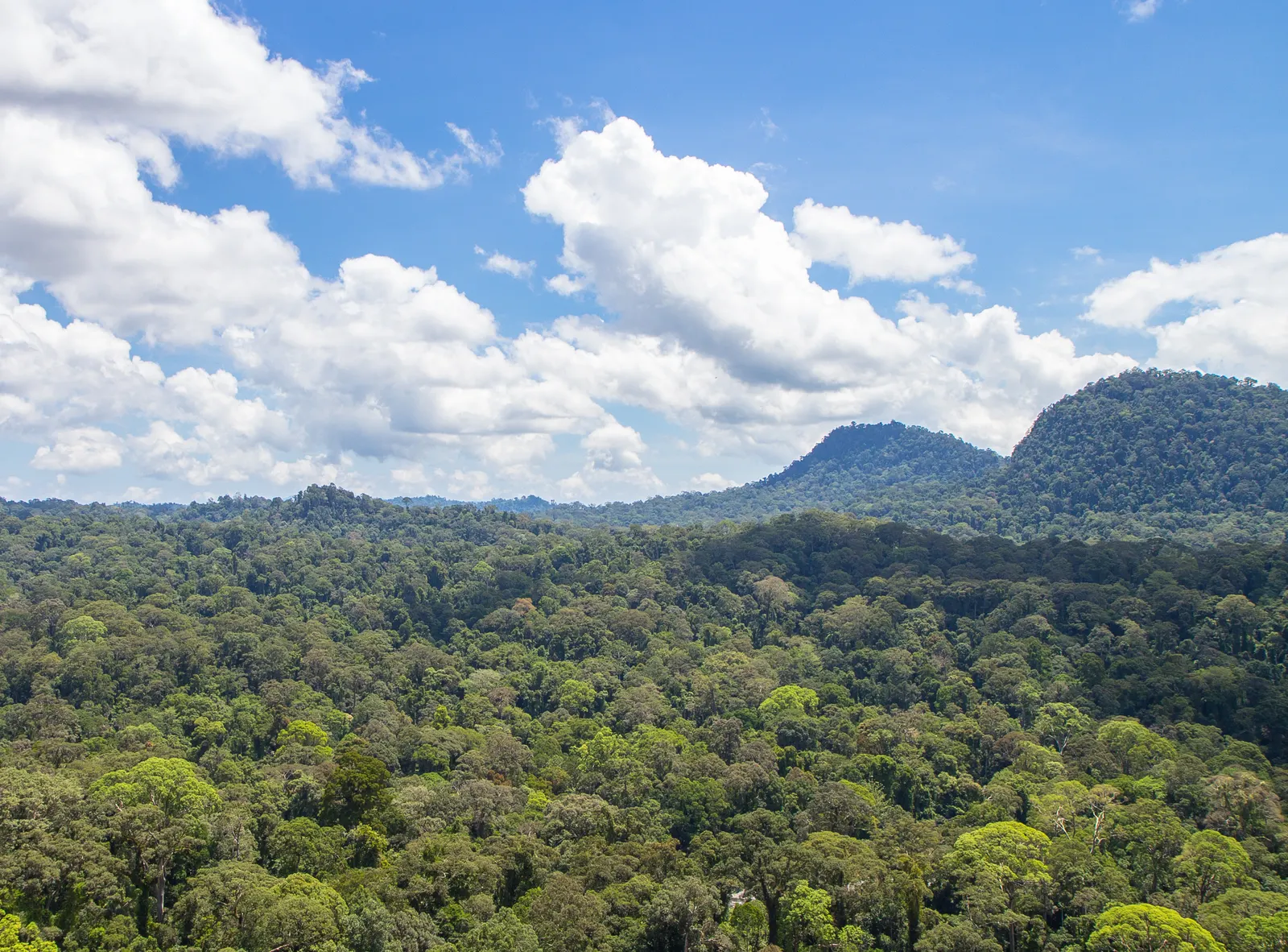
Danum Valley Conservation Area is a protected lowland rainforest landscape in eastern Sabah, reached through Lahad Datu. Its appeal lies in the forest itself: tall dipterocarp trees, shaded trails and the possibility of observing wild animals in a living forest rather than at a feeding platform. Conservation, scientific work and carefully arranged visitor stays share this landscape. For travellers, the practical starting point is a confirmed booking at the Danum Valley Studies Centre or Borneo Rainforest Lodge, with the appropriate transfer and guiding arrangements. These are distinct facilities, not two names for the same accommodation. A stay of several days gives time for forest walks at different hours without letting the access journey dominate the trip. Danum is best approached as a planned forest stay with flexible wildlife expectations, not as an unrestricted drive-in park or a guarantee of seeing its rarest mammals.
Deramakot combines working forest management with prearranged wildlife stays. Plan a guided 4WD visit from Telupid, with realistic expectations about animals and access.
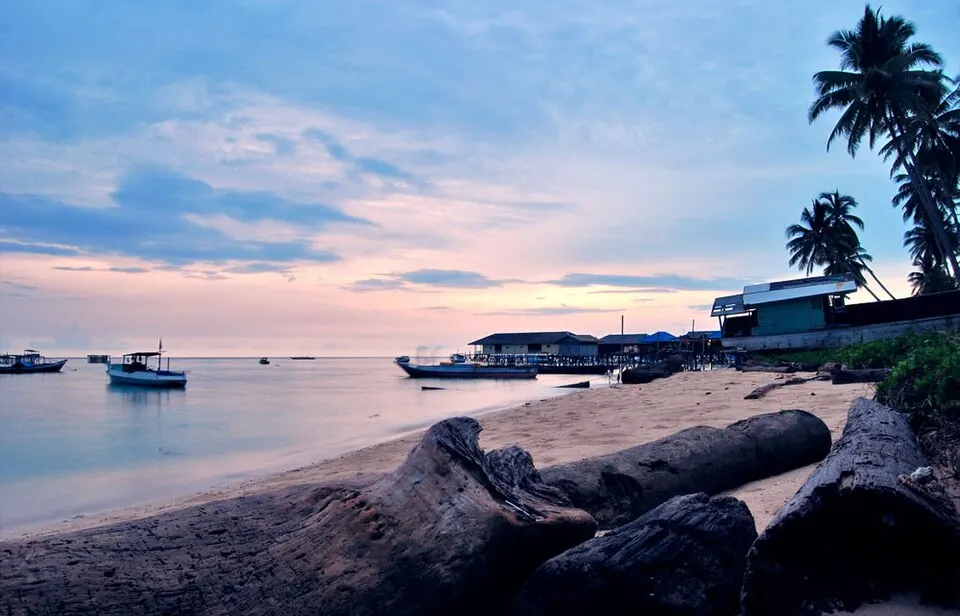
The Derawan conservation seascape lies off Berau in East Kalimantan, linking island shores with reefs and coastal waters. It is larger than Derawan Island and is not a national park. Its value comes from connected marine habitats: an island beach, reef slope and surrounding waters are different parts of the same system. Visitors normally experience selected sites through an island base and a boat operator, rather than entering one bounded park gate. Choose the actual island and marine activity before arranging transfers. Some areas have conservation restrictions, and a tourism description of the archipelago does not establish unrestricted access to every reef, beach or turtle nesting site.
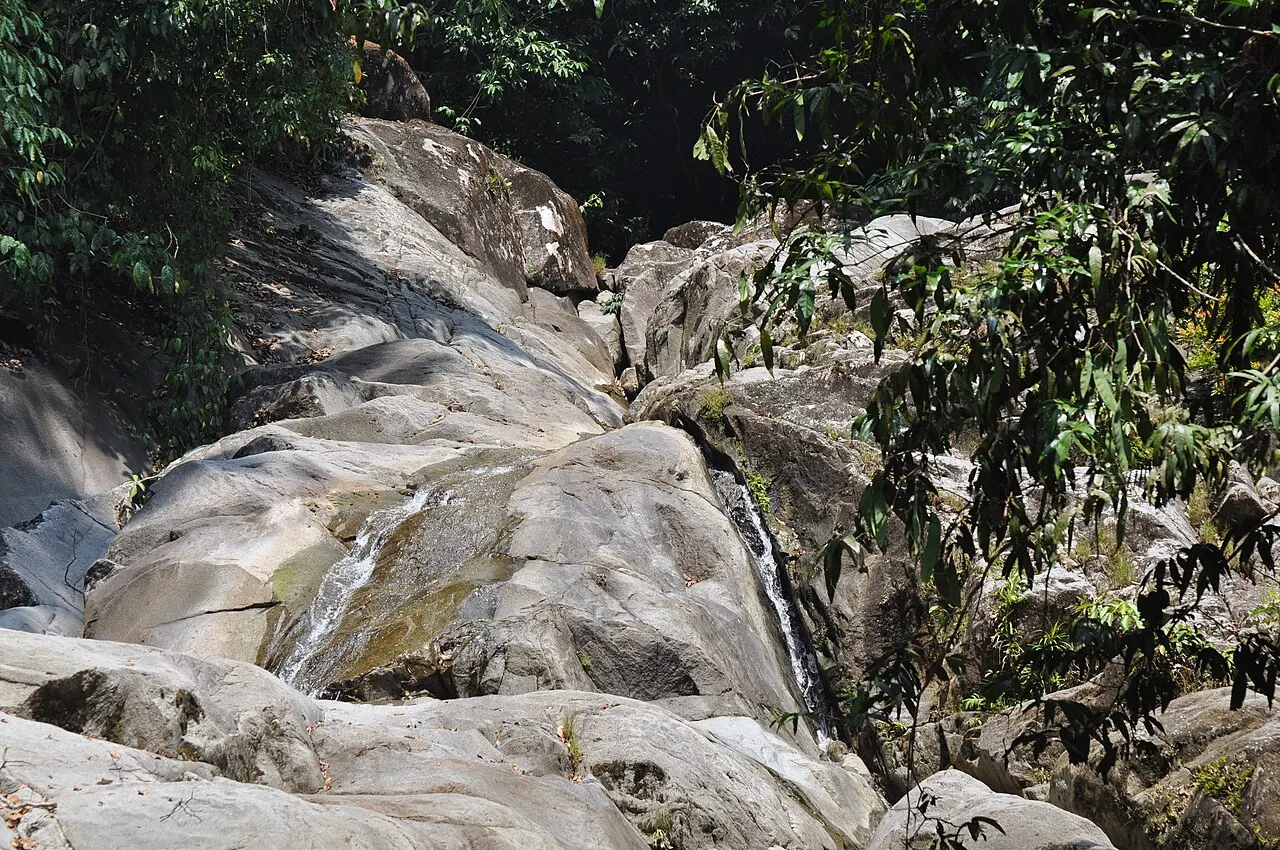
Gunung Gading National Park protects a forested mountain landscape near Lundu, west of Kuching, best known for Rafflesia tuan-mudae. The remarkable flower is part of a living forest system, not an exhibit that opens on a fixed timetable. A bloom lasts only a few days and may be absent during your visit. That makes the park a better choice for someone who also enjoys rainforest trails, streams and waterfalls than for a traveller whose entire day depends on a flower photograph. Road access and a park headquarters make a day visit practical, but the choice between a short forest outing and a demanding summit route matters. Begin at the office, ask about current flowering and open routes, and let staff direct any flower viewing. Exact locations of buds and flowers should remain under park control.
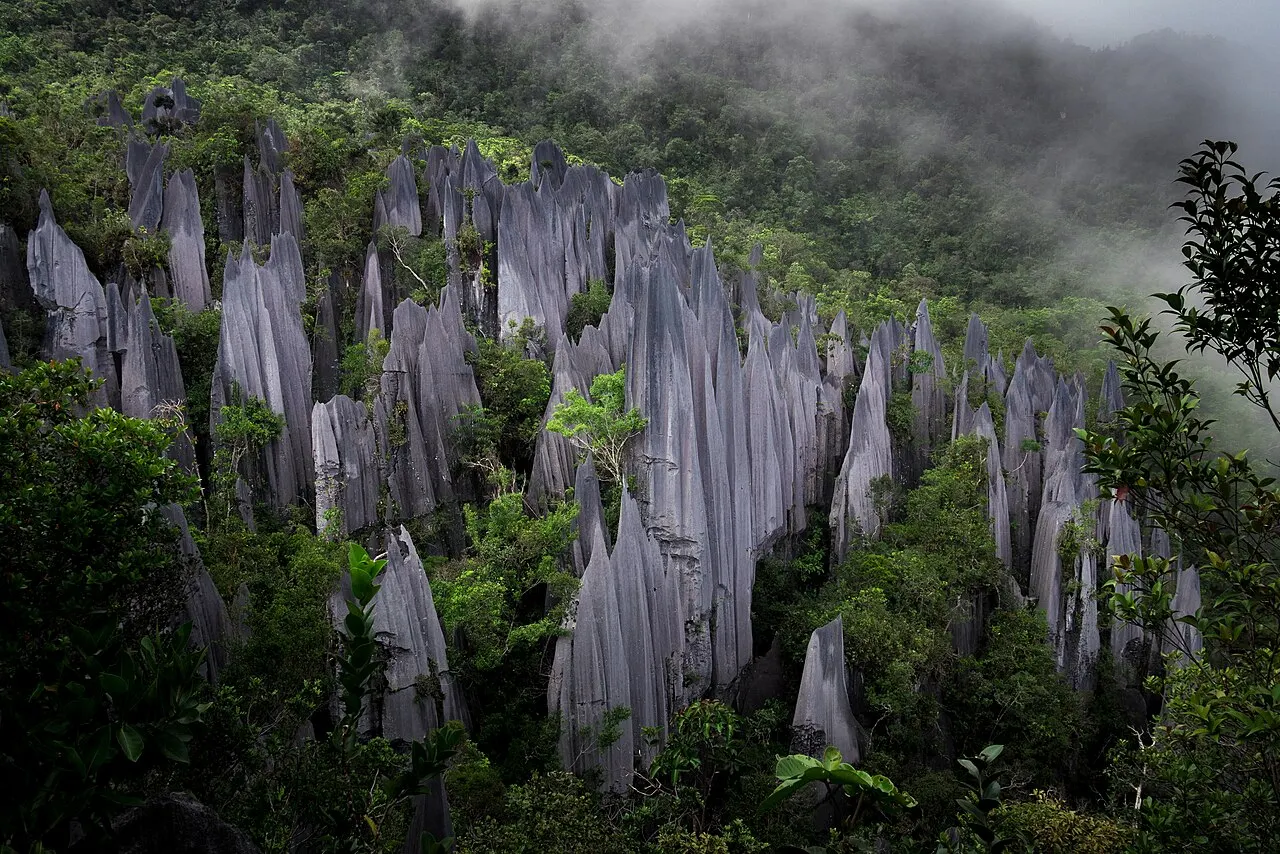
Gunung Mulu National Park is a rainforest and karst landscape in northeastern Sarawak, where immense caves form only one layer of the experience. Rivers, forest paths, limestone towers and higher mountain vegetation belong to the same protected system. For most first-time visitors, the practical starting point is the park headquarters near Mulu's accommodation area, not the mountain summit or a remote cave entrance. The developed show caves can be explored on organised outings, while adventure caving and the Pinnacles require different fitness, preparation and bookings. Mulu works best as a stay of several days rather than a quick stop from Miri. Plan the local nights, arrival transport and guided activities together, leaving room for rain and changes to river or cave conditions. UNESCO recognition explains the landscape's value; it does not make every underground passage a public route.
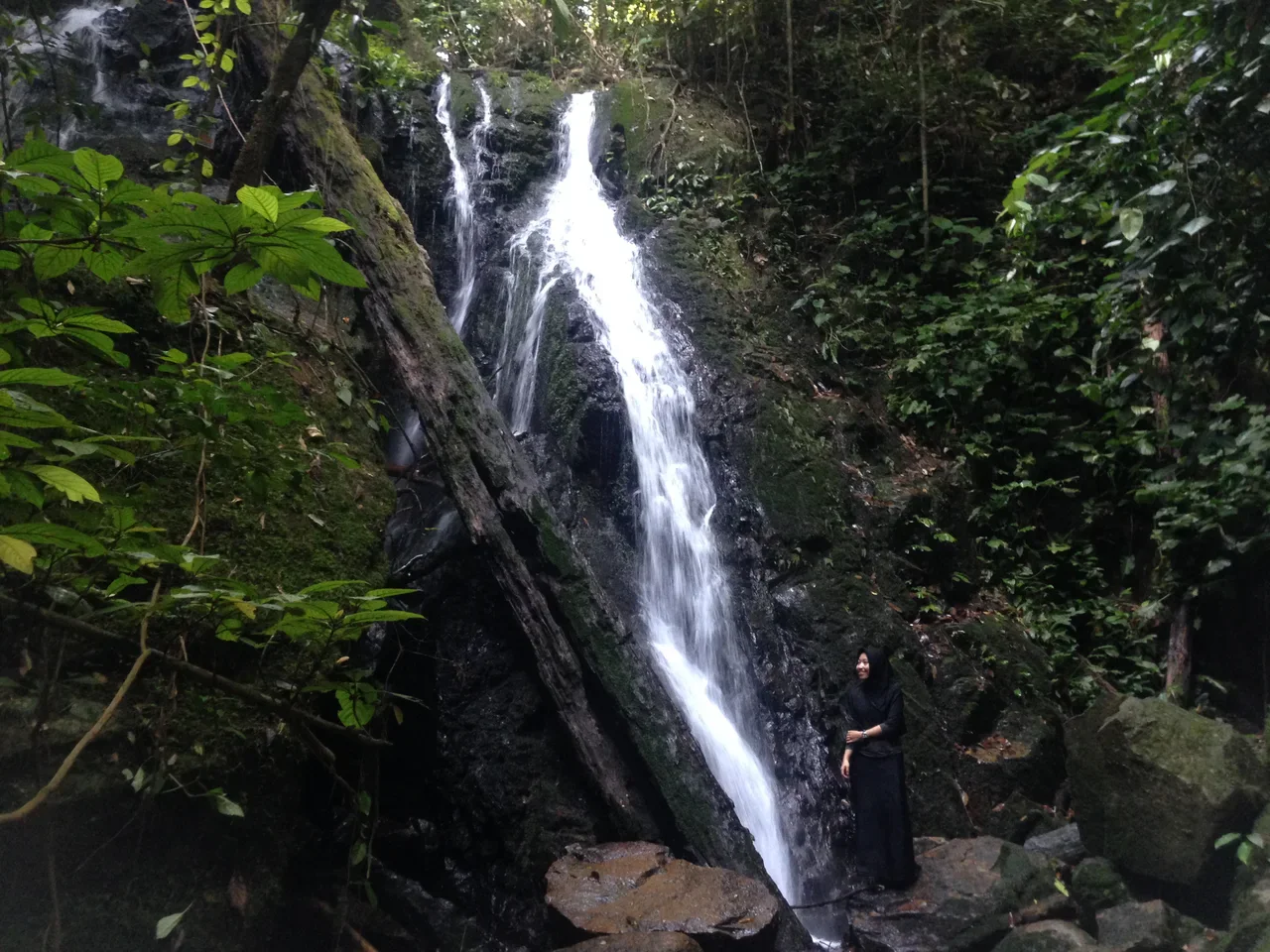
Gunung Palung protects a varied forest landscape in West Kalimantan. Its recognised visitor areas, including Lubuk Baji near Sukadana, offer a way to explore the park without confusing public trails with the specialist research work at Cabang Panti.
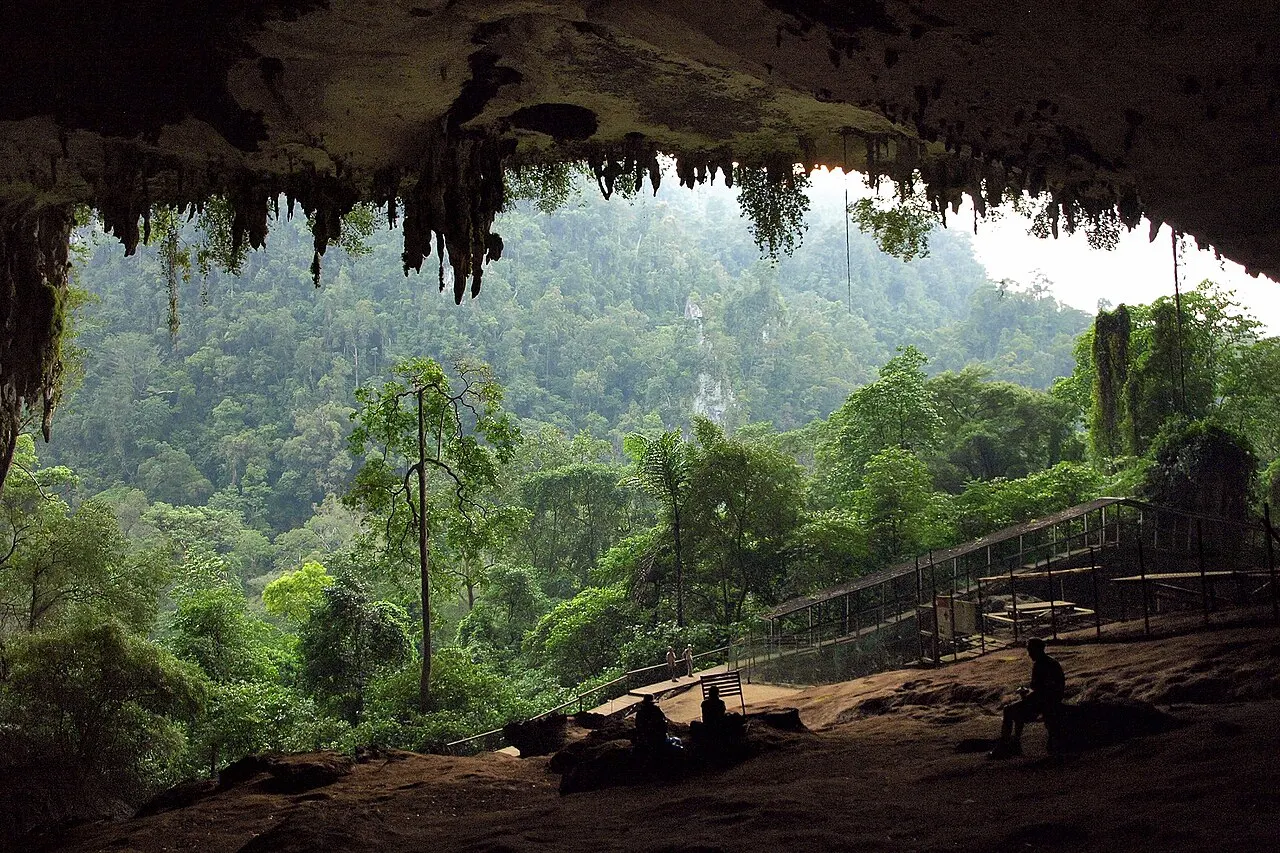
Borneo’s caves are living environments as well as geological spaces. Research at Mulu documents underground food webs linked to bats, swiftlets, microbial activity and water moving through limestone.
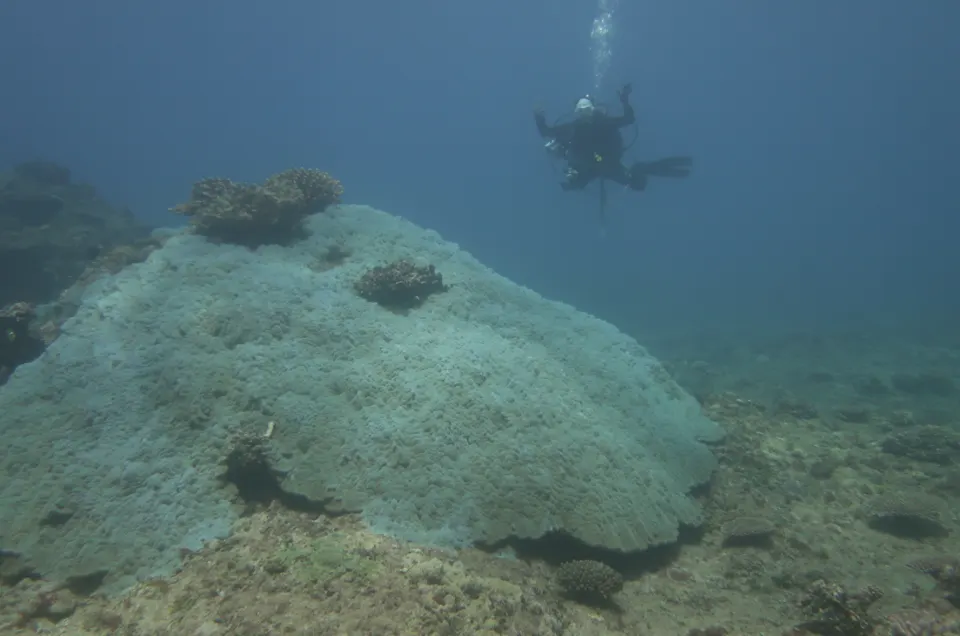
Living coral communities create marine structure across reef settings, including the distinct coastal and island seascapes documented in East and South Kalimantan.
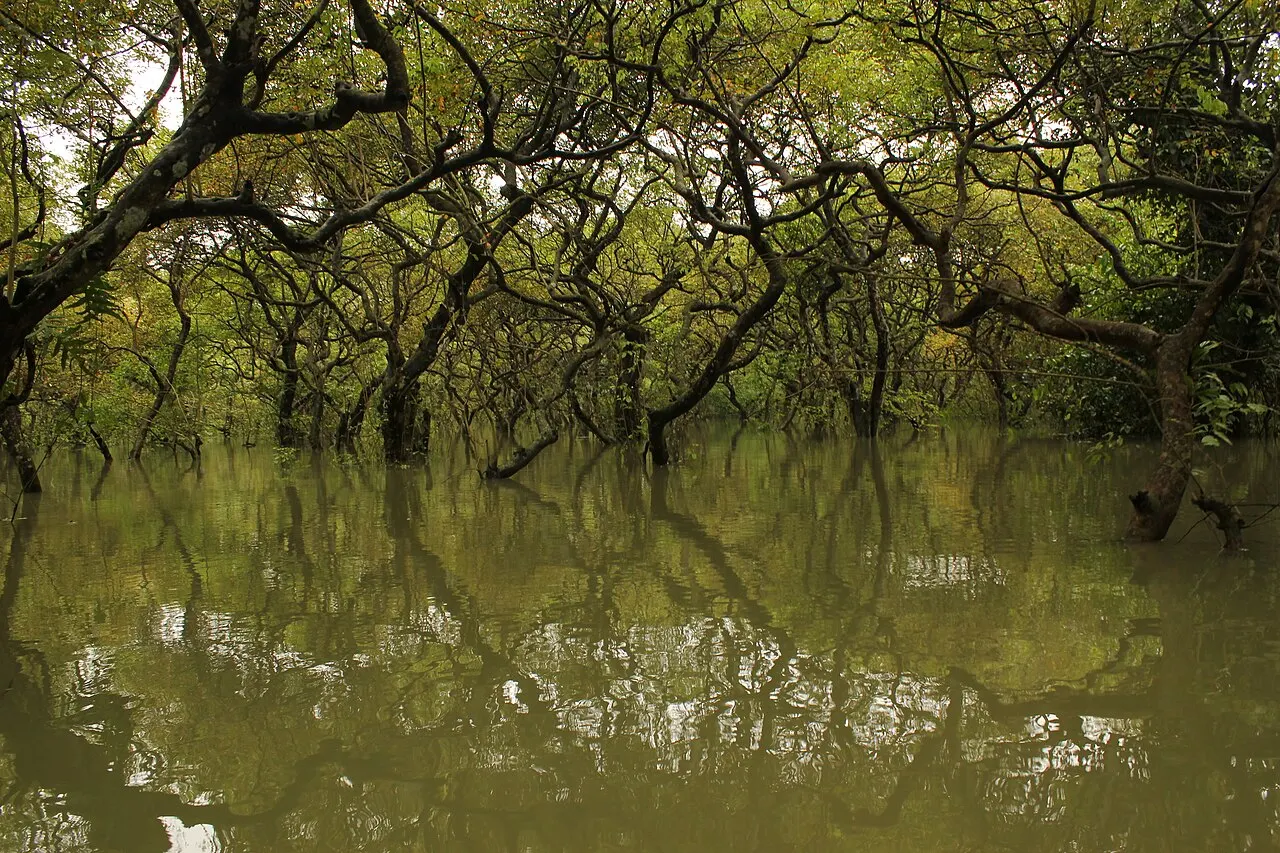
A freshwater-influenced forest habitat documented within Tanjung Puting’s protected-area mosaic.